


August 24 / Greater Bay Area Economic Network Guangzhou / On August 21, Chayan Yue Se officially announced that its subsidiary brand, Goodmo Ning, has left Changsha and made its first stop in Guangzhou. It will enter Bai’etan Vanke City together with the main Chayan brand by the end of September. In Guangzhou, where local brands are clustered together, will incoming new brands find a place for themselves? The answer may lie in the trend of the new tea beverage industry’s “collective off-track” behavior—when Heytea’s first craft shop opens in Guangzhou, allowing consumers to “immerse themselves in watching tea being made”; when Mixue Bingcheng opens “supermarket-level flagship stores”; when Nai Xue, Bawang Chajiji, and Chaibaidao all step out of the drinks arena—“not just selling tea” has already become the collective choice of leading new tea beverage brands amid the reshuffle of available market share.
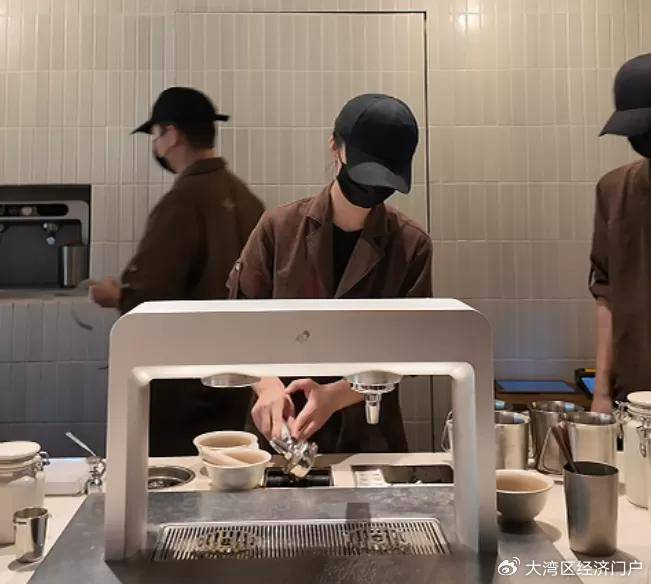
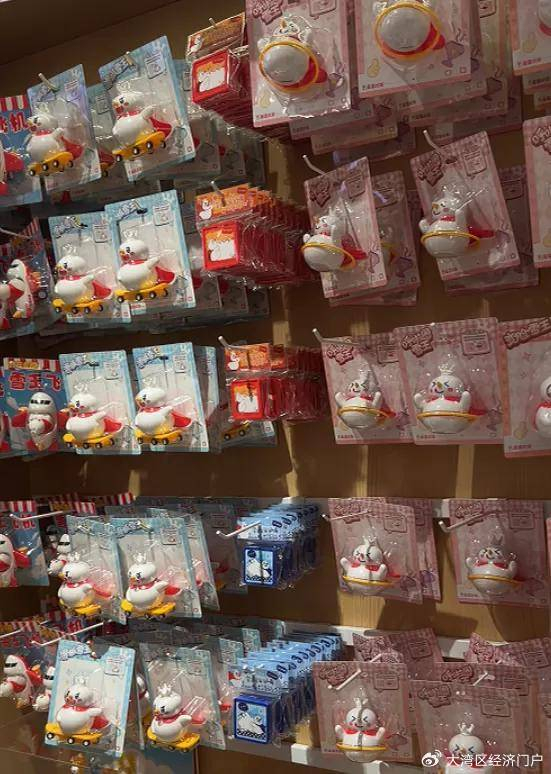
“Milk tea shops collectively doing side businesses” is the most prominent keyword in the 2026 new tea beverage industry. On August 19, after the Hi Tea store at No. 236 Shipaiqiao Road in Guangzhou reopened, it became the first Hi Tea craftsmanship store nationwide. Unlike ordinary stores that pursue the logic of fast service and grab-and-go efficiency, the craftsmanship store focuses on an immersive space experience and a sense of ritual in tea making. Steps that originally belonged to the R&D back end—tea making, extracting tea, and mixing tea—are fully presented. Staff members say, “Everyone can sit down beautifully here, take photos, and check in, like having afternoon tea. You can also bring your own desserts to pair with your drinks and slowly experience the atmosphere of drinking tea.” In Guangzhou’s Tianhe business district, Mixue Bingcheng has also opened a “supermarket-level flagship store,” offering a wide range of products such as low-priced casual snacks, Snow King-themed companion toys priced just above nine yuan, portable pour-over ear-hung coffee, and packaged flower tea—everything under one roof. Naixue captures the trend of health-conscious consumption by building independent light-meal stores. Bawang Chaji, on the other hand, steps out of the “food and drink” category and moves into “making clothing”—expanding from sunglasses, scarves, and canvas bags to the traditional Chinese-style apparel segment—becoming the first brand in China’s new tea beverage industry to enter the apparel field.
Behind milk tea shops “collectively doing side businesses” lies the harsh reality of the decline in growth dividends for the new tea beverage sector. Industry data shows that the market growth rate for new tea drinks has fallen from 19.3% in 2023 to 6.4% in 2025, with the pace of growth clearly slowing. In 2025, the national number of made-to-order tea beverage stores decreased by more than 30,000. Over 70% of tea beverage brands have slowed their expansion schedule—an era when “opening more new stores meant people would buy” has already passed. Each time a seasonal change arrives, once a new product becomes popular, it quickly appears on the menus of all milk tea stores. Then what differences are there between getting milk tea at different stores? When raw material costs, rent, and labor costs keep rising, a price war is never a solution.
More in-depth demand comes from the expansion of consumption scenarios. Relying on beverages alone firmly limits consumption scenarios to a limited time frame—quenching thirst and afternoon tea—while breakfast, main meals, and casual snacking needs cannot be accommodated. When stores simultaneously offer multiple categories such as light meals, cookies, and snacks, consumption scenarios expand from morning to night—covering more time periods. Many consumers who come only to buy a cup of milk tea end up taking snacks and desserts as well, naturally raising the store’s average ticket and bringing real incremental sales. Cross-industry expansion is also a traffic “password” for capturing younger consumer groups. Today’s young people have a strong curiosity about fresh experiences. When brands step out of the conventional milk-tea framework to try something new, they inherently carry social and shareable attributes.
However, cross-industry expansion is not a universal cure-all. Blindly expanding categories may fall into the trap of “having a name without volume, having volume without profit.” As reported by Securities Times, blindly increasing SKUs can intensify pressure on store inventory and ingredient waste. Different categories have different warehousing and turnover requirements, and the cost of losses is often borne by the store, which in turn erodes profit margins. Tea beverage, light meals, and apparel follow entirely different business logics. Tea beverage brands are skilled at making drinks, but may not necessarily have cross-category supply-chain and quality-control operational capabilities. Even brands like Naixue sell light meals and Bawang Chaji sell apparel have not yet managed to run a profitable model that can be widely replicated at scale. Many cross-industry projects attract “check-in traffic,” but after the buzz fades, it’s difficult to sustain stable repeat purchases. More importantly, cross-industry expansion can only create incremental gains; it cannot resolve the underlying industry contradictions—issues such as homogenization, price wars, and the oversaturation of stores still remain.
From a more macro perspective, cross-industry expansion has evolved from an optional innovation to a mandatory survival question in the era of stock. But it is only a tool to assist in breakthroughs, not a miracle cure to save performance. Wang Hongtao, deputy director-general of the China Chain Store & Franchise Association, said in an interview with Xinhua Net that category expansion can revitalize idle human resources and time slots in stores, capture more consumption scenarios such as early meals, lunch, and casual snacking, and drive higher average ticket and sales-per-square-meter efficiency. Mixue Bingcheng’s supermarket-style flagship store is a typical example. A relevant负责人 revealed that Mixue Bingcheng has already rolled out more than 30 urban flagship stores nationwide, covering first-tier cities and regional central cities. In the flagship store, the share of sales from cultural and creative merchandise exceeds 80%. But the other side of the dividend hides a serious real-world pitfall: for tea beverage brands to keep operations stable, they ultimately cannot detach from the fundamental “base” of their tea beverage core business.
Source: Greater Bay Area Economic Network, Guangzhou Channel