


(Source: The Labour Daily)
Reposted from: The Labour Daily
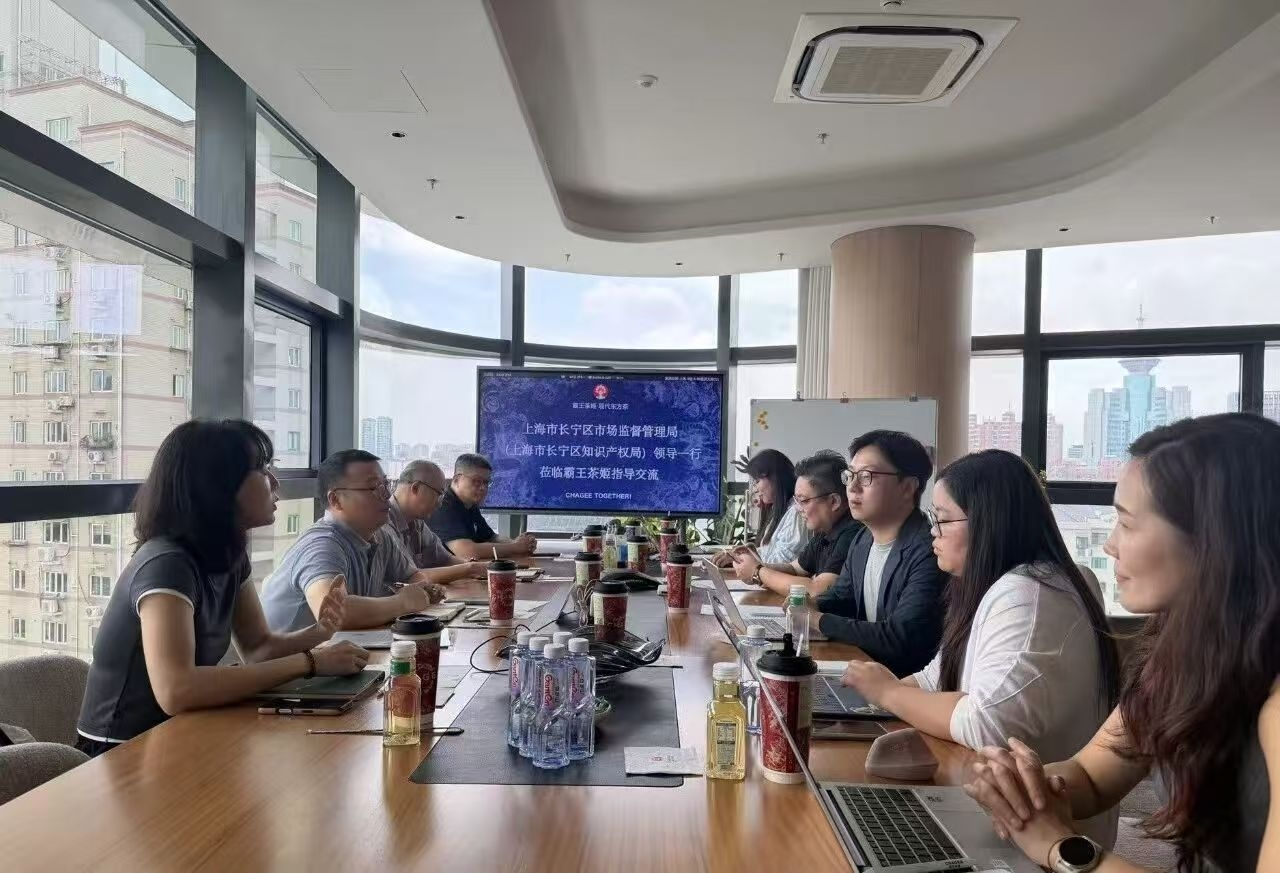
Recently, Bawang Chajiyi's global business center (located in Changning) officially obtained Shanghai’s first data product intellectual property registration certificate for tea beverage recipes. Its core drink recipe dataset has completed the registration of intellectual property for data products. This marks that the core recipe of this leading new-style tea beverage brand has an officially recognized “digital identity card,” and it also means that application scenarios for protecting data product intellectual property extend from the technology and biopharmaceutical fields to the consumer services industry.
It is understood that this registration covers a series of tea beverage recipe data for Bawang Chajiyi. With the review by the intellectual property authorities and blockchain-based notarization, the registration certificate leaves clear ownership records and timestamps for the relevant recipe data. In the future, in the event of any related disputes, the registration documents and corresponding notarized data can provide evidence to prove ownership and support earlier investment, adding another layer of “protection” for recipe safeguarding.
The notarization and registration of intellectual property for data products is not a substitute for trade secrets, but rather a complement to each other. Core information in tea drink recipes—such as ingredients, quantities, and the production process—can still be protected through the trade secret system and confidentiality measures. Data sets formed through R&D and processing can, through further notarization and registration of data product intellectual property, establish and retain ownership records.
The implementation of this registration is a “two-way convergence” between corporate needs and policy services. Since Shanghai launched a pilot program for the notarization and registration of data product intellectual property, the Changning District Market Regulation Bureau has been actively seeking application scenarios for data assets that align with the distinctive industries within its jurisdiction. During a visit to Bawang Chajing, staff members raised the question: “Have you considered trying to protect your tea drink recipes using data intellectual property?” This perfectly matched Bawang Chajing’s actual needs. As a new-style tea beverage company, it has long accumulated a large number of tea drink-related recipes internally. How to find a more suitable protection method for the data成果 formed during R&D has also become a new demand for the company.
During the application preparation stage, the Changning District Market Regulation Bureau took the initiative to provide “front-loaded” services—offering end-to-end guidance from policy interpretation and data sorting to the preparation of application materials. Bawang Chajing mobilized teams including R&D and intellectual property to conduct a systematic inventory of internal recipe data.
As the application process began, faced with the challenge of “how to fully present the overall picture of a data product within limited space,” the Changning District Market Regulation Bureau instructed the company to conduct structured sorting of the data according to three modules: “recipe information, process parameters, and quality outcomes.” This resulted in concise and standardized application materials, and the application was successfully completed.
The issuance of the first data product intellectual property registration certificate for Shanghai’s tea beverage drink recipes has been put into effect, marking an even further expansion of the application scenarios for data product IP notarization and registration into the consumer services industry.
Header image: Tea drink recipes have a “digital ID card.” Photo provided by the interviewee