
GOU88
270 Posts
GOU88
Report
Block User
0 Following
146 Followers
2.3K+ Liked
Posts
·
--
$PREDICT Damn, I bought a fake one. This really isn't the contract.
$PREDICT Damn, I bought a fake one. This really isn't the contract.
941
·
--
Xu Jiyin has already become so old! He was sentenced to life imprisonment, at this age—he’s already lived enough in this lifetime.
Xu Jiyin has already become so old! He was sentenced to life imprisonment, at this age—he’s already lived enough in this lifetime.

1
242
·
--
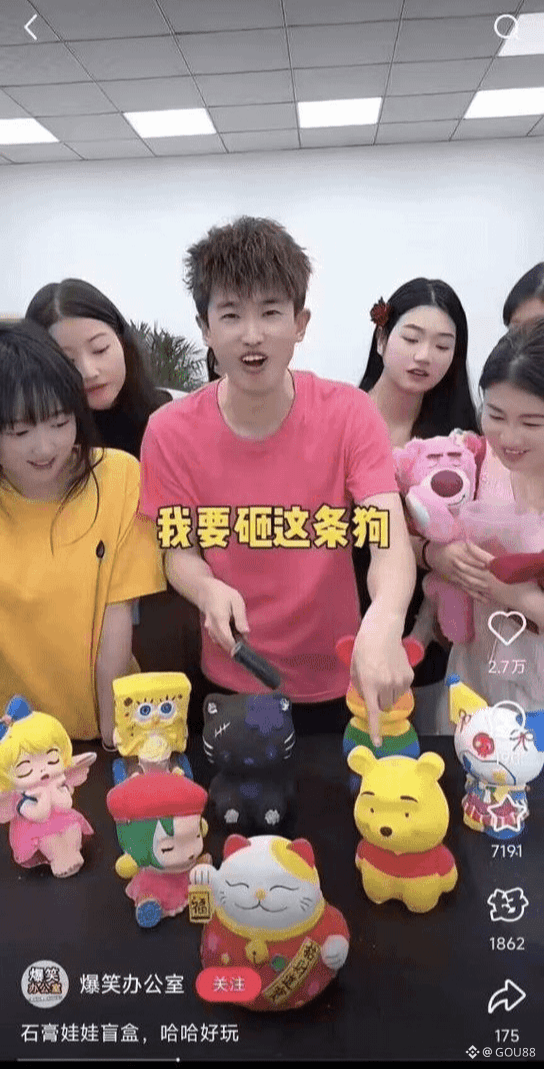
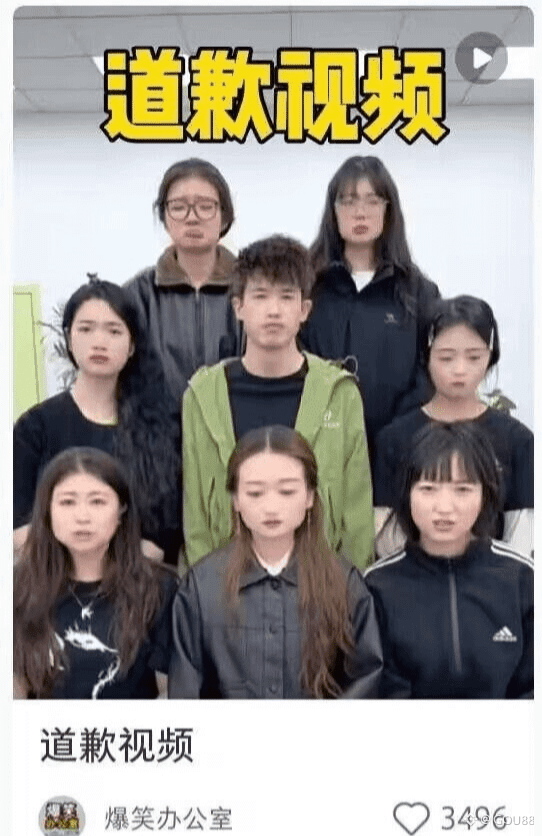
There’s an internet celebrity called “Fat Uncle,” with 970,000 followers. But the last time he appeared in public, he had become so thin that his face looked unrecognizable.
Two days later, he was gone—at 46 years old.
He wasn’t originally in this line of work. His wife is a streamer, and during broadcasts she was too busy to handle everything, so she would occasionally ask him to fill in. He didn’t expect that, because he was kind of slow-witted and his personality was so genuine and straightforward—viewers ate that up.
He became famous.
He even decided to go solo and focus solely on food. Streaming for eight hours a day was the minimum; on his most intense day, he faced the camera and held on for 17 straight hours—talking from dawn until dark, then into the next dawn.
The food on the table was just brought out—he would take a couple of bites, then when the camera panned, he had to start introducing the next product.
Before long, he had his own e-commerce platform, generating tens of millions in revenue a year. His money bag got fuller, but he seemed like a deflated ball—weight dropping visibly.
Even while fans kept asking in the comments how he managed to lose weight so successfully, he never replied with a word.
All he did was, in front of the camera, go from “Fat Uncle” to “Thin Uncle.” In that final livestream, his cheeks even caved in.
I believe that “trading your life for money” is just a gamble.
The only difference is that some people win back time, while for others—when the time is up, they have to get off the table.

8
·
--
$AIAV can it be taken down as soon as possible? It's kind of nauseating
$AIAV can it be taken down as soon as possible? It's kind of nauseating
433
·
--
$PREDICT This project has been online for more than half a year, and there hasn't been much going on.
$PREDICT This project has been online for more than half a year, and there hasn't been much going on.
2
1.1k
·
--
The project lead with ID $ESIM has been busy playing solo games. On-chain trading can be paused at any time, so don’t get wrecked.
The project lead with ID $ESIM has been busy playing solo games. On-chain trading can be paused at any time, so don’t get wrecked.
332
·
--
$Exchange the world going to alpha at the meet-up?
$Exchange the world going to alpha at the meet-up?
1
578
·
--
$ESIM is a global decentralized communication network in crypto. If you're not holding it, you're going to miss out on a huge wealth opportunity.
$ESIM is a global decentralized communication network in crypto. If you're not holding it, you're going to miss out on a huge wealth opportunity.
266
·
--
$ESIM is an inevitable trend for future growth.
$ESIM is an inevitable trend for future growth.
2
117
Log in to explore more content
Join global crypto users on Binance Square
⚡️ Get latest and useful information about crypto.
💬 Trusted by the world’s largest crypto exchange.
👍 Discover real insights from verified creators.
Email / Phone number
Trending Topics
EvolveAtBinanceBlockchainWeek
1.9M views
18,406 Discussing
Binance Blockchain Week is officially underway! 🌍
On November 28–29, whether you’re in Bangkok or joining from afar, tune in to the livestreams and join the conversation on Binance Square!
Here’s what’s in store 👇
📺 Watch the main stage live
Tune in throughout both days as industry speakers share their perspectives on this year’s theme, “Evolve” From technological innovation to real-world applications, explore what’s next for crypto.
⚔️ Watch two trading competitions
The Aster Open Qualifier and the Binance Trading Master Tournament will both be streamed live. Tune in to follow the traders in action.
🏆 Watch The Blockchain 100 Awards Ceremony
The Blockchain 100 list was selected by the community. Join us in celebrating the creators and the ideas they share!
💬 Join the community conversation
Use #EvolveAtBinanceBlockchainWeek in a post with a photo to share what you’re looking forward to, your views on the industry, or your favorite moments from the event.
The event page is now live! Subscribe to all livestreams with one click so you don’t miss a moment 👏
Binance Blockchain Week
·498 Likes
·676.8k views
BitcoinETFsExtendOutflowStreakToEightDays
18,738 views
284 Discussing
ColdcardFlawLeadsToTheftOfAtLeast1789BTC
75,412 views
665 Discussing