



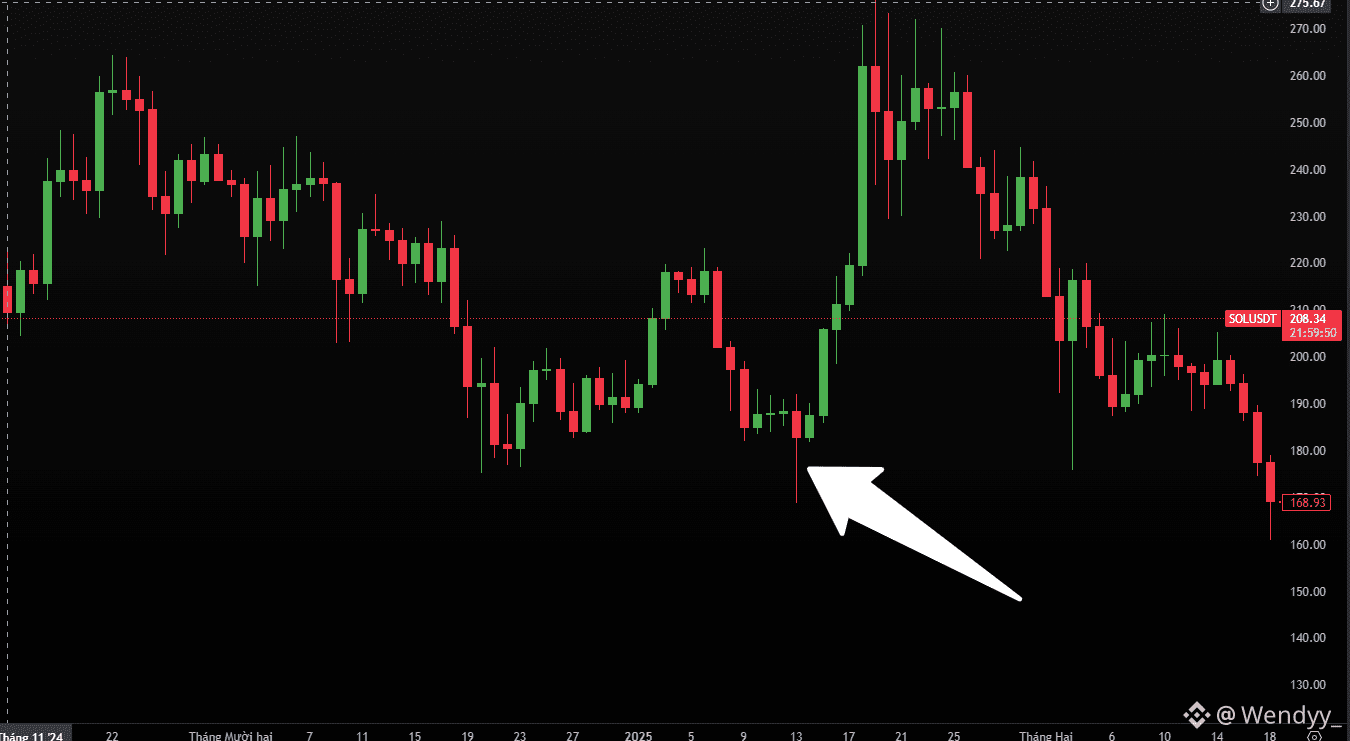
In the crypto market, there’s a frustrating scenario that almost every trader has experienced at least once: you enter a position, set a stop loss, get stopped out within minutes - and then watch the price reverse sharply in your original direction. This isn’t bad luck. It’s a well-known tactic called stop loss hunting, and it’s far more deliberate than many people realize.
This article breaks down what stop loss hunting really is, how large players execute it, and the most practical ways to protect yourself from becoming easy liquidity.
What Is Stop Loss Hunting?
To understand stop loss hunting (often referred to as liquidity hunting), think of it as a calculated move by large market participants - whales, funds, or market makers - to push price aggressively in a short time frame. The goal is to trigger clusters of stop loss orders placed by retail traders.
Most retail traders place their stop losses in obvious locations, such as just below support or just above resistance. When price is pushed into these zones, thousands of stop losses activate simultaneously. This forced selling or buying creates a surge of liquidity, allowing large players to enter or exit positions at highly favorable prices.
Once those stops are cleared, price often snaps back in the opposite direction, leaving retail traders confused and frustrated.
Who Is Behind These Liquidity Sweeps?
Market makers are one major player. Because they have access to order books, they can see where liquidity is concentrated and where stop losses are likely stacked.
Large exchanges may also contribute indirectly, especially in derivatives markets, where liquidations help rebalance positions and reduce risk exposure.
Then there are whales - individuals or institutions holding massive amounts of assets like BTC or ETH. With enough capital, they can temporarily move price to force reactions from smaller traders.
How Whales Execute Stop Loss Hunting
Understanding the process helps you stay calm instead of panicking when price suddenly spikes against you.
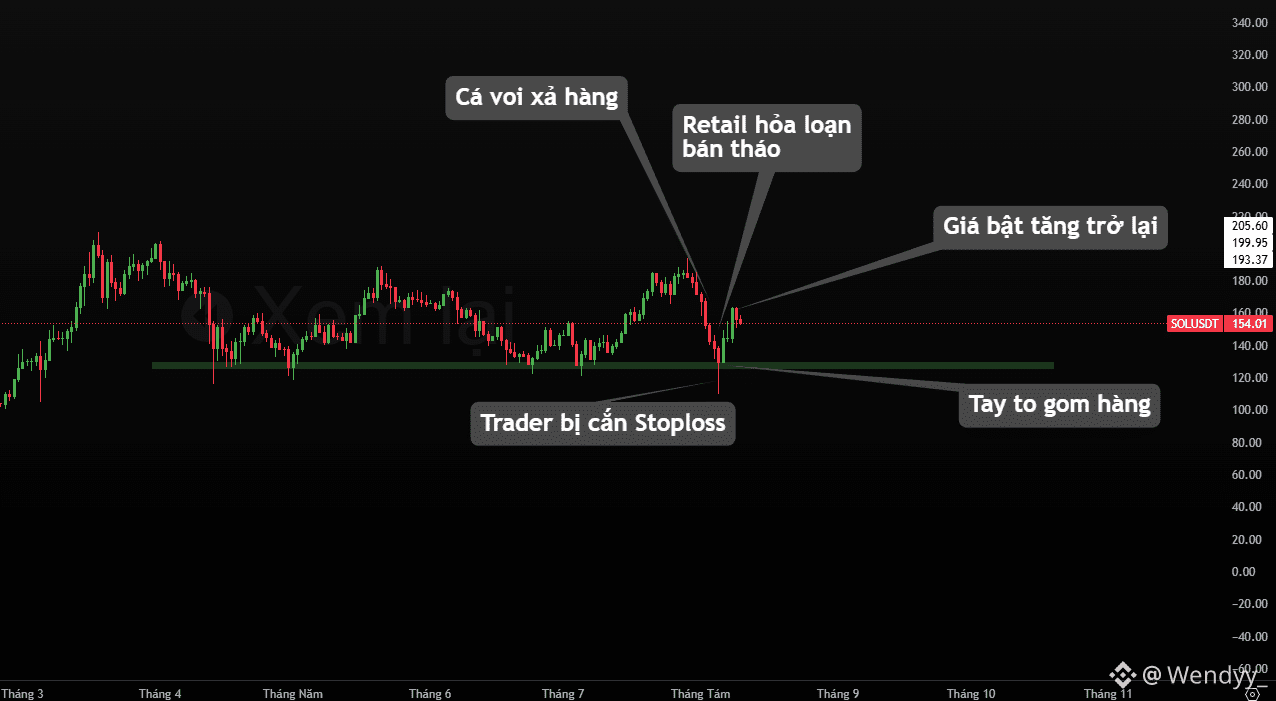
Imagine a token such as SOL trading near a well-defined support level at 125 USD. Most traders place their stop losses just below that support, typically between 120 and 124 USD. Whales know this.
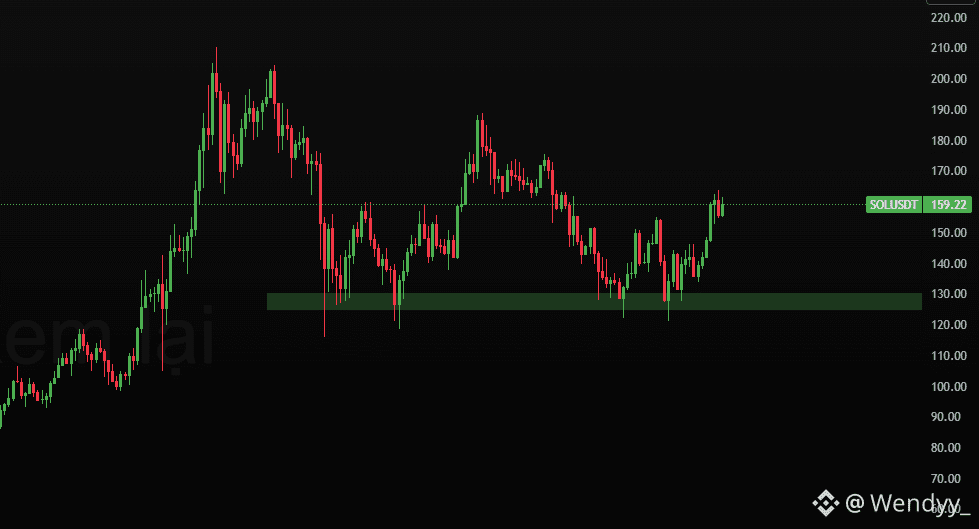
First, they apply selling pressure to gradually push price down, creating discomfort. As price approaches support, fear spreads and weaker hands start selling.
Next comes the decisive move. A sharp push sends price below the support level, triggering a cascade of stop losses. Price drops rapidly, often forming a long lower wick on the candle.
At that lower level, whales already have buy orders waiting. They absorb the forced selling, accumulate cheaply, and once liquidity is collected, price rebounds quickly - often within minutes.
This entire sequence can unfold in a very short time, making it extremely effective against traders who rely on obvious stop placement.
How to Avoid Becoming Easy Liquidity
Once you clearly understand stop loss hunting, you can adapt your strategy instead of fighting the market blindly.
One effective adjustment is avoiding “sensitive” stop loss zones. Placing stops at round numbers or directly beneath support makes you predictable. Moving your stop slightly further away increases risk per trade but significantly reduces the chance of being wicked out by a liquidity sweep.
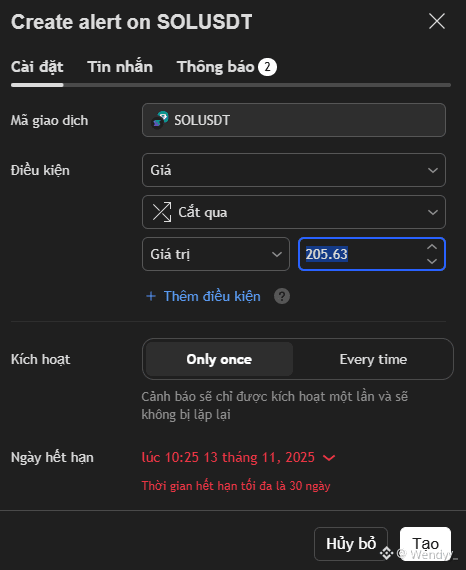
Another approach is using price alerts instead of hard stop losses. Platforms like TradingView allow you to set alerts at key levels. When price reaches that zone, you manually assess the situation. If you see a sharp rejection and long wick, it may be a stop hunt rather than a real breakdown. If price closes strongly beyond support, you can exit manually with more confidence.
Capital management also plays a crucial role. Never commit all your capital at a single price level. By splitting your position into multiple entries, you retain flexibility. If one entry gets stopped out, you still have capital available to re-enter at a better level after liquidity is cleared.
Final Thoughts
So, what is stop loss hunting really? It’s not a conspiracy - it’s a structural reality of modern financial markets, especially in crypto where liquidity is fragmented and leverage is common. You can’t eliminate it, but you can adapt.
Traders who survive long term are not those who avoid losses entirely, but those who understand market behavior, place stops intelligently, manage risk carefully, and refuse to act emotionally. Once you stop being predictable, you stop being easy prey.