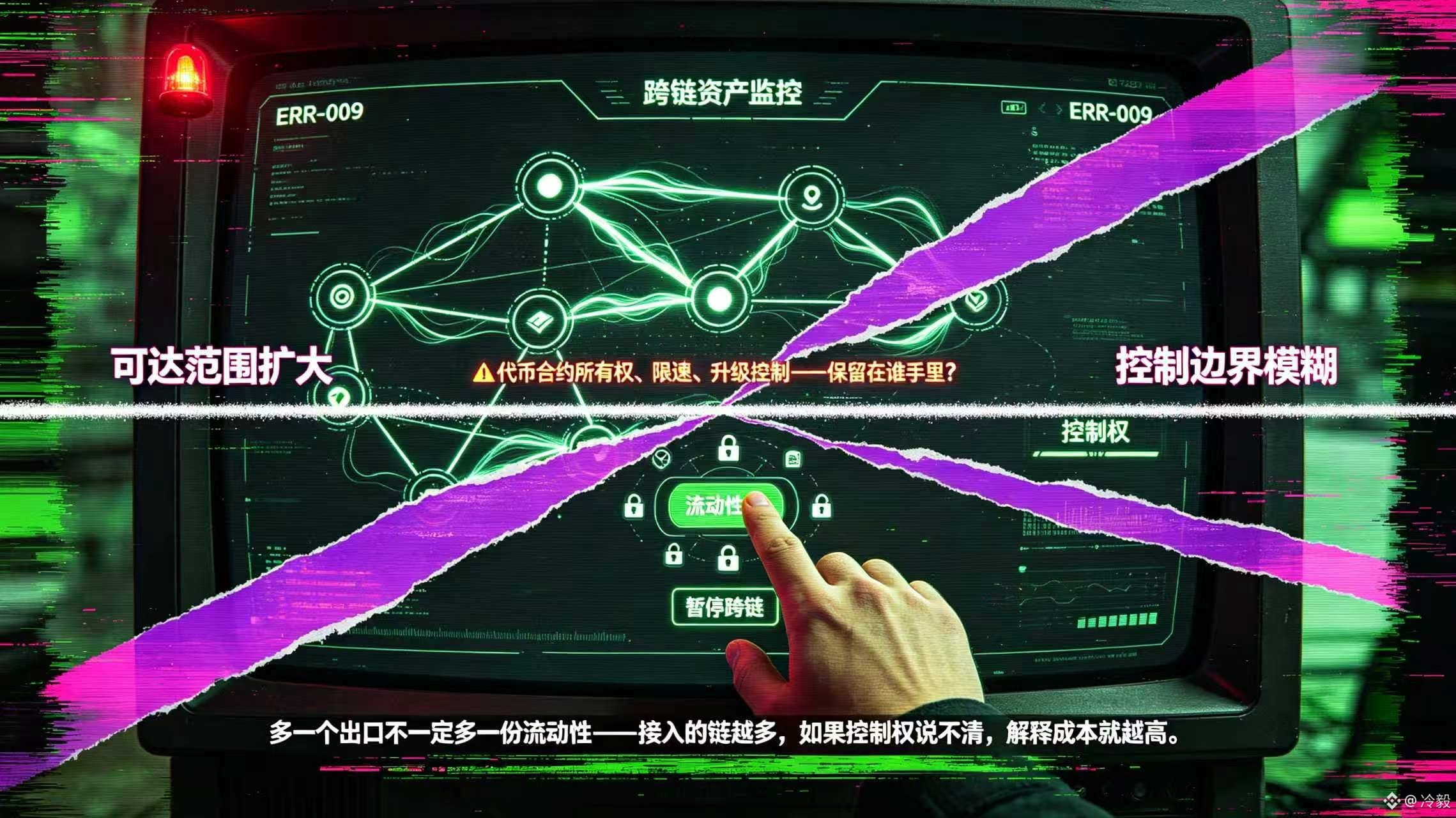
“Cross-chain is easiest to write as ‘one more exit means one more slice of liquidity,’” but when I reread @Dusk ’s collaboration with NPEX and Chainlink, I ended up focusing on CCIP’s control boundaries instead. Both sides treat it as a cross-chain interoperability layer for regulated assets, while still retaining ownership of the token contracts, as well as the rate limits, upgrade controls. This detail changed my assessment. What institutions want is not to replicate securities onto more networks, but to still know who can change the rules, who can pause liquidity, and who is accountable for asset status as they expand reach. For ordinary tokens, a cross-chain failure might be only a delayed transfer; but for regulated securities, if control rights and compliance boundaries aren’t clearly defined, the more chains you connect, the higher the explanation cost becomes.
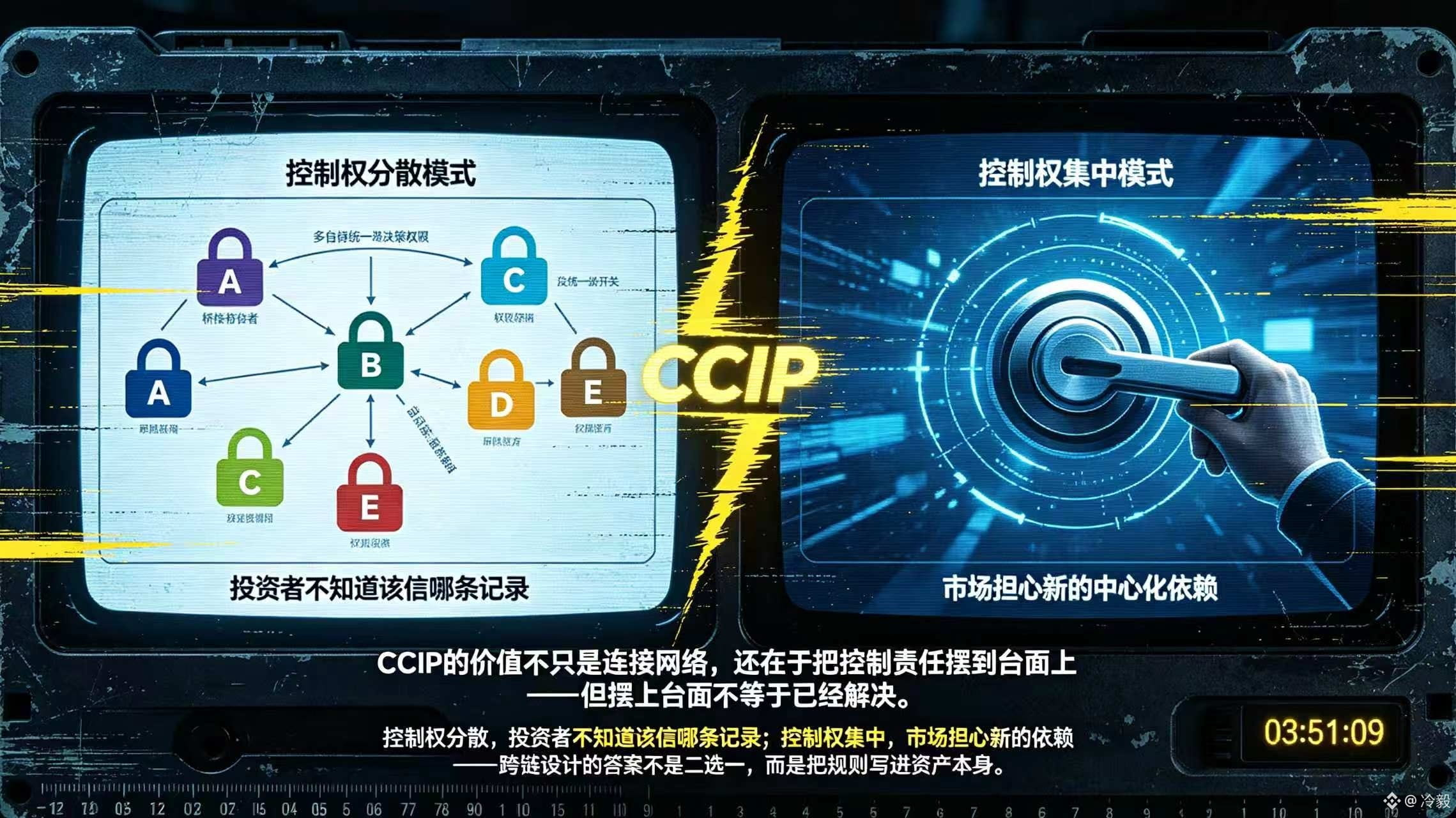
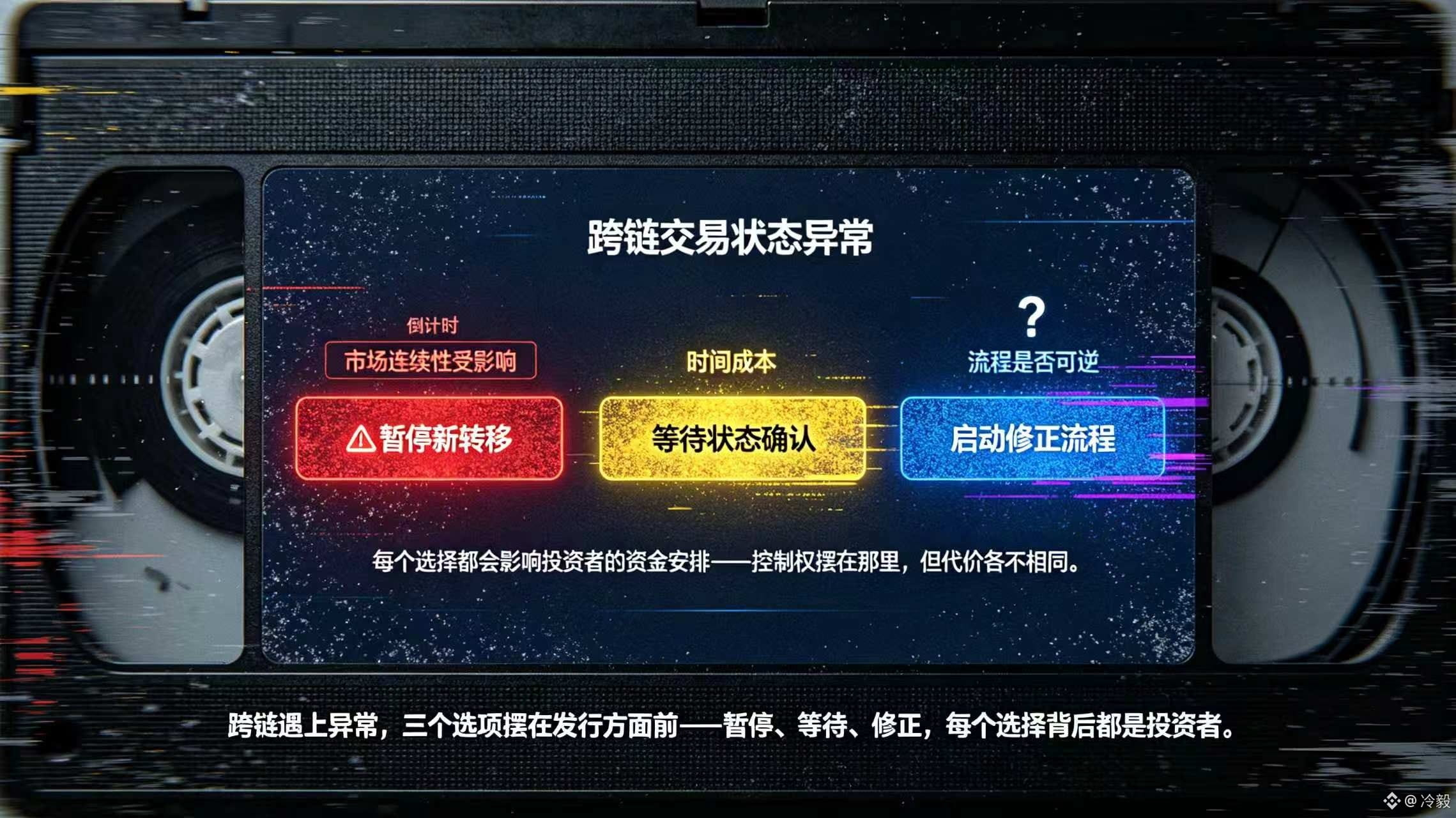
The truly troublesome scenario is when an asset is already issued on DuskEVM and investors want to use it on another network, but the cross-chain process hits an exception or triggers rate limiting. The issuer then has to decide whether to pause new transfers, wait for state confirmation, or initiate a corrective flow—each choice affects investors’ fund planning and market continuity. If control is distributed among multiple bridging participants, investors won’t know which record to trust. If the issuer holds all the switches, the market faces a new kind of centralized dependency. The value of CCIP, therefore, isn’t only about connecting networks—it’s also about bringing control responsibility into the open.
The official documentation can show that @Dusk and NPEX are adopting this standard, but it cannot prove that every type of security has already achieved frictionless cross-chain operation. For $DUSK , what’s worth watching next is whether the rate limiting, pause capability, and upgrade permissions will be publicly written into the rules of each asset. @Dusk wants to bring financial markets to more networks—first, the market needs to know who remains responsible after you move out. #dusk
The truly troublesome scenario is when an asset is already issued on DuskEVM and investors want to use it on another network, but the cross-chain process hits an exception or triggers rate limiting. The issuer then has to decide whether to pause new transfers, wait for state confirmation, or initiate a corrective flow—each choice affects investors’ fund planning and market continuity. If control is distributed among multiple bridging participants, investors won’t know which record to trust. If the issuer holds all the switches, the market faces a new kind of centralized dependency. The value of CCIP, therefore, isn’t only about connecting networks—it’s also about bringing control responsibility into the open.
The official documentation can show that @Dusk and NPEX are adopting this standard, but it cannot prove that every type of security has already achieved frictionless cross-chain operation. For $DUSK , what’s worth watching next is whether the rate limiting, pause capability, and upgrade permissions will be publicly written into the rules of each asset. @Dusk wants to bring financial markets to more networks—first, the market needs to know who remains responsible after you move out. #dusk