Recently, I have been paying attention to KGeN, which happens to provide a very 'anti-Web3 conventional' answer
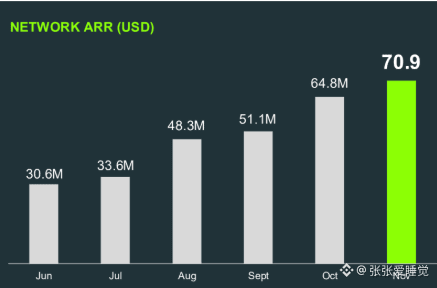
$80 million, not a story, but real ongoing revenue
KGeN's annual recurring revenue (ARR) has exceeded $80 million
Where does its money actually come from?
The first thing KGeN did
They launched a verification system called VeriFi
So far, KGeN has accumulated 48.9 million verified real users
These are not just wallet addresses, but real people who open the App, complete tasks, and generate value
The first monetization logic: game developers pay for 'real users'
With these real users, the business model naturally works
What AI truly lacks is not algorithms, but 'people'
What really sets KGeN apart from most Web3 projects is this AI aspect
KGeN's advantage lies here
The platform has already gathered 1 million verified expert users, distributed across over 60 countries,
covering multiple fields such as programming, design, healthcare, and law
AI companies directly purchase these services from KGeN instead of taking chances on unreliable crowdsourcing platforms
High customer unit price, strong renewals, and stable income are also the core reasons why KGeN can continuously increase its ARR
KGeN's revenue sources include:
Game developers' user acquisition fees, AI companies purchasing data services, and transaction commissions from digital marketplaces.
This real revenue will support the staking yield of $KGEN
In other words, the token holding yield does not rely on unlimited issuance,
but comes from the ecological value's feedback, and the value foundation of $KGEN will only become more stable.
$80 million, not a story, but real ongoing revenue
KGeN's annual recurring revenue (ARR) has exceeded $80 million
Where does its money actually come from?
The first thing KGeN did
They launched a verification system called VeriFi
So far, KGeN has accumulated 48.9 million verified real users
These are not just wallet addresses, but real people who open the App, complete tasks, and generate value
The first monetization logic: game developers pay for 'real users'
With these real users, the business model naturally works
What AI truly lacks is not algorithms, but 'people'
What really sets KGeN apart from most Web3 projects is this AI aspect
KGeN's advantage lies here
The platform has already gathered 1 million verified expert users, distributed across over 60 countries,
covering multiple fields such as programming, design, healthcare, and law
AI companies directly purchase these services from KGeN instead of taking chances on unreliable crowdsourcing platforms
High customer unit price, strong renewals, and stable income are also the core reasons why KGeN can continuously increase its ARR
KGeN's revenue sources include:
Game developers' user acquisition fees, AI companies purchasing data services, and transaction commissions from digital marketplaces.
This real revenue will support the staking yield of $KGEN
In other words, the token holding yield does not rely on unlimited issuance,
but comes from the ecological value's feedback, and the value foundation of $KGEN will only become more stable.