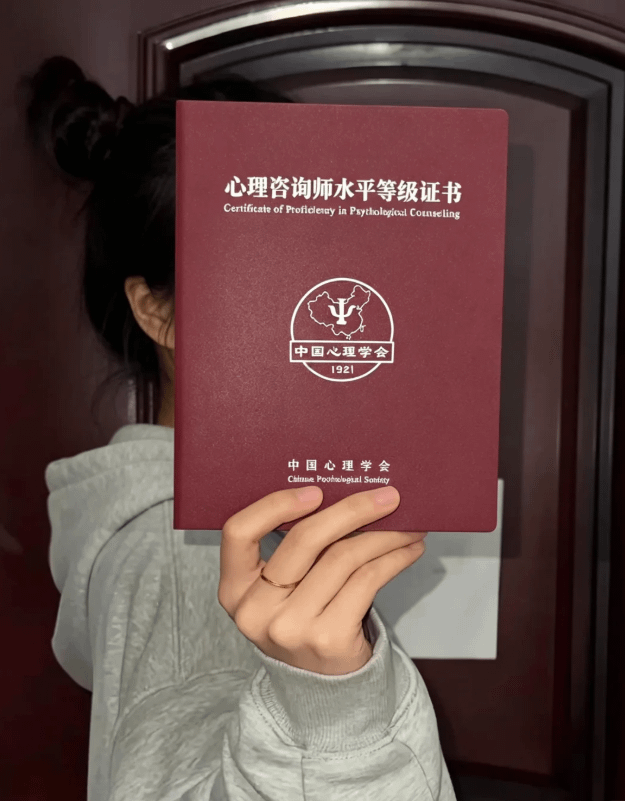

Recently, I received a submission from a 39-year-old fan. He used to be a psychological counselor. Years of work exposed him to many different life stories, and it also made him realize how much emotions can affect a person. Later, he opened his own counseling studio. Relying on his professional skills and years of accumulated experience, he earned his first real fortune in life. He said that the biggest takeaway in the psychology industry is that, in many cases, what truly influences the outcome is not only the external environment, but a person’s cognition and choices.
Once, while helping an entrepreneur manage stress, the client talked about digital assets and blockchain—this was the first time he came into contact with the crypto market. At first, he just thought it was novel. Later, he found that this industry changes quickly and is full of emotional games. So he started to study the market seriously. From learning the concepts, to researching market trends, and then to participating in investments, he gradually built his own understanding. When he first entered the market, he mainly focused on investing. By studying over different cycles, he gained some returns during periods when the market was rising. At that time, he felt that since he had spent a long time studying people’s psychology, he should be better able to understand market sentiment.
But only after he truly entered futures trading did he realize that understanding emotions and controlling emotions are completely two different things. After his first few profitable trades, his confidence grew stronger and he gradually relaxed his risk awareness. Later, one time he made the wrong trade decision, and the market moved against him. Instead of adjusting in time, he got stuck in a mindset of trying to prove he was right. As a result, his account suffered a large drawdown. In the hardest period, he found that he would also feel anxious, would also be desperate to get his money back, and would also be influenced by emotions when making judgments.
Later, he adjusted his trading approach again. He started recording every trade—not just analyzing the market, but also analyzing his own behavior. He reduced his trading frequency, controlled his position size, and only took opportunities that fit his plan. He no longer let emotions dictate his actions. Through continuous review and execution, he gradually recovered his capital and found his trading rhythm again.
Now, his psychological counseling work remains stable, and his investment income is also gradually improving. In the future, he hopes to build an online platform for personal psychological growth—using the experience he has accumulated over the years to help more people, while continuing to strengthen his own investing abilities.
He said one sentence, and I think many traders should remember it: **“A person’s greatest enemy is, in many cases, not the market, but an inability to manage their own inner self.”** In the market, techniques can be learned and methods can be copied, but emotional control must come from long-term training. Stay calm when making money, stay rational when losing, and you can truly go farther. Position control is the bottom line for protecting principal, stop-losses are a way to prevent errors from getting bigger, and waiting for opportunities is the choice of mature traders.
If you’re still exploring your way on the trading road right now, don’t rush to chase every opportunity. First, build a trading system that belongs to you. We also review the market together in our day-to-day work, exchange views on trends, positions, and trading logic, and continuously learn to improve our understanding.
True growth isn’t having no emotions—it’s being able to stay clear-headed even amid volatility.$BTC $ETH $PEPE