These past few days, the White House invited people from the crypto industry in for a meeting. In front of the president, lawmakers were urged to push the market-structure bill. The moment the news broke, market sentiment clearly relaxed. While I was scrolling through these articles, TermMax’s airdrop query also went live. After I connected my wallet and checked it in the afternoon, I actually became quieter. #TermMax
At today’s approximate market cap of about $180 million and a total supply of around 1 billion coins, the community portion on the optimistic side is only about 1.4–1.5 million U—so roughly 20 to 30 U per person. If the threshold is set around the 200-plus score range, then pushing it higher just isn’t that cost-effective. The funds locked in the protocol are close to $90 million; the registered wallets are 1.5 million and daily active users are 90,000. In the end, the final ratio may tighten a bit further. $BTC
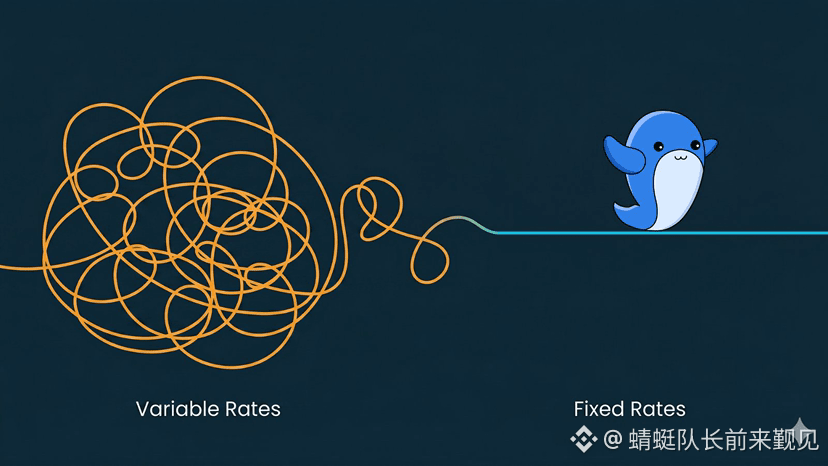
Compared to the numbers, @TermMax I’d rather take a closer look at TermMax itself. Back when it was only fixed-rate lending and borrowing, it seemed straightforward. Now it feels more like it’s building a fund-matching venue on-chain. FT and XT break up the return, term, and risk. Limit-price orders let lenders and borrowers essentially set their own prices and find their own counterparties—so interest rates aren’t determined entirely by an algorithm anymore. I’ve placed a few orders myself, and the experience really is different.
The real test is still ahead. Even if order placement becomes more flexible, if there isn’t enough depth, you may end up with a price but no market. After the airdrop, I’ll keep an eye on the order book thickness, the aggregator’s slippage, and whether XT can truly reflect market sentiment. Having scale doesn’t necessarily mean liquidity can actually be used.
Let the airdrop be an unexpected bonus. What I really want to see is whether TermMax can make the matching process smoother. Get as much as you can; the rest depends on whether, over the next few months, it can get more people genuinely willing to put their money in and use it.
At today’s approximate market cap of about $180 million and a total supply of around 1 billion coins, the community portion on the optimistic side is only about 1.4–1.5 million U—so roughly 20 to 30 U per person. If the threshold is set around the 200-plus score range, then pushing it higher just isn’t that cost-effective. The funds locked in the protocol are close to $90 million; the registered wallets are 1.5 million and daily active users are 90,000. In the end, the final ratio may tighten a bit further. $BTC
Compared to the numbers, @TermMax I’d rather take a closer look at TermMax itself. Back when it was only fixed-rate lending and borrowing, it seemed straightforward. Now it feels more like it’s building a fund-matching venue on-chain. FT and XT break up the return, term, and risk. Limit-price orders let lenders and borrowers essentially set their own prices and find their own counterparties—so interest rates aren’t determined entirely by an algorithm anymore. I’ve placed a few orders myself, and the experience really is different.
The real test is still ahead. Even if order placement becomes more flexible, if there isn’t enough depth, you may end up with a price but no market. After the airdrop, I’ll keep an eye on the order book thickness, the aggregator’s slippage, and whether XT can truly reflect market sentiment. Having scale doesn’t necessarily mean liquidity can actually be used.
Let the airdrop be an unexpected bonus. What I really want to see is whether TermMax can make the matching process smoother. Get as much as you can; the rest depends on whether, over the next few months, it can get more people genuinely willing to put their money in and use it.