#termmax
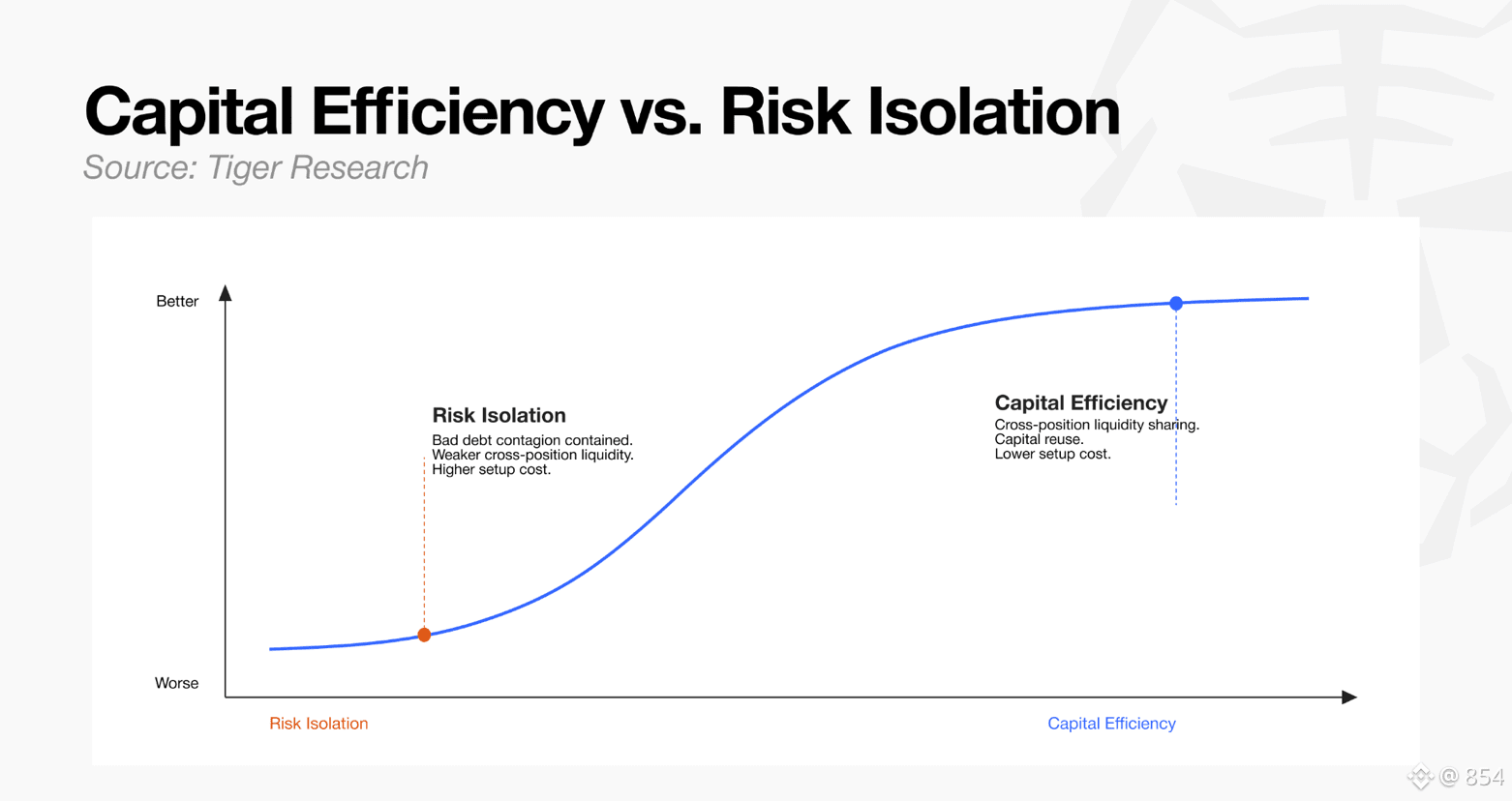
@TermMax's mechanism does isolate risk very thoroughly, but it also shifts the settlement costs onto passive capital providers who are seeking stability.
You deposit USDC to buy FT—you originally wanted to lock it to maturity for a fixed yield. But once a systemic liquidity drain happens in the market, when the borrower defaults, FT holders may be forced to take over on the secondary market at a low price. The originally “steady” 8% yield can instantly turn into a buyout trade.
Even more troublesome is its maturity liquidity fragmentation. Similar to Uniswap V3's Range Orders, each maturity date chops up part of the depth. If FT holders want to exit early, they’re likely to face severe slippage caused by liquidity being too thin.
Fixed interest rates sound great, but if the secondary-market exit depth can’t keep up, ordinary capital providers still remain at an information disadvantage when facing the maturity game. To truly attract a large amount of conservative capital, relying only on mathematical autonomy isn’t enough—the true make-or-break is the thickness of liquidity on exit.
Which aspect of fixed interest rates do you care about most? Feel free to discuss.
#TermMax #TXM
@TermMax's mechanism does isolate risk very thoroughly, but it also shifts the settlement costs onto passive capital providers who are seeking stability.
You deposit USDC to buy FT—you originally wanted to lock it to maturity for a fixed yield. But once a systemic liquidity drain happens in the market, when the borrower defaults, FT holders may be forced to take over on the secondary market at a low price. The originally “steady” 8% yield can instantly turn into a buyout trade.
Even more troublesome is its maturity liquidity fragmentation. Similar to Uniswap V3's Range Orders, each maturity date chops up part of the depth. If FT holders want to exit early, they’re likely to face severe slippage caused by liquidity being too thin.
Fixed interest rates sound great, but if the secondary-market exit depth can’t keep up, ordinary capital providers still remain at an information disadvantage when facing the maturity game. To truly attract a large amount of conservative capital, relying only on mathematical autonomy isn’t enough—the true make-or-break is the thickness of liquidity on exit.
Which aspect of fixed interest rates do you care about most? Feel free to discuss.
#TermMax #TXM