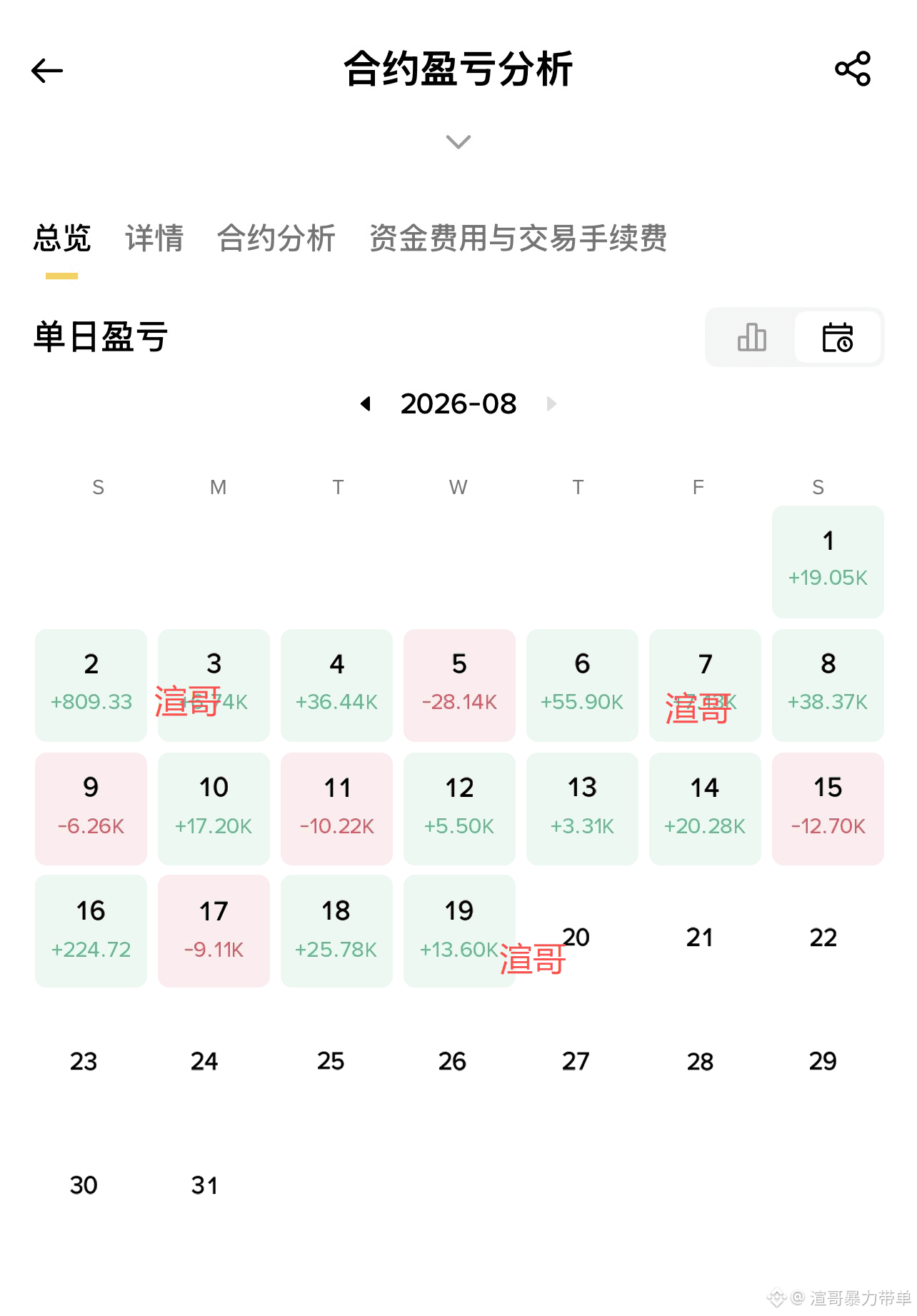
$BTC The root cause of losses in the crypto market is never the market trend.
Many people lose money and then say, "The whales are too ruthless," "The wicks are too precise," "The news is too chaotic." But if you carefully go through your own trade records, ask yourself: which big loss happened because the market "suddenly" reversed? Which one wasn’t caused by you failing to set a stop-loss, overleveraging, refusing to cut your position (holding and hoping), or chasing and selling at the wrong time? $MU
Market movement is just a catalyst. What really makes you lose is your own behavioral pattern.
Root cause one: No stop-loss.
Once you set a stop-loss, you can’t bear to leave. You think, "I can just hold on a bit—it’ll come back." After enduring it nine times, the tenth time wipes you out. You’re not losing because of the market—you’re losing because of luck and your unwillingness to accept a small loss. The market will make you pay with a big one.
Root cause two: Over-positioning.
Your direction may be right, but your position size is so heavy that you can’t survive a normal pullback. One ordinary fluctuation clears you out. So what if your direction is correct? When you’re gone, the market has nothing to do with your outcome anymore. You’re not losing because of your judgment—you’re losing because of your position size.
Root cause three: Frequent trading.
Open ten trades in a day. Fees and slippage first take a chunk out of you, and with stop-losses on top of that, your account steadily shrinks. You think you’re looking for opportunities, but actually you’re just working for the exchange. You’re not losing because of your win rate—you’re losing because of your trading frequency.
Root cause four: Emotion-driven trading.
When you lose, you rush to get it back—over-positioning, refusing to cut,乱 chasing—and the more you mess with it, the worse it gets. When you win, you can’t bear to leave, thinking it can go higher, and you give all your profit back. Your emotions are placing the orders for you. Trades made on emotion can’t beat the odds of a coin toss.
How to change?
For the stop-loss problem, solve it with "set the entry order with a hard stop tied down." For the over-positioning problem, solve it with a "2% maximum loss limit." For frequent trading, solve it with "no more than one trade per day." For emotion-driven trading, solve it with "write the plan before the market opens, execute only during the session."
The market was never your enemy. Your enemy is the hesitation in you before setting a stop-loss, the greed in you when your position is too large, the itch to trade when you’re trading too often, and the impulsiveness in you when you’re emotion-driven.
Controlling yourself matters a hundred times more than being right about the market.
If you want to follow my strategy for making money, pay attention to me at @渲哥暴力带单 and come chat with me. I have top-tier strategic thinking, focusing on futures/derivatives trading, helping you realign the rhythm of your losses.
#宇树科技上市首日涨629%
Many people lose money and then say, "The whales are too ruthless," "The wicks are too precise," "The news is too chaotic." But if you carefully go through your own trade records, ask yourself: which big loss happened because the market "suddenly" reversed? Which one wasn’t caused by you failing to set a stop-loss, overleveraging, refusing to cut your position (holding and hoping), or chasing and selling at the wrong time? $MU
Market movement is just a catalyst. What really makes you lose is your own behavioral pattern.
Root cause one: No stop-loss.
Once you set a stop-loss, you can’t bear to leave. You think, "I can just hold on a bit—it’ll come back." After enduring it nine times, the tenth time wipes you out. You’re not losing because of the market—you’re losing because of luck and your unwillingness to accept a small loss. The market will make you pay with a big one.
Root cause two: Over-positioning.
Your direction may be right, but your position size is so heavy that you can’t survive a normal pullback. One ordinary fluctuation clears you out. So what if your direction is correct? When you’re gone, the market has nothing to do with your outcome anymore. You’re not losing because of your judgment—you’re losing because of your position size.
Root cause three: Frequent trading.
Open ten trades in a day. Fees and slippage first take a chunk out of you, and with stop-losses on top of that, your account steadily shrinks. You think you’re looking for opportunities, but actually you’re just working for the exchange. You’re not losing because of your win rate—you’re losing because of your trading frequency.
Root cause four: Emotion-driven trading.
When you lose, you rush to get it back—over-positioning, refusing to cut,乱 chasing—and the more you mess with it, the worse it gets. When you win, you can’t bear to leave, thinking it can go higher, and you give all your profit back. Your emotions are placing the orders for you. Trades made on emotion can’t beat the odds of a coin toss.
How to change?
For the stop-loss problem, solve it with "set the entry order with a hard stop tied down." For the over-positioning problem, solve it with a "2% maximum loss limit." For frequent trading, solve it with "no more than one trade per day." For emotion-driven trading, solve it with "write the plan before the market opens, execute only during the session."
The market was never your enemy. Your enemy is the hesitation in you before setting a stop-loss, the greed in you when your position is too large, the itch to trade when you’re trading too often, and the impulsiveness in you when you’re emotion-driven.
Controlling yourself matters a hundred times more than being right about the market.
If you want to follow my strategy for making money, pay attention to me at @渲哥暴力带单 and come chat with me. I have top-tier strategic thinking, focusing on futures/derivatives trading, helping you realign the rhythm of your losses.
#宇树科技上市首日涨629%