


Stock trading—just look at research reports from the Golden Qilin analysts: authoritative, professional, timely, and comprehensive—helping you uncover potential themed opportunities!
(Source: Huatai Securities Research Institute)
China’s cross-border apparel e-commerce has rapidly benefited from the advantages of industrial clusters and the quick rise of global online channels. In recent years, it has further strengthened capabilities in a flexible supply chain, localized fulfillment, digitalization, and brand operations, using data to organize global supply and demand. Led by companies such as SHEIN, industry leaders have built a large-scale automated small-order fast-return (LATR) system, creating deep barriers to entry. With the cancellation or tightening of tax-exempt policies for low-value parcels in the US and Europe, competitive factors have been reshuffled, placing greater demands on integrated strengths such as brand accumulation and local fulfillment. Industry leaders are also moving toward platform-enabled empowerment and multi-region deployment. We are optimistic that Chinese leaders with end-to-end supply-demand closed-loop capabilities will continue to expand their share in global markets.
The global apparel and footwear market is worth trillions of dollars, and there is still significant room for improvement in online penetration.
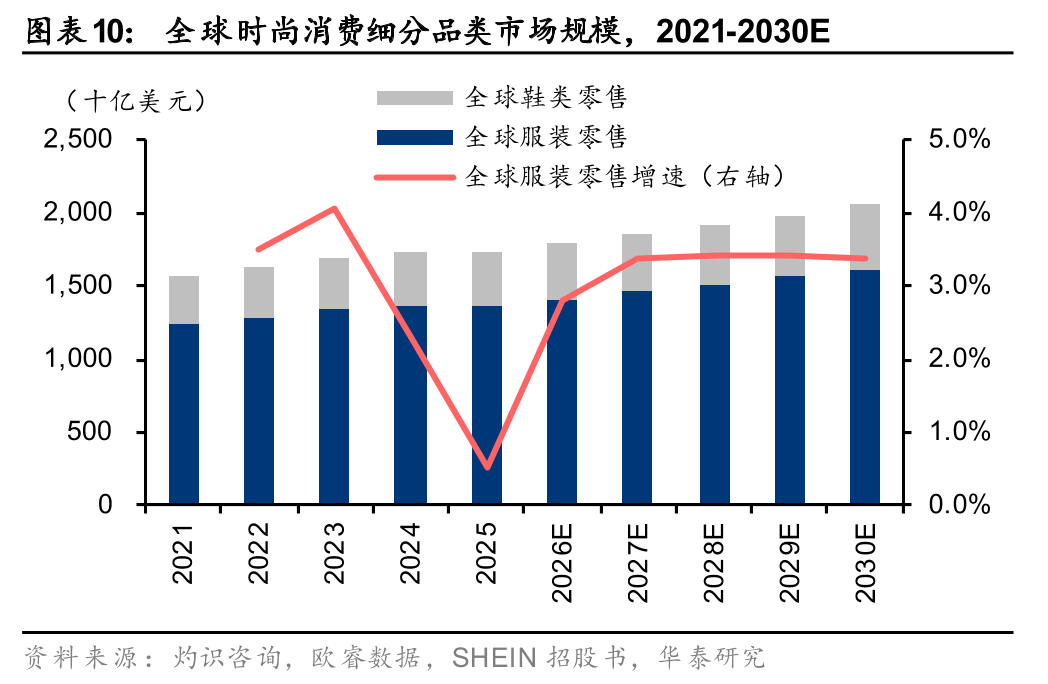
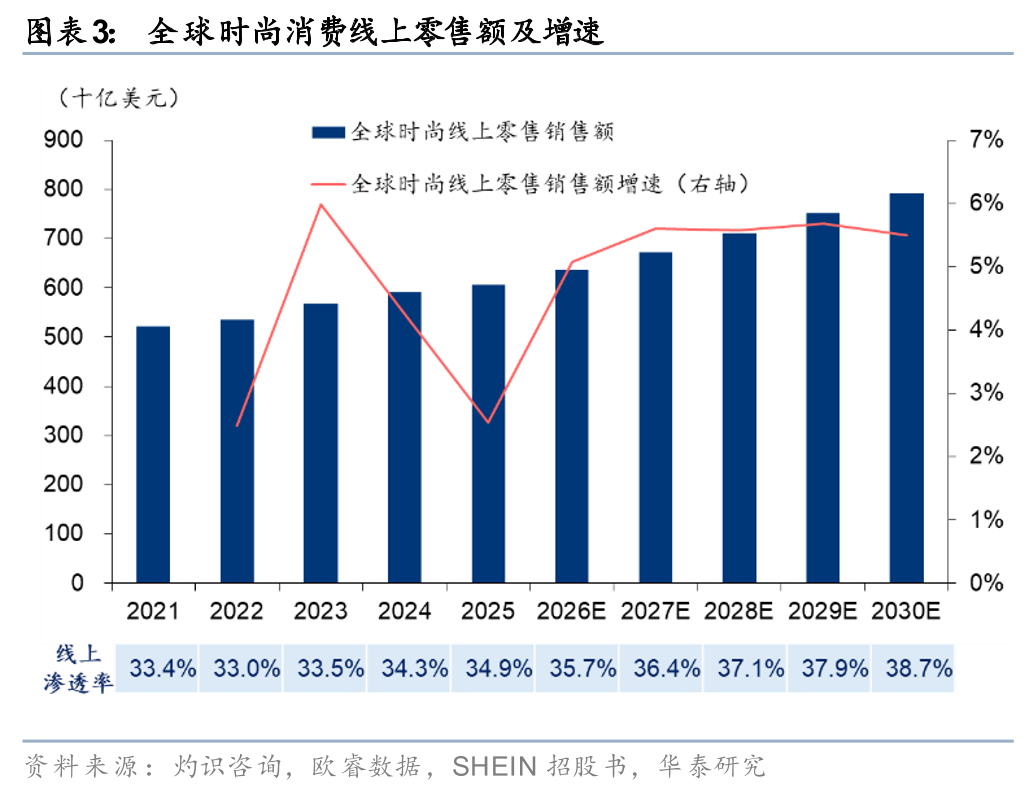
The diverse and rapidly evolving demand for apparel allows China's industrial clusters to fully leverage their flexibility and responsiveness. In 2025, my country's cross-border e-commerce exports of apparel reached 762 billion yuan, a year-on-year increase of 17%, maintaining its position as the largest category of cross-border e-commerce exports at 33.4%. According to CIC and Euromonitor, global apparel and footwear retail sales will grow at a CAGR of 2.7% from 2021 to 2025, reaching $1.7 trillion, and are projected to reach $2 trillion by 2030, with a CAGR of 3.4%. Online retail sales reached $606.4 billion in 2025, with a penetration rate of 34.9%, and are projected to reach $792.1 billion by 2030, with a CAGR of 5.4%. Regionally, Asia Pacific, North America, and Western Europe have the highest online penetration rates, reaching 34%, 38%, and 32% respectively in 2025, while Latin America, the Middle East, and Africa are below 20%. With the deepening of online platform fulfillment and operational capabilities and accelerated regional diversification, penetration rates are expected to continue to increase.
Breaking through the "three difficulties" of the fashion apparel industry, China's leading companies win with "intelligence" and rely on "speed" to succeed.
The fashion apparel industry has long faced the dilemma of balancing rapid product launches, product variety, and turnover efficiency. In cross-border models, the supply chain is even longer, and regional differences are significant, further increasing the complexity. We believe that the competitive advantage of leading Chinese companies lies not only in their flexible supply chains, but also in the mechanisms shaped by small-order testing, sales tracking and automated C2M feedback, digital coordination of small and medium-sized production capacity, and global fulfillment networks. This requires a massive user sample, long-term accumulation of self-developed systems, and simultaneous convergence of logistics economies of scale, creating a self-reinforcing flywheel once established. For example, SHEIN's prospectus discloses that its unsold inventory ratio is less than 5% (compared to 20-30% in the industry), and its inventory days over 25 years are only 36 days (compared to over 120 days for traditional apparel retailers), demonstrating a clear advantage in turnover efficiency.
Compliance is reshaping the competitive landscape; system export, branding, and localization are key factors in determining success or failure.
Over the past 25 years, the US and Europe have successively canceled or tightened their tax-free policies for small parcels. Looking ahead to the future trends of cross-border apparel: 1) System output: Exporting full-chain automation capabilities, such as SHEIN opening its supply chain and sales network to third-party brands, with participating brands achieving an average sales growth of 190% in the first year; 2) Branding: Providing style anchors with its own brand matrix to drive repeat purchases and premium pricing; 3) Deepening localization: Overseas warehouses have changed from optional to mandatory, with large-scale local distribution centers and regional fulfillment infrastructure helping to improve efficiency and reduce costs.
A different perspective from the market
Market concerns that tightened tax-free policies for low-value parcels in Europe and the US may erode the cost advantage of Chinese apparel cross-border e-commerce. We believe there will be some cost disruptions for some companies in the short term, but leading Chinese companies have already built an end-to-end supply-demand closed loop encompassing demand insight, flexible production, inventory management, and global fulfillment, creating a strong competitive advantage. Furthermore, compliance costs will primarily impact SMEs with inefficient supply chains and limited economies of scale, while leading companies with digitalized supply chains, closed-loop user data systems, and global fulfillment capabilities are expected to increase their market share.
Investment Conclusion
China's leading cross-border e-commerce companies in the apparel industry have strong barriers to entry in areas such as flexible supply chains, data loops, and global fulfillment. As the global apparel and footwear market moves towards online, compliant, and localized operations, we are optimistic that leading companies with end-to-end closed-loop capabilities and scale advantages will win in the long run.
Risk Warning: Changes in trade policies, global macroeconomic fluctuations, intensified market competition, and changes in platform rules. The information regarding unlisted or uncovered stocks mentioned in this research report is a compilation of objective information and does not constitute a recommendation or coverage of the company or stock by the team.
The global trillion-dollar apparel and footwear market is undergoing a supply restructuring. Leveraging China's complete apparel industry clusters, digital supply chain transformation, and a decade of experience in cross-border channels, Chinese apparel cross-border e-commerce companies have achieved a leapfrog upgrade from traffic-driven product distribution and low-price output to data-driven global supply and demand matching, establishing a unique efficiency barrier in the global fashion retail competition. With the complete elimination or tightening of tax-free policies for low-value parcels in the US and Europe, and the intensive implementation of trade compliance regulations in various countries, the underlying competitive elements of the industry are being reshuffled. The survival space for small and medium-sized sellers with low supply chain efficiency and insufficient economies of scale continues to shrink. Leading companies with end-to-end flexible supply chains, global localized fulfillment, and the ability to operate their own brands are expected to consolidate market share, with clear long-term growth potential.
On the demand side: Global cross-border e-commerce for apparel is entering a new phase, with online transformation and China's supply chain advantages driving long-term growth.
The global apparel and footwear market has exceeded one trillion US dollars, with the demand for aesthetics, evolving shopping habits, and improved supply efficiency driving steady growth. According to data from Frost & Sullivan and Euromonitor, the global apparel and footwear retail market size is estimated at approximately 1.7 trillion US dollars in 2025 and is projected to reach approximately 2 trillion US dollars by 2030. Online apparel and footwear retail sales are projected at approximately 606.4 billion US dollars in 2025 and 792.1 billion US dollars by 2030, with online penetration increasing from 34.9% to 38.7%. Demand is driven by consumers' increasing demand for high-quality, affordable products, a wide variety of SKUs, and rapid new product launches. Apparel naturally features numerous styles, short product lifecycles, and fluctuating demand. Traditional brands, relying on quarterly forecasts and bulk purchasing, struggle to simultaneously meet the requirements of variety, speed of new product launches, and price. Cross-border e-commerce, by directly reaching consumers through the internet, can overcome the geographical and shelf limitations of traditional channels. Taking SHEIN as an example, the company's active customers increased from 186 million to 273 million between 2023 and 2025, a CAGR of approximately 21%; during the same period, order volume increased from 715 million to 1.078 billion, and revenue reached US$41.85 billion in 2025. We believe that the steady growth in global apparel consumption, coupled with the trends of online shopping and consumer segmentation, provides a foundation for Chinese apparel companies to further increase their global market share.
On the supply side: the competitive advantage has shifted from solely manufacturing costs to end-to-end organizational capabilities encompassing "data + flexible production capacity + contract fulfillment".
The apparel industry has long faced a triple dilemma: balancing rapid new product launches, product variety, and turnover efficiency. The more diverse the styles and the faster the new product launches, the higher the forecasting errors and inventory risks. While traditional mass production can reduce unit costs, it struggles to adapt to rapidly changing fashion demands. The breakthrough for leading Chinese cross-border apparel companies lies in leveraging industrial clusters and digital capabilities to shift production from predictive inventory preparation to small-batch, rapid-return production based on testing, feedback, and replenishment. The LTR (Latest-to-Trend) model, exemplified by SHEIN, typically uses 100-200 pieces as the initial test order, using real-time sales feedback to determine subsequent production. Bestselling items can be replenished in as little as 5 days, directly feeding consumer demand back to the manufacturing end. The result is inventory efficiency that surpasses traditional fast-fashion companies: in 2025, SHEIN's inventory turnover days were only 36 days, significantly lower than the over 120 days of traditional apparel retailers (36Kr); unsold inventory was also kept below 5%, significantly lower than the industry average of 20%-30%.
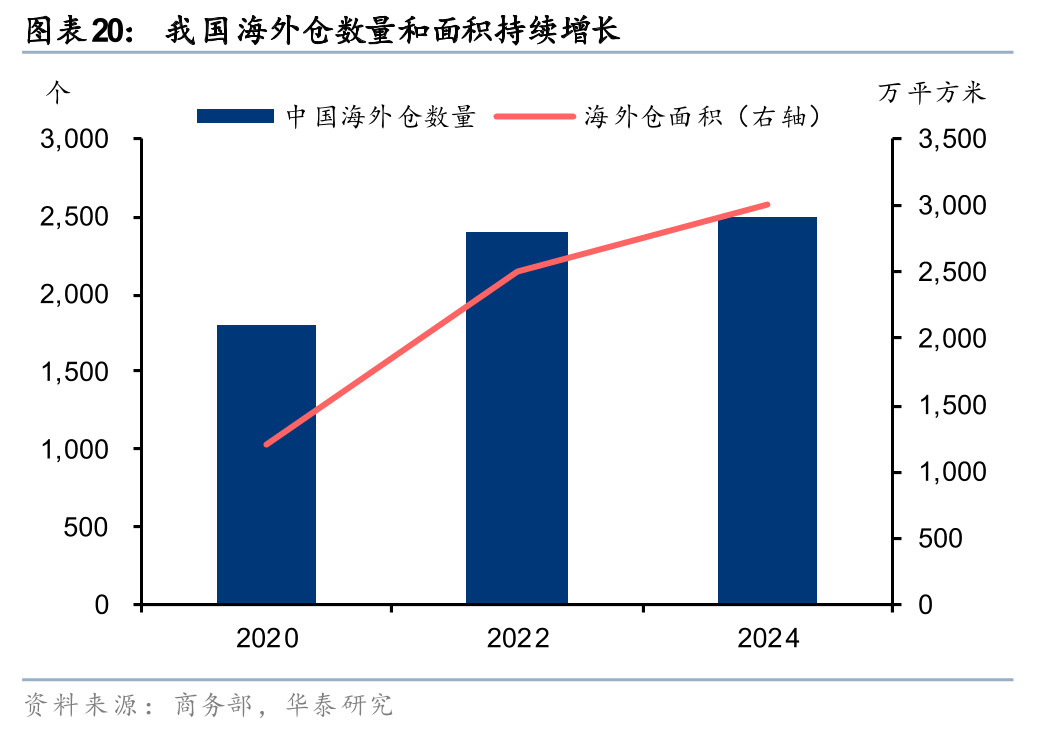
my country's flexible supply chain is currently evolving towards greater intelligence and globalization. On the one hand, AI is being increasingly used for demand forecasting, product design, recommendations, and supply chain management. On the other hand, overseas warehouses and local fulfillment networks are expanding rapidly. The number of overseas warehouses in my country has increased from 1,800 in 2020 to over 2,500 by mid-2024, and the area has increased from 12 million square meters to over 30 million square meters. As tax-free policies for low-value parcels in Europe and the United States tighten, the value of flexible supply chains is shifting from supporting low-cost direct shipping to precise stocking and global inventory turnover. Companies with strong supply chain, digitalization, and local fulfillment capabilities are more likely to gain a long-term advantage.
Business Model: Upgrading from "Selling Goods" to "Organizing Global Supply and Demand"
In its early stages, China's cross-border e-commerce in the apparel industry primarily relied on third-party platforms or independent websites, rapidly acquiring overseas consumers through traffic acquisition and low-priced goods. As traffic costs rose and platform competition intensified, the business model gradually shifted towards directly controlling consumer data and feeding that data back to design, procurement, production, and replenishment. SHEIN started with a DTC (Direct-to-Consumer) self-operated model, accumulating global user behavior data through its app, website, and social media. Building on this, it further opened its Marketplace, introducing third-party brands and merchants, and empowering them through supply chain, consumer insights, logistics fulfillment, and marketing capabilities. SHEIN's revenue from its marketplace services increased from 2.7% in 2023 to 14.3% in Q1 2026, indicating a business model expanding from single-product retail to a "product + platform services" model. The 1P (Product, Brand, Supply Chain) model strengthens control over products, brands, and the supply chain, while the 3P (Product, Brand, Supply Chain) model reduces the burden of new SKUs on inventory and procurement funds, and expands revenue streams through platform commissions, warehousing, and logistics services. For leading companies, the real barrier is no longer a single sales channel, but rather the ability to organize consumers, brands, suppliers, logistics, and the platform ecosystem into an efficient supply and demand network.
Our difference from the market:
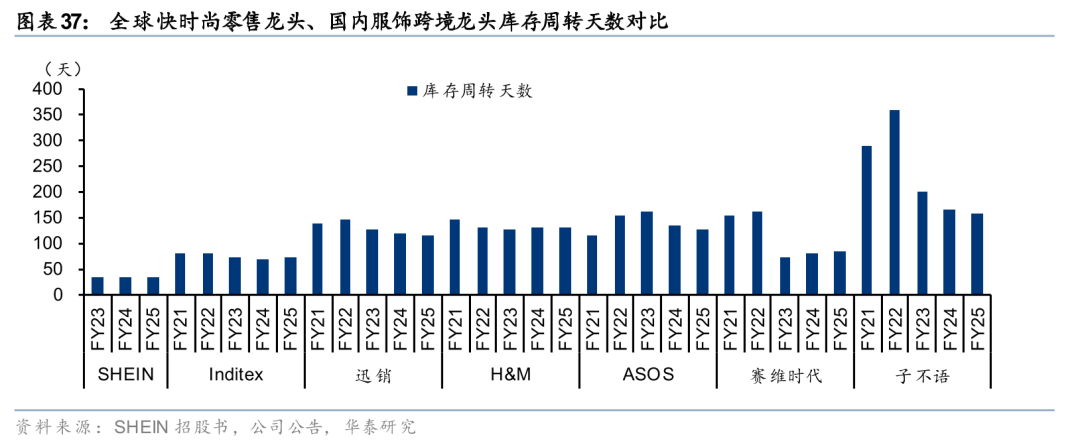
The market is generally focused on the impact of tightened low-value parcel policies in Europe and the US on the low-price advantage of Chinese apparel cross-border e-commerce. However, we believe that the fading of policy benefits does not equate to a weakening of the competitiveness of leading Chinese companies. On the contrary, it is expected to help shift industry competition from price advantages to systemic capabilities, accelerate industry consolidation, and benefit the concentration of competition among leading companies. The market's current main concern is that after the US and Europe cancel or tighten tax-free policies for low-value parcels, the tariffs and compliance costs of cross-border direct mail models will increase, thereby compressing the price advantage and profit margins of Chinese apparel cross-border e-commerce. We believe that policy changes will bring some cost increases in the short term, but after years of accumulation, leading Chinese companies have gradually evolved their competitive advantages from a single manufacturing cost advantage to an end-to-end supply and demand closed loop covering demand insights, product development, flexible production, inventory management, user operations, and global fulfillment. Taking SHEIN as an example, it captures real-time demand through massive consumer data, quickly transmits demand to suppliers through small-order testing and automatic replenishment, controls inventory risk through a digital supply chain, and gradually extends to overseas warehouses and local fulfillment. In 2025, SHEIN's inventory turnover days were only 36 days, significantly lower than Inditex, Fast Retailing, ASOS, and H&M's 72/114/128/130 days, indicating that its core advantage has evolved from "selling cheaply" to more accurately knowing what consumers need and organizing production and fulfillment with lower inventory and faster speed.
We believe that rising tariffs, compliance, and overseas fulfillment costs will significantly raise the barriers to entry for the industry. Small and medium-sized enterprises (SMEs) that previously relied on low-price product distribution, traffic acquisition, and tax-free benefits lack economies of scale and supply chain integration capabilities, making it difficult to absorb the increased costs. The profit model for some low-priced SKUs may be directly disrupted. Meanwhile, leading platforms can leverage large-scale procurement, digital supply chains, and global fulfillment networks to amortize the increased costs and expand supply through overseas warehouses, local fulfillment, and platformization. Therefore, while policy changes may suppress overall industry profit margins in the short term, they are expected to drive the exit of small and medium-sized sellers and the concentration of high-quality supply on leading platforms in the medium to long term. Industry competition will shift from simple price comparisons to a contest of supply chain and global operational capabilities, with leading companies poised to further increase their market share.
Overview of Cross-Border E-commerce in the Apparel Industry: A Trillion-Dollar Market Enters a New Stage of Development
The global apparel and footwear industry, worth trillions of dollars, still has significant room for growth in online sales.
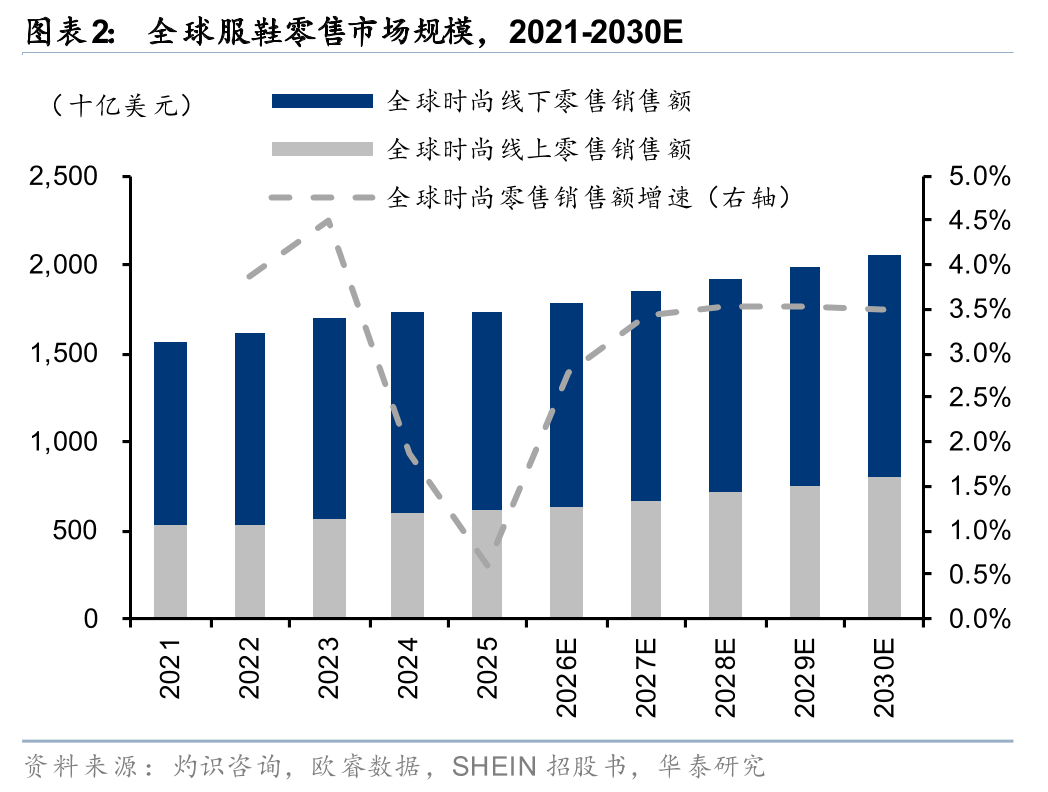
The global apparel and footwear market has exceeded one trillion US dollars, with the demand for aesthetics, evolving shopping habits, and improved supply efficiency driving steady growth. According to data from Frost & Sullivan and Euromonitor, global apparel and footwear retail sales will grow at a CAGR of 2.7% from 2021 to 2025 to reach 1.7 trillion US dollars, maintaining steady growth, and are expected to reach 2 trillion US dollars by 2030, with a CAGR of 3.4%.
By channel, offline remains the primary source of global apparel and footwear consumption, while online channels continue to penetrate the market due to evolving user habits, mobile payments, social media recommendations, and mature global fulfillment processes. Offline channels hold significant value in brand display, try-on experiences, instant purchasing, and local services, while online channels more efficiently cater to diverse and long-tail demands through content reach, search recommendations, and user feedback. According to data from Frost & Sullivan and Euromonitor, online retail sales continue to grow faster than the overall market, increasing to $606.4 billion from 2021-2025 at a CAGR of 3.8%, with its share rising from 33.4% to 34.9%, maintaining its penetration rate even amidst the post-pandemic recovery of offline retail. It is projected that online footwear and apparel retail sales will reach $792.1 billion from 2025-30, with a CAGR of 5.4% during this period, and its share increasing to 38.7%.
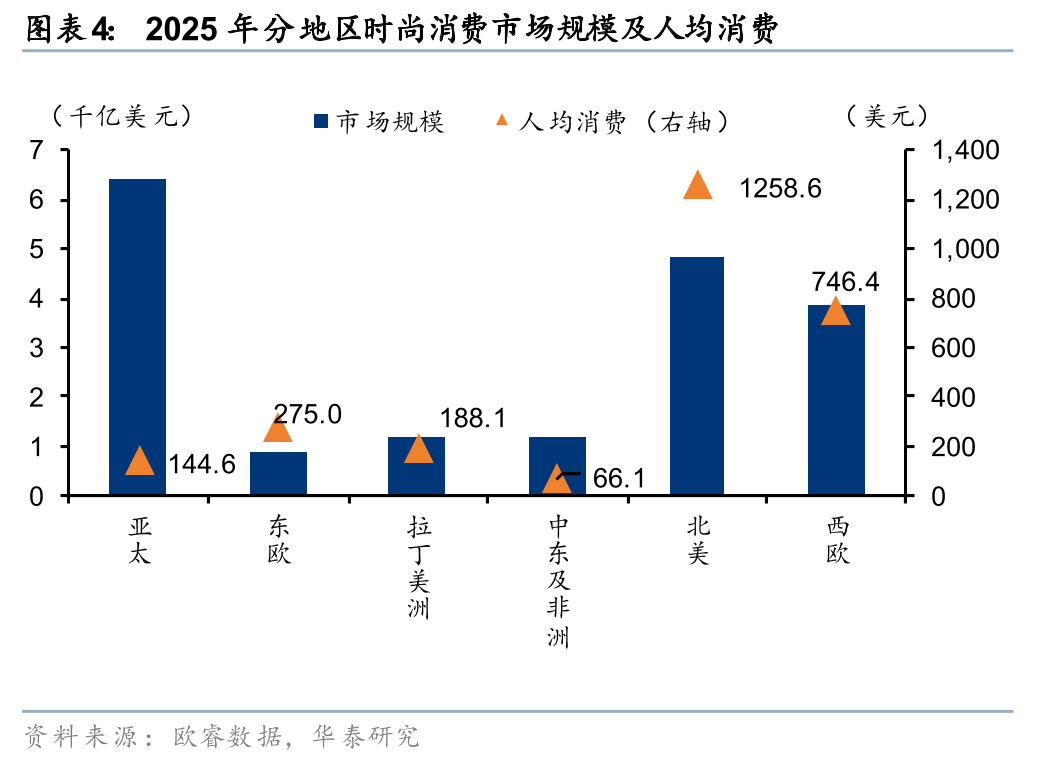
Regionally, global apparel and footwear consumption is highly concentrated, with Asia Pacific and Europe/America holding the majority share. 1) Market Size: According to Euromonitor data, in 2025, the Asia Pacific/North America/Western Europe markets will account for 37%/28%/22% of the global apparel and footwear consumption market, respectively, maintaining relatively stable size between 2021 and 2025. Eastern Europe, Latin America, the Middle East, and Africa will see relatively higher growth rates. North America and Western Europe have a significant ARPU advantage, with per capita spending reaching $1,259/$746 respectively in 2025, making them suitable for mid-to-high-end cross-border apparel brands to focus on. The overall per capita spending in Eastern Europe/Latin America/Asia Pacific is around $200, while the Middle East and Africa have a per capita spending of only $66.1. 2) Online Penetration Rate: Asia Pacific/North America/Eastern Europe/Western Europe lead, reaching 34%/38%/44%/32% respectively in 2025. Asia Pacific's online penetration rate is mainly due to the economies of scale resulting from its higher population density, while North America and Europe benefit from leading retail digitalization innovations. In Latin America, the Middle East, and Africa, online penetration is generally low due to limitations in digital infrastructure and consumer habits, leaving considerable room for cultivating online consumption habits.
Competitive landscape: Market share is fragmented, with online traffic being the primary driver of growth; increasing traffic concentration may be a trend.
The global footwear and apparel retail market has long been fragmented. The "trilemma" of the apparel industry (the difficulty of simultaneously achieving rapid product launches, product variety, and turnover efficiency) limits the ability of traditional apparel companies to replicate their scale across regions and styles. This is also a major reason why individual companies struggle to achieve a high global market share, resulting in a relatively fragmented market structure. According to Euromonitor data, the top five global footwear and apparel retailers (CR5) are projected to account for less than 10% (by group) from 2016 to 2025, with Nike, Adidas, and Inditex (Zara's parent company) maintaining a relatively stable top-three position. SHEIN has seen rapid market share growth since 2019 and is expected to enter the top five global footwear and apparel retailers by 2024.
Chinese cross-border e-commerce platforms have become one of the most significant contributors to the redistribution of online market share. According to IPC, China's share of global cross-border online shopping goods increased by 7 percentage points in 2023 and 3 percentage points in 2024, primarily driven by Temu and SHEIN. Specifically, Temu's share of surveyed consumers' most recent cross-border orders rose from 7% in 2023 to 21% in 2024, and is projected to further reach 24% in 2025, on par with Amazon. Meanwhile, the market share of cross-border orders for Wish, eBay, and AliExpress declined by 95%, 68%, and 33% respectively compared to 2018. These new platforms not only expanded the demand for cross-border online shopping but also continued to absorb user share from traditional cross-border platforms. According to ECDB, by 2025, SHEIN and Temu were already among the top ten global retailers by GMV in Europe, the Americas, Australia & Oceania, and Africa.
China's supply chain scale advantage provides a foundation for platforms to expand across regions. According to ECDB estimates, China's cross-border e-commerce export GMV will reach approximately US$250.1 billion in 2025, more than 12 times that of any other single export market within its statistical scope. In the US cross-border e-commerce market, SHEIN and Temu have GMVs of approximately US$24.3 billion and US$22.6 billion respectively, already achieving a similar leading scale. In terms of product structure, fashion items account for 78%, 41%, 24%, and 8% of the GMV on SHEIN, Temu, AliExpress, and Amazon platforms, respectively, highlighting the strength of Chinese platforms in high-SKU, highly price-sensitive categories such as apparel. We believe that Chinese cross-border e-commerce platforms integrate scattered domestic manufacturers, long-tail styles, and flexible production capacity into a digital supply chain targeting global consumers, thereby lowering the barriers for small-scale suppliers to reach consumers across regions.
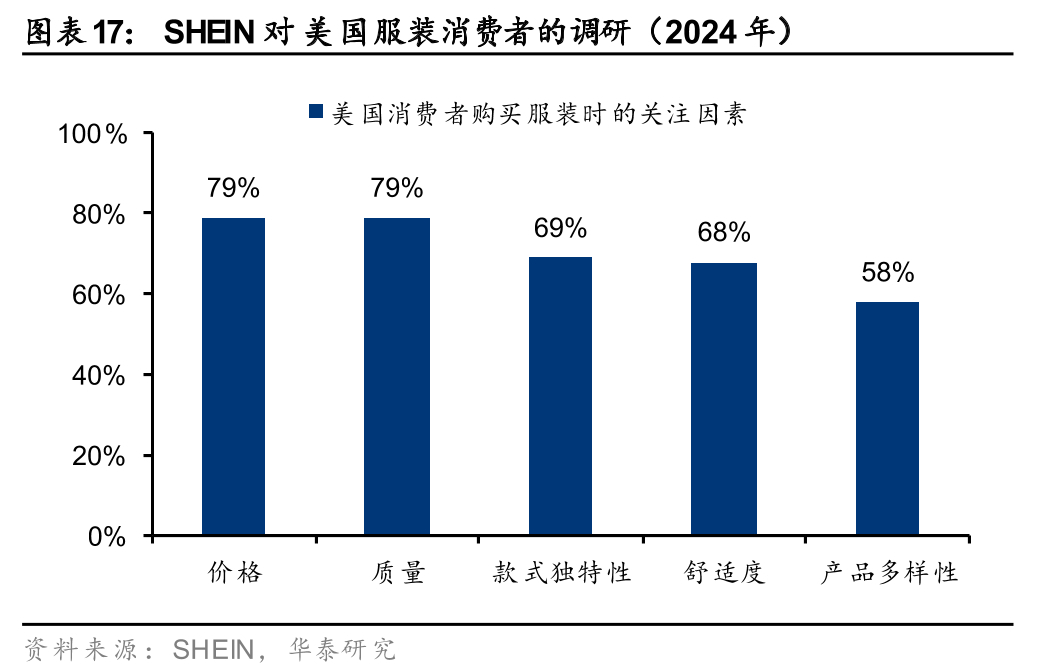
Price competitiveness, product variety, and efficient digital matching are the main drivers for Chinese platforms to acquire customers overseas. A European Central Bank survey in April 2026 showed that over half of Eurozone respondents had used Chinese e-commerce platforms, with usage rates exceeding 70% in Greece, Portugal, and Spain. Low prices and a wide variety of goods are the main reasons consumers choose Chinese platforms, with clothing, home goods, and electronics being the most commonly purchased categories. Nearly two-thirds of orders were under €25, and approximately 90% were under €50, indicating that Chinese platforms initially established an advantage in high-frequency, low-priced, and fragmented product offerings. Similar characteristics are observed in traffic: Similarweb data shows that in Q2 2024, SHEIN accounted for approximately 20% of global visits to affordable fashion websites, about 5 percentage points higher than the second-ranked site. Chinese platforms have thus achieved a positive cycle of expanded supply breadth → increased user traffic → positive sales feedback → further supply expansion.
Platform concentration and brand fragmentation are likely to coexist for a long time, with the focus of industry competition shifting from the power of individual brands to the efficiency of platform-based organizations. Online platforms haven't changed the fundamental nature of apparel demand—its non-standard nature and rapidly changing styles—but they can improve the matching efficiency between long-tail products and consumer needs through rapid feedback from the sales end and a flexible supply chain. We believe this model alleviates the traditional contradiction between a rich product selection, rapid new product launches, and inventory efficiency by managing long-tail SKUs through large-scale testing and rapid feedback. The future concentration of global apparel competition will likely be more reflected in the leading platforms' concentration of traffic, data, and supply chain organizational capabilities.
Why apparel? — A preferred category for Chinese consumer goods going global.
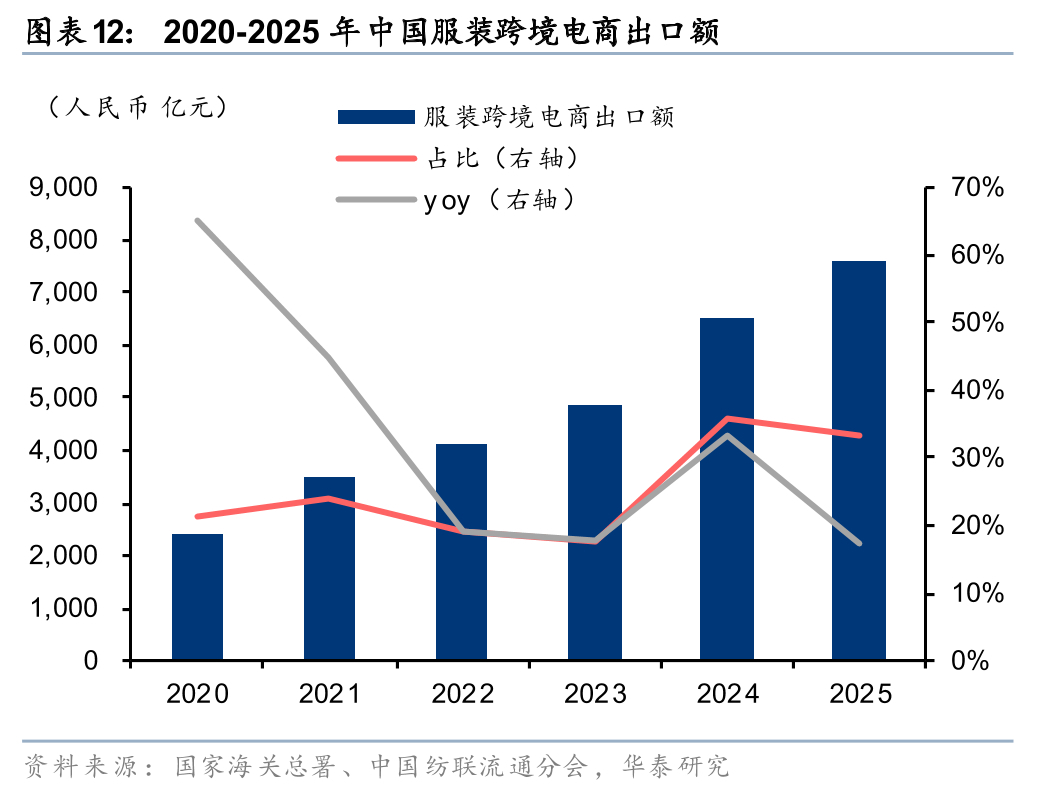
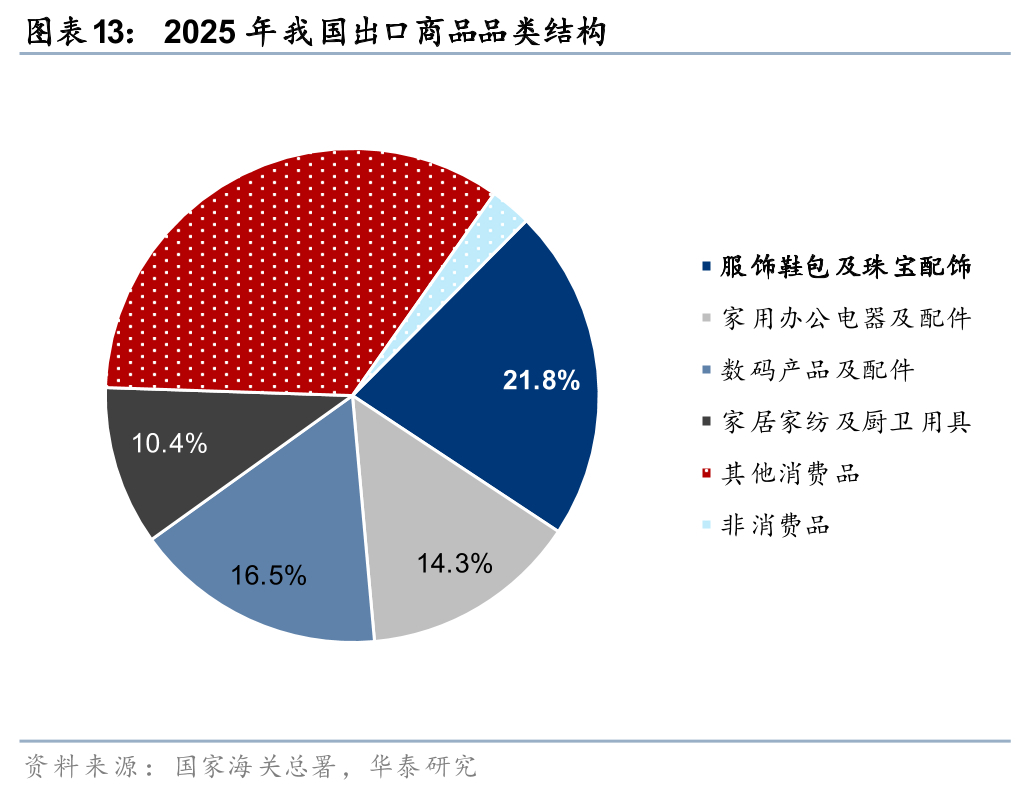
Apparel is the largest category of cross-border e-commerce exports, boasting a vast market space and significant potential. The apparel and footwear sector is large enough and continues to grow steadily, providing considerable market opportunities for fashion cross-border e-commerce focused on apparel. According to the China National Textile and Apparel Council (based on data from the General Administration of Customs), in 2025, the export value of apparel through cross-border e-commerce reached 762 billion yuan (vs. China's total cross-border e-commerce exports of 2.27 trillion yuan), a year-on-year increase of 17%, with its share rising from 21.4% in 2020 to 33.4% in 2025. Data from the General Administration of Customs also shows that in 2025, apparel, footwear, bags, and jewelry accounted for 21.8% of exported goods, firmly establishing apparel as the largest category of my country's cross-border e-commerce exports.
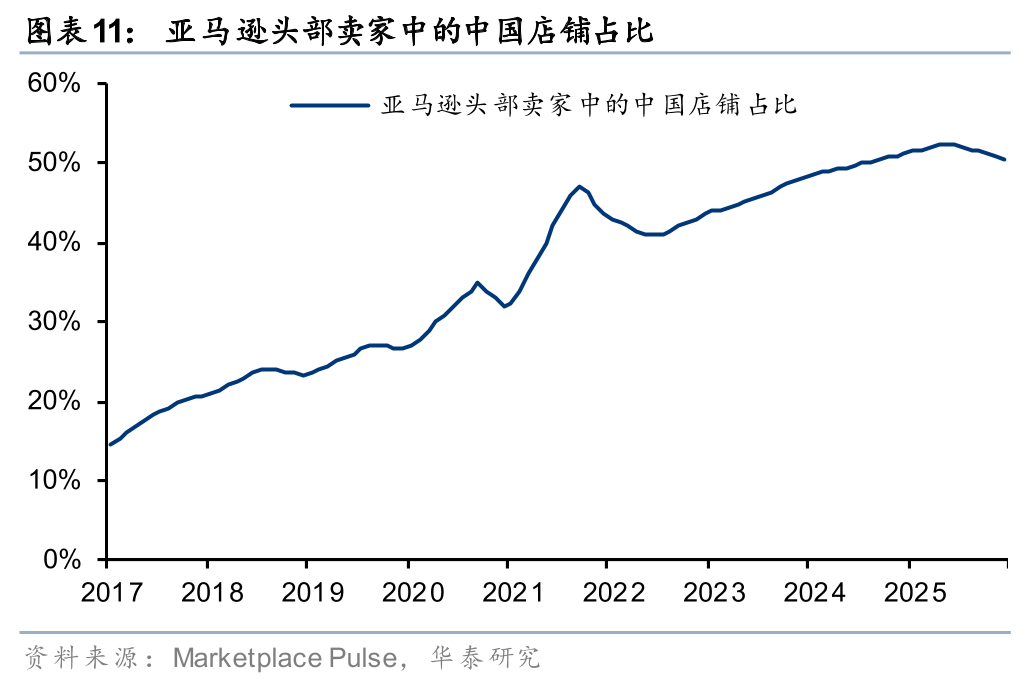
The advantages of industrial clusters support Chinese apparel companies in accelerating their global channel penetration. After years of development, China's apparel industry has formed a complete industrial chain and highly concentrated industrial clusters, encompassing fabrics, accessories, design, production, and logistics. This provides companies with strong cost control capabilities, translating into a competitive advantage in cross-border e-commerce channels. For example, Marketplace Pulse data shows that the proportion of Chinese sellers among Amazon's global active sellers has increased from less than 20% in 2017 to 50% in 2025. We expect a similar trend in the apparel category, with Chinese sellers leveraging the advantages of industrial clusters to continuously increase their channel share.
As a form of fashion consumption, apparel naturally possesses the characteristics of diversified and rapidly iterating demands, highlighting the pain points of traditional models. This is especially true for fast fashion apparel, which offers high-value products at low prices and experiences rapid trend changes. Under the traditional apparel retail model, offering a wide variety of SKUs means a higher risk of inventory depreciation and is also constrained by rigid costs such as store space, seasonal ordering, and store rent, making it difficult to achieve the goals of "more, faster, better, and cheaper" products.
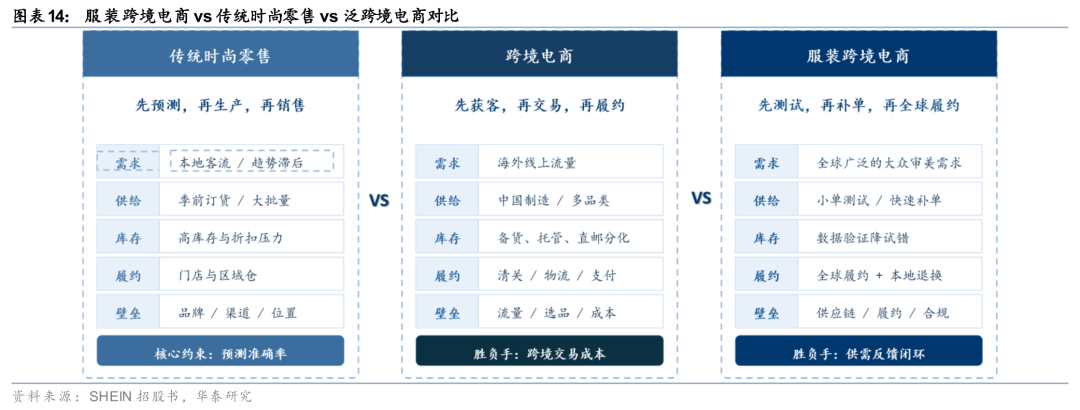
Cross-border e-commerce for apparel: Based on supply chain efficiency, it began with channel advantages and policy benefits, and matured through a closed-loop supply chain. The core of China's apparel industry's leapfrog export development through the direct-to-consumer (2C) cross-border e-commerce model lies in:
1) China’s large-scale garment industry clusters have forged a globally leading agile supply chain; for example, SHEIN and LDK Solar rely on the Pearl River Delta-centered industry cluster, with Panyu, Foshan, Zhongshan, Dongguan, Jiangmen and Zhaoqing cities and counties respectively undertaking rapid response factories and nearby supporting extensions.
2) With the development of China's e-commerce industry leading the world, domestic enterprises seized the dividends of online channels earlier and took the lead in developing strategies to adapt to platform algorithms, online supply and demand matching, content e-commerce, and influencer marketing.
3) In terms of specific timing, we seized the tax-free policy dividend for overseas small parcels, developed a direct mail model with low inventory risk, and gradually improved the full-process automation and local fulfillment capabilities of overseas warehouses during rapid development, establishing a closed-loop chain.
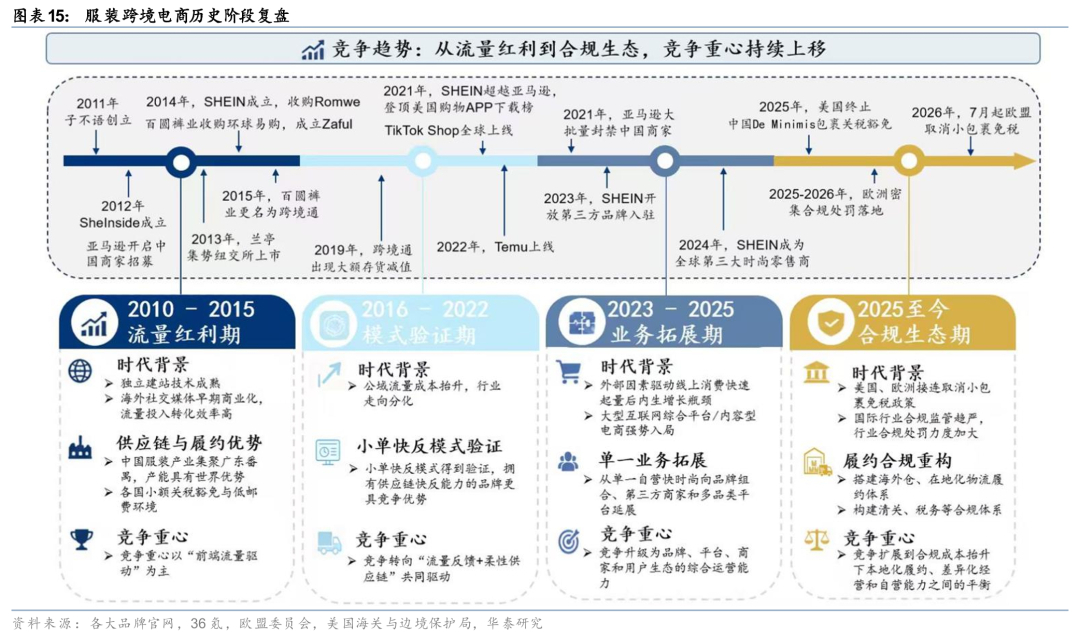
Development Retrospective: From Traffic Dividends to a Compliant Ecosystem, the Focus of Competition Continues to Shift Upwards
China's cross-border e-commerce for apparel has gone through four stages: online dividends, rapid supply chain operation, platform ecosystem expansion, and compliance restructuring. The focus of competition has gradually shifted from front-end traffic acquisition to supply chain efficiency, platform operation, and localization capabilities.
1) The first stage, 2010-2015, saw DTC website building and the benefits of public domain traffic drive the early validation of the Chinese apparel cross-border e-commerce model. Website building tools such as Shopify, Google search ads, and social media ads such as Facebook/Instagram lowered the barriers for Chinese sellers to directly reach overseas consumers. Independent websites, represented by LightInTheBox, Romwe, Zaful, and SHEIN, entered overseas markets one after another, evolving from the traditional foreign trade B2B model to the DTC model. The focus of competition in this stage was on traffic acquisition, page conversion, product selection efficiency, and cross-border parcel fulfillment. The industry was still mainly driven by "front-end traffic".
2) In the second phase, from 2016 to 2022, rising traffic costs made rapid supply chain response crucial for achieving scalability. Increased public domain traffic costs put pressure on independent website models reliant on search and social media advertising. The industry shifted from buying traffic to selling goods to using data to organize supply, improving supply-demand matching efficiency through small-order testing and rapid reordering. SHEIN gradually established a large-scale automated small-order rapid reorder (LATR) model. The cross-border apparel e-commerce shifted from being driven by traffic dividends to being driven by a combination of "traffic feedback + flexible supply chain."
3) In the third phase, from 2023 to 2025, platform competition intensified, and cross-border e-commerce in the apparel industry expanded towards brand portfolios, third-party merchants, and multi-category platforms. In 2022, Temu entered the North American market, rapidly acquiring customers with its fully managed services, low prices, and comprehensive product offerings; TikTok Shop pioneered the interest-based e-commerce model. According to Momentum Works and Tabcut, TikTok Shop's global GMV reached $26.2 billion in the first half of 2025, doubling year-on-year. Cross-border e-commerce in the apparel industry diversified its channels, with leading independent websites like SHEIN expanding their reach through Marketplace, third-party brands, designer ecosystems, and lifestyle categories to increase user engagement, purchase frequency, and wallet share. SHEIN's marketplace service revenue increased from 2.7% in 2023 to 14.3% in Q1 2026. Industry competition escalated to a comprehensive operational capability encompassing brands, platforms, merchants, and user ecosystems.
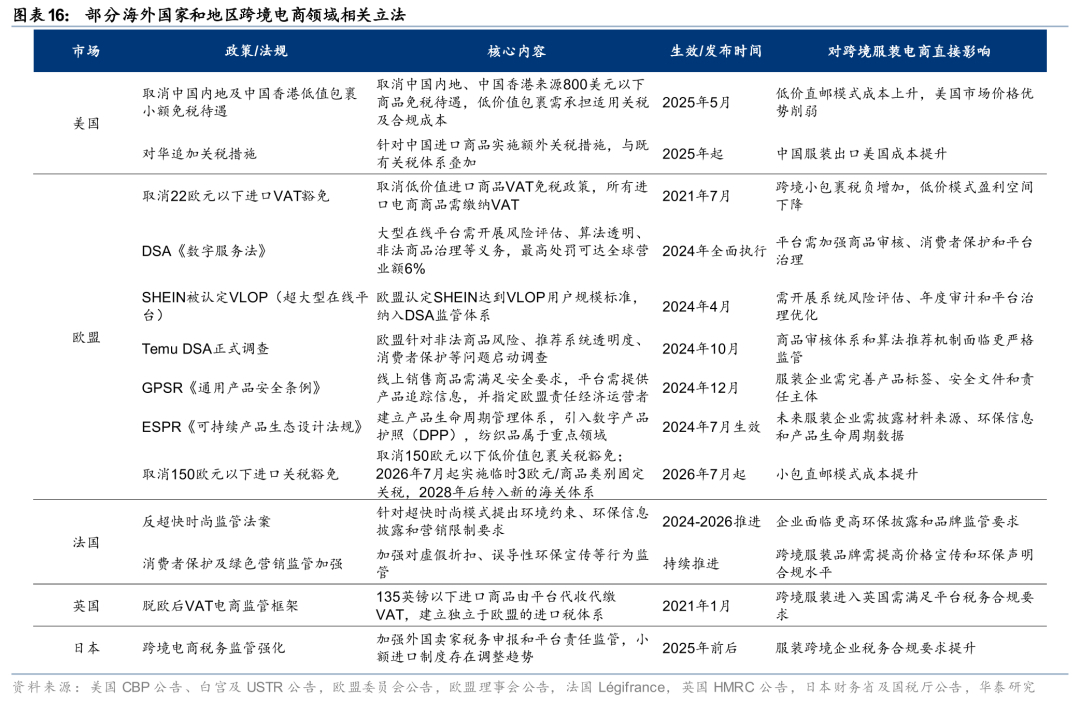
4) In the fourth stage, from 2025 to the present, the tightening of tax-free benefits for small parcels and the increase in compliance costs have posed a challenge to the localized fulfillment capabilities of cross-border e-commerce in the apparel industry. Since 2025, the tax-free policies for small parcels in the US and Europe have been tightened, impacting the portion of cross-border e-commerce in the apparel industry that relies on direct mail via small parcels. In these markets, the model of bypassing warehousing and distribution links and reducing inventory risks through direct mail via small parcels has been significantly challenged. Reducing customs clearance costs through overseas local warehouses has become crucial, and it has also raised the operational requirements for cross-border e-commerce companies in terms of customs clearance, taxation, warehousing and distribution, returns and exchanges, product safety, and consumer protection in the destination country. In the current stage, the competitive threshold in the industry has further extended from front-end traffic + back-end supply chain to a closed loop encompassing the entire chain, including local fulfillment infrastructure.
Brand building, technological innovation, and global operational capabilities drive the growth of cross-border e-commerce in the apparel industry.
After more than a decade of rapid development, cross-border e-commerce in the apparel industry is gradually entering a new phase centered on brand building, technological innovation, and global operational capabilities. The industry is evolving from a traffic-driven sales model to a comprehensive competitive model integrating brand, technology, supply chain, and global operations. Companies with strong capabilities in user insight, supply chain collaboration, and global resource allocation are expected to maintain a competitive edge.
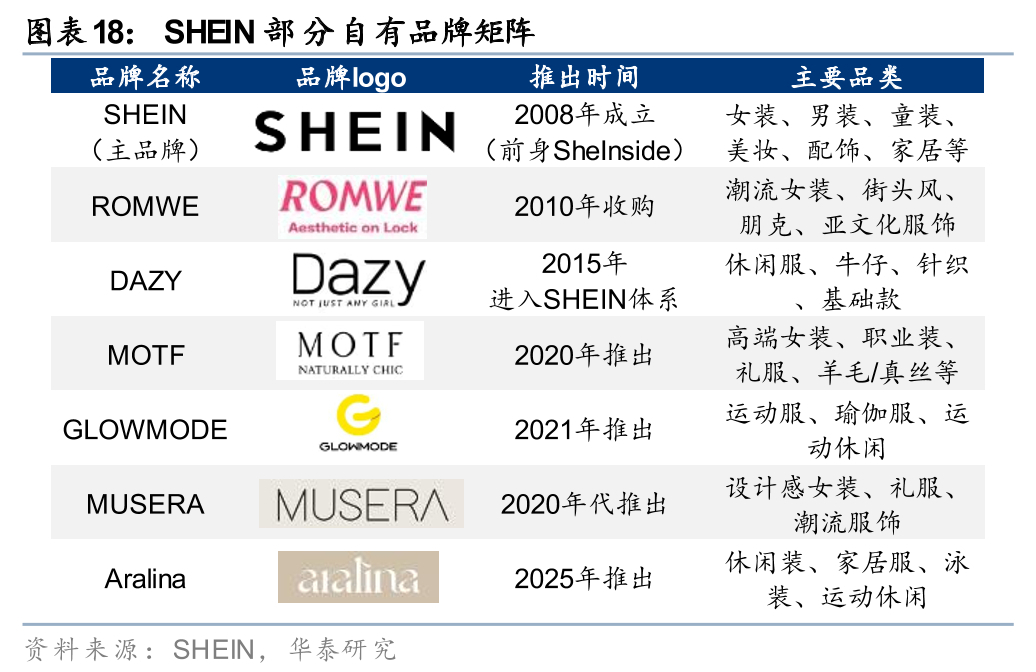
Trend 1: From Traffic-Driven to Brand-Driven Transformation – Apparel Cross-Border E-commerce Enters a Stage of Brand and Personalization Competition. Early development of apparel cross-border e-commerce relied heavily on overseas traffic dividends and China's supply chain advantages, achieving rapid expansion through low prices and a wide range of SKUs. However, with the continuous increase in global online traffic costs, stricter platform rules, and enhanced consumer brand awareness, the growth model relying solely on low prices and traffic acquisition is gradually facing bottlenecks. The cancellation or tightening of duty-free policies for small parcels in Europe and the US has also significantly challenged the cost model of low-priced products, making it more difficult to acquire and retain users through low prices. While cost-effectiveness remains a crucial battleground, product differentiation and brand building are inevitable trends. SHEIN provides differentiated products to consumers by establishing its own brands in multiple niche categories, using these brands to provide style anchors that facilitate consumer recall and repeat purchases.
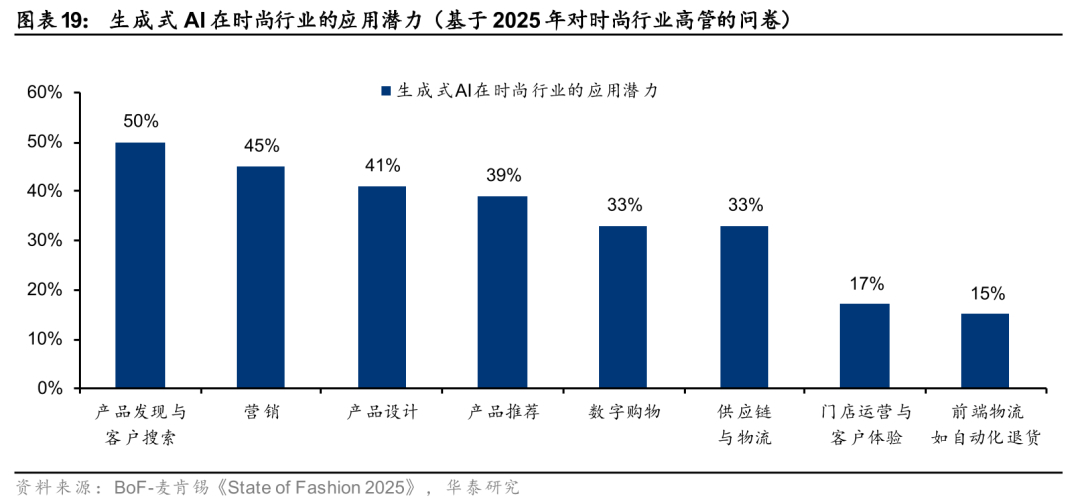
Trend Two: Continuous Innovation on the Supply Side, with AI Driving Efficiency Improvements in Flexible Supply Chains. According to McKinsey's 2023 estimates, generative AI will contribute $150-275 billion in incremental operating profit to the apparel, fashion, and luxury goods industry within 3-5 years, primarily from improved design efficiency, marketing optimization, and enhanced supply chain and inventory management. Taking Xiyin as an example, the company continuously analyzes global consumer behavior data through AI algorithms to more quickly capture segmented market demands and guide its design team in developing new products, achieving prediction of blockbuster products and supporting its large-scale automated small-batch rapid response model.
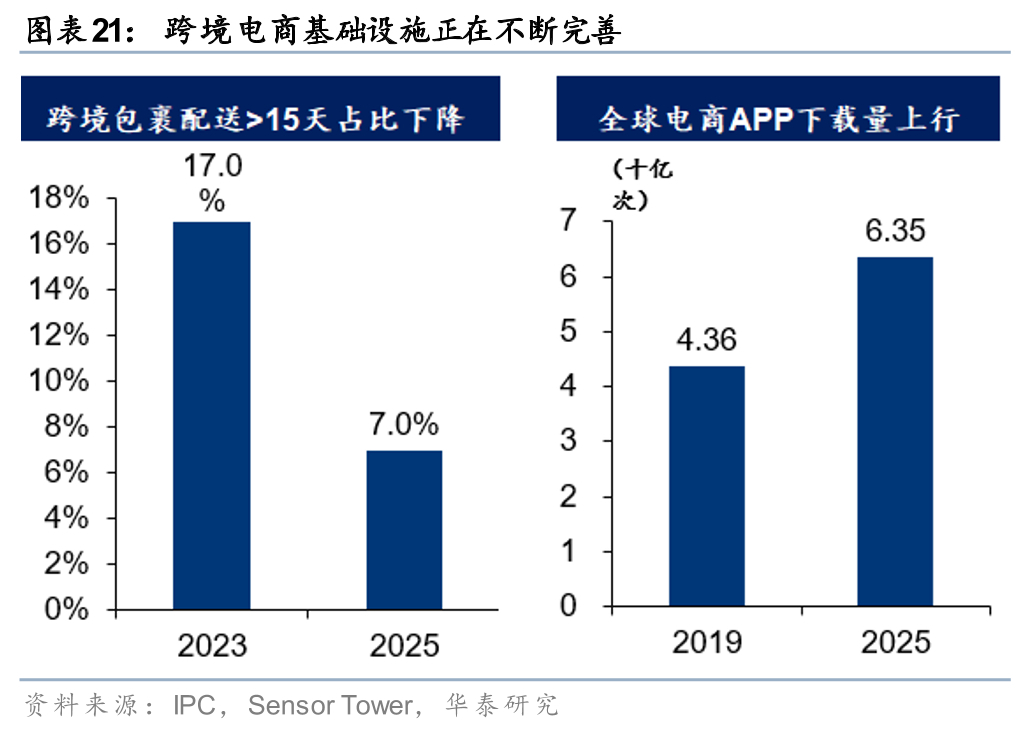
Trend Three: Improved Cross-Border Fulfillment Efficiency and Deepened Localized Operational Capabilities. According to IPC, the proportion of cross-border parcels with delivery times exceeding 15 days will decrease from 29% in 2020 to 7% in 2025. According to data from the Ministry of Commerce, the number of overseas warehouses in my country will increase from 1,800 in 2020 (total area of 12 million square meters) to over 2,500 in mid-2024 (total area of over 30 million square meters), of which over 1,800 are dedicated to serving cross-border e-commerce (total area of over 22 million square meters). We believe that improved cross-border parcel delivery times and the expansion of overseas warehouse networks will continue to reduce the uncertainty of cross-border transactions, enabling platforms to more stably translate product variety and price competitiveness into order growth.
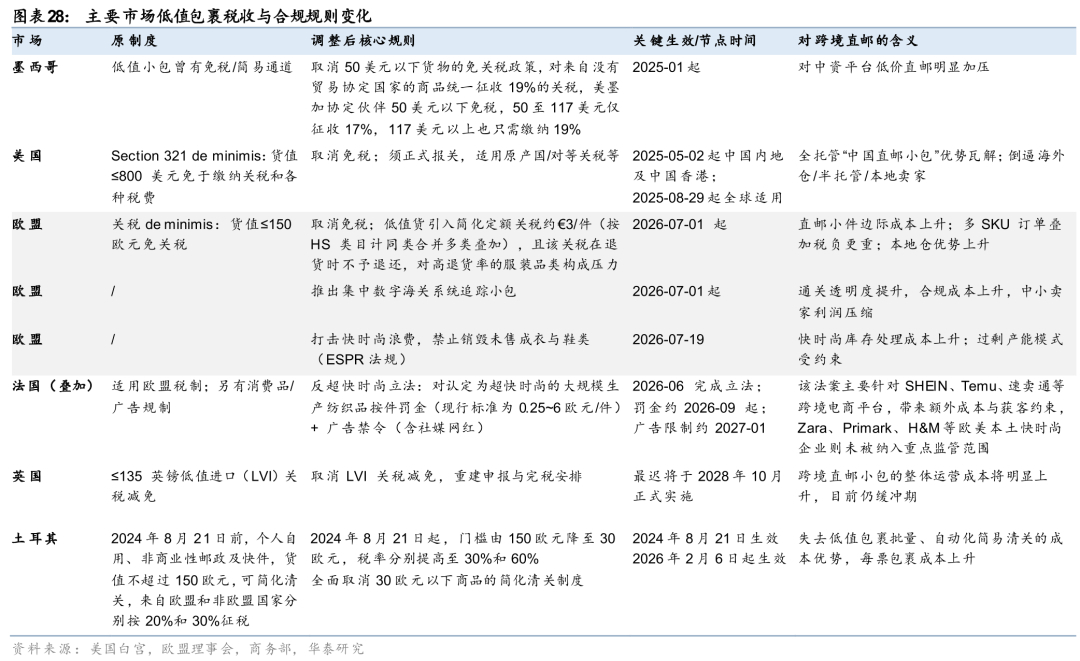
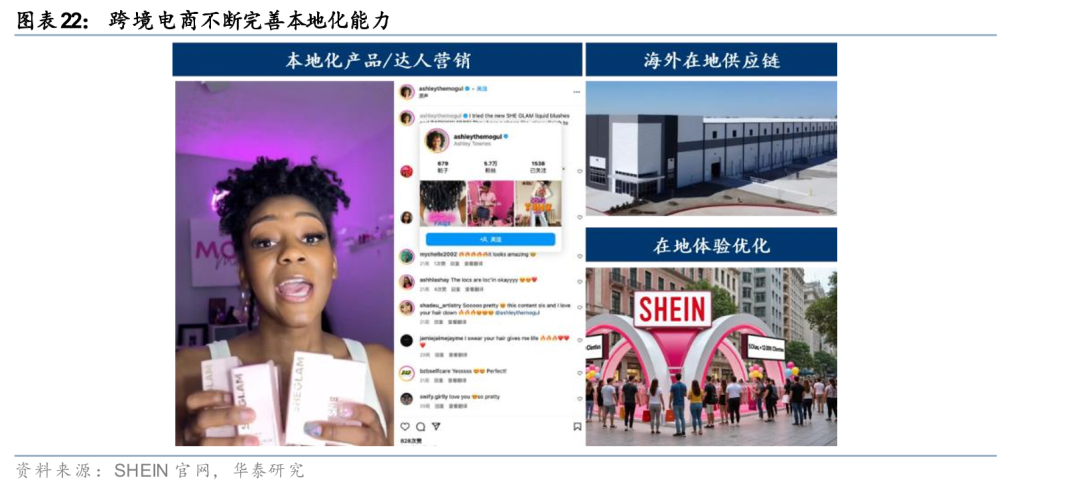
Building local operational capabilities is driving cross-border e-commerce in the apparel industry from simply generating traffic to fostering repeat purchases. Apparel consumers have high requirements for returns, exchanges, and after-sales service. According to the National Retail Federation (NRF), the projected return rate for online sales in the US is 19.3% in 2025. Taking SHEIN as an example, the company has launched its Marketplace and opened up its platform to local sellers in Europe. Its marketplace service revenue increased from 2.7% in 2023 to 14.3% in Q1 2026. Its Polish logistics hub has announced plans to support sellers in Poland and Europe, benefiting over 170 local SMEs in logistics, operations, and on-site services. We believe that the growth in local operational capabilities is significant in improving the experience of returns, customer service, warehousing and logistics, and content collaboration, thus driving cross-border e-commerce in the apparel industry from simply generating traffic to fostering repeat purchases.
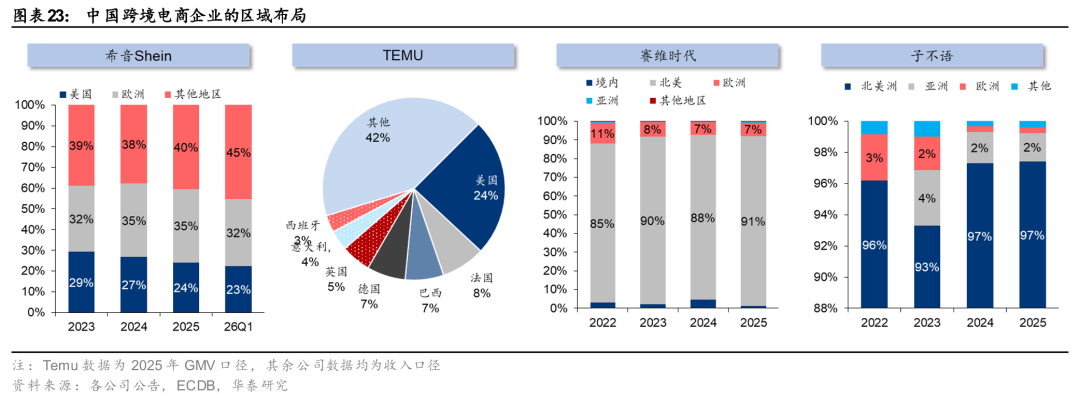
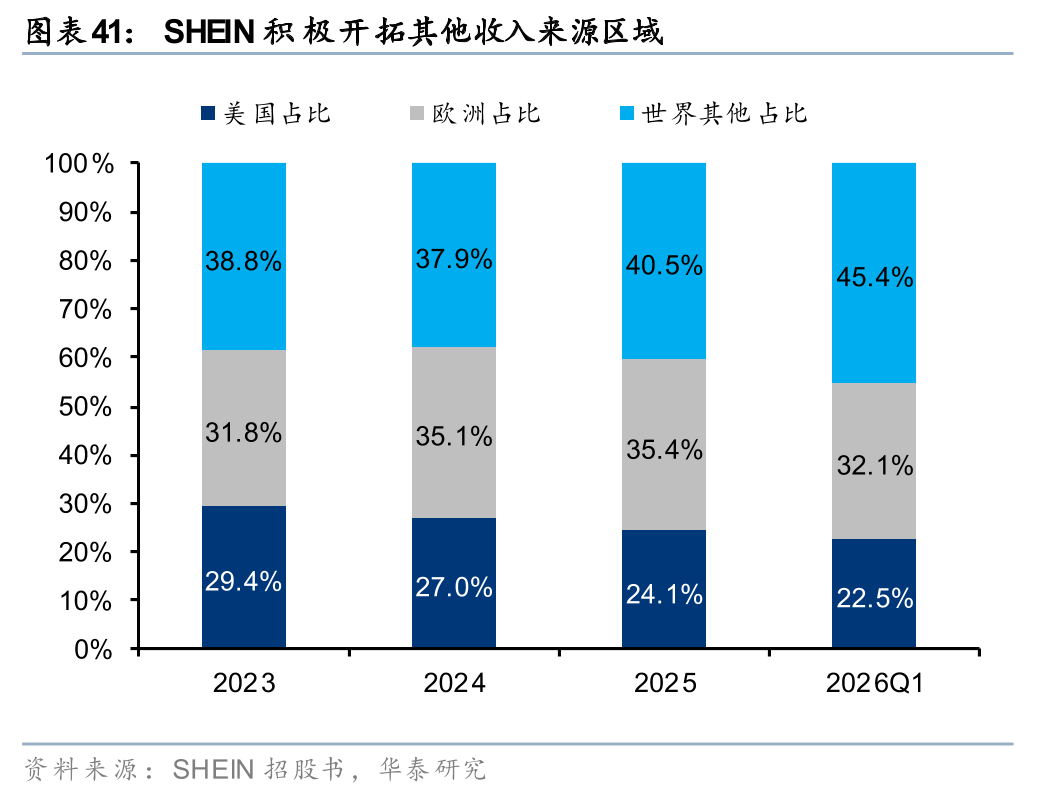
Trend Four: Accelerated Regional Diversification, Expanding from North America to the Global Market. In the early years, the growth of China's cross-border apparel e-commerce mainly relied on the US market. However, with intensified competition in the North American market, changes in trade policies, and stricter regulations, companies are accelerating their expansion into Europe and emerging markets. For example, companies like Xiyin and Temu are continuously increasing their investment in Japan, Southeast Asia, and the Middle East, achieving a more balanced regional layout. Xiyin's revenue from regions outside Europe and the US increased from 38.8% in 2023 to 45.4% in Q1 2026, an increase of 6.6 percentage points. Companies like LDK Solar and Zibuyu primarily rely on Amazon for their business, with a high proportion of revenue from the North American market. In recent years, they have also been expanding into markets such as Europe. Taking LDK Solar as an example, the company's European business had previously contracted due to the macroeconomic environment. In early 2024, LDK Solar rebuilt its European team, closely cooperating with Amazon's strategy to accelerate expansion in the European market, focusing on the UK and Germany. The Asian market is still in its early stages. In 2025, LDK Solar's revenue from European and Asian businesses increased by 21.5% and 127.1% year-on-year, respectively, achieving rapid growth.
Analysis of the Business Model of Cross-Border Apparel Trading: Winning with Intelligence, Speed is Paramount
A complete breakdown of the supply chain: Long chains bring operational challenges, but also create significant barriers to entry.
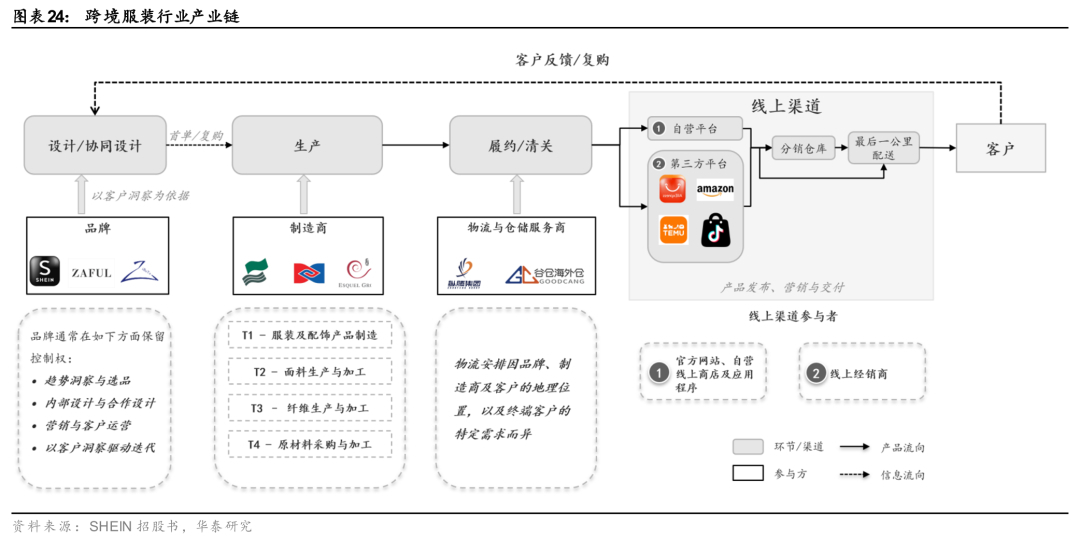
Cross-border e-commerce in the apparel industry encompasses four main stages: design, production, fulfillment, and distribution channels. Cross-border trade increases the complexity of the entire supply chain. 1) Cross-border apparel brands: Balancing source design and end-user demand insights. Cross-border apparel brands essentially straddle both ends of the supply chain, acting as efficient matchmakers between supply and demand. Brands need to promptly understand fashion trend changes, translate them into rapid design iterations, and provide feedback to factories via a C2M mechanism. They also need to be responsible for marketing campaigns. 2) Upstream manufacturing: Primarily handled by contract manufacturers within industrial clusters. Cross-border apparel brands typically do not own their own factories, or only have a few to gain upstream know-how for procurement negotiations. 3) Midstream fulfillment: In first-leg logistics, leading cross-border apparel brands typically export via sea freight and air freight. The former offers low-cost, high-volume shipments, allowing for smoothing cost fluctuations through direct customer contracts; the latter handles time-sensitive, high-margin products. In overseas warehousing, cross-border apparel brands typically utilize logistics services provided by overseas e-commerce platforms (such as Amazon's FBA) or build their own overseas warehouses to reduce costs and improve fulfillment timeliness. Last-mile logistics utilizes local express and postal service providers for final delivery.
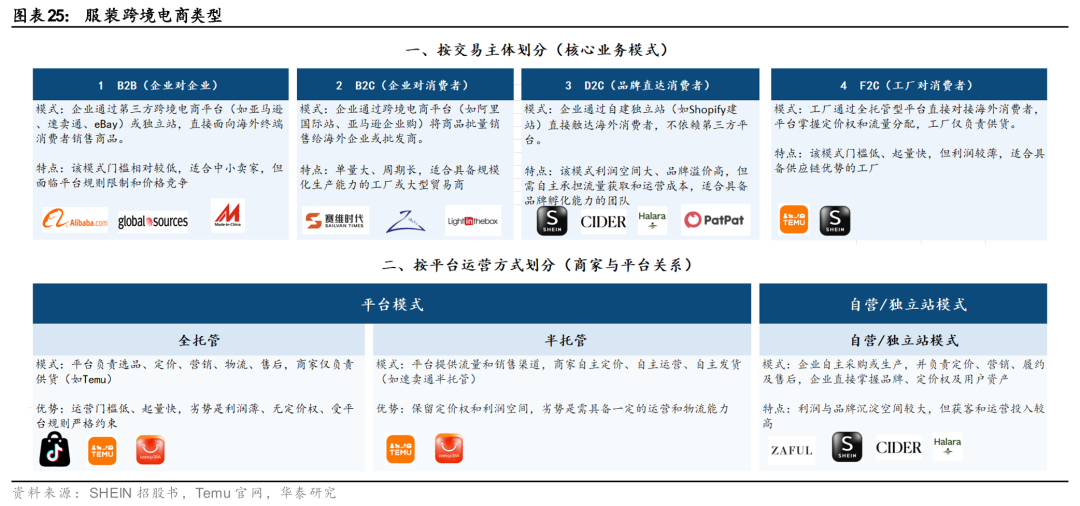
B2C and DTC models have become the two mainstream choices for the new generation of cross-border e-commerce in the apparel industry. Unlike traditional apparel exports, which primarily rely on overseas distributors for procurement, cross-border e-commerce directly reaches consumers, achieving direct and rapid matching of supply and demand. However, it also incurs platform commissions (or the operating costs of building its own platform), overseas marketing/warehousing/fulfillment costs, and more. Among these:
1) B2C Model: Reaching consumers through third-party e-commerce platforms like Amazon (such as Saiwei Times and Zibuyu), this model shortens the transaction chain, reduces markups compared to traditional distribution models, and offers consumers better value for money. Amazon and other third-party platforms provide traffic, transaction, and fulfillment infrastructure, allowing sellers to expand rapidly with lower upfront investment. However, it is easily affected by changes in third-party e-commerce platform policies (such as the 2021 Amazon account suspension wave and changes in platform commission rates), and lacks direct access to C-end consumer data, hindering the ability to quickly develop digital responses. As competition for traffic intensifies, the profit margins for sellers relying solely on product listings and advertising are narrowing. Product selection efficiency, inventory turnover, and brand ranking are becoming key differentiators, and market share is expected to further concentrate on leading sellers with product development and refined operational capabilities.
2) DTC/Independent Website Model: Building an independent website further streamlines intermediate links (represented by SHEIN), which helps reduce the markup rate across the entire chain. This model integrates functions such as customer acquisition, transactions, fulfillment, and after-sales service internally. In the short term, it requires higher investment in marketing, technology, and warehousing, and places higher demands on customer acquisition and end-to-end operational capabilities. However, it can directly accumulate consumer data and feed it back to design, procurement, production, and replenishment. In addition, it also helps companies further control brand, pricing, and user data, resulting in a higher long-term value ceiling. The self-operated model requires a heavier initial investment; however, after repurchase rates increase, turnover accelerates, and fulfillment costs decrease, channel control translates into improved profits and strong barriers to entry. SHEIN is based on its self-operated DTC business and is gradually expanding into third-party platform business.
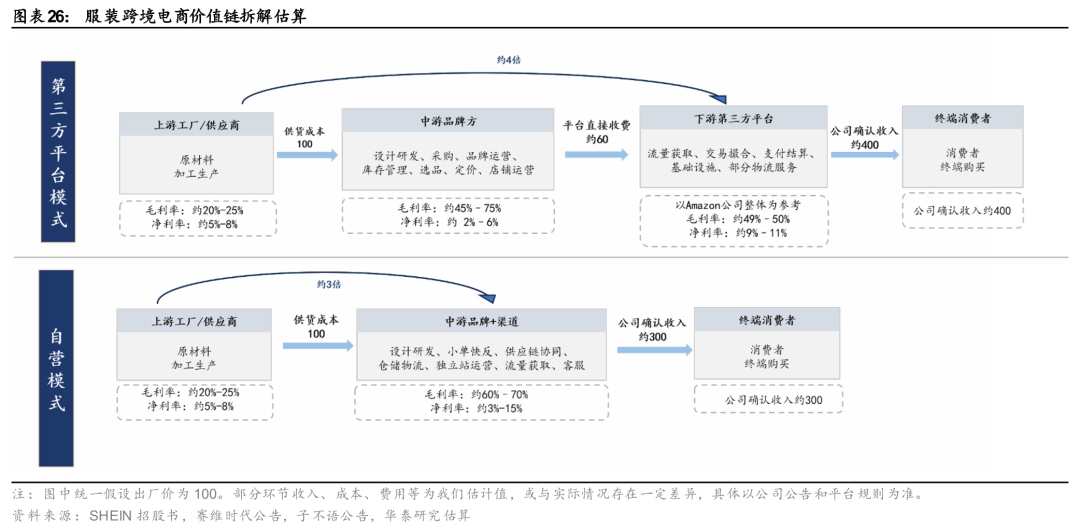
From an industry value chain perspective, midstream brands cover complex intermediate links with the highest gross profit margins, and their net profit is influenced by multiple factors. Looking at the apparel cross-border e-commerce industry chain: 1) Upstream supply is ample, and bargaining power is relatively low. OEM/ODM companies have gross profit margins of approximately 20-25%, but due to their strong overseas presence, order predictability is high after entering the supply chains of major apparel sellers, resulting in mid-to-high single-digit net profit margins. 2) Downstream e-commerce platforms have high concentration and strong bargaining power, with net profit margins reaching double digits (Amazon, etc.), the highest in the value chain. In recent years, Chinese cross-border e-commerce platforms such as Temu, TikTok Shop, and SHEIN have brought more competition to overseas markets, thus the commission rates charged by these platforms to cross-border apparel brands are dynamically adjusted in response to changes in the competitive landscape. 3) For midstream cross-border apparel brands, their gross profit margins are the highest in the entire chain, covering costs across multiple links such as design and development, procurement, brand operation, and inventory management. They are also easily affected by complex factors such as shipping costs, tariff policies, and changes in platform policies, resulting in relatively large fluctuations in profit margins. Among them, the net profit margin of leading cross-border apparel companies operating through third-party platforms can reach 2-6% (such as Saiwei Times and Zibuyu), while the net profit margin of leading fast fashion companies operating through a brand + channel self-operated model can reach 3-15% (such as Inditex).
Key pain points: Balancing new product launch speed, product variety, and inventory efficiency.
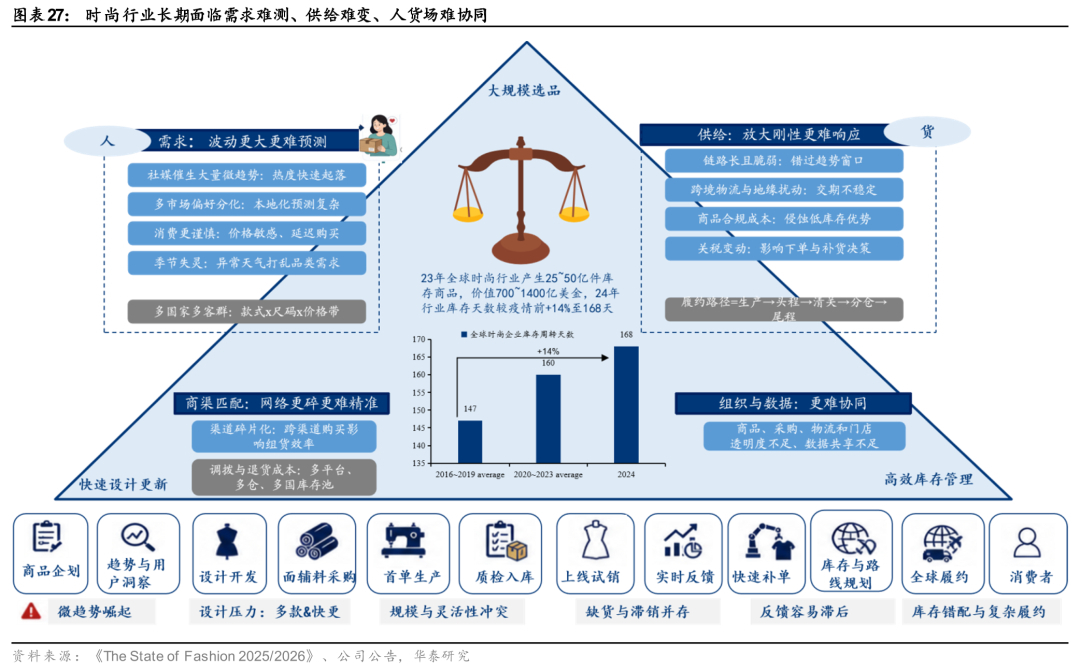
The fashion industry (mainly clothing and footwear) faces three major challenges: speed of new product launches, product richness, and turnover efficiency. Cross-border fast fashion is further complicated by more markets and SKUs, longer fulfillment chains, and more fragmented inventory pools.
1) Large-scale product selection: Fashion demands are diverse and rapidly changing, with a surge in the number of micro-trends. This makes demand signals faster, more fragmented, and more prone to reversal, making it difficult for traditional fashion brands to predict market demand. Companies need to provide a sufficiently wide range of styles, but it's difficult to accurately predict which styles will sell well before production. Incorrect product selection can easily lead to inventory backlog and discounted sales.
2) Rapid Design Updates: Trends have short lifecycles, requiring companies to continuously and frequently identify trends, plan products, design and develop new products, and launch new items. However, the more styles and the faster the updates, the higher the complexity of design collaboration and supply chain management.
3) Efficient Inventory Management: Large-volume stocking helps reduce unit costs, while small-volume stocking helps reduce inventory risk; it's difficult to achieve both simultaneously. Traditional apparel models typically rely on forecasting and large-volume production. Overproduction leads to unsold inventory, wasted stock, and losses from price reductions, while underproduction results in missed sales opportunities. Reasons for underproduction include on-time and sufficient supplier delivery rates, inaccurate forecasting, and incorrect sizing. McKinsey estimates that inaccurate sizing can lead to an average profit loss of up to 20%.
While some overseas fashion companies have implemented localized practices, they haven't yet changed the overall inventory predicament of the industry. Zara has long relied on short-cycle replenishment, ASOS proposed expanding its "test-response" process to over 20% of its private label brands in FY25, and Nike is experimenting with pre-sales and post-production through SNKRS Reserve. McKinsey estimates that in 2023, the global fashion industry's excess inventory sales value was approximately $70-140 billion, involving about 2.5-5 billion garments, and in 2024, the industry's inventory days were projected to increase by 14% to 168 days compared to pre-pandemic levels.
Cross-border fast fashion: Long supply chain contradictions × Policy shocks = Factor rearrangement
Long supply chains inherently amplify demand fragmentation, time lag mismatches, and the complexity of multi-point inventory. 1) Judging global market demand signals is more difficult. Consumer preferences vary greatly across different countries and regions, and global inventory preparation cannot be guided by experience from a single market; otherwise, it easily amplifies the probability of mismatches and the proportion of ineffective supply. 2) Cross-border supply chains and logistics chains lead to overlapping decision-making time lags, amplifying mismatches. The reverse chain of production completion → first-leg transportation → customs clearance → distribution/overseas warehouse → last-mile delivery → returns is lengthy. Trend windows change daily or weekly, but traditional procurement and cross-border fulfillment often have monthly cycles. If front-end product selection, manufacturing replenishment, and regional inventory do not share real-time data, any acceleration at one point may turn into stockouts or backlogs in another link. 3) More inventory decision-making units, from "one central warehouse" to "global network inventory." Since cross-border fast fashion usually covers multiple markets, inventory is distributed in central warehouses, in transit, and different markets, making regional stockouts and inventory mismatches prone to occur. It also requires handling strategic inventory layout, freight combination, route planning, and fulfillment timeliness simultaneously, resulting in higher operational complexity.
Market players have previously leveraged low-value tax exemptions and low tariffs to partially offset the aforementioned contradictions through a "less upfront, direct mail testing" model. Compared to the traditional apparel retailer model of containerized inventory preparation and bulk customs declaration and tariff payment, under the small-parcel tax exemption policies in Europe and the United States, cross-border direct mail enjoys: 1) tariff exemption and customs deposit exemption; 2) significantly simplified import declaration procedures, saving related labor costs; and 3) significantly improved customs clearance efficiency. Under this premise, factories can quickly produce and ship goods immediately after customers place orders, reducing inventory risk; due to simplified customs clearance procedures, the marginal cost of testing is very low, making the model of massive SKU new product launches + small-batch testing + efficient follow-up production of best-selling products feasible. Therefore, the typical characteristics of cross-border fast fashion apparel production in 2024 and earlier were a focus on traffic, low prices, and rapid new product launches. However, for non-fast fashion apparel categories (such as loungewear, menswear, and childrenswear), there is less reliance on cross-border direct mail. Instead, the main approach is still bulk export of the first leg of the shipment plus local fulfillment overseas. This is primarily because fashion trends change more slowly, and the conflict between the speed of new product launches and inventory risk is not as acute as with fast fashion apparel.
The cancellation or tightening of tax exemptions for low-value parcels in Europe and the US, trade tariffs, and compliance upgrades are driving a reshuffling of competitive factors. With the Biden administration signaling tightening tax exemptions for low-value parcels in September 2024, the vulnerability of fully managed direct mail services has been exposed, the weight of semi-managed models has rapidly increased, overseas warehousing fulfillment has changed from an option to a necessity, non-US market share has become a hedging tool, and the development of the local seller ecosystem has accelerated. With the intensive implementation of policies such as the cancellation of tax exemptions for low-value parcels in the US (May/August 2025) and the withdrawal of the €150 tax exemption from the EU (July 2026), compliance and tax management have become paramount. Local warehousing fulfillment capabilities have become a core competitive advantage, multi-market combinations, brand and trust have gained weight, and product selection and inventory management have become increasingly important.
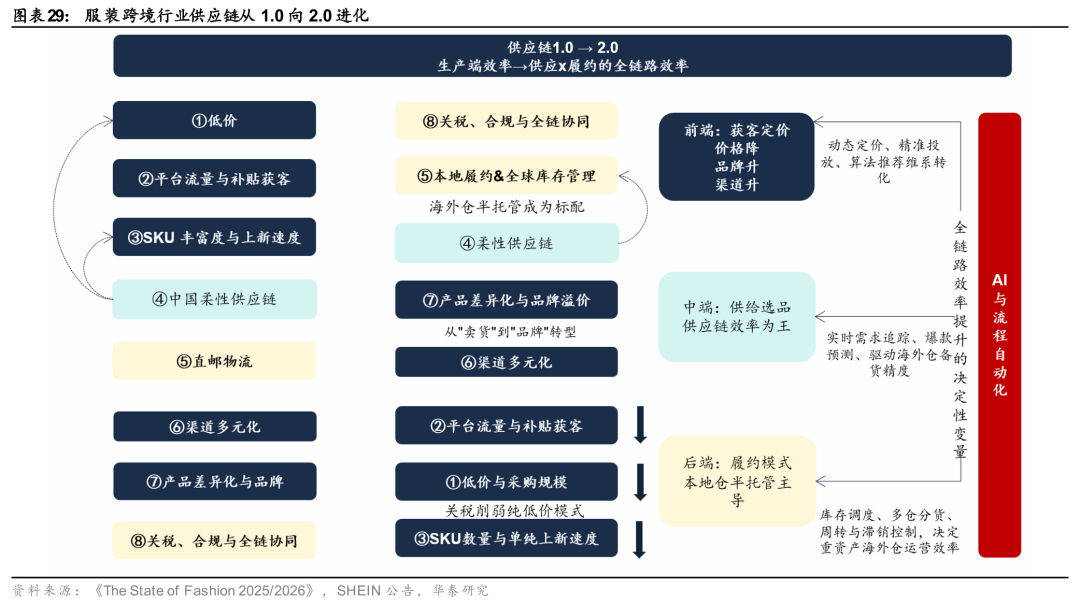
With the rules and regulations revised, what is most important during this period of competitive factor restructuring, encompassing front-end customer acquisition, mid-stream supply, and back-end fulfillment? The weight of these factors has increased: tax burden and compliance, as well as end-to-end capabilities, fulfillment models, brand value, and multi-market portfolios. The weight of factors that have decreased is the reliance on low-price volume sales and pure subsidies for customer acquisition. Supply chain flexibility remains important, but its advantage has shifted from "supporting low-price direct shipping" to "supporting product selection and inventory management in overseas warehouses." Relying solely on small-batch, rapid response is no longer sufficient to reduce inventory risk; it is also necessary to improve the accuracy of overseas warehouse inventory preparation.
The front-end is replicable, relying on tax-free policies, with low prices/volume buying leading to a decline in ranking; while brand trust and geographical diversification are difficult to replicate and are more cyclical, leading to an increase in ranking. 1) Price competition: We believe that consumers' pursuit of cost-effectiveness remains the core factor driving the growth of cross-border e-commerce, but cross-border e-commerce cannot rely solely on low prices to win. After the cancellation or tightening of duty-free shopping for small parcels, SHEIN/Temu raised prices accordingly in the US. Front-end capabilities (low price + volume buying) attract price-sensitive users with low loyalty, so the platform actively reduced volume buying, transferring the winning weight to other factors. 2) Brand premium power: During the period of rapid growth, low prices + social media viral marketing were the key, and brand factors had a relatively low weight. In the advanced development stage, the industry consensus is shifting from "price-driven to value creation," and brand trust becomes the key to retention and premium pricing. 3) Multi-market/non-US diversification: After policy risks became explicit, diversification and hedging became an urgent need.
Mid-range supply chain: Under the new fulfillment model, the focus shifts from "more and faster" to "precise inventory preparation + global turnover." 1) SKU richness and new product frequency: During the boom period, massive SKUs and high-frequency new product launches were used as traffic drivers. Under the overseas warehouse model, each SKU requires warehousing and bears inventory and tariff risks. "Large and comprehensive" becomes a cost burden, and the platform's focus on product testing shifts from breadth to selecting high-moving products for replenishment. 2) Flexible supply chain: Under the overseas warehouse model, fulfillment shifts from "retail-style customs clearance per order" to "wholesale-style inventory preparation based on value." Small-order quick response is no longer the end point (direct mail sales), but becomes a forward forecasting tool for overseas warehouse inventory preparation. The value of quick response shifts from shortening the "product testing → repeat order" cycle to grab traffic, to shortening the "forecast → replenishment" cycle, reducing slow-moving inventory and improving turnover.
Backend Fulfillment: Localized fulfillment has become a difficult barrier to replication. 1) Overseas warehouses/semi-managed warehouses have become one of the few channels that can achieve tax reduction, loss reduction, and guaranteed delivery time. SHEIN has opened distribution centers in California and Indiana, and Temu continues to introduce sellers with local warehousing capabilities. Moreover, shipments from local warehouses can be regarded as local shipments. 2) Local seller ecosystem: The transformation to local fulfillment requires the support of local sellers/local inventory. Temu is recruiting local sellers and expanding local suppliers in the United States.
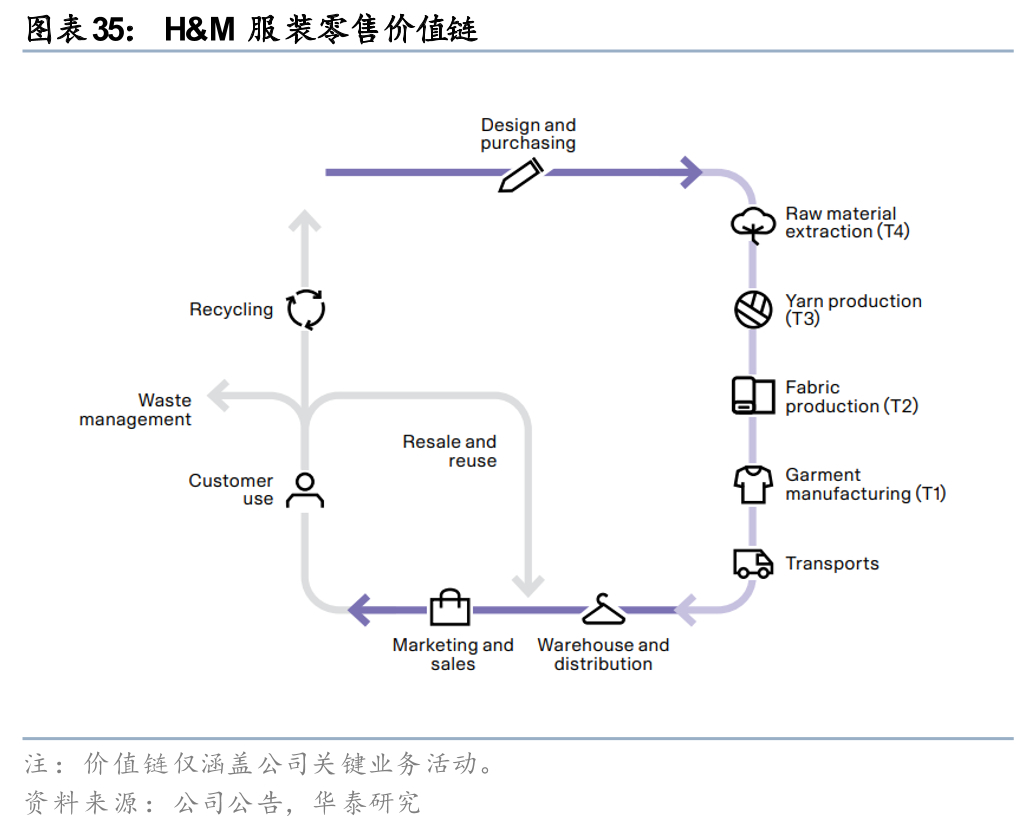
The key to winning in competition: shifting from single-point efficiency to end-to-end supply and demand closed loop.
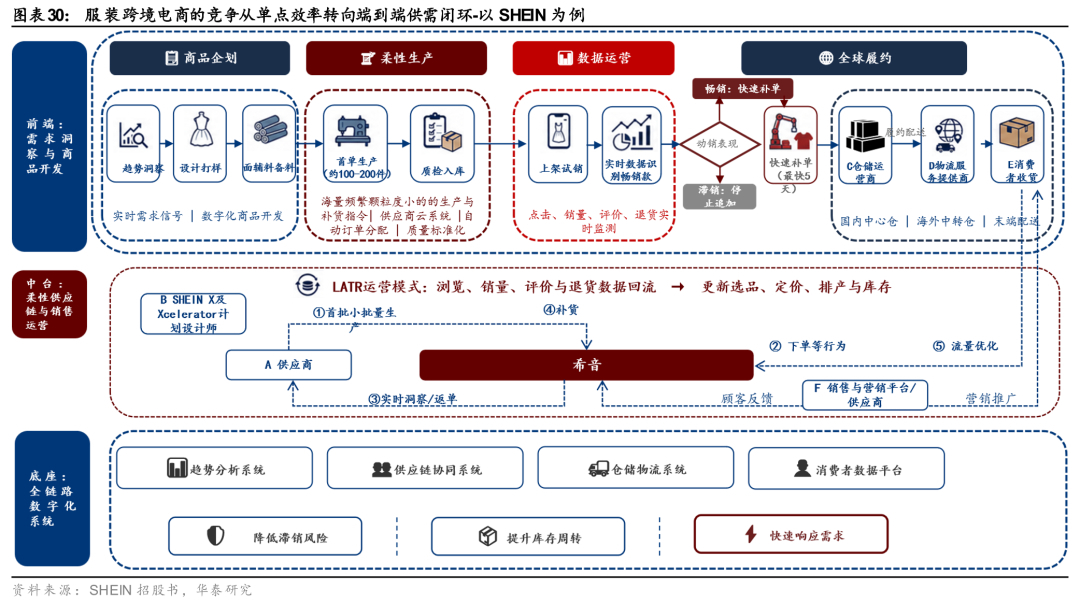
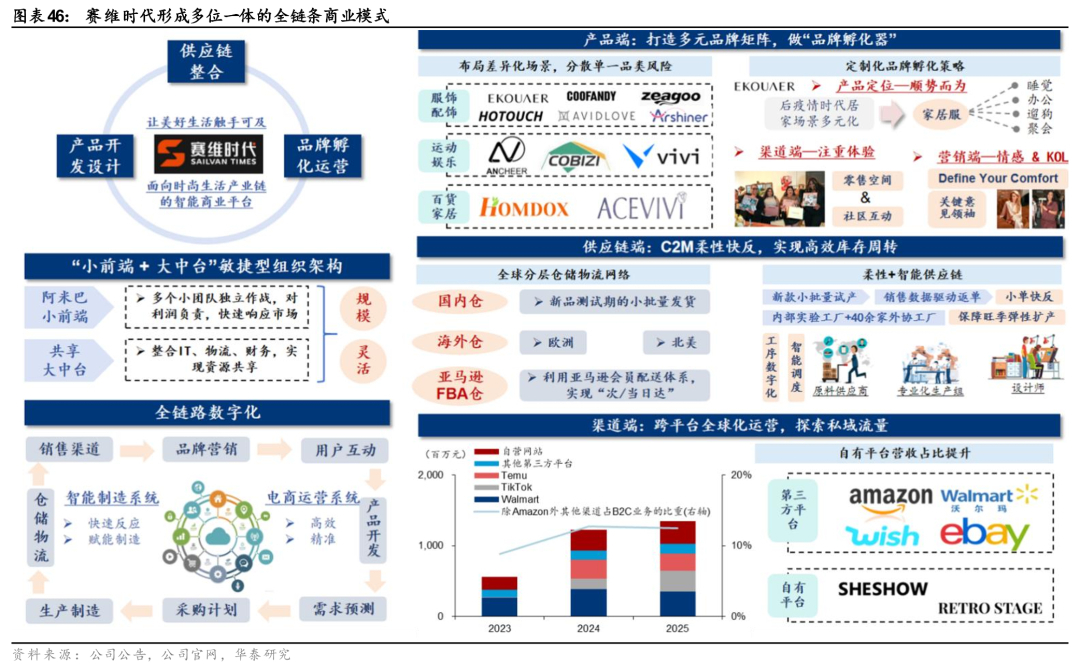
Faced with the triple challenge, leading cross-border apparel companies share common measures such as strengthening digitalization and building flexible supply chains, while different cross-border brands employ different solutions. For example, Saiwei Times entered the market with categories like loungewear and menswear, where trends change more slowly and are more predictable, allowing them to fully leverage the cost-effectiveness of Chinese manufacturing. Zibuyu focuses on the mid-to-high-end price range, using brand premium to cover cost fluctuations. SHEIN, on the other hand, has entered the most challenging fast fashion apparel sector, establishing a large-scale automated small-batch quick-response (LATR) model, continuously investing in digitalization and automation to enhance its small-batch quick-response capabilities. It doesn't just pursue rapid new product launches, but rather drives replenishment, global inventory allocation, and consumer feedback through low-cost, high-frequency demand experimentation.
Specifically, LATR is a real-time system that directly transforms low-cost, high-frequency consumer signals into orders, inventory allocation, and global delivery. It avoids large-scale inventory buildup through digital systems, supplier collaboration, and fulfillment networks. It first tests real demand with small batches of approximately 100-200 pieces, deciding whether to place additional orders based on sales performance. Popular items are replenished in as little as 5 days, thus replacing one-time inventory bets with continuous testing. According to SHEIN's prospectus, as of Q1 2026, the company offered over 2 million apparel styles for consumers to choose from, with an average of 4,700 new styles launched daily in Q1 2026.
Once established, the LATR mechanism creates a self-reinforcing flywheel barrier. Trend insight and design combined with small-batch, rapid response form a positive cycle of "more, faster, more accurate, and more economical." The front end uses sales, clicks, add-to-cart, and returns signals, along with trend insights, to generate candidate products. Design resources consist of in-house designers, collaborative designs with contract manufacturers, and independent designers from SHEIN X/Xcelerator working with brands. According to the prospectus, as of June 30, 2026, the company had over 370 in-house designers, with most of its own-brand products designed entirely in-house. Parallel testing with small-batch first orders increases the probability of creating a best-selling product, reducing the cost of a single error, and then using repeat orders to amortize the cost of successful products. The product testing phase uses real conversion rates to guide retention and traffic redistribution, rather than long-term order fairs. The system automatically selects contract manufacturers based on capacity, delivery time, quality, and available capacity, with popular products replenished in as little as 5 days.
The LATR mechanism has a high barrier to entry, requiring the four scale curves of consumers, suppliers, automation, and logistics to converge simultaneously to the same operating system. 1) Massive sample size: If there are insufficient active users, product testing can easily degenerate into new inventory buildup. SHEIN has approximately 270 million active consumers in 2025. 2) Deep integration with parallel production capacity of SMEs: New entrants find it difficult to establish a manageable decentralized supply network in the short term. SHEIN, with its industrial cluster centered in Panyu, has accumulated know-how through years of digital system construction. In 2025, it had approximately 7,500 contract manufacturers, each handling different product categories, processes, and delivery cycles, enabling orders of hundreds of pieces to be executed on the decentralized SME network. 3) Compounding of data assets: Over 1,700 self-developed software systems cover planning to fulfillment, automatically allocating/tracking orders, and digital penetration makes small orders manageable. According to McKinsey, end-to-end transformation is expected to save 10%-15% of retail costs, higher than the 5%-10% of single-point solutions. Algorithms must be embedded in a closed loop across multiple stages to generate excess value. 4) Logistics achieves economies of scale: SHEIN's average daily order volume of approximately 2.95 million (in 2025) can support warehouse automation, centralized procurement of trunk lines, route optimization, parcel consolidation, and last-mile carrier negotiation. As of the end of June 2026, the company has approximately 37/6/18/11 leased warehouses in China/the United States/Europe/other regions, respectively. The fulfillment cost per order in 2025 is US$17.7.
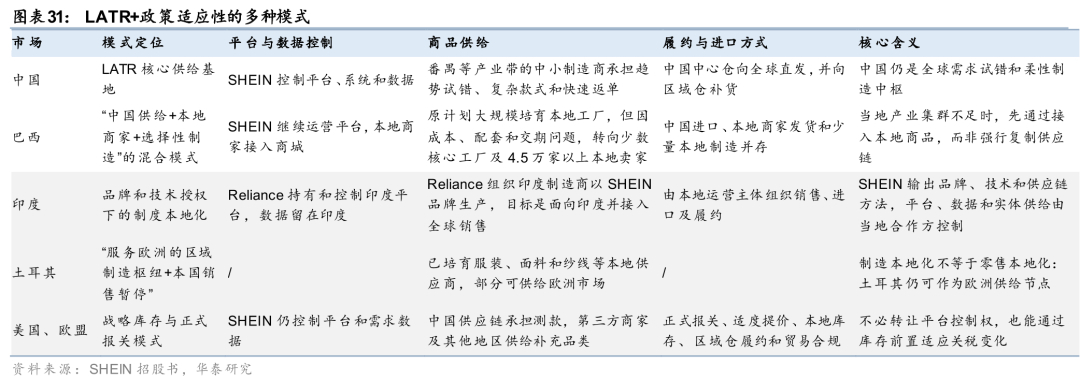
Changes in tax-free policies for small parcels in Europe and the United States have impacted the traditional LATRM (Local Direct Mail) model. 1) The tariff advantage of the previous direct mail model has disappeared, compressing the profit margin of low-priced SKUs used for attracting customers. Some low-priced SKUs have been removed from the platform, leading to a decline in the efficiency of acquiring new users through popular low-priced items. 2) New tariff regulations have restructured the shipping chain, shifting from direct order fulfillment from domestic factories to pre-stocking in overseas warehouses. This lengthens the product turnover cycle, requiring suppliers to bear the inventory pressure during the sea freight and overseas warehouse storage periods. 3) In the past, the direct mail model had low customs clearance thresholds and low marginal costs for small-batch product testing. Now, large-scale sea freight stocking is required in advance, and misjudgments of product styles or changes in overseas market trends can lead to unsold inventory and losses.
Under the constraints of tariffs, overseas inventory, and compliance, SHEIN's model has evolved into a localized closed loop of "LATR + policy adaptability," consolidating its market share advantage. 1) Layered output of LATR capabilities: SHEIN can replicate globally its digital supply and demand organization capabilities, such as integrating local supply in Brazil. 2) Upgraded logistics system, improving global warehousing network and trunk line planning. 3) Platform-based supply expansion: In addition to its own brand LATR, SHEIN integrates merchants, independent designers, and brands, connecting long-tail supply with the same set of demand signals and fulfillment capabilities. Service revenue has increased from 2.7% in 2023 to 11.3% in 2025. 4) Deepened end-to-end automation: 1,700+ self-developed systems support trend identification, order matching, capacity visibility, and repeat order triggering, enabling "large-scale" operations despite non-linear expansion of manpower, and embedding compliance audits (such as SRS) into supplier governance.
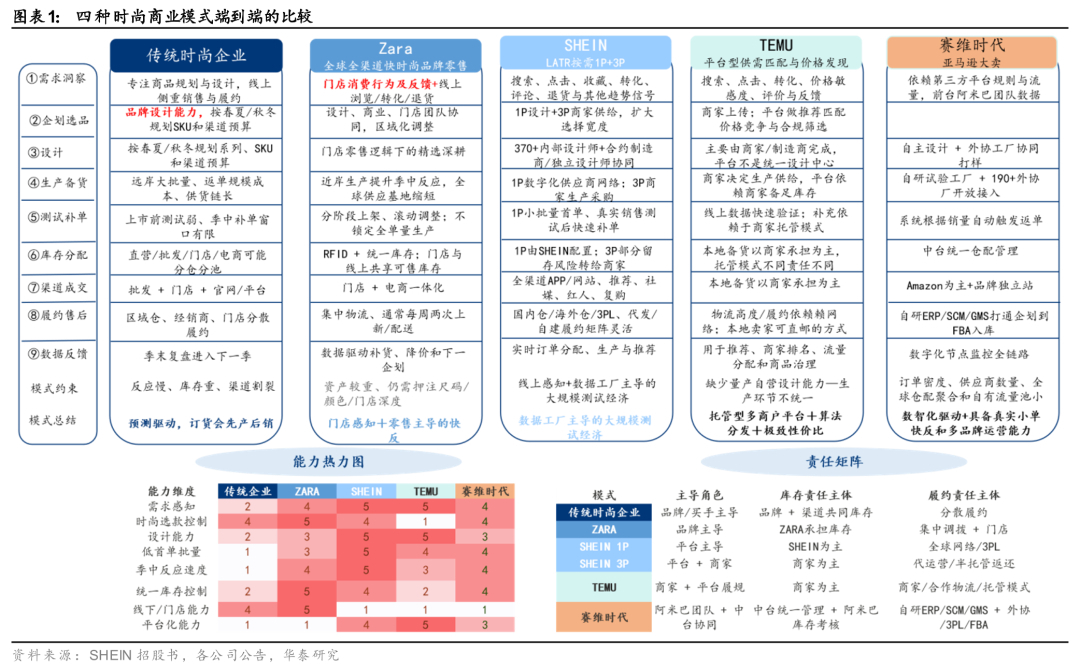
Compared to traditional apparel retail and pure third-party platform models, the completeness of the end-to-end closed loop determines market share potential. Traditional apparel retail lacks fulfillment speed and real-time feedback loops; Zara possesses rapid response capabilities, optimizing its store selection and brand experience, but relatively lacks experience in fine-grained trial production; Temu excels at expanding demand-side traffic and price ranges, and its unified control over the fashion production process is still in the capability-building stage. We believe that the deeper the end-to-end supply chain layout, the greater the medium- to long-term market share potential, therefore we are optimistic about the continued expansion of market share of China's leading cross-border apparel e-commerce companies globally. By product category:
1) In the high-value fashion apparel market, three major challenges are difficult to overcome. We believe SHEIN's LATUR model is an effective solution to these pain points. Especially in the era of compliance, the key to success in fashion apparel competition has shifted from low prices, high volume sales, and direct shipping advantages to an end-to-end supply and demand closed loop. Companies capable of integrating demand insights, design sampling, small-batch rapid response, global inventory, compliance fulfillment, and consumer feedback into a single real-time system are expected to improve turnover with lower trial-and-error costs and continuously gain market share in a longer supply chain and more fragmented inventory pool.
2) In other apparel sub-sectors, we are also optimistic about the continued expansion of market share by leading cross-border apparel companies that have adopted a branding strategy.
Business Model Comparison: China's Leading Cross-Border E-commerce Companies Achieve Globally Leading Operational Efficiency
The cross-border footwear and apparel retail and e-commerce platform ecosystem is rapidly integrating.
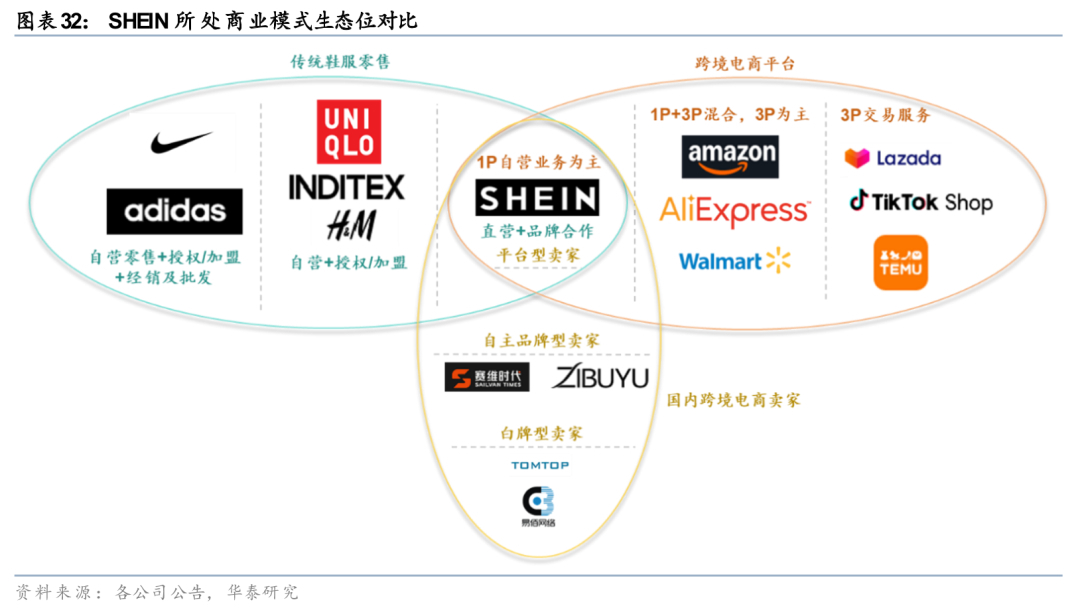
Global Apparel Retail/Cross-Border E-commerce Ecosystem Spectrum: SHEIN sits at the intersection of three major business segments, leading the transition of retail from product-based operations to platform-based models. Traditional apparel retail brands like Nike and Adidas focus on their own brands and expand their sales networks through direct operation, wholesale distribution, and authorized franchising. Uniqlo, Inditex, and H&M primarily rely on direct retail, supplemented by a certain scale of authorized or franchised channels. Domestic cross-border e-commerce sellers such as Saiwei Times and Zibuyu are on the merchant and brand supply side of cross-border e-commerce platforms, possessing certain independent design and brand operation capabilities, and actively connecting with various overseas cross-border retail platforms for 3P (Product, Service, Platform) business. Amazon, TikTok Shop, AliExpress, and Temu are the platform entities, mainly aggregating third-party merchants and monetizing through traffic, transactions, and fulfillment services. SHEIN is located at the intersection of these three models: primarily operating its own brand-based business, while simultaneously introducing external brand supply through brand cooperation and a mall model.
Chinese apparel cross-border e-commerce vs. overseas fast fashion giants: Faster inventory turnover, shift in cost carriers.
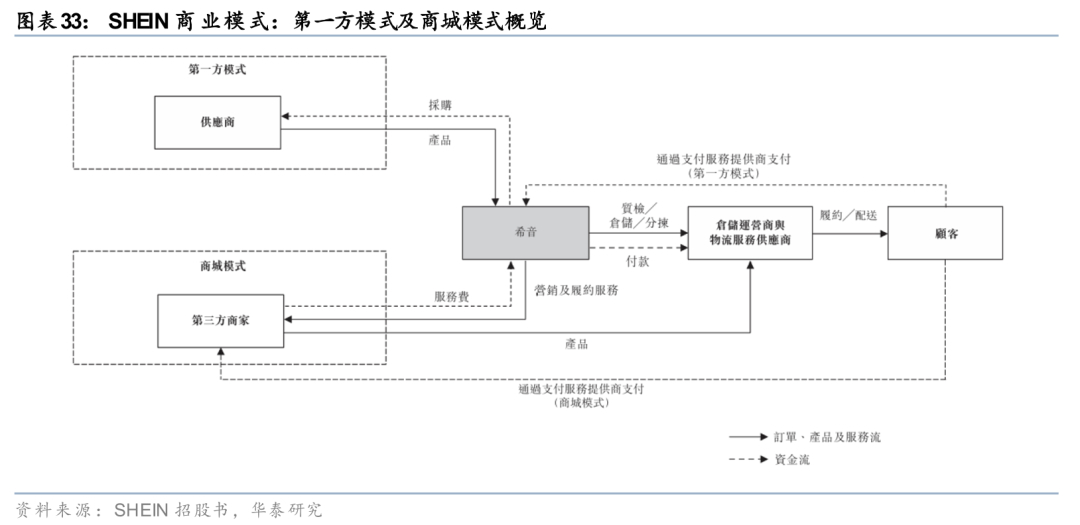
From traditional retail to the "SHEIN Model": The supply system has evolved from first-party retail dominated by its own brands to a dual model of first-party + e-commerce. SHEIN's platform model retains control over first-party products while reducing reliance on its own procurement and inventory through the e-commerce model. 1) Under the first-party model (1P), the company purchases its own brand and some non-own-brand products from suppliers, is responsible for product selection, supply chain organization and sales, and holds inventory, bearing the risks of unsold goods and impairment; the brand portfolio is also relatively rich. 2) Under the e-commerce model, third-party merchants produce or purchase goods themselves (3P). SHEIN provides customer reach, payment and platform operation, and can provide warehousing and logistics fulfillment as needed, charging commissions and fulfillment service fees respectively.
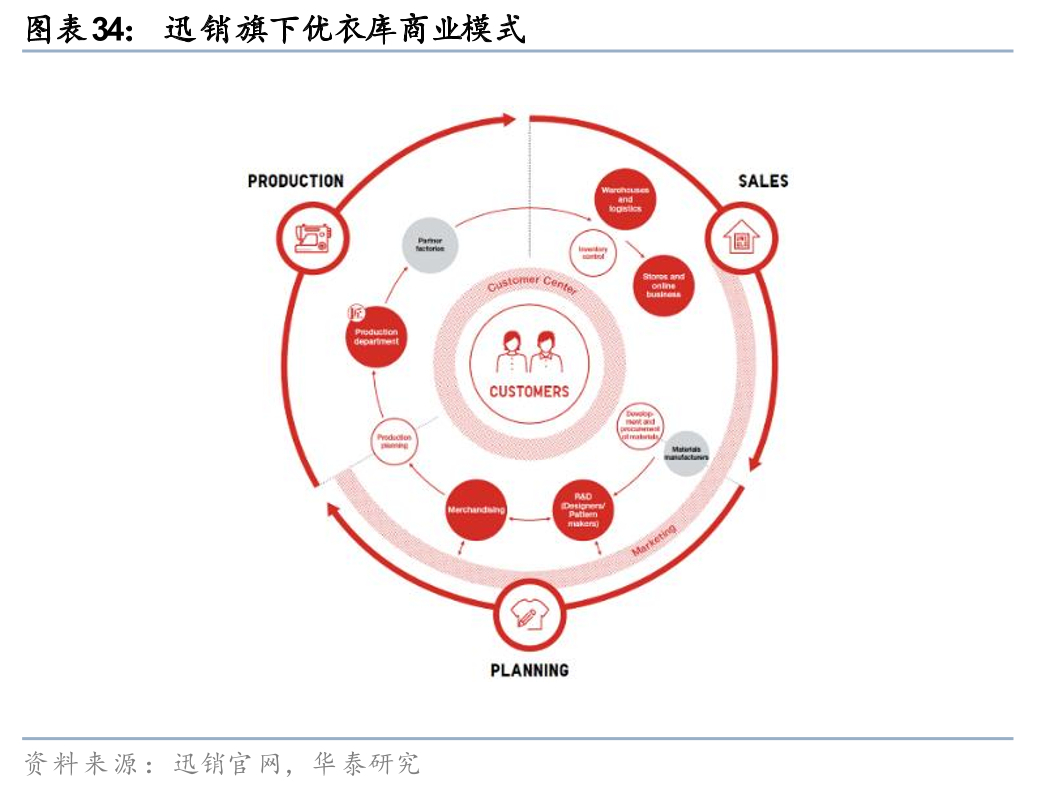
In contrast, Inditex, Fast Retailing, and H&M still focus on their own brands, with external cooperation mainly concentrated on production procurement and franchise distribution in some markets; ASOS sells both its own brands and third-party partner brands, with a relatively higher degree of supply openness, which is more similar to SHEIN's business model, but its current profitability still needs to be improved.
SHEIN also embodies the leap in capabilities of Chinese cross-border apparel retail from "brand-oriented cross-border sellers" to "platform-based supply chain ecosystem operators." We believe this shift in value chain position provides Chinese cross-border retailers with stronger bargaining power and faster response times. Leading Chinese cross-border apparel retailers such as SHEIN and Zibuyu primarily contribute midstream value through product planning, brand operation, and inventory management, reaching consumers through third-party platforms like Amazon. SHEIN, on the other hand, extends further to both ends of the industry chain: on one end, it directly monitors global user traffic and demand data through its own app and website; on the other end, it organizes manufacturers for small-batch production and rapid repeat orders through a digital system, and gradually opens up its traffic and supply chain fulfillment capabilities to third-party brands/merchants, resulting in a shorter and more efficient transmission chain from upstream manufacturing to downstream sales.
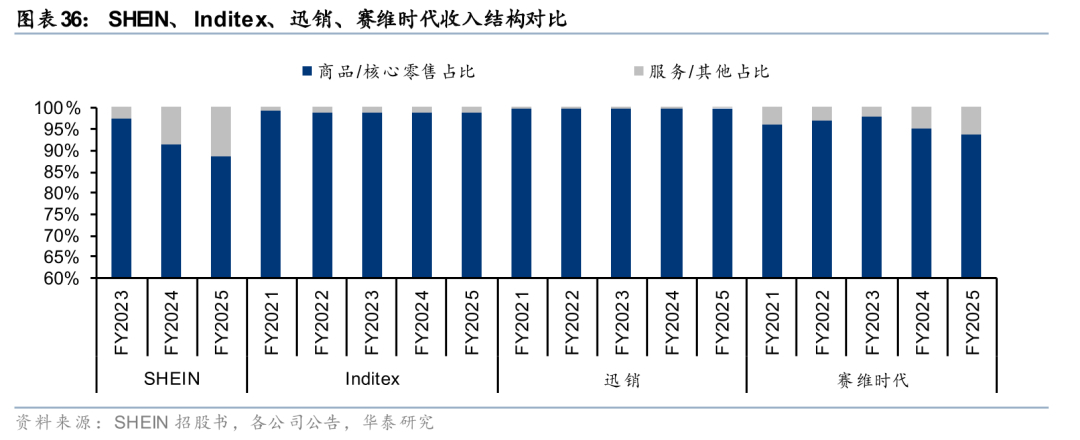
Due to differences in business models, Chinese cross-border apparel companies have more diversified revenue streams. SHEIN, based on real-time online demand, further reduced the initial order size and testing granularity, and gradually introduced third-party merchants and brand empowerment services. In 2025, SHEIN's product revenue accounted for 88.7% and service revenue accounted for 11.3% (SHEIN provides third-party merchants with traffic and customer reach services, charging a commission of 10-20% of the transaction and separately charging warehousing and logistics fulfillment fees). Meanwhile, LDK Solar, while selling products, provides logistics services based on its well-established cross-border warehousing and logistics system, with logistics service revenue increasing year by year from FY21 to 2025. In contrast, traditional fast fashion leaders still primarily derive their revenue from apparel and related merchandise sales: in 2025, Inditex's self-operated, online, and franchised sales accounted for 98.6% of its revenue, while Fast Retailing's apparel brand segment accounted for 99.9%.
Compared to leading overseas fast fashion brands, Chinese cross-border apparel giants like SHEIN demonstrate a clear advantage in operational efficiency. With a mature automated small-batch rapid response mechanism, SHEIN can test demand with initial orders of approximately 100-200 pieces, achieve reorders in as little as 5 days, and shorten replenishment intervals through digital supplier collaboration. Its inventory turnover days in 2025 are projected to be only 36 days, while Inditex, Fast Retailing, ASOS, and H&M will have 72, 114, 128, and 130 days respectively. SHEIN's flexible manufacturing and rapid online reorder capabilities highlight its significant advantages.
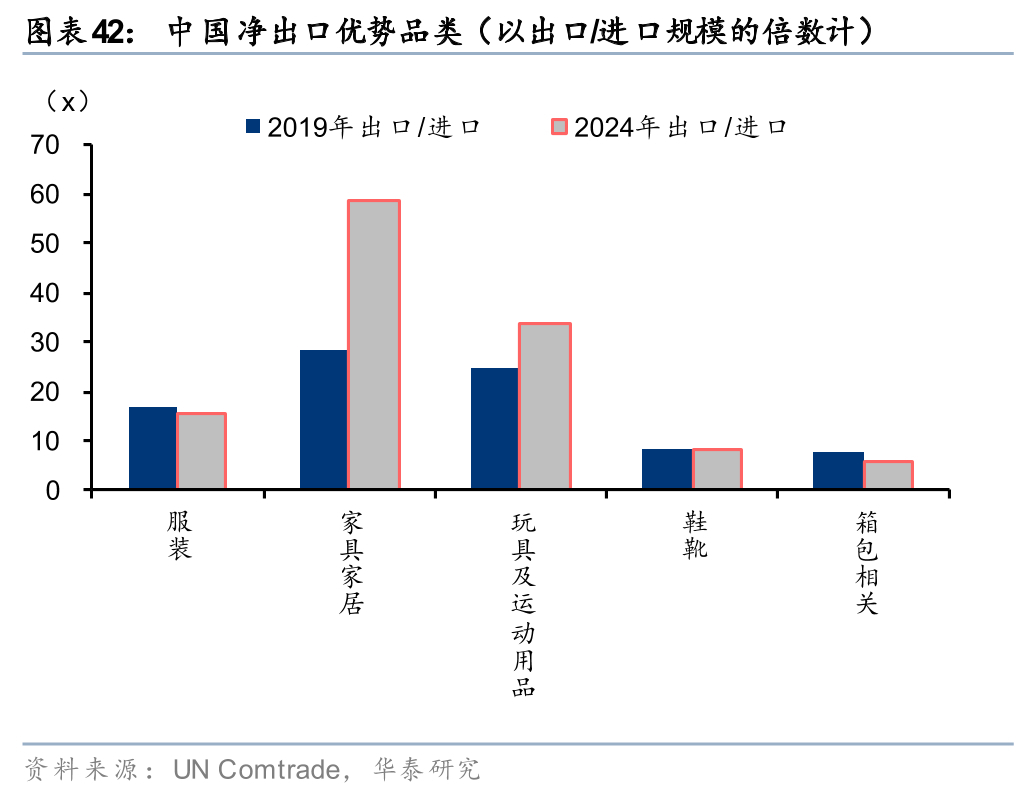
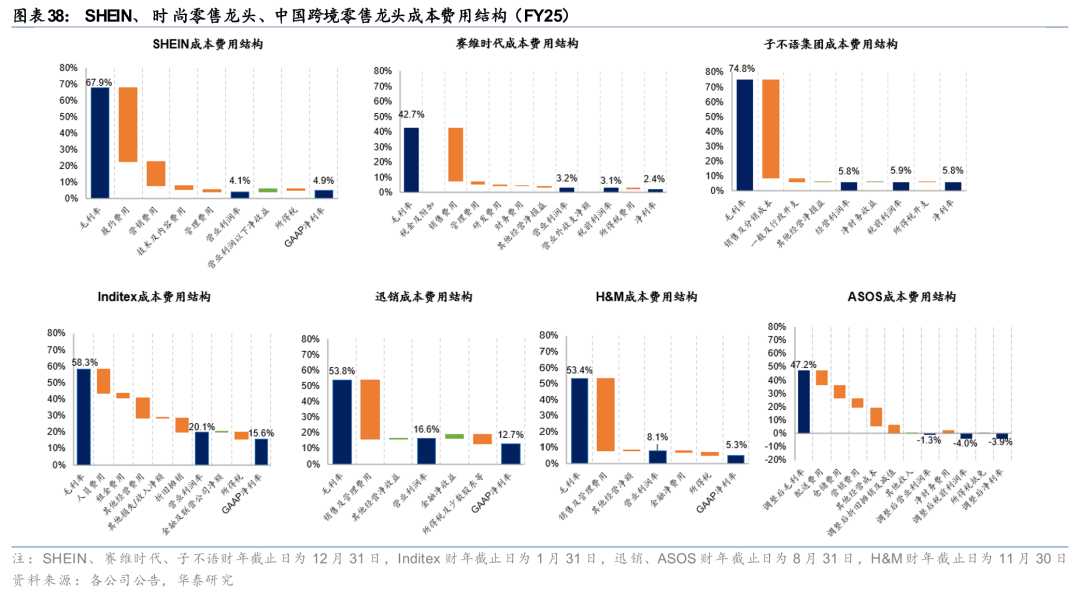
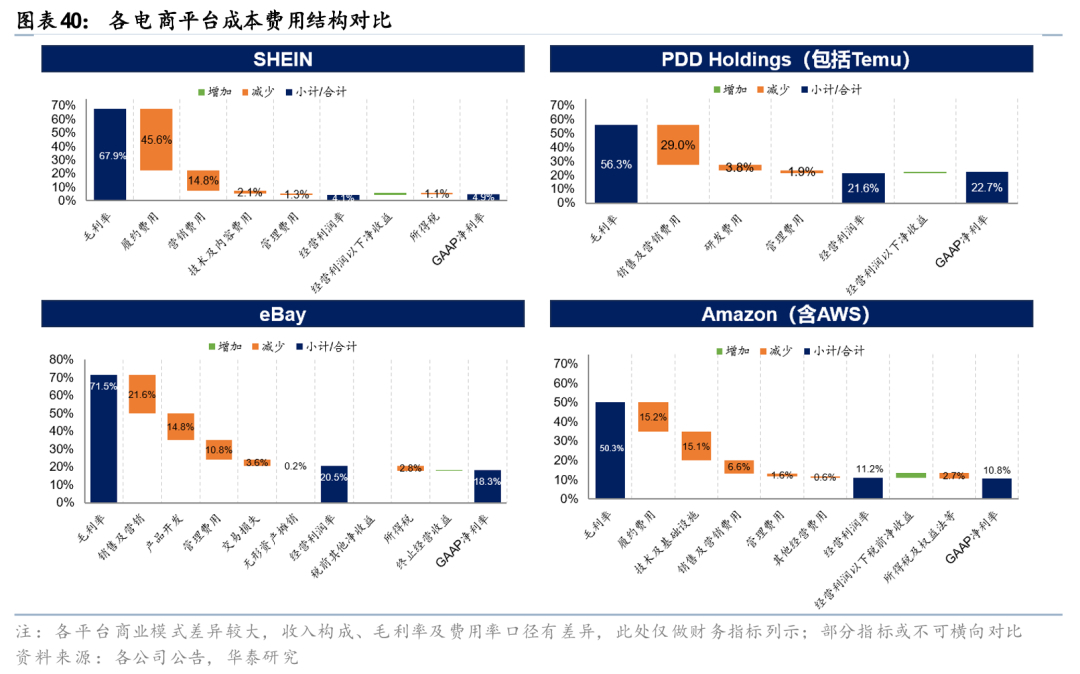
Under the light inventory and light store model, the cost carrier shifts from inventory to fulfillment and sales expenses. In 2025, SHEIN's fulfillment/marketing expenses accounted for 45.6% and 14.8% of revenue, respectively, corresponding to an OPM of 4.1% and a net profit margin attributable to the parent company of 4.9% (including interest income, equity incentives, etc.). In FY25, Inditex, Fast Retailing, and H&M's OPMs reached 20.1%, 16.6%, and 8.1%, respectively, with net profit margins of 15.6%, 12.7%, and 5.3%, respectively. ASOS, whose model is slightly more similar to SHEIN's, recorded an adjusted operating loss. Cross-border online fulfillment models transform fixed channel costs in traditional fashion retail, such as store rent and manpower, into fulfillment costs that occur with each order, such as warehousing and picking, packaging, cross-border transportation, customs clearance, and last-mile delivery. The former is mainly fixed costs, and the expense ratio is more sensitive to sales volume and store efficiency. The latter has relatively stable costs per order. When the average order value is low or orders are more dispersed, the fulfillment expense ratio corresponding to the sales volume may be relatively high. However, we believe that with localized fulfillment and diversification of revenue geographic structure, the fulfillment expense ratio is expected to decline steadily.
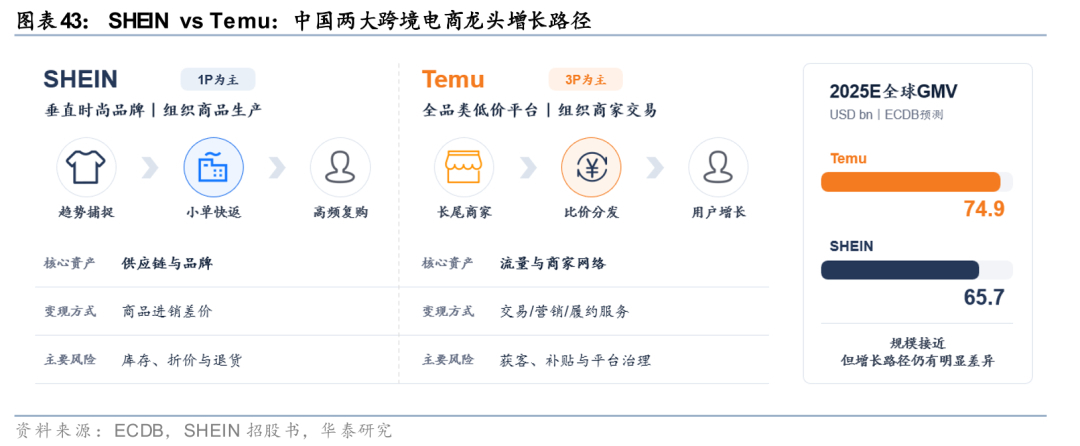
Faced with the impact of China's cross-border e-commerce for apparel, leading overseas apparel and footwear companies have mainly adopted the following countermeasures:
1) Strengthening the rapid-response supply chain, continuously investing in warehouse automation and online platforms, and deeply integrating physical stores with online inventory; while enhancing the attractiveness of offline store scenarios. For example, Inditex previously planned to invest approximately €900 million annually in FY2024-FY2025 to expand its logistics capabilities, and completed over 400 store optimization actions in FY25. These measures enabled Inditex to achieve steady growth despite competition, recording revenue growth to €39.9 billion (YoY +3.2%) and online sales of €10.7 billion (YoY +4.8%) in FY25.
2) Differentiated competition to solidify its category competitiveness. For example, Fast Retailing strengthened Uniqlo's LifeWear positioning, reinforcing core products such as HEATTECH and AIRism that can be sold long-term and continuously improved, differentiating itself from fast fashion brands like Zara and SHEIN. Benefiting from increased consumer support and recognition for its core products and enhanced LifeWear brand awareness, Uniqlo International achieved revenue of 1.83 trillion yen in FY9M26, a year-on-year increase of 25.9%, with a business profit margin of 18.8%, a year-on-year increase of 2.5 percentage points.
It is evident that leading overseas apparel and footwear companies are focusing on enhancing the experiential advantages of offline channels and differentiating themselves through functionality, while leading Chinese cross-border apparel companies still have a clear competitive advantage in the online fast fashion sector due to their agile supply chains.
Chinese Apparel Cross-Border E-commerce vs. Overseas E-commerce Platforms: Differences in Operational Responsibilities, Chinese Enterprises Writing a New Paradigm
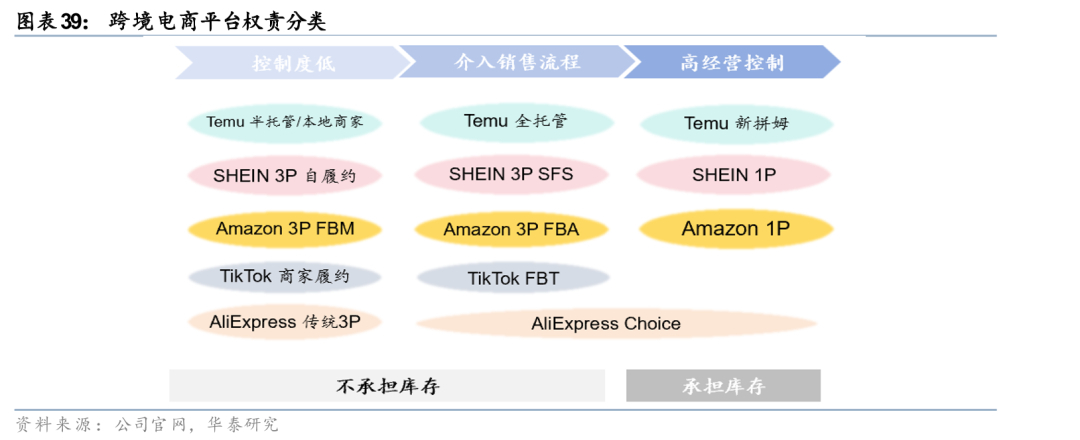
The core difference between various cross-border e-commerce platforms lies in the depth of their involvement in product management and fulfillment. Based on the degree of ownership and responsibility for goods, the industry can be broadly categorized into three types: First-Party Retailers (1P), Open Marketplaces (3P), and Platform-Assisted Fulfillment. In the 1P model, retailers purchase goods and hold inventory, profiting from the price difference between buying and selling. In the 3P model, ownership of the goods remains with the merchant, and the platform primarily provides traffic exposure and transaction matching, monetizing through commissions and advertising. The Platform-Assisted Fulfillment model adds warehousing, logistics, and return services to the 3P model. Some platforms may also intervene and lead operational services such as product selection and pricing, but the merchant still bears the responsibility for inventory. Currently, cross-border e-commerce platforms with 1P as their core business are still relatively scarce.
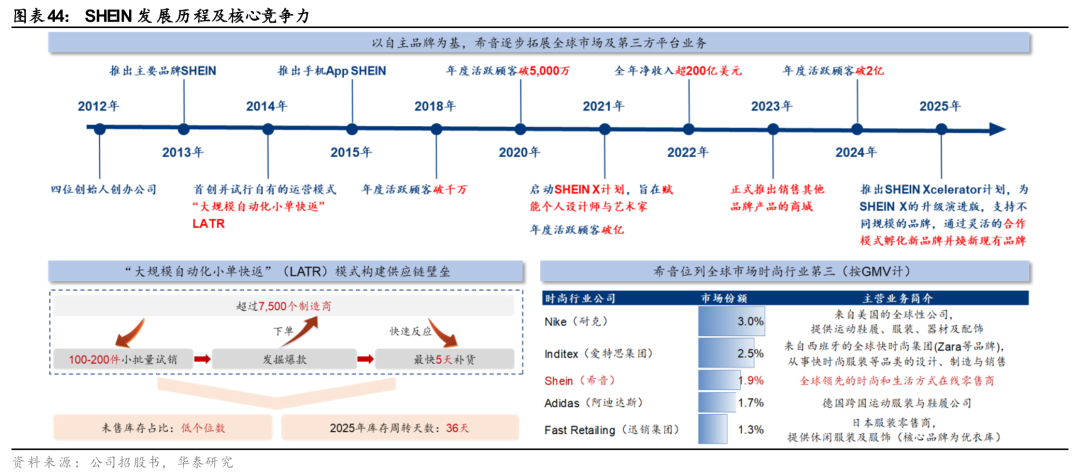
Due to differences in the responsibilities and rights associated with their business models, platforms primarily focused on 1P (One-Purchase-One-Delivery) transactions have stronger control over the supply chain, while platforms primarily focused on 3P (Three-Purchase-One-Delivery) transactions have slightly higher profit margins. Platforms primarily focused on 1P transactions have stronger control over the product supply chain, wielding bargaining power on both sides, while also bearing the pressure of procurement, inventory, discounting, and working capital. Their profitability depends on product selection success rate, inventory turnover management, and supply chain efficiency. Mature fulfillment platforms primarily focused on 3P transactions typically have higher profit margins, relying on the merchant-user ecosystem and monetization capabilities. They are more sensitive to changes in merchant retention, traffic costs, and platform rules.
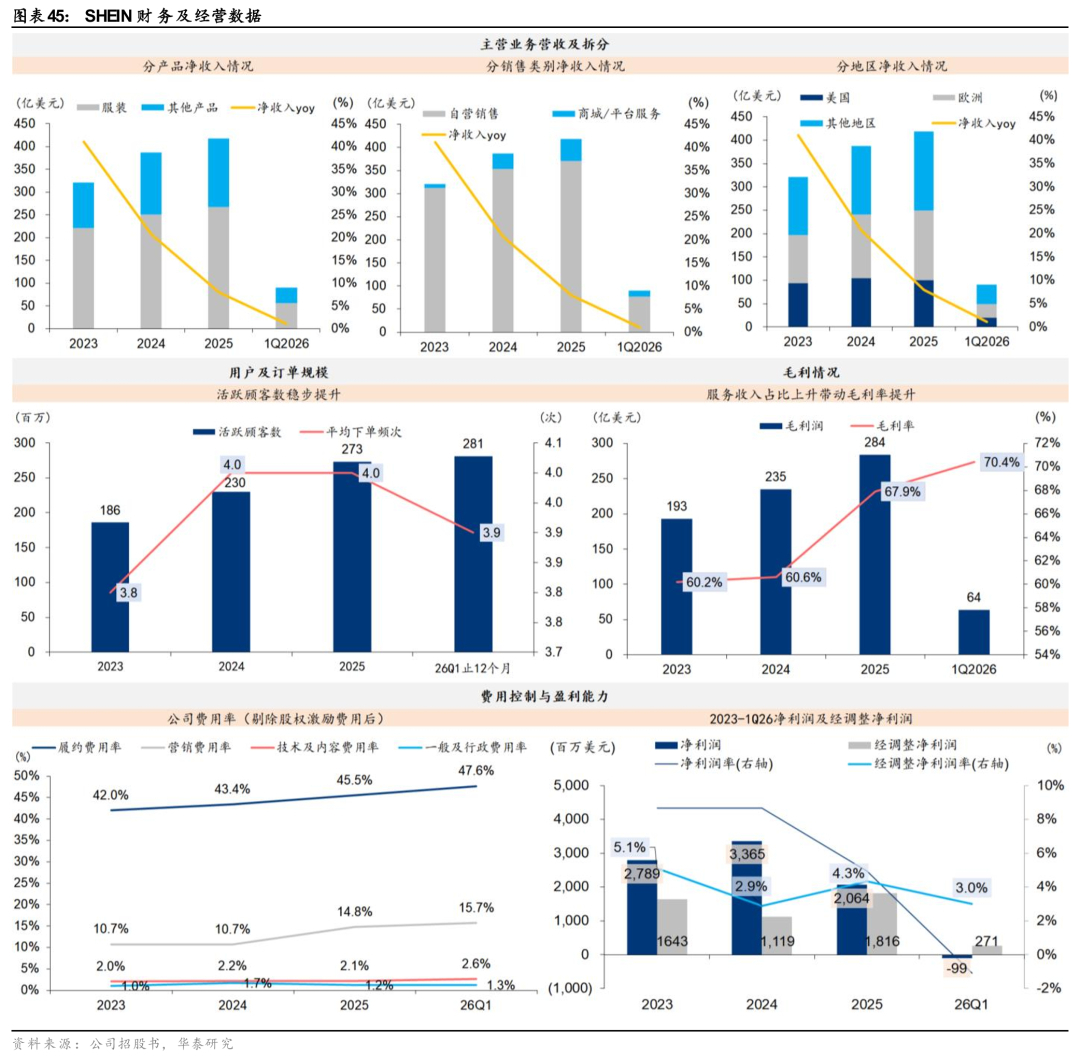
Chinese cross-border platforms: Backed by robust infrastructure, they effectively connect domestic long-tail supply with overseas goods organization capabilities. While overseas platforms like Amazon initially grew primarily based on local consumers and merchants, gradually expanding revenue through cross-border transaction fulfillment, Chinese cross-border platforms start with domestic industrial clusters and merchant supply. Through digital product selection and compliance screening, backed by strong cross-border logistics and overseas warehousing infrastructure, they deliver a large volume of dispersed goods directly to overseas consumers, resulting in a relatively high starting point for operations. Platforms like Temu and SHEIN leverage a broad balance between domestic supply and demand in various product categories, combined with overseas demand for low prices, to build a flexible supply chain by integrating long-tail supply and demand. Leading companies are also actively developing local fulfillment. SHEIN will launch its European logistics hub in Wrocław, Poland in December 2025, with a full-capacity warehousing area of 740,000 square meters, covering over 100 million consumers in Europe. Through local inventory and automated operations, it improves fulfillment timeliness and unlocks cost reduction potential through economies of scale. Temu is collaborating with DHL to promote a local-to-local model and local fulfillment in Europe. SHEIN is also actively exploring new regional revenue sources. In Q1 2026, revenue from regions outside the United States and Europe accounted for 45.4% of total revenue, an increase of 4.9 percentage points compared to the end of 2025. This diversification of geographical regions also helps to mitigate policy risks associated with relying on a single region.
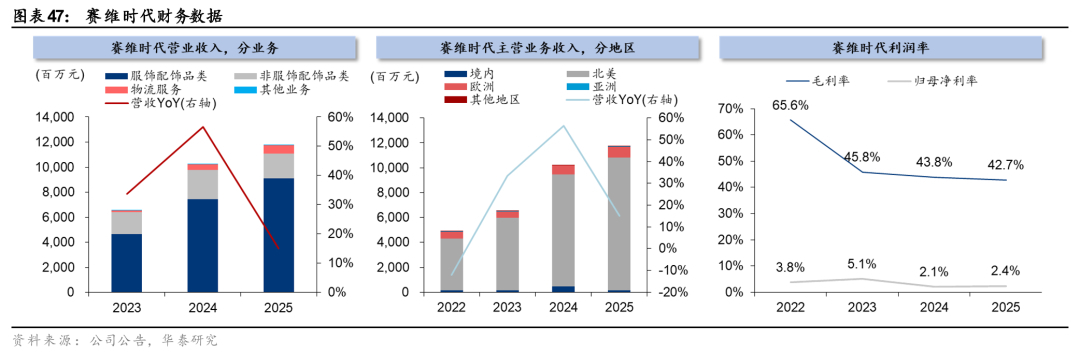
We believe that SHEIN and Temu, the two leading companies, represent two growth paradigms in China's cross-border e-commerce: the former operates goods by vertically integrating the supply chain; the latter aggregates supply and demand, and operates traffic and transactions through a platform.
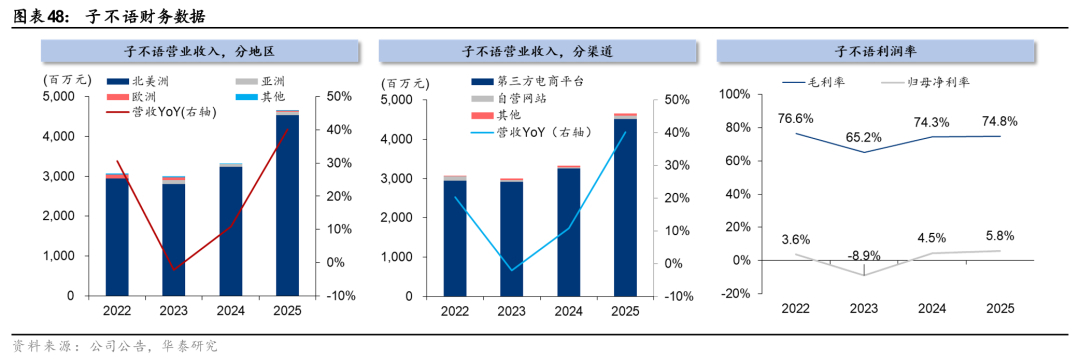
1) Product Categories and User Mindset: SHEIN builds a vertical fashion brand, while Temu builds a full-category low-price platform. SHEIN captures fashion trends to achieve high-frequency new product launches, accumulates user selection data, and builds a closed loop between the brand and the supply chain. The company establishes user mindset with apparel and then gradually extends to beauty, home furnishings, and lifestyle products. In 2025, apparel contributed 63.8% of SHEIN's revenue; during the same period, the platform had approximately 273 million active consumers, completed 1.078 billion orders throughout the year, with an average order frequency of about 4 times, indicating high user stickiness. Temu, on the other hand, provides low-priced, diverse, and multi-category supplies to drive user traffic growth, thereby attracting merchants to join; under the strong two-sided network effect, SKU richness and price competitiveness are constantly enhanced. In terms of current European user scale, both have achieved large-scale European consumer reach: as of July 2026, the European Commission's official website showed that SHEIN/Temu had approximately 108 million and 75 million monthly active users, respectively.
2) Positioning Differences: SHEIN organizes product production, while Temu organizes merchant transactions. SHEIN primarily focuses on first-party retail (1P), extending upstream and producing based on demand. Temu primarily facilitates transactions (3P), with its core function being to connect scattered merchants, manufacturers, and brands to global consumers, monetizing through traffic distribution/fulfillment value-added services, etc., but having weaker control over upstream product iteration/production rhythm; however, Temu also announced its foray into 1P business in March 2026, establishing its own brand "New Pinmu," integrating high-quality domestic production capacity, and planning to leverage the supply chain resources of Pinduoduo + Temu to launch its own brand in the global market.
3) Differences in Profit Models: SHEIN earns profits from product sales, while Temu earns profits from platform services. SHEIN's first-party business involves purchasing goods and holding inventory. Consequently, the company bears the risks of trend misjudgment, unsold goods at discounted prices, inventory impairment, and returns. LATR is an effective measure to reduce forecasting bias. Temu, on the other hand, primarily monetizes through services such as transactions, marketing, and fulfillment, attributing most of the product production and inventory risks to third-party merchants. Profitability depends on transaction volume and monetization rate, and the company also needs to maintain a dynamic balance between low prices for consumers, profits for businesses, and the platform's monetization capabilities.
Considering the flexibility and profitability of business operations, we believe that the 1P+3P hybrid operation model may become the development trend of cross-border e-commerce in China in the future, and leading companies with stronger supply chain barriers and fulfillment capabilities are expected to continue to attract high-quality production capacity.
Overview of major companies
SHEIN: Building the World's Largest Online Fashion Destination with the LATTR Model
SHEIN is the world's largest online fashion destination (based on apparel and footwear retail sales in 2025), with 273 million active customers across approximately 160 markets in 2025. Founded in 2012, SHEIN initially acquired customers primarily through SEO and overseas search engine advertising. Facing challenges such as outdated styles, long production cycles, and inventory backlogs, the company launched its own brand strategy in 2014 and relocated to the Guangzhou garment industry belt, implementing a "small order, quick return" model. In 2015, the company officially changed its name to SHEIN, and its flexible supply chain gradually took shape, entering a period of rapid development. In 2020, leveraging its purely online operations and stable Chinese supply chain, the company achieved significant growth against the trend in the early stages of the pandemic. After completing multiple rounds of financing in 2022, the company accelerated its supply chain infrastructure construction and expanded into markets such as Europe and Latin America. In 2023, it launched an online mall selling third-party branded goods, expanding its platform business, and in 2025, it launched the SHEIN Xcelerator program to further support the development of third-party brands and merchants. According to Frost & Sullivan, by 2025, Siin will rank third in the $1.73 trillion global fashion retail market with a 1.9% share.
We believe that Xiyin, as the "chain leader," has restructured the fashion industry chain by relying on its keen user insights and upstream factory resources through the "Large-Scale Automated Small Order Quick Return" (LATR) model.
1) Under the LATR model, Xiyin provides consumers with high-quality, cost-effective products at a rapid pace of new product launches, leading globally in product variety and turnover efficiency. The LATR model employs small-batch trial sales of 100-200 pieces, relying on an end-to-end intelligent supply chain to analyze market feedback in real time. Signals from the demand side (C) directly reach the production side (M), forming a C2M closed loop. Bestselling items can be replenished in as little as 5 days, effectively balancing the three major industry pain points of style supply, iteration speed, and inventory control. Based on LATR, Xiyin has reduced its inventory rate to below 5% (the industry average is 20%-30%), with an inventory turnover of only 36 days in 2025 (vs. Inditex and Fast Retailing: 72/114 days respectively).
2) Achieving deep user insights through the DTC model. Xiyin was among the first cross-border e-commerce companies to shift from third-party platform distribution to the DTC model. Through its own app, independent website, and official social media accounts, the company has reached and accumulated the behavioral patterns of hundreds of millions of active users. Utilizing massive amounts of data, it has built user profiles and trend prediction models, breaking down consumer preferences into structured tags such as style, fabric, color, and price range. This allows for the creation of new products in batches based on consumer preferences, increasing the probability of creating best-selling items.
3) Expanding the platform ecosystem and empowering third-party brands through supply chain resources to unleash their growth potential. In 2023, SHEIN launched its platform model, SHEIN Marketplace, opening it to global third-party brands. In 2025, it upgraded and launched the Xcelerator brand incubation program, opening its flexible supply chain system, real-time consumer insights, global sales network, and omni-channel marketing capabilities to participating brands. New products can be launched from design to shelf in just 5 to 7 days. Simultaneously, the "500-City Industrial Belt Going Global Plan" was promoted, covering nearly 400 industrial belts by June 2025. Benefiting from the full-chain empowerment of supply chain resources, brands participating in the Xcelerator program saw an average sales increase of 190% in their first year, with nearly 20 brands achieving nearly 3 billion yuan in revenue (Xinhua News Agency, November 2025). SHEIN has thus upgraded from a self-operated fashion retailer to an industry empowerment platform, building a global ecosystem where brands, merchants, and suppliers coexist and prosper.

Revenue grew steadily, with service revenue generated by the third-party merchant model opening up a new growth curve. From 2023 to 2025, the company's net revenue increased from $32.1 billion to $41.8 billion, representing a compound annual growth rate of 14.2%. Product revenue increased from $31.2 billion to $37.1 billion, maintaining a solid core business; while mall and platform service revenue expanded rapidly from $870 million to $4.74 billion, increasing its share from 2.7% to 11.3%, becoming an important source of growth. During the same period, active customers increased from 186 million to 273 million, representing a compound annual growth rate of 21.2%, and total orders increased from 715 million to 1.078 billion, with an order frequency of 3.8–4.0 times. The global revenue structure was balanced, with Europe and the United States contributing approximately 60% of revenue, while other markets accounted for 40.5%.
The platform model drove gross margin improvement, while external disturbances such as policy changes caused fluctuations in net profit margin. From 2023 to 2025, despite external pressures from US and EU tariff adjustments and intensified industry competition, the company's gross profit margin increased from 60.2% to 67.9%, and further to 70.4% in Q1 2026, driven by the third-party platform model. Adjusted net profit margin remained at approximately 3%-5%. On the expense side, fulfillment efficiency continued to improve, with fulfillment costs per order decreasing to US$17.7 in 2025. The company maintained its investment in marketing and digitalization, resulting in a slight increase in related expense ratios. General and administrative expense ratios remained low and stable. Relying on the LATR model, inventory turnover days were only 36 days in 2025, and the proportion of unsold inventory remained in the low single digits. The asset-light operation and efficient supply chain jointly supported profitability resilience.
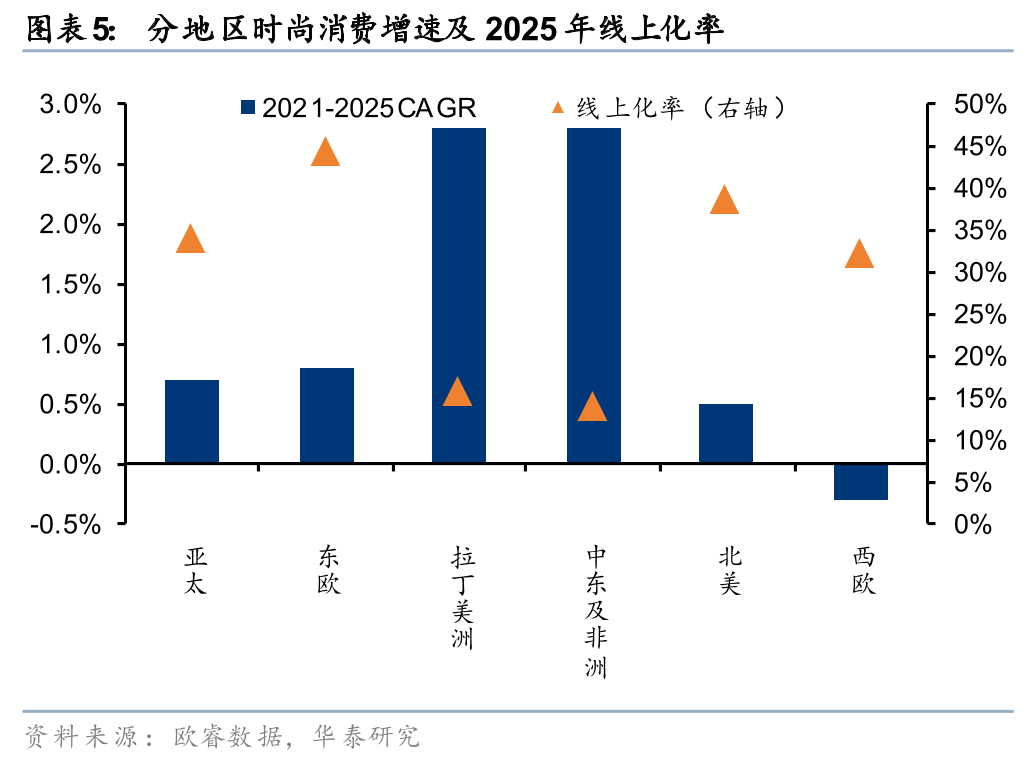
Saiwei Times: A Leading Cross-Border E-commerce Platform for Apparel Empowered by Digitalization
Saiwei Times is a leading cross-border e-commerce apparel brand in my country, focusing on the in-depth operation of mid-to-high-end brands. Adhering to the vision of "making a better life accessible," the company sells apparel and accessories, home furnishings, and sports and entertainment products on its B2C platform. Unlike the traditional "product distribution" model of cross-border e-commerce, the company has formed a complete chain model integrating product development and design, flexible supply chain integration, brand incubation, and operation. Its menswear brand Coofandy has become one of the leading online brands in the North American market, while its loungewear brand Ekouaer and underwear brand Avidlove both hold leading positions in their respective niche markets in North America.
In terms of core competitiveness, the company has formed an advantage of "AI-powered end-to-end digitalization + global flexible supply chain + multi-brand matrix". On the product development side, it has developed a self-developed full-domain data intelligence system, integrating AI multimodal data to capture global fashion trends in real time, and has built a high-precision proprietary pattern database. On the supply chain side, it has developed a self-developed flexible apparel supply chain system, realizing intelligent production scheduling for small-batch, rapid response, and improving fulfillment efficiency through a smart warehousing and logistics system. On the brand side, its flexible organizational structure has built a tiered brand matrix, with 12 brands achieving annual sales exceeding 100 million yuan by 2025, and continuously enhancing brand premium through diversified paths such as event sponsorship and celebrity collaborations. Regarding channel diversification, while consolidating its advantages in Amazon channels (accounting for 80% of revenue in 2025), it is expanding into emerging channels such as TikTok (with revenue increasing by 93.5% year-on-year in 2025), while key account channels such as Walmart are expected to bring new growth opportunities.
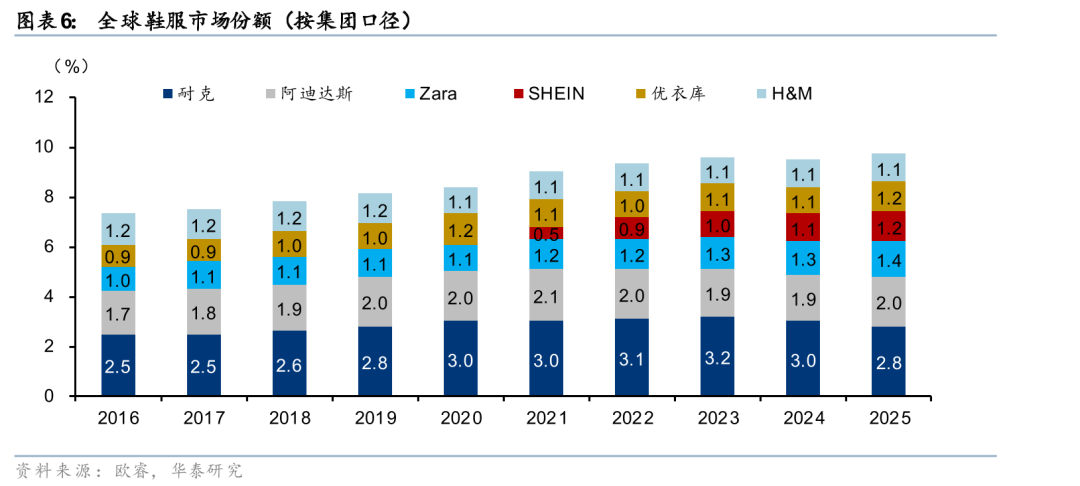
From a financial perspective, the company achieved steady revenue growth and improved profitability, demonstrating the effectiveness of its brand transformation. In 2025, revenue reached RMB 11.817 billion, a year-on-year increase of 15.0%; net profit attributable to shareholders was RMB 283 million, a year-on-year increase of 32.2%, with profit growth outpacing revenue growth, reflecting the effectiveness of cost control. Revenue in Q1 2026 increased by 10.7% year-on-year, continuing its steady growth trend.
LDK Solar is currently focusing on product categories, regional markets, channels, and supply chains, driving the following: 1) Expanding product categories: replicating the successful experience of leading brands to high-growth categories such as sportswear and children's wear, opening up new growth potential; 2) Expanding regions and channels: expanding into emerging markets such as Europe and Southeast Asia, while deepening its presence in emerging channels such as Temu and TikTok, as well as key account channels such as Walmart, reducing reliance on single markets and platforms; 3) Improving supply chain efficiency: perfecting its own logistics system, improving global fulfillment efficiency, and achieving cost reduction and efficiency improvement; 4) Improving efficiency: actively investing in AI technology to improve marketing and promotion efficiency, increase customer conversion rates, and reduce manpower needs in customer service and other areas, which is expected to help release profit elasticity.
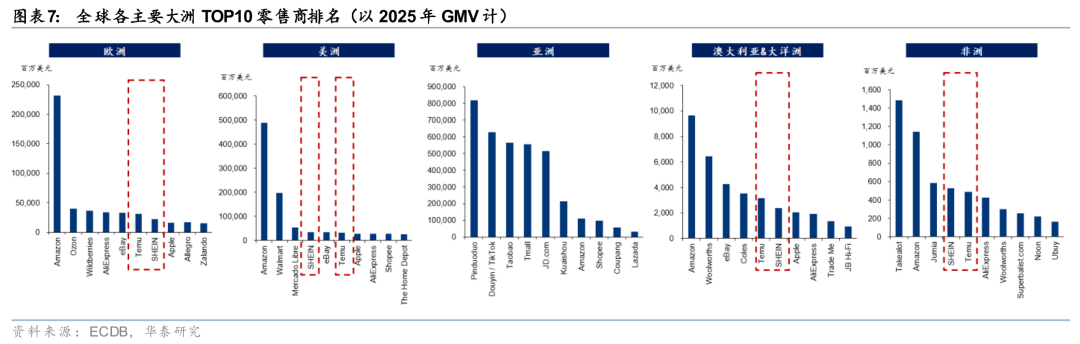
Zibuyu Group: Developing a Differentiated Mid-to-High-End Market
Zibuyu Group is a large-scale cross-border e-commerce company specializing in footwear and apparel in China. It sells its self-designed apparel, footwear, and lifestyle products to global markets including North America, Europe, and Southeast Asia through third-party platforms such as Amazon, Temu, and TikTok, as well as its own independent website. 1) In terms of geographical structure, the company's revenue relies heavily on the North American market. Revenue from North America has steadily increased from 96.2% in 2022 to 97.4% in 2025, demonstrating a clear concentration in a single region in its overseas market strategy. Overall revenue has fluctuated upwards, growing from RMB 1.32 billion in 2018 to RMB 4.66 billion in 2025. 2) In terms of channel structure, third-party e-commerce platforms such as Amazon are the company's main sales channels, contributing the vast majority of revenue from 2022 to 2025. The self-operated website business is relatively small. By platform, Amazon is the company's core channel, contributing 91.5% of revenue in 2025.
The brand streamlining and premiumization strategy has been implemented, optimizing the profit structure. Since 2023, the company has initiated a brand architecture reform, eliminating inefficient SKUs and weak brands, reducing the number of brands from 300 to 10 core brands. Through concentrated resource allocation, the company has strengthened the product strength and brand image of its core brands, continuously promoting the premiumization of its products and improving overall profitability.
The company is advancing its multi-channel strategy to mitigate the risks associated with relying on a single platform. It continues to expand its presence on third-party platforms such as TikTok and Temu, while also strengthening its self-operated website. Sales through self-operated channels increased from 0.8% in 2024 to 1.7% in 2025. This initial expansion of the multi-channel strategy will help reduce reliance on a single platform and broaden growth channels in the long term.
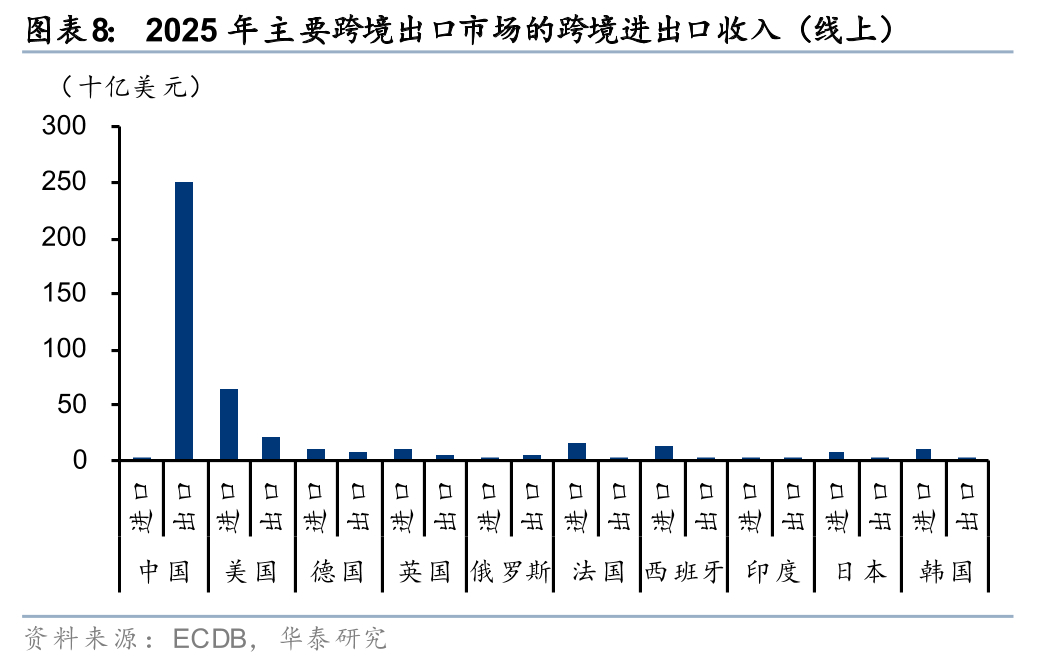
Risks related to overseas trade policies and geopolitical conflicts. The cross-border e-commerce of apparel is highly dependent on global supply chains and overseas markets. Geopolitical conflicts, changes in international relations, and escalating trade protection policies may lead to tariff increases, adjustments to tax-free policies for small parcels, stricter import reviews, and disruptions to shipping routes. In 2025, North America and Western Europe will account for approximately 28% and 22% of the global apparel and footwear consumption market, respectively, totaling about 50%. If major markets in Europe and the United States increase import taxes or restrict cross-border direct mail, it may weaken the industry's price advantage and adversely affect revenue growth and profitability.
Risks associated with fluctuations in raw material and transportation prices. Since 2026, international oil prices have continued to rise due to geopolitical conflicts and changes in supply and demand, leading to a simultaneous increase in fuel and transportation costs. Fuel surcharges for major express delivery companies have reached historical highs, and prices on some air freight routes have increased significantly. On the raw material side, prices of PVC and other chemical fiber raw materials, as well as aluminum alloys and other auxiliary materials, have all increased to varying degrees. Furthermore, there is a certain time lag in the transmission of finished product prices, which may lead to a temporary narrowing of industry profit margins.
Compliance and rising inventory costs are risks. From July 2026, the EU's ESPR regulation will prohibit large companies from destroying unsold clothing and footwear, requiring companies to bear the costs of alternative disposals such as refurbishment and resale of slow-moving inventory. The UK's EPR plan, which charges per unit, will further increase shipping costs. These measures will drive a structural increase in industry compliance and warehousing costs, placing higher demands on companies' inventory management capabilities.
Macroeconomic and consumer demand uncertainties pose risks. Consumer confidence in major consumer markets remains weak due to factors such as inflation and energy prices. China's textile exports are under temporary pressure, and overseas demand growth may slow. If global economic growth falls short of expectations, consumers' willingness to spend on non-essential goods will further weaken, dragging down the overall prosperity of the cross-border e-commerce industry.
The information on unlisted or uncovered stocks mentioned in this research report is a compilation of objective information and does not represent a recommendation or coverage of the company or stock by the team.
Research Report (New Consumption Series Report 4: Cross-border E-commerce in Apparel: Reshaping the Global Fashion Landscape with Chinese Efficiency) August 17, 2026
Fan Junhao, Analyst S0570524050001 | BDO986
Shi Di, Analyst S0570524090003 | BVO045
Zhang Shuangning, Analyst S0570525070015 | BXW007
Zeng Jun, Analyst, S0570523120004 | BTM417
Hong Yang, Contact Person: S0570125070021 | BXP979
Shi Yihan, Contact Person: S057012607019
The cover image was generated using AIGC technology.
Follow us
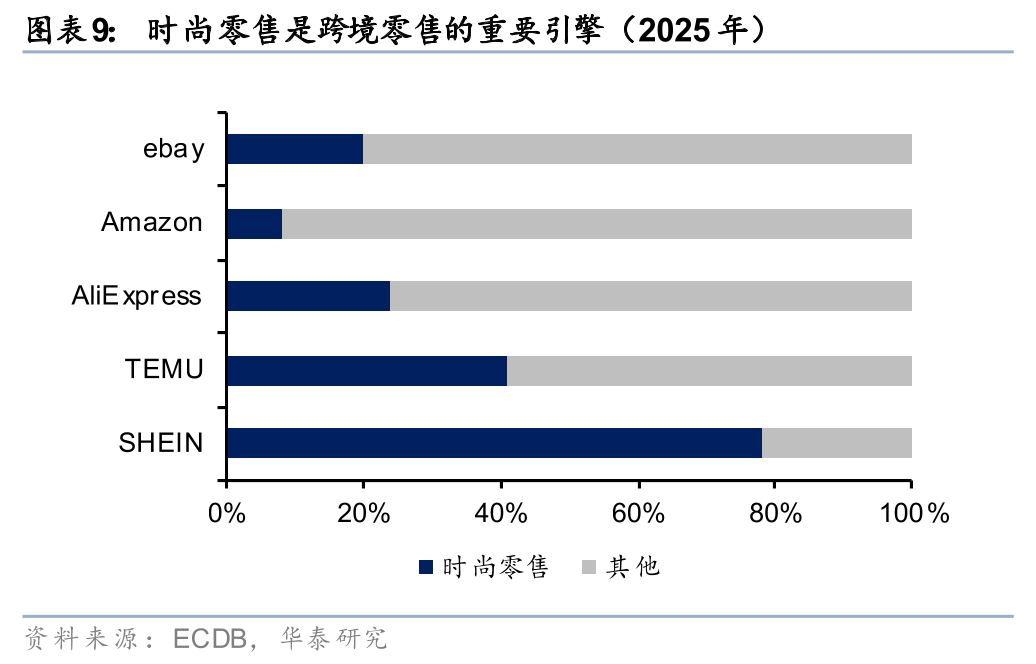
https://inst.htsc.com/research
Access permissions: Domestic institutional clients
https://intl.inst.htsc.com/research?
Access permissions: Clients of financial holding companies in the United States and Hong Kong, China
Please contact your Huatai account manager to add permissions.
▲Swipe up to read
This official WeChat account is not a platform for publishing research reports of Huatai Securities Co., Ltd. (hereinafter referred to as "Huatai Securities"). This account is for reference only for Huatai Securities' research service clients in mainland China. Any other readers should assess the appropriateness of receiving related content before subscribing to this account, and if they use the content contained in this account, they must seek guidance and interpretation from a professional investment advisor. Huatai Securities does not consider subscribers to this account as its clients simply because of their subscription.
This public account forwards and excerpts portions of research reports published by Huatai Securities to its clients. Complete investment advice and analysis should be based on the full research report published on the date of its release. Subscribers using only the content of this public account may experience misunderstandings due to a lack of understanding or interpretation of the full report. For complete information, please refer to the full report published by Huatai Securities.
The content of this public account is compiled based on information that Huatai Securities believes to be reliable. However, Huatai Securities makes no guarantee as to the accuracy, completeness, or timeliness of such information, nor does it make any definitive judgment on the rise or fall of securities prices or market trends. The opinions, assessments, and forecasts contained in this public account reflect the views and judgments only as of the date of publication. At different times, Huatai Securities may issue research reports that are inconsistent with the opinions, assessments, and forecasts contained in this public account.
Under no circumstances should the information or opinions expressed in this public account be construed as investment advice to any individual. Subscribers should not rely solely on the content of this public account and should make their own independent investment decisions and bear their own investment risks. Subscribers using this material may experience misunderstandings due to a lack of interpretation services, potentially leading to investment losses. Huatai Securities and the author assume no legal responsibility for any consequences arising from reliance on or use of the content of this public account.
The copyright of this official WeChat account belongs solely to Huatai Securities. Without the written permission of Huatai Securities, no organization or individual may infringe upon the copyright of any content published on this official account in any form, including but not limited to reproduction, copying, publication, citation, or redistribution to others. Huatai Securities reserves the right to pursue all legal liabilities for any direct or indirect losses caused by infringement. Huatai Securities is qualified to conduct "securities investment consulting" business as approved by the China Securities Regulatory Commission, with business license number 91320000704041011J.