



Observe the market’s ebb and flow. As tides rise and fall, it’s nothing more than the bull and bear cycles.
In the way of trading, greed, anger, and obsession—yet one’s desire and attachments ebb and flow like a sea.

Today, the disciple raised a very good question:
If everyone is waiting for this final dip, will there still be a final dip?
If there is one, how can we be sure it’s only a single dip—not an endless continuation of “the last dip followed by another last dip”?
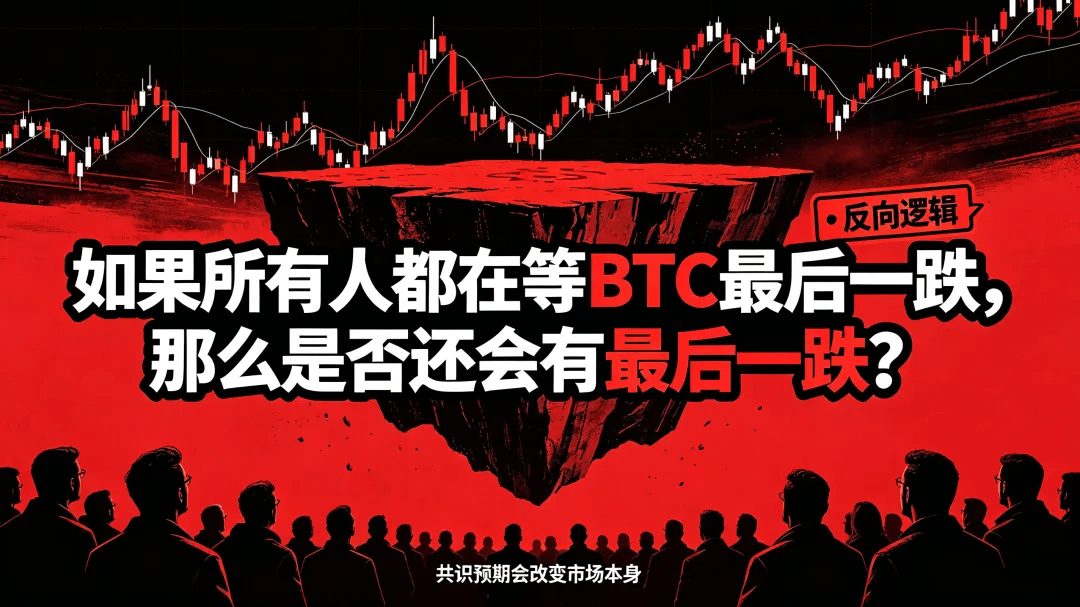
Answer this question from two perspectives:
1. Analyze the correlation between miners’ costs and BTC’s historical price trends:
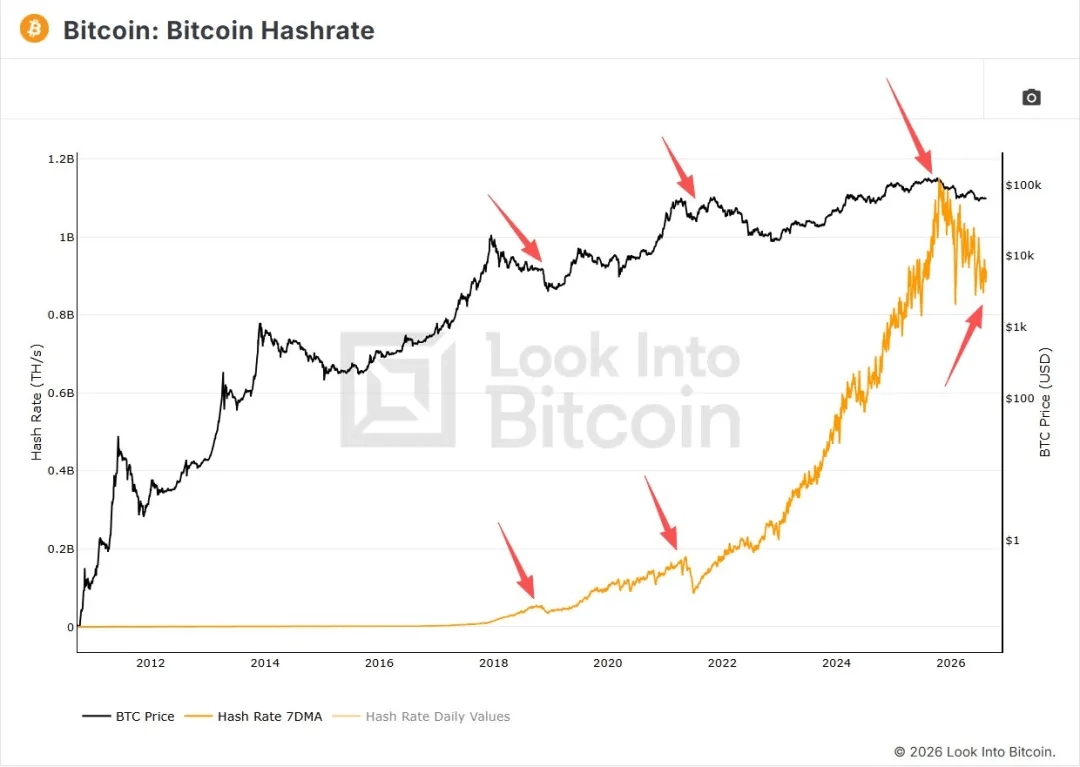
Historically, the bear markets of $BTC BTC almost always break through miners’ average electricity cost—averaging around 30%. This is also why, in each bear market cycle, the network’s total hashrate declines. Only when the price drop breaks through the electricity cost of some inefficient miners will the entire network enter an equipment upgrade cycle.
This is a theory about how the BTC network can self-iterate and update from the underlying equipment layer.
Current BTC prices barely stay above the level of power-cost breakeven by less than 10%. In every previous round of major crashes and bear markets, the breakeven from power costs was around 30%. That means if this theory still holds, then BTC still has about a 20% downside from the absolute bottom.
Let’s do the simple calculation: this price level is between $50,000 and $55,000. This is also why I mentioned earlier that the main basis for “BTC has an extremely low probability of breaking below $50,000” is…
To put it simply, most miners across the whole network are still earning a little. But the process of eliminating outdated hashrate is already underway.
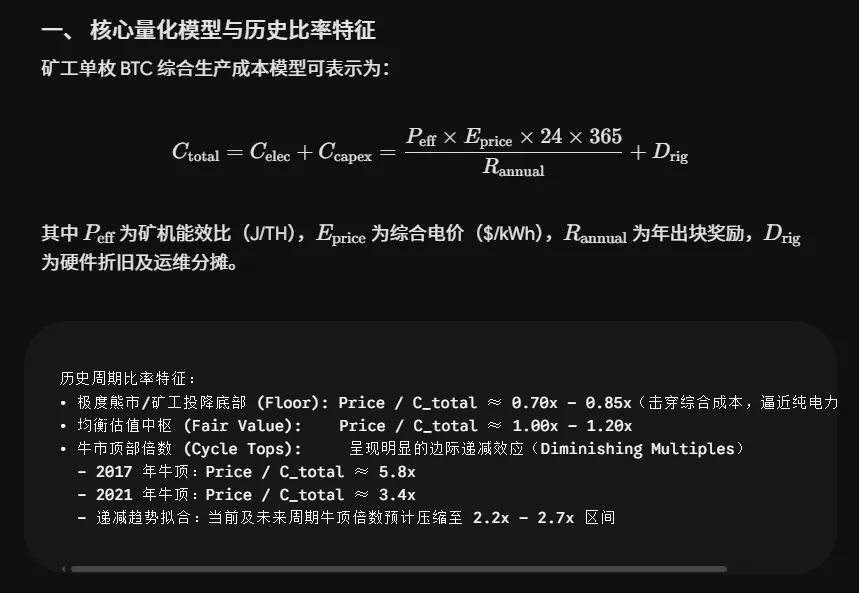
It’s not that the market is bad, so miners suffer. It’s that the very design of BTC’s supply system is inherently cyclical. In other words, BTC experiencing periodic, massive crashes is itself a mathematical inevitability—just like a forest must periodically have a wildfire to complete the cycle.
2. Analyzing the current market conditions and the macro picture:
A clear recent phenomenon is that crypto-native capital has started to be diverted. A large amount of capital is choosing to trade US stocks instead of crypto, which has significantly suppressed BTC’s volatility, turning it into the despised old-fashioned asset everyone looks down on.
And historically, this kind of situation hasn’t been the first time either.
In periods like Q4 2018, Q4 2022, and other historical phases with extremely low volatility combined with bearish conditions, BTC chose to execute a final drop downward, forming the so-called “golden pit.”
Even if it’s a MEME coin—no one trades it, no one talks about it—once it contracts and goes sideways in a flat line, the probability of it rising is still far lower than the probability of it falling.
So it’s not that after BTC falls 50% I still insist on being stubbornly bearish (on the contrary, I’m extremely bullish). Rather, the current data landscape and market sentiment conditions do not meet the requirements for a sudden “from bear to bull” reversal in one leap.
After all, if there were no such thing as a so-called “final drop” or the ultimate shakeout, then the massive amount of accumulated positions and long contracts built up at low levels in the current market can’t be released. They would then become supply resistance for future rebounds or bullish trends.
Nothing is absolute. I also hope that tomorrow BTC starts running bullish, and that it leaves everyone waiting for lower prices to get harshly shaken off—so they’ll regret it later.
But the probability may not be on our side.
So the strategy I’ve been executing is to split the capital planned for buying the BTC dip into two parts: 50% is used for ongoing DCA in the current stage, and the other 50% is kept for a “final drop” or a “shakeout.”
So if there’s no new low, I successfully add to the position at the bottom of the cycle with cheap coins. If there is, I can also add some more cheap coins at an 80% (discounted) price. Either path is acceptable. Especially in future bull markets, I won’t regret it too much. For me, that’s enough.
3. How do you ensure that after the final drop, there won’t be a second or third “final drop”?
The answer is simple: you can’t ensure it.
By the time it really gets to that point, what the market tests won’t be your analytical ability or execution—what it tests is only: belief.
Looking back, when 2018 fell from 20,000 to 3,100, 2019 from 14,000 to 3,800, and 2022 from 69,000 to 16,000—has there ever been a true bottoming market that wasn’t testing faith?
If BTC can’t wash all the speculative capital out of this market, then in the future it will be hard for it to break out into a strong bull market.
The duration and height of a bull market have little to do with those who bought the dip at the bottom. It actually depends on how many people slap their thighs and say, “If only I had back then.”
💬 (Trading chatroom)
—Always leave yourself enough cash flow.
So that even after experiencing 30% or 50% market drawdowns, you can still sleep soundly, instead of loading up leverage and charging in at the start—this is the path that many people ultimately choose after going through enough bull-and-bear cycles.
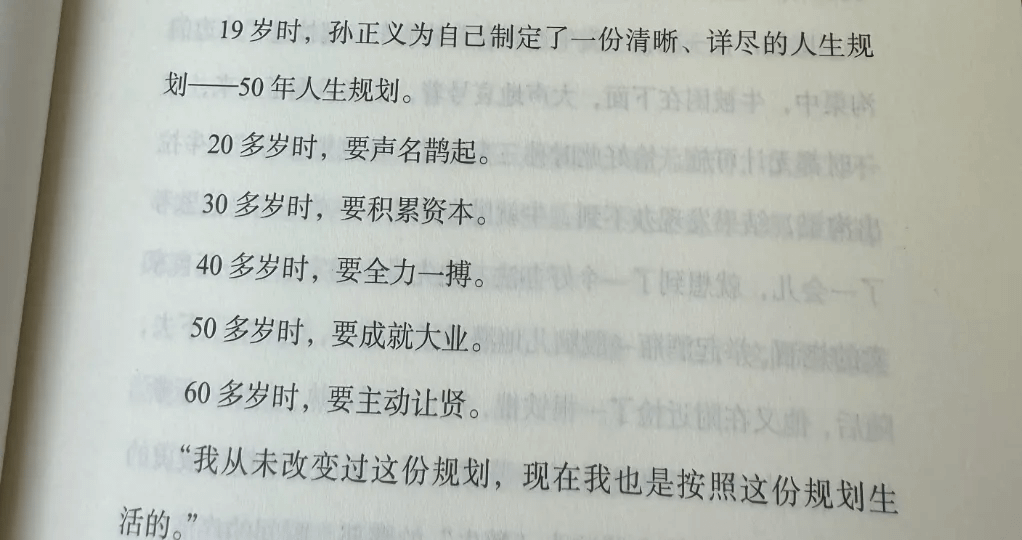
“Old-timer,” never means just someone’s age. It means he has experienced enough ravines and peaks, finally reached a dazzling place, yet can start to calmly look at the towering mountains in front of him.
Thousands of twists and turns can’t change the path; the dusk lingers, the glittering stone is already dim. The bear roars and the dragon bellows over the rock spring; the chestnut is deep, the forest layers—startled at the heights. The blue sky is vast, with no bottom in sight; the sun and moon shine on the gold-and-silver platforms.
In this way, an investor who started small finally has enough capital—or rather, the confidence that comes from having enough capital—to spend the rest of their life steadily.
Perhaps this is the investing realm we all admire.
Bull and bear cycle back and forth, but the original intention never changes; no greed, no impatience—steady progress!
Think independently, respect logic, embrace uncertainty!