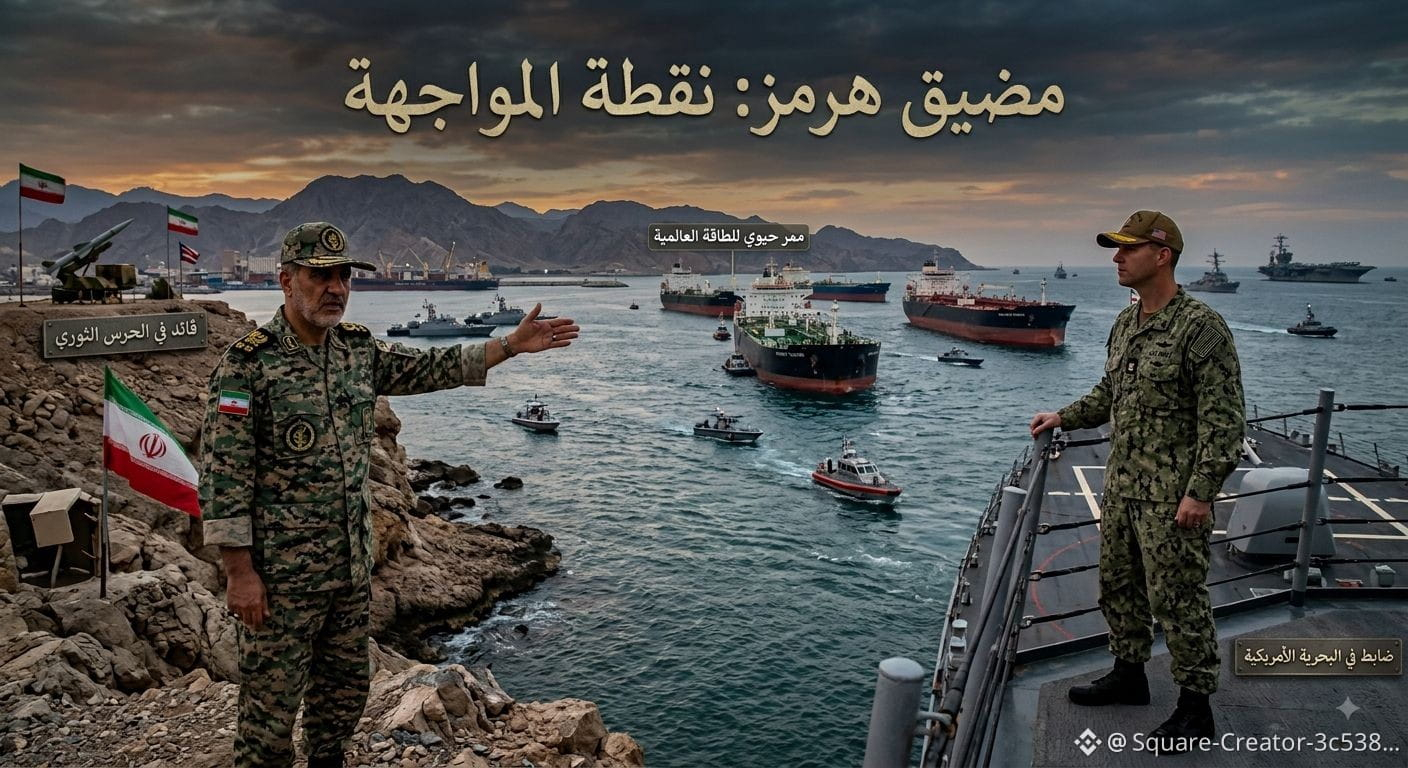
Today, the region stands on the brink of a critical phase marked by diplomatic stagnation and escalating field tensions, as the crisis in the Strait of Hormuz flares up—driving one of the most complex political and military chapters. The issue is no longer just a transient regional dispute; it has evolved into a struggle for influence and competing wills, casting heavy shadows over energy security and the global economy, amid the parties’ inability to reach a consensual formula that ends the state of polarization.
Despite the intense efforts and initiatives witnessed over the past period, reaching a final, comprehensive agreement still runs into each side’s insistence on its own ceiling of conditions. Tehran insists on using the maritime card and controlling navigation in the Strait of Hormuz as a strategic pressure tool to compel Washington to lift sanctions and dismantle the blockade. In turn, the United States pursues a policy of pressure and a steel-hard siege, hinting at imposing new control frameworks on the strait to protect the flow of international trade.
Amid this sovereign deadlock, Omani mediation efforts stand out as a likely main outlet by proposing technical and practical solutions based on drawing safe navigation routes that ensure the passage of commercial tankers and defuse direct confrontation. However, the absence of trust makes these ideas only a temporary easing—especially after the time limits of previous understandings have passed without the signing of a lasting document that would restore stability to the region.$BTC
Despite the intense efforts and initiatives witnessed over the past period, reaching a final, comprehensive agreement still runs into each side’s insistence on its own ceiling of conditions. Tehran insists on using the maritime card and controlling navigation in the Strait of Hormuz as a strategic pressure tool to compel Washington to lift sanctions and dismantle the blockade. In turn, the United States pursues a policy of pressure and a steel-hard siege, hinting at imposing new control frameworks on the strait to protect the flow of international trade.
Amid this sovereign deadlock, Omani mediation efforts stand out as a likely main outlet by proposing technical and practical solutions based on drawing safe navigation routes that ensure the passage of commercial tankers and defuse direct confrontation. However, the absence of trust makes these ideas only a temporary easing—especially after the time limits of previous understandings have passed without the signing of a lasting document that would restore stability to the region.$BTC