
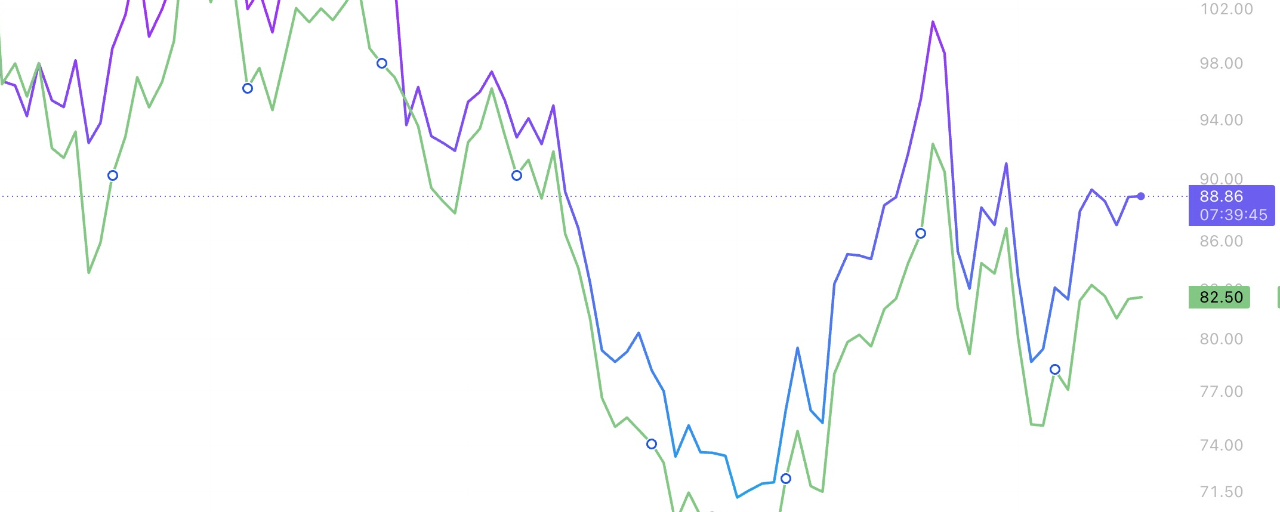
Latest update and analysis of developments between the US and Iran:
1, Iran’s parliament is accelerating the passage of (the Strait of Hormuz law). Iran is asserting its sovereignty over the Strait of Hormuz through international legislation. Once the bill is passed, the situation in the strait—and Iran’s hostile stance toward countries led by the US and the West—will not be friendly
2, An oil tanker operated by the National Iranian Oil Company (NIOC) was attacked, the third cargo ship in the incident. Military personnel friction has also occurred between Iran and Qatar. Earlier, three Iranian pilots were confirmed to be held by Qatar, but Qatar later denied it. As an important regional mediator, Qatar having soured relations with Iran at this time is not a good sign.
3, Iran’s foreign minister once again clarified that at this stage, the agreement reached with Oman concerns only the issue of shipping routes and does not mean that the strait will be restored. Iran continues to maintain a tough diplomatic stance to prevent energy prices from weakening and to ease pressure on Trump.

4, Kpler data shows that on Saturday only 5 cargo ships passed through the strait, and on Sunday the record was zero. Last week’s total was 31 vessels. The actual situation in shipping has weakened further, which in turn has stimulated energy prices to rise.
5, Reports over the weekend revealed that the U.S. had earlier moved to overturn the 60-day ceasefire agreement quickly because it was unable to determine whether its negotiating representatives could speak on behalf of Iran’s Islamic Revolutionary Guard Corps (the hardliners). During this period, the U.S. tried to contact senior officials within the IRGC. Iran denied this matter. This kind of move is still part of the U.S.’ “psychological warfare” strategy—the core is to stir up contradictions between Iran’s internal leadership and the IRGC.
6, The 60-day ceasefire agreement between the U.S. and Iran is nearing its expiration. As of now, neither side has given a clear indication of whether they will extend the agreement. According to media reports from Saudi Arabia so far, the extension of the 60-day ceasefire agreement between the U.S. and Iran has already been approved. The next step is to see whether the two sides officially confirm it.
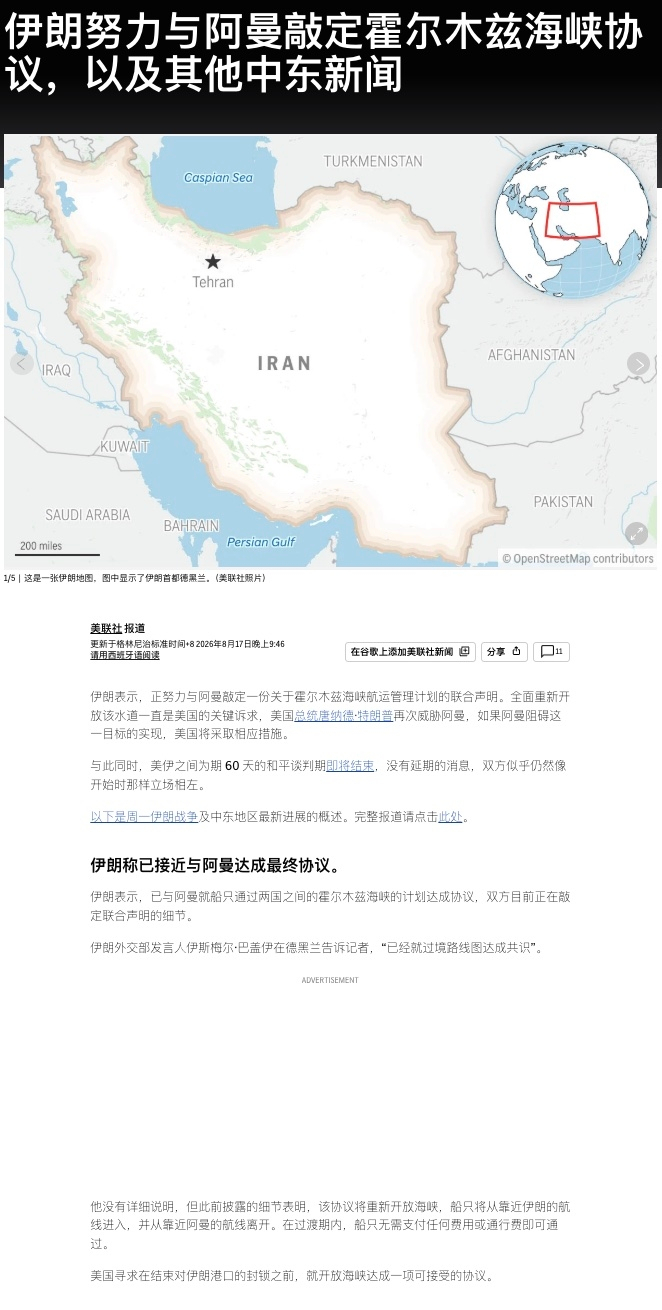
7, Trump “hammers” Oman, treating Oman as a stumbling block preventing the U.S. from dealing with the Strait issue, and threatens to bomb Oman. This move undeniably turns Oman from a mediator into an adversary. Trump’s indiscriminate attacks have once again expanded the risk of war between the U.S. and Iran, while further lowering market expectations for a straits agreement.
Summary for this stage:
In the first stage, focus on the progress of the U.S.-Iran memorandum of understanding, as this will affect the key factor of whether the two sides will resume military conflict. In the second stage, focus on the advancement of the Iran-Oman straits agreement, as this will affect expectations for straits navigation. In the third stage, focus on whether Iran’s parliament will quickly pass legislation regarding the (strait bill) to make it law. Finally, it all comes down to whether the actual number of vessels transiting through the strait gradually recovers—this is a key factor directly affecting the balance of energy supply and prices.
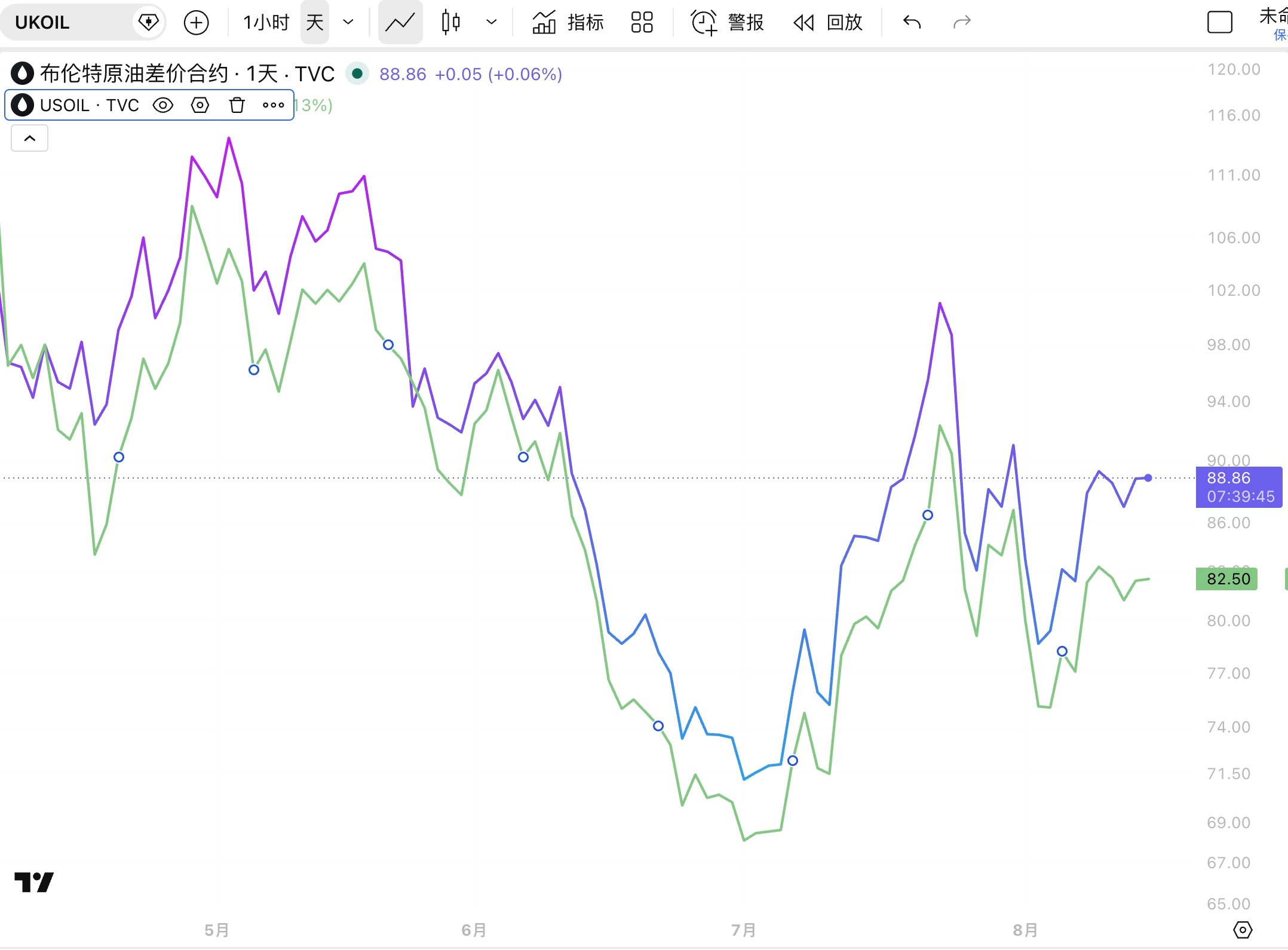
The most critical factor is that as long as the U.S. and Iran avoid direct hostilities, geopolitical risks will be greatly constrained from escalating. The rest depends on the diplomatic maneuvering between the two sides. You can see that the role of the regional mediating countries is weakening at the current stage—this is a rather pessimistic signal.