

橙子Joyce
522 Posts

橙子Joyce
 Square Verified+
十年以上美股市场投研策略|WEB3项目投研|十年以上投资BTC.ETH.BNB.SOL|贵金属投资策略黄金.白银.铜|中长期价值投资者|推特X:@Joyce88AI|✨星河社区联合创始人✨

BNB Holder
Frequent Trader
8.8 Years
878 Following
37.8K+ Followers
45.8K+ Liked
Posts
All
Quotes
Videos
Live
PINNED
Verified
NVDAUS+0.61%
GOOGLUS+0.11%
SPCXUS+0.74%
PINNED
NVDAUS+0.61%
SOXLETF+1.30%
SPCXUS+0.74%
长风Nova
·
--
Bullish🧧🧧Sol red packet click to claim 【Share & Like】
Friendly reminder: Today is October 5
Only two days left of the National Day holiday
Reply in the comments: “sol领取” to claim your red packet 🧧
🔥🔥🔥🔥🔥🔥🔥🔥🔥
Friendly reminder: Today is October 5
Only two days left of the National Day holiday
Reply in the comments: “sol领取” to claim your red packet 🧧
🔥🔥🔥🔥🔥🔥🔥🔥🔥

心月势不可挡
·
--
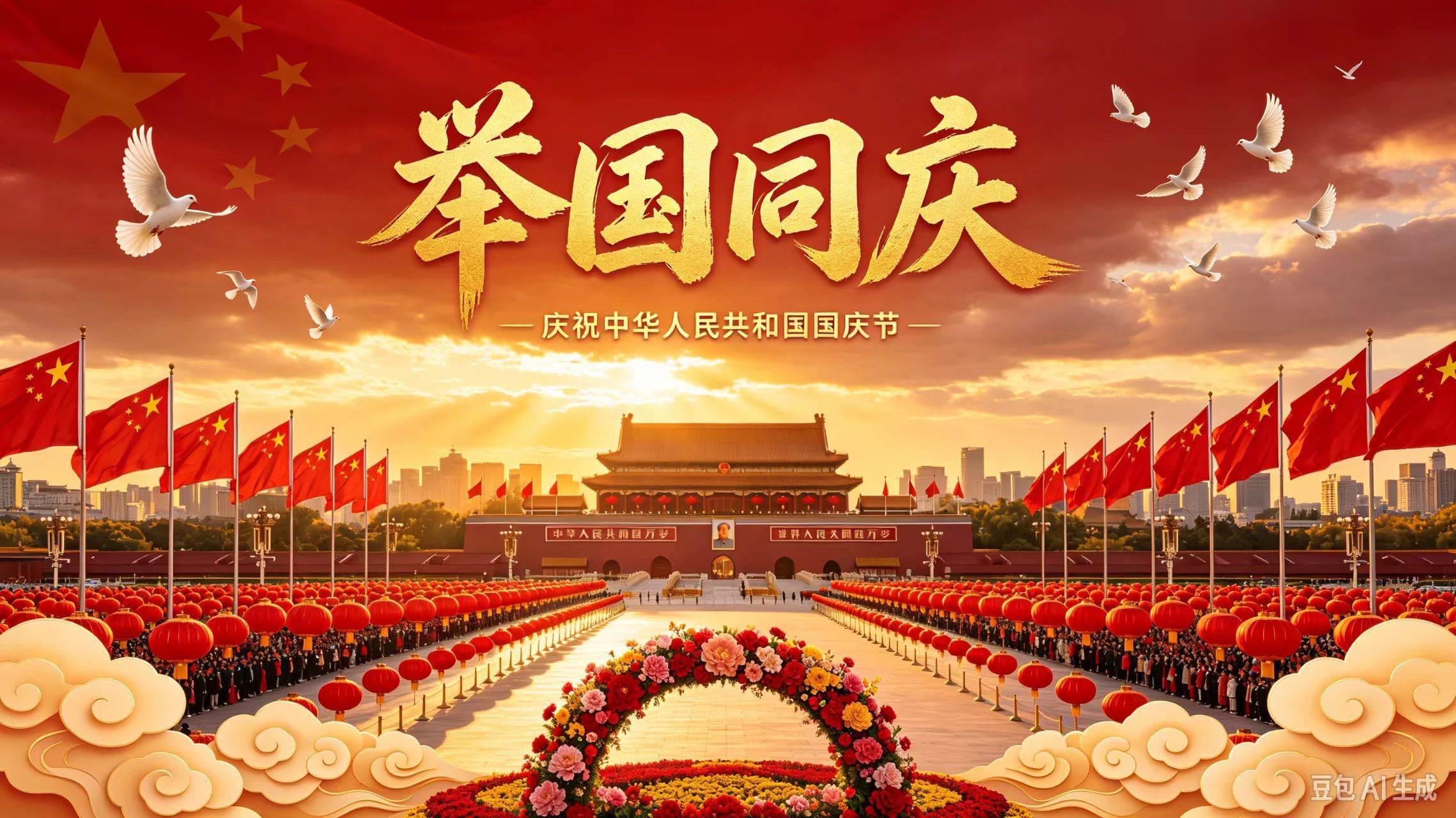
BullishRejoice across the nation and celebrate National Day together. Wishing that the mountains and rivers remain safe and sound, and that our motherland prospers and flourishes.🎉🎉🎉

圣克斯Lucky1688
·
--
🧧🎁🌹🧧🎁🌹
Regulatory and Policy Developments
The U.S. introduces a major digital asset tax bill (ADAPT Act)
On October 1, U.S. Senator Steve Daines officially introduced the 56-page “Act to Align Digital Assets and Tax Principles” (ADAPT Act). The bill aims to establish clear tax rules for stablecoin payments, network fees (gas fees), staking, and lending. It also proposes that digital assets used to pay network, transaction, or gas fees of $10 or less be exempt from recognizing gains or losses. In addition, it provides tax exemptions or simplified reporting for compliant purchases of goods and services using U.S. dollar stablecoins.
Market Trends and Institutional Updates
Macroeconomy and Market Performance
Entering October, the market is closely watching the U.S. September jobs report (non-farm payrolls), CPI data, and the Federal Reserve’s monetary policy direction. Although the crypto market has recently seen an inflow of funds and a quarterly rebound (such as Bitcoin recovering somewhat over the past quarter), analyses indicate that most mainstream assets still face pressure from macro high interest rates (e.g., U.S. Treasury yields remaining at relatively elevated levels) when viewed against their year-to-date trend. The market is overall searching for direction amid “fragmented repairs” and a shift toward compliance.
RWA tokenization platform listed
OpenWorld and VerifyMe have officially announced the completion of their business merger, forming a digital tokenization platform for real-world assets. They began trading on Nasdaq on October 1 under the code “OPNW,” advancing institutional-grade RWA tokenization.
Follow me and take Answer 1 to take away the $SOL 红包!
Regulatory and Policy Developments
The U.S. introduces a major digital asset tax bill (ADAPT Act)
On October 1, U.S. Senator Steve Daines officially introduced the 56-page “Act to Align Digital Assets and Tax Principles” (ADAPT Act). The bill aims to establish clear tax rules for stablecoin payments, network fees (gas fees), staking, and lending. It also proposes that digital assets used to pay network, transaction, or gas fees of $10 or less be exempt from recognizing gains or losses. In addition, it provides tax exemptions or simplified reporting for compliant purchases of goods and services using U.S. dollar stablecoins.
Market Trends and Institutional Updates
Macroeconomy and Market Performance
Entering October, the market is closely watching the U.S. September jobs report (non-farm payrolls), CPI data, and the Federal Reserve’s monetary policy direction. Although the crypto market has recently seen an inflow of funds and a quarterly rebound (such as Bitcoin recovering somewhat over the past quarter), analyses indicate that most mainstream assets still face pressure from macro high interest rates (e.g., U.S. Treasury yields remaining at relatively elevated levels) when viewed against their year-to-date trend. The market is overall searching for direction amid “fragmented repairs” and a shift toward compliance.
RWA tokenization platform listed
OpenWorld and VerifyMe have officially announced the completion of their business merger, forming a digital tokenization platform for real-world assets. They began trading on Nasdaq on October 1 under the code “OPNW,” advancing institutional-grade RWA tokenization.
Follow me and take Answer 1 to take away the $SOL 红包!


慢就是快Mike
·
--
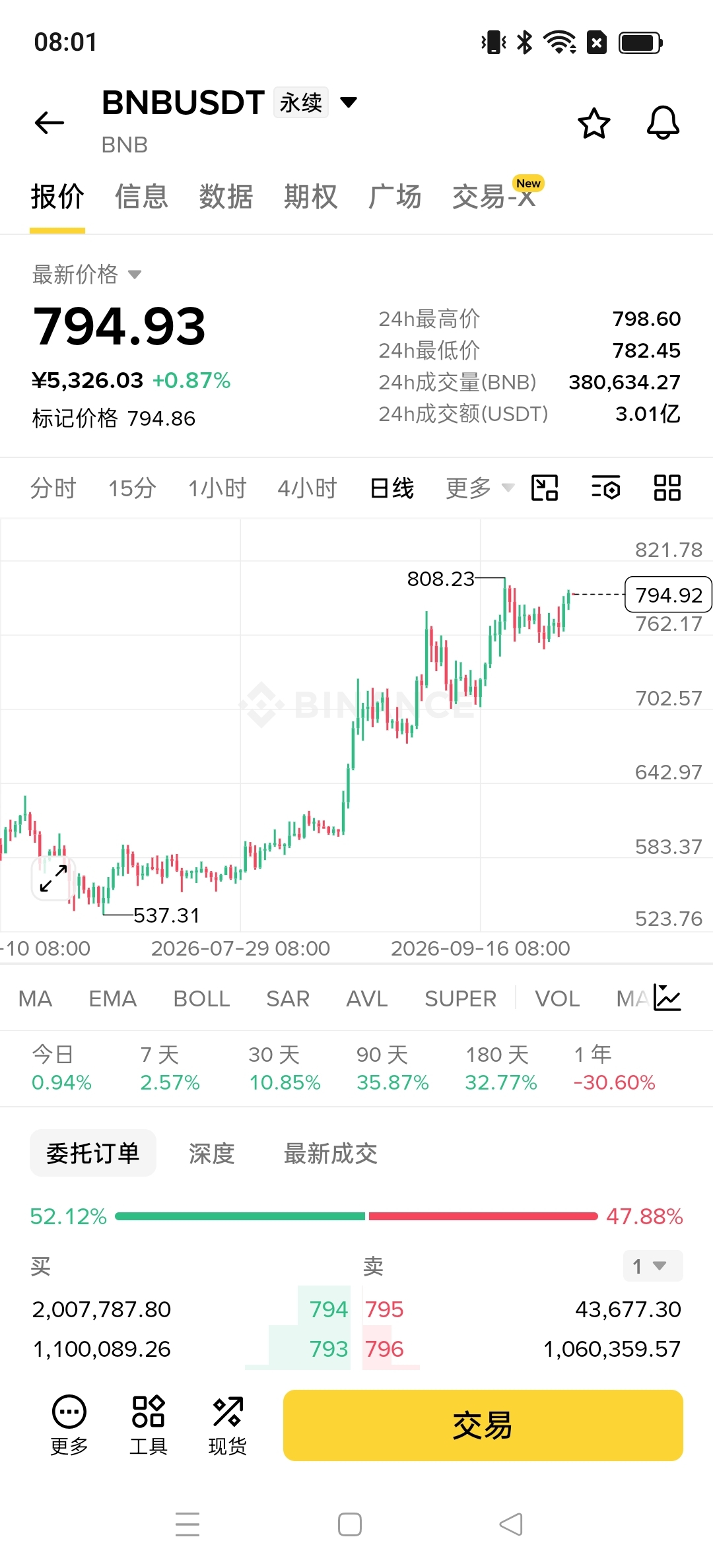
$BNB CZ Announces Binance Secures Multiple New Licenses—This Is a Big Move!
Binance has obtained legal credentials in more places around the world. In an environment where regulation is becoming stricter, operating in compliance is the real way to go.
For Binance, this not only strengthens its position as the global leader, but also makes major institutions and everyday users more confident in placing their funds on Binance
Binance has obtained legal credentials in more places around the world. In an environment where regulation is becoming stricter, operating in compliance is the real way to go.
For Binance, this not only strengthens its position as the global leader, but also makes major institutions and everyday users more confident in placing their funds on Binance


晚风Vesper_1688
·
--
🌅 New Dawn Begins, Stay True to Yourself ✨
Market fluctuations are simply part of life 📊—there’s no need to panic over temporary swings 😌, and don’t let brief noise drag you along 🌊.
Deepen your understanding 📖, wait patiently for your own cycle ⏳, keep your rhythm steady, and cultivate gradually 🌱
All the calm rewards you gain come from the persistence and accumulation of day after day 💎.
Maintain independent thinking 💡—the road is long, but move forward steadily 💛
#交易心理
#比特币冲击8.7万美元遇阻回落
#1688家族family
Market fluctuations are simply part of life 📊—there’s no need to panic over temporary swings 😌, and don’t let brief noise drag you along 🌊.
Deepen your understanding 📖, wait patiently for your own cycle ⏳, keep your rhythm steady, and cultivate gradually 🌱
All the calm rewards you gain come from the persistence and accumulation of day after day 💎.
Maintain independent thinking 💡—the road is long, but move forward steadily 💛
#交易心理
#比特币冲击8.7万美元遇阻回落
#1688家族family


苏菲亚 Sophia
·
--
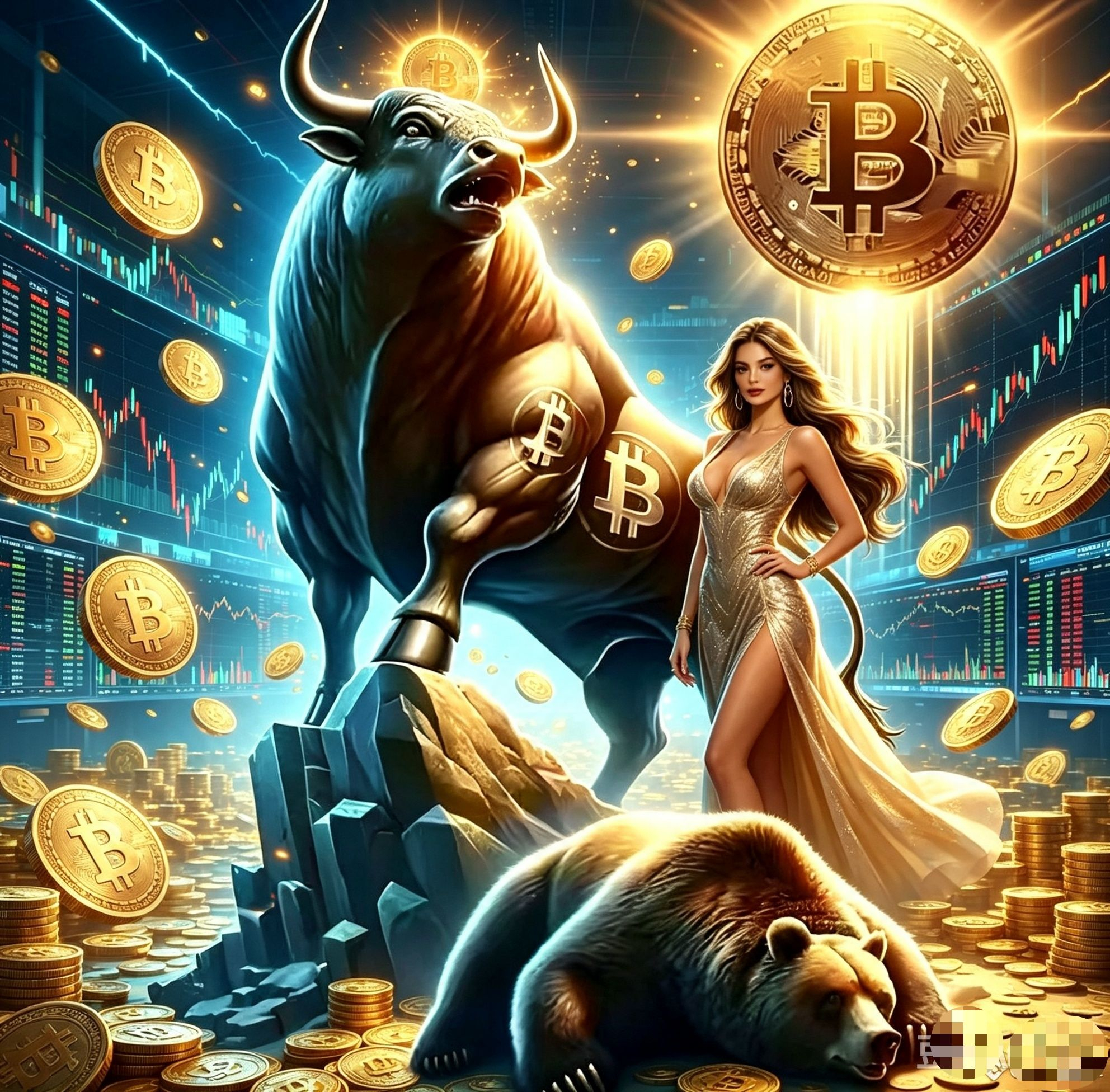
Bull rises and bear hides, and the bull market is on the way! Bitcoin is building momentum—seize new opportunities in the market.
$BTC $ETH $BNB
#比特币冲击8.7万美元遇阻回落
#比特币涨至8.65万美元后回落 #BTC☀
#SEC批准3倍杠杆比特币以太坊ETP
$BTC $ETH $BNB
#比特币冲击8.7万美元遇阻回落
#比特币涨至8.65万美元后回落 #BTC☀
#SEC批准3倍杠杆比特币以太坊ETP

静心1688
·
--
🎉 Follow & Like to Claim 🎁🎁🎁
#比特币现货ETF三季度净流入63.4亿美元
#比特币现货ETF三季度净流入63.4亿美元


兰汐kyL
·
--
$BTC Keep going, soaring hard, falling hard too. The bull market has already started—the main rally in the crypto world is just one last step away! Today, Bitcoin is again hovering near the previous high of around 87,000. Once it truly breaks through, it could very likely come with a big bullish candle! So the question is: will Bitcoin break out? Leave your valuable advice in the comments section! Tap that little hand of yours that’s about to get rich—give it a like! #比特币冲击8.7万美元遇阻回落

燕寶Melissa
·
--
🚀 Arthur Hayes Calls Out: ETH by year-end could hit $10,000! Has Ethereum’s opportunity really been underestimated?
While the market’s attention keeps shifting to Solana, AI, and all kinds of new narratives, Arthur Hayes gives a different answer: beyond Bitcoin, he’s more bullish on Ethereum! 🔥
At CoinDesk Live’s KBW 2026 Seoul event, BitMEX co-founder Arthur Hayes was asked about his most favored non-Bitcoin crypto asset. He clearly chose ETH and made a striking prediction:
🎯 By the end of the year, Ethereum could reach $10,000!
Why does he still favor ETH?
🔹 1️⃣ Security: a key consideration for institutional allocations
🔹 2️⃣ Liquidity: large capital needs enough market depth
🔹 3️⃣ Ecosystem value: not just a token
🔹 4️⃣ Market sentiment: diverted by new narratives doesn’t mean value disappears
📊 Three signals worth watching next:
🏦 Are institutional funds continuing to flow into ETH?
🔗 Can Ethereum on-chain activity, stablecoin and RWA volumes keep growing?
📈 Do BTC’s trend and global liquidity provide a favorable environment for ETH?
What’s truly worth thinking about isn’t whether ETH will rise just because of a headline, but whether it can continuously prove its network value and role as financial infrastructure.
#比特币现货ETF三季度净流入63.4亿美元
$BTC
$ETH
$BNB
While the market’s attention keeps shifting to Solana, AI, and all kinds of new narratives, Arthur Hayes gives a different answer: beyond Bitcoin, he’s more bullish on Ethereum! 🔥
At CoinDesk Live’s KBW 2026 Seoul event, BitMEX co-founder Arthur Hayes was asked about his most favored non-Bitcoin crypto asset. He clearly chose ETH and made a striking prediction:
🎯 By the end of the year, Ethereum could reach $10,000!
Why does he still favor ETH?
🔹 1️⃣ Security: a key consideration for institutional allocations
🔹 2️⃣ Liquidity: large capital needs enough market depth
🔹 3️⃣ Ecosystem value: not just a token
🔹 4️⃣ Market sentiment: diverted by new narratives doesn’t mean value disappears
📊 Three signals worth watching next:
🏦 Are institutional funds continuing to flow into ETH?
🔗 Can Ethereum on-chain activity, stablecoin and RWA volumes keep growing?
📈 Do BTC’s trend and global liquidity provide a favorable environment for ETH?
What’s truly worth thinking about isn’t whether ETH will rise just because of a headline, but whether it can continuously prove its network value and role as financial infrastructure.
#比特币现货ETF三季度净流入63.4亿美元
$BTC
$ETH
$BNB

Quoted content has been removed

WOLF 狼
·
--
BullishWeekend vibes and crypto rewards 🎉🧧
To celebrate our active community, I am dropping a special Follow & Win Red Packet event right here.🧧
Keep building, keep believing, and let's keep winning together! 🚀✨
$SOL
$SOL
To celebrate our active community, I am dropping a special Follow & Win Red Packet event right here.🧧
Keep building, keep believing, and let's keep winning together! 🚀✨
$SOL
$SOL


艾伦Eren1688
·
--
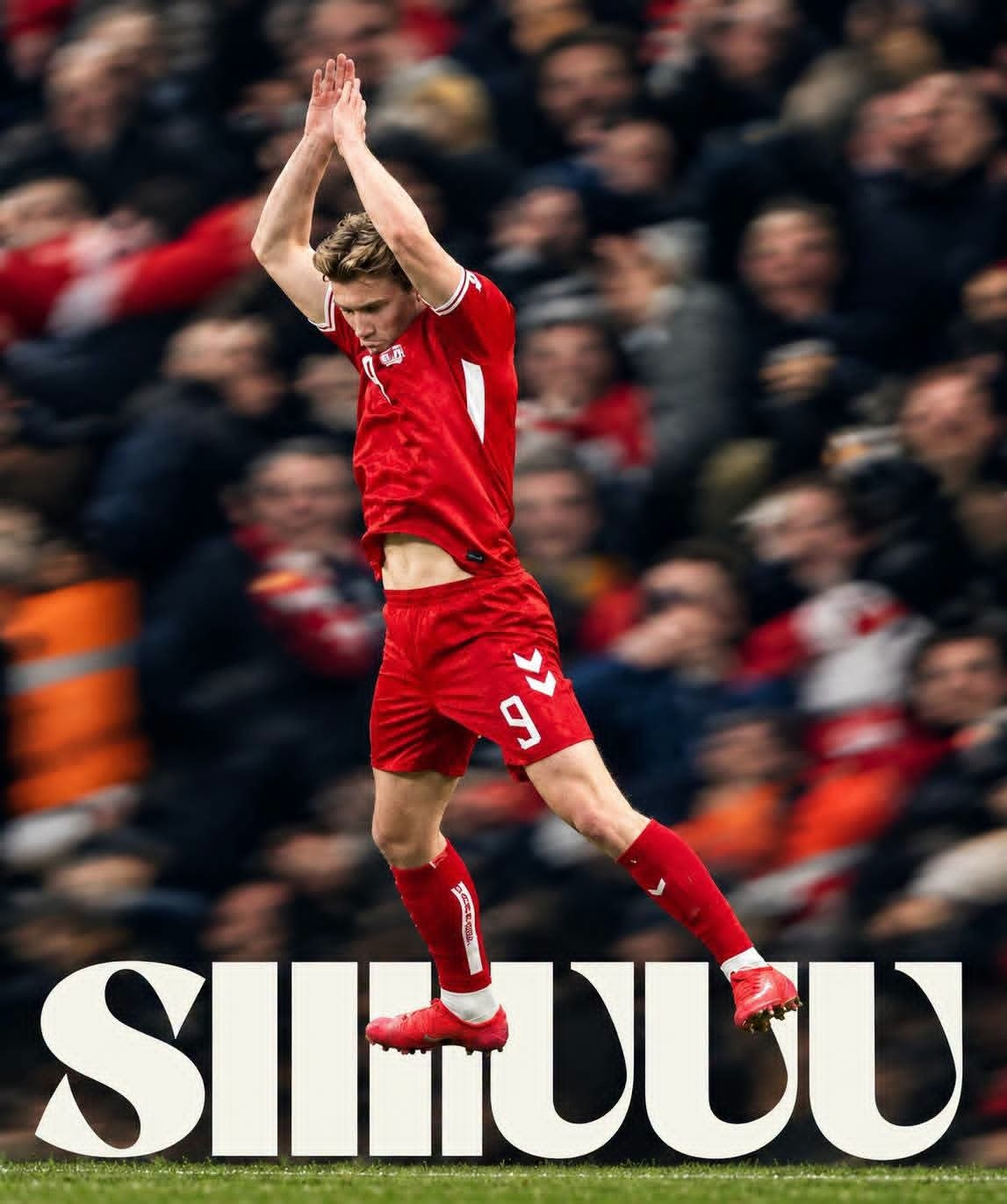
BullishHøjlund, people will always remember this moment.🇩🇰❤️
Although the Portugal team beat the Denmark team 4-2, Højlund’s celebration carried a deeper meaning.
When he scored against Portugal, he made his signature “SIUUUU” celebration—exactly like the one he did in 2025. Back then, he explained that it wasn’t mockery, but a tribute to the superstar who inspired him to grow. Later, after scoring in the second-leg match, Cristiano Ronaldo returned the same celebration.
However, last night felt completely different.
After Ronaldo left the Portugal national team following a clash with Jorge Jesus, Højlund realized that this idol’s national team career might be nearing its end.
After scoring, he looked toward the stands and made the “SIUUUU” gesture, as if declaring: “This is the legacy of Cristiano Ronaldo.”
Then, when the final whistle blew, he refused to shake hands with Jorge Jesus and, looking visibly displeased, pushed him in the chest.
After the match, Højlund said: “It’s just to pay tribute to that man—especially after what happened—someone whose national team career might be over. He is my great idol.”
This is not just a celebration.
It’s a young player standing up against the injustice and disrespect suffered by his idol, while also showing respect to the one who inspired him.
What else can be said? Only thanks.
Thank you, Højlund. 🇩🇰❤️
Continue 20k!
#1688家族family #prediction...
Although the Portugal team beat the Denmark team 4-2, Højlund’s celebration carried a deeper meaning.
When he scored against Portugal, he made his signature “SIUUUU” celebration—exactly like the one he did in 2025. Back then, he explained that it wasn’t mockery, but a tribute to the superstar who inspired him to grow. Later, after scoring in the second-leg match, Cristiano Ronaldo returned the same celebration.
However, last night felt completely different.
After Ronaldo left the Portugal national team following a clash with Jorge Jesus, Højlund realized that this idol’s national team career might be nearing its end.
After scoring, he looked toward the stands and made the “SIUUUU” gesture, as if declaring: “This is the legacy of Cristiano Ronaldo.”
Then, when the final whistle blew, he refused to shake hands with Jorge Jesus and, looking visibly displeased, pushed him in the chest.
After the match, Højlund said: “It’s just to pay tribute to that man—especially after what happened—someone whose national team career might be over. He is my great idol.”
This is not just a celebration.
It’s a young player standing up against the injustice and disrespect suffered by his idol, while also showing respect to the one who inspired him.
What else can be said? Only thanks.
Thank you, Højlund. 🇩🇰❤️
Continue 20k!
#1688家族family #prediction...

奋斗Hustle1688
·
--
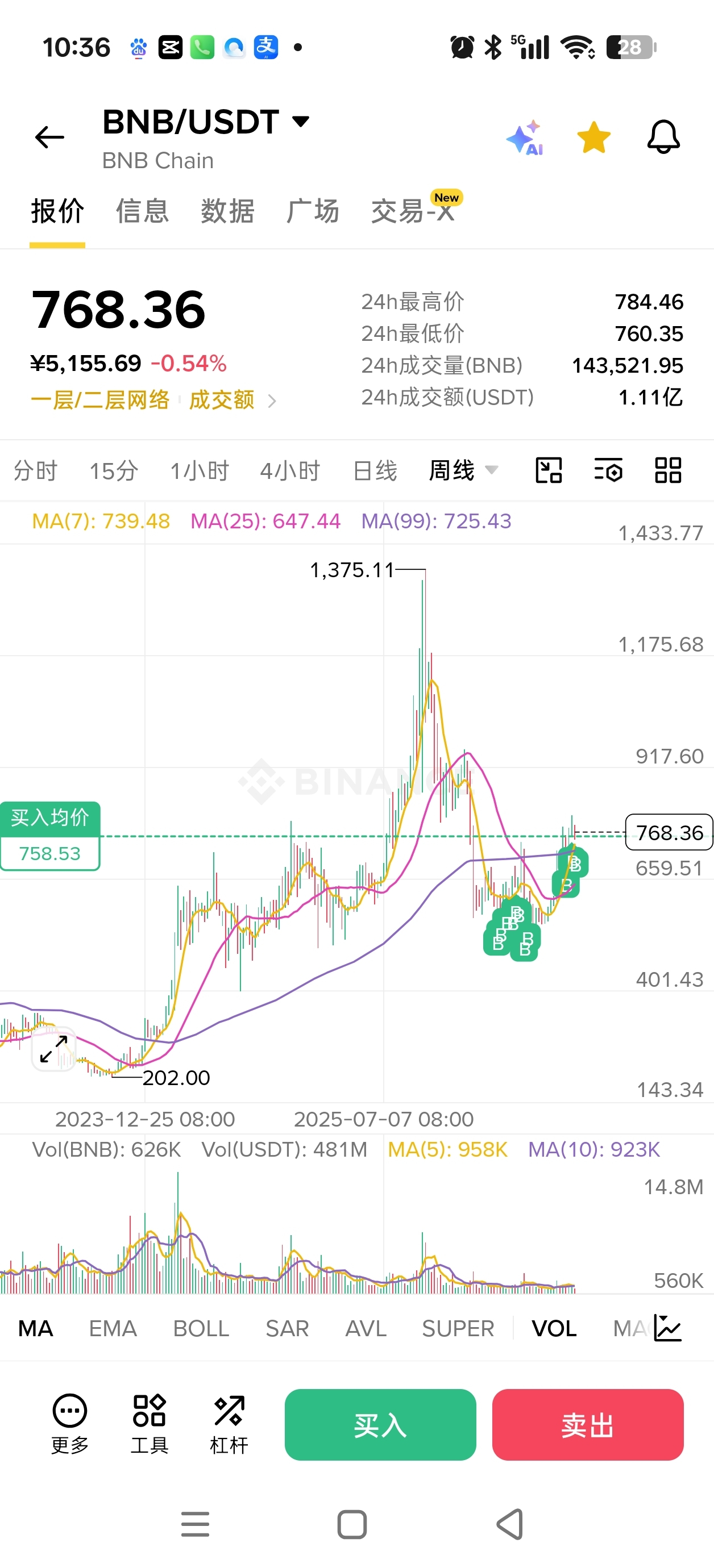
$BNB Here’s a basic overview of the crypto market for everyone:
1. If you want to control risk as much as possible and achieve stable profits in the crypto world, first focus on the top-cap coins. The core is to choose from BTC, ETH, SOL, BNB.
2. After selecting the target, assess the trend of the long-term (major) cycle and hold long term. One major cycle often takes 2–3 years, with expected returns of about 3–5x.
3. After you understand the 2–3-year major cycle, if you want to further amplify returns, you can learn basic candlestick patterns, or refer to the thinking of experienced traders. Then, within the major cycle, do mid-level swing trades to boost the original 3–5x行情 to 5–10x.
4. When you confirm that the major cycle outlook is favorable, you can use a small position to allocate to potential “sector-leading” coins, aiming for 10x or more returns.
5. Key point: When the major cycle is nearing its end, take profit in a timely manner. Lock in gains and protect your profits to avoid them being given back significantly.
1. If you want to control risk as much as possible and achieve stable profits in the crypto world, first focus on the top-cap coins. The core is to choose from BTC, ETH, SOL, BNB.
2. After selecting the target, assess the trend of the long-term (major) cycle and hold long term. One major cycle often takes 2–3 years, with expected returns of about 3–5x.
3. After you understand the 2–3-year major cycle, if you want to further amplify returns, you can learn basic candlestick patterns, or refer to the thinking of experienced traders. Then, within the major cycle, do mid-level swing trades to boost the original 3–5x行情 to 5–10x.
4. When you confirm that the major cycle outlook is favorable, you can use a small position to allocate to potential “sector-leading” coins, aiming for 10x or more returns.
5. Key point: When the major cycle is nearing its end, take profit in a timely manner. Lock in gains and protect your profits to avoid them being given back significantly.
奋斗Hustle1688
·
--
[Replay] 🎙️ DCA into BNB, CZ says something big is about to happen—does anyone know what it is?
02 h 24 m 49 s · 2.9k listens
圣克斯Lucky1688
·
--
🧧🎁🌹🧧🎁🌹
Uniswap Trading Data: According to statistics, in the tokenized stock trades that took place on Uniswap in September, as much as 71% of transactions occurred outside U.S. stock market hours, with nearly half concentrated during the traditional exchanges’ closed period—highlighting the unique advantage of blockchain’s round-the-clock trading.
Avalanche Shines: Driven by Securitize, the Avalanche blockchain led the industry in the growth of tokenized stocks in September, with its monthly market value surging by approximately $245.5 million.
Follow me—answer 1 to take the $SOL 红包!
🧧🎁🌹🧧🎁🌹
Uniswap Trading Data: According to statistics, in the tokenized stock trades that took place on Uniswap in September, as much as 71% of transactions occurred outside U.S. stock market hours, with nearly half concentrated during the traditional exchanges’ closed period—highlighting the unique advantage of blockchain’s round-the-clock trading.
Avalanche Shines: Driven by Securitize, the Avalanche blockchain led the industry in the growth of tokenized stocks in September, with its monthly market value surging by approximately $245.5 million.
Follow me—answer 1 to take the $SOL 红包!
🧧🎁🌹🧧🎁🌹
·
--
🎙️ No market action this weekend; BTC is barely moving—let’s all chat together 🚀🚀🚀

End
02 h 30 m 18 s
3.6k
10

慢就是快Mike8
·
--
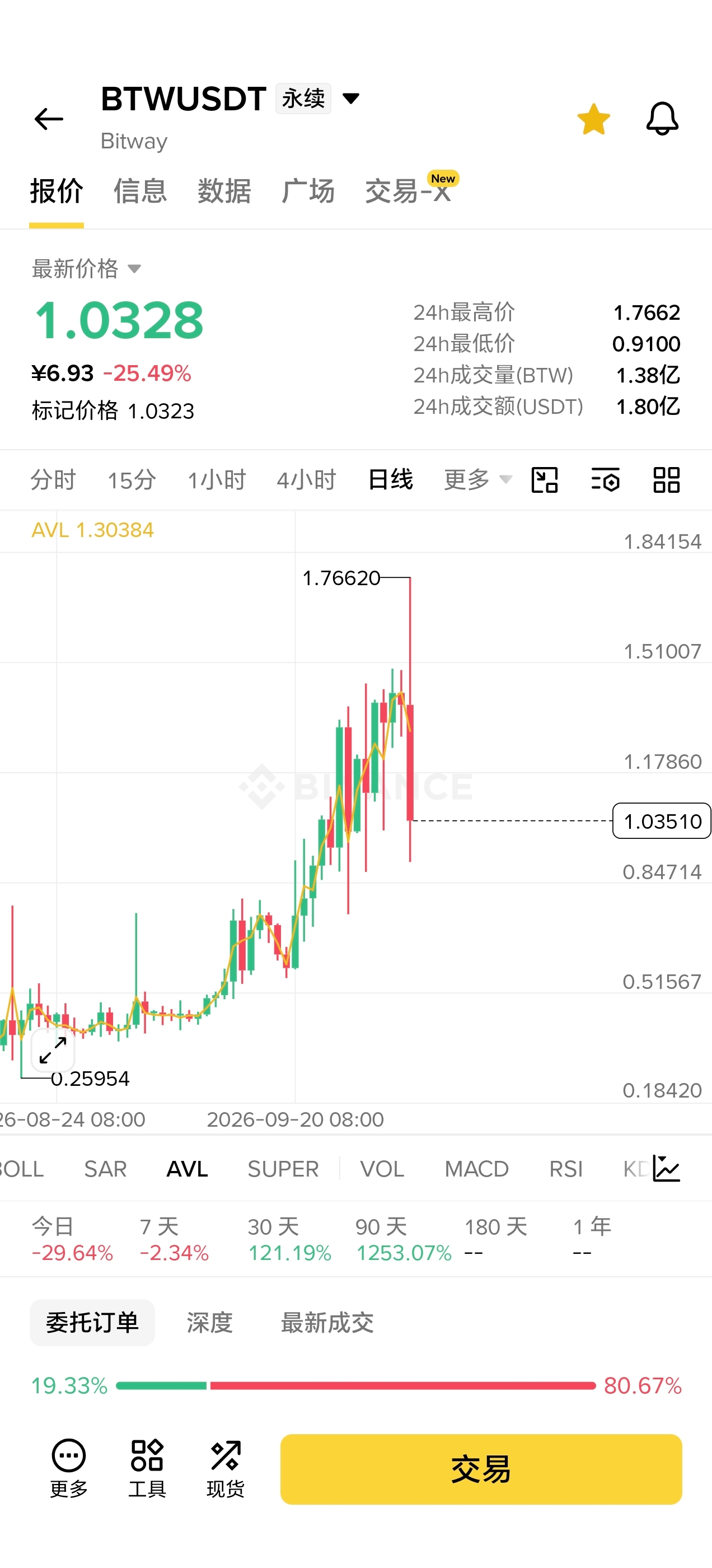
$BTW is too serious in controlling the market; both long and short sides are being strangled!


路人1688luren
·
--
BullishThe best way for people to get along is just six words: understand, respect, and leave room. Understand is the gentlest resonance between hearts. No need for a thousand words, no need for overly careful explanations. When you hesitate to speak, someone can read your meaning; when you have untold hardships, someone can empathize. Respect is the bottom line of any relationship. No matter how good the feelings are, respect cannot be set aside. Everyone is an independent individual, with different thoughts and different choices. Accept each other’s differences, and be considerate of each other’s difficulties. If you keep my boundaries, and I take your feelings into account, then the relationship can be steady and lasting. Leave room is the wisdom of maintaining relationships. Even the closest people can’t have zero space between them. Distance isn’t necessarily drifting apart, and leaving room isn’t coldness. Just like in painting: too much heavy ink can feel stifling. With an appropriate amount of blank space, the picture becomes more pleasant to look at. Between people, leaving some room makes getting along easier and more comfortable. With good fortune comes meeting; with care comes measure. Hold onto understanding, keep your respect, and leave enough room—then you can stay together without getting tired of each other, and make small talk without it becoming tedious. $USD1
.#NEARIntents追回380万美元结束调查
.#NEARIntents追回380万美元结束调查



Log in to explore more content