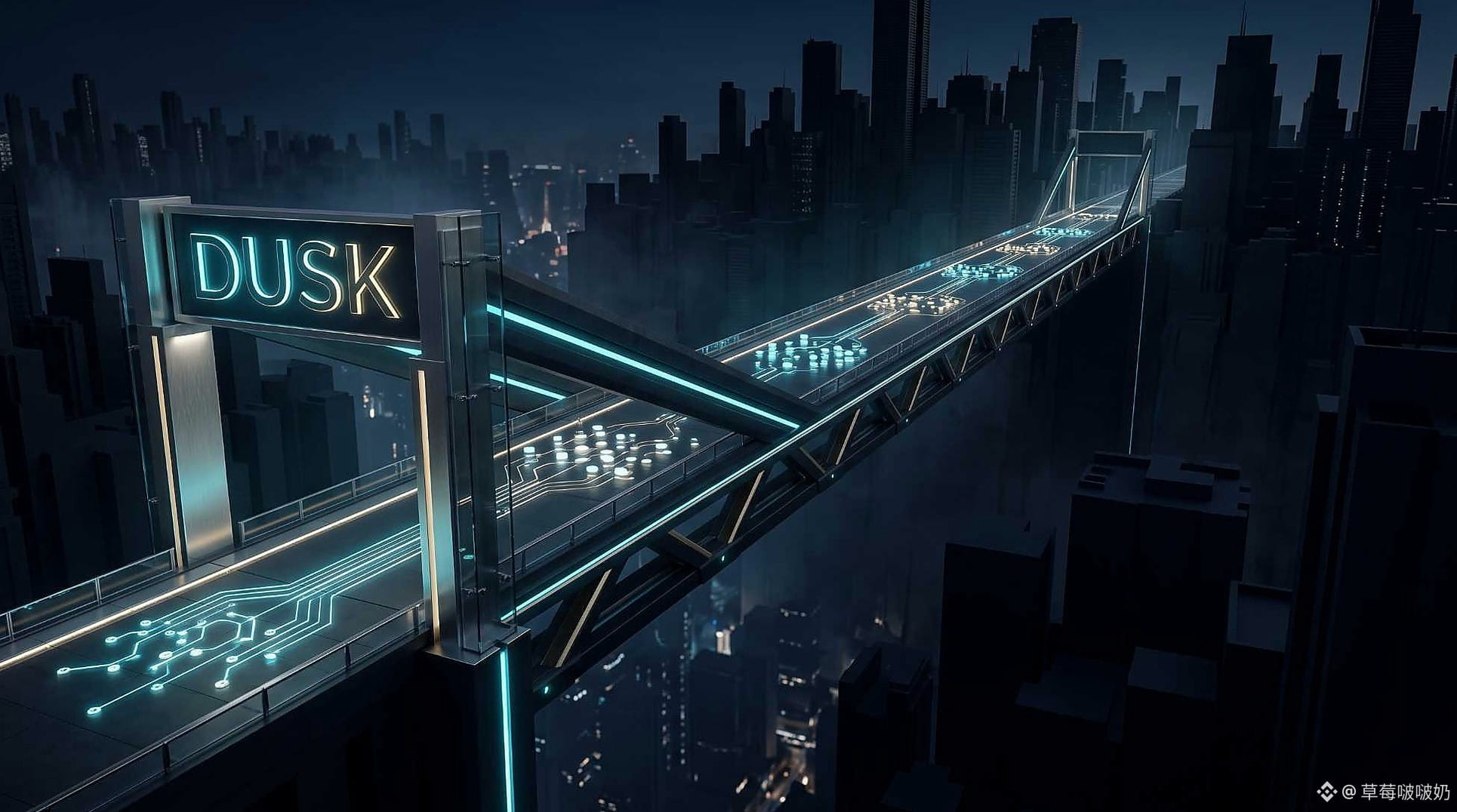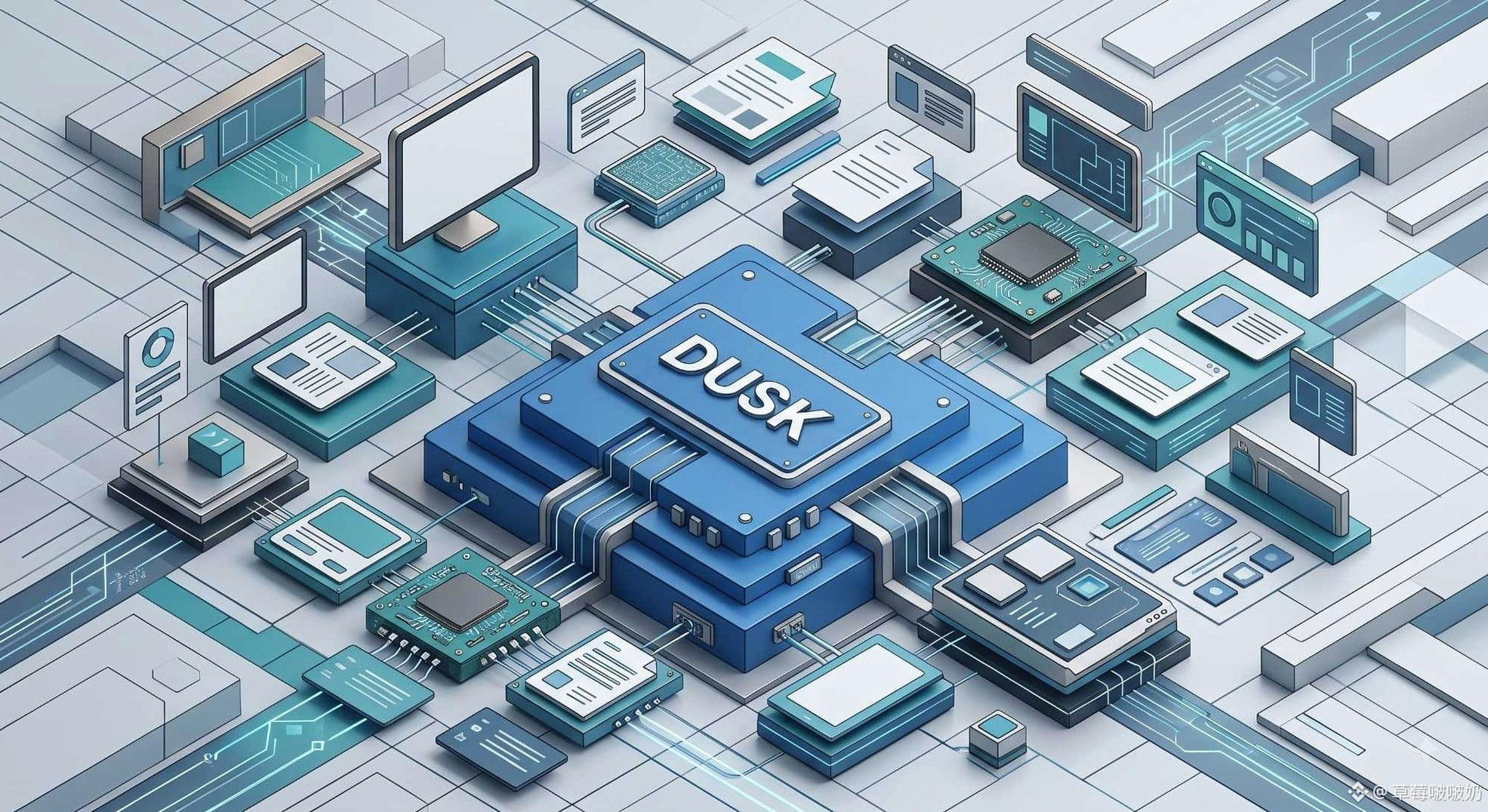
I recently looked at @DuskFoundation’s RWA roadmap. My attention isn’t on the slogan of “moving assets on-chain,” but on a more fundamental question: are the assets being mapped onto the chain, or are they governed by on-chain rules from issuance onward? On the pages, both approaches may show a token, but the underlying legal rights, registration systems, and settlement responsibilities are completely different.
Dusk emphasizes native issuance. It aims to put investor eligibility, transfer restrictions, disclosures, and settlement into a single regulated process. It works with the Dutch trading platform NPEX and is also pushing regulatory applications for a DLT-based trading and settlement system. On the website, Dusk Trade is also labeled as “Building,” rather than being fully operational. This detail matters: partnership, licensing capabilities, technical foundations, and tradeable asset availability are four distinct stages. You can’t compress them into the same “completely done” status with a single line like “compliant RWA.”
Once the business truly starts, the pressure won’t come only from throughput. Updating issuer information, changes in investor eligibility, corporate actions, redemptions, and restrictions on secondary transfers—any link that still relies on off-chain manual databases could cause what’s supposed to be native issuance to turn into a dual-ledger arrangement again. Privacy is also not automatically a plus. Regulators need to be able to selectively view information, while market participants need clarity on what will be publicly disclosed. If the permission design is even slightly ambiguous, compliance and liquidity will end up pulling against each other.
So now I’m watching #dusk —I’m more interested in how the first batch of real assets will actually be implemented: whether legal registration is determined by on-chain status, which step NPEX’s process integration reaches, what the settlement asset is, whether corporate actions can be executed automatically, and whether the secondary market has ongoing trading. The network demand behind $DUSK ultimately has to be generated by these real issuance, trading, and settlement actions—not by the partnership roster itself.
Dusk’s appeal isn’t just “getting a financial gateway,” but whether it can connect legal rights, privacy permissions, and on-chain final status into a single ledger. Announcements can show the direction; only assets that complete the full lifecycle in the first batch will prove whether this path truly works.
@Dusk $ETH $DOLO
Dusk emphasizes native issuance. It aims to put investor eligibility, transfer restrictions, disclosures, and settlement into a single regulated process. It works with the Dutch trading platform NPEX and is also pushing regulatory applications for a DLT-based trading and settlement system. On the website, Dusk Trade is also labeled as “Building,” rather than being fully operational. This detail matters: partnership, licensing capabilities, technical foundations, and tradeable asset availability are four distinct stages. You can’t compress them into the same “completely done” status with a single line like “compliant RWA.”
Once the business truly starts, the pressure won’t come only from throughput. Updating issuer information, changes in investor eligibility, corporate actions, redemptions, and restrictions on secondary transfers—any link that still relies on off-chain manual databases could cause what’s supposed to be native issuance to turn into a dual-ledger arrangement again. Privacy is also not automatically a plus. Regulators need to be able to selectively view information, while market participants need clarity on what will be publicly disclosed. If the permission design is even slightly ambiguous, compliance and liquidity will end up pulling against each other.
So now I’m watching #dusk —I’m more interested in how the first batch of real assets will actually be implemented: whether legal registration is determined by on-chain status, which step NPEX’s process integration reaches, what the settlement asset is, whether corporate actions can be executed automatically, and whether the secondary market has ongoing trading. The network demand behind $DUSK ultimately has to be generated by these real issuance, trading, and settlement actions—not by the partnership roster itself.
Dusk’s appeal isn’t just “getting a financial gateway,” but whether it can connect legal rights, privacy permissions, and on-chain final status into a single ledger. Announcements can show the direction; only assets that complete the full lifecycle in the first batch will prove whether this path truly works.
@Dusk $ETH $DOLO