



These days, the movie (Cow Comes) has been blazing across the internet. This “rough film” has already nearly reached 3 million in box office, and Maoyan’s estimated box office is over 18 million.
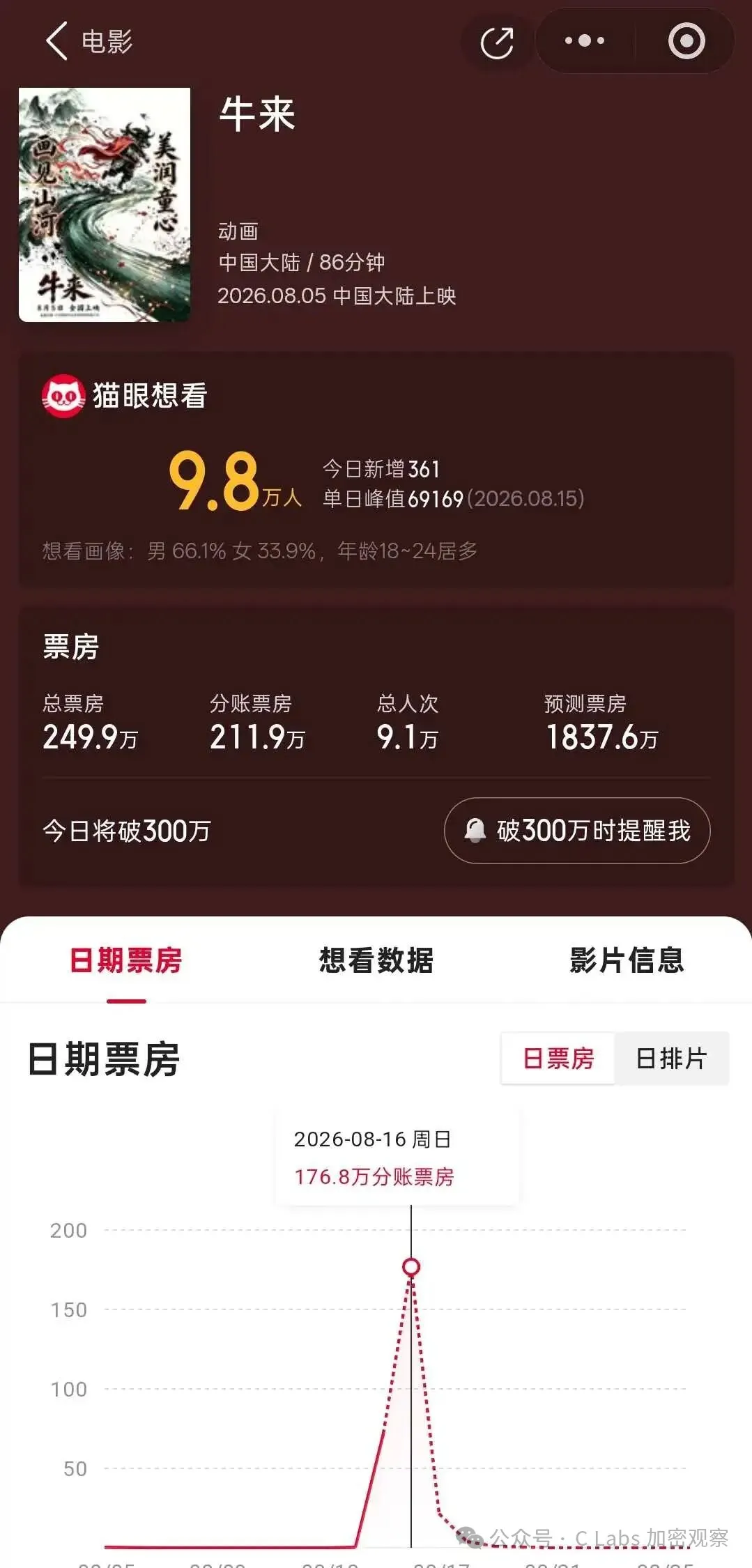
Because the distribution and production are handled by the mother and son duo; after excluding the theater’s share, they should end up with close to ten million!
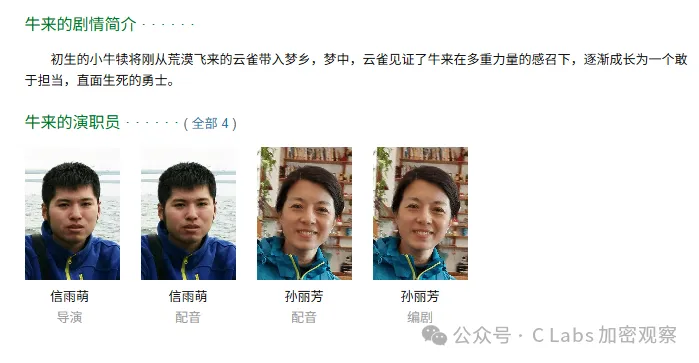
Although the current mainstream reputation is still “low mountain meets flowing water and finds a kindred spirit,” I think this film absolutely has the potential to become a masterpiece.
First of all, this isn’t a children’s movie—it’s really about investment.
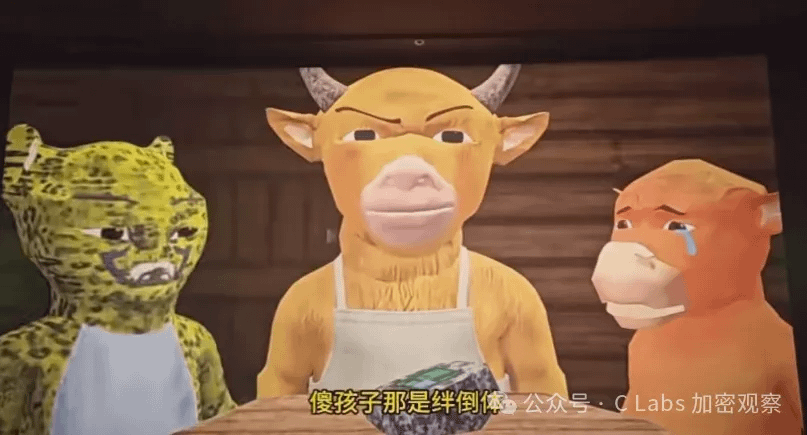
And said, “Don’t trip up a body, even a dog won’t touch it,”
And the current bull market in stocks is driven by semiconductors!
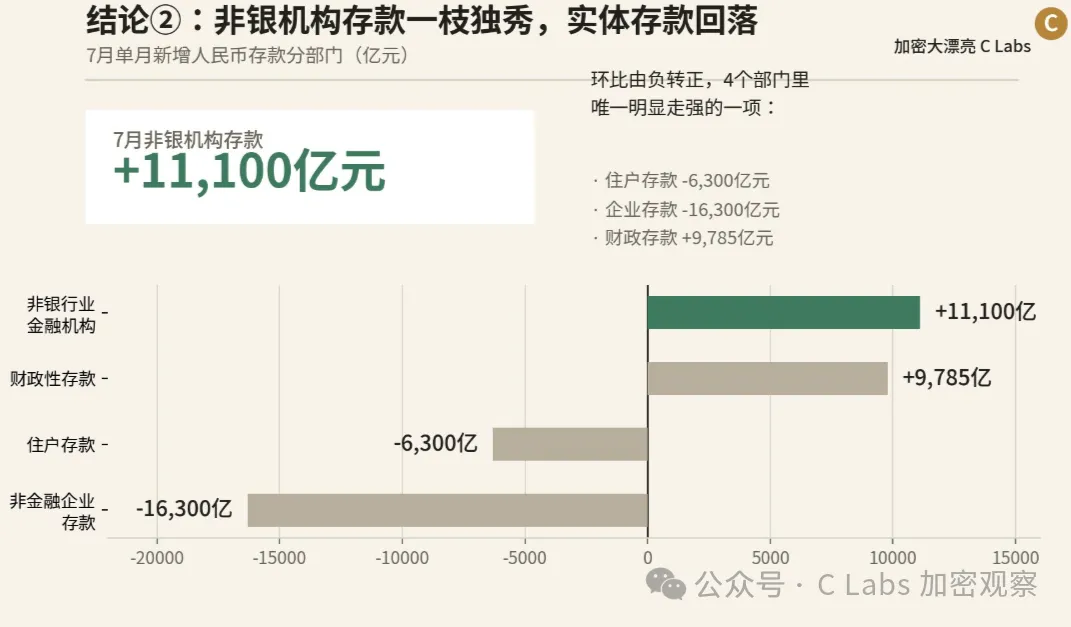
In central bank data released in July this year, non-bank financial institutions were the only group with positive deposits, with a month-on-month increase of 1.11 trillion yuan.
Meanwhile, in other departments—including deposits from enterprises and households—there was a steep plunge.
This shows that both retail investors and institutions are taking their money to speculate in stocks.
Just when everyone rushed to buy semiconductors, US-market big players quietly completed their position switch one by one.
On August 14 in US Eastern Time, six leading China-background funds—namely Duan Yongping, Zhang Lei, Li Lu, Jiang Jinzhi, Dan Bin, and Qiu Guolu—filed their Q2 13F reports with the SEC in succession, disclosing these big shots’ holdings as of June 30.
In Q2, these big funds basically completed their reduction of semiconductors—especially Nvidia $NVDA.US Even if it wasn’t a full exit, they cut by at least more than half.
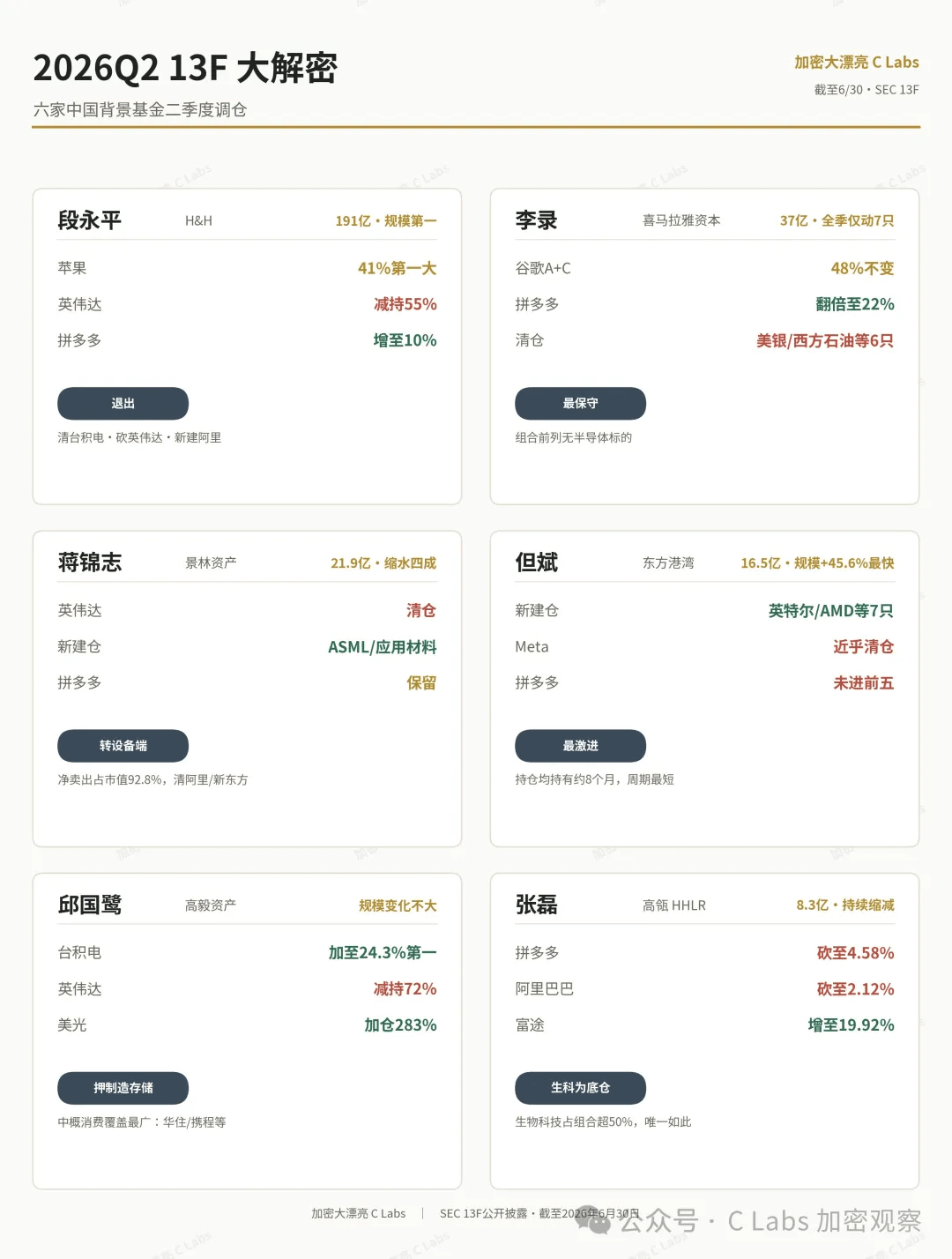
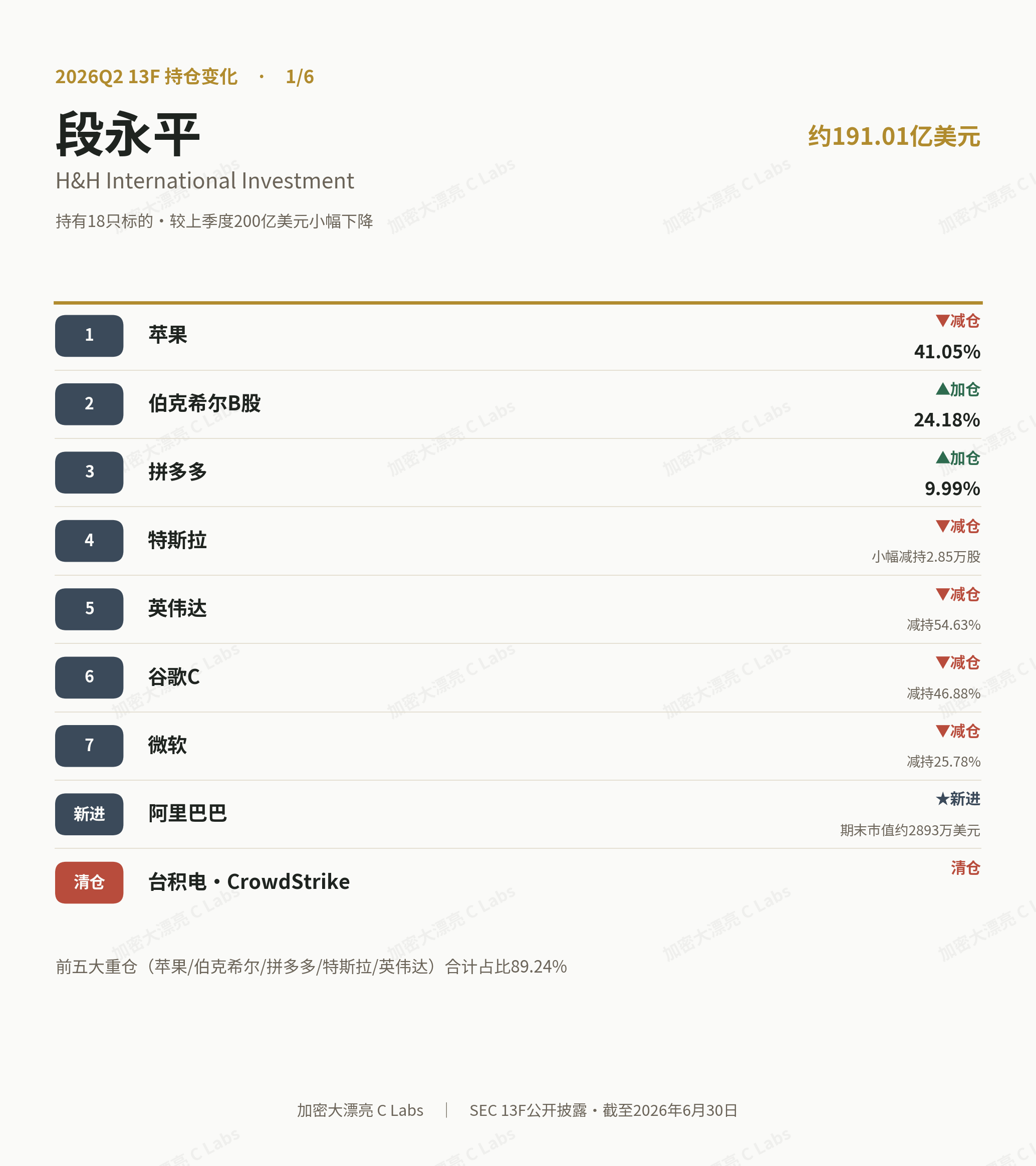
Duan Yongping (H&H International) has assets of $19.1 billion, the largest among the six.
His positions have always been very steady: Apple at 41%, Berkshire Hathaway Class B at 24%. Combined, these two account for nearly two-thirds of his portfolio, with an extremely low turnover rate.
However, in Q2 he cut Nvidia by 55%, Google Class C by 47%, Microsoft by 26%, and TSMC and CrowdStrike were directly fully cleared—among the six, he cut the most aggressively in large-cap tech stocks.
In Chinese concept stocks, Pinduoduo was increased to 10%, becoming the third-largest heavy holding, and Alibaba was added as a new position.
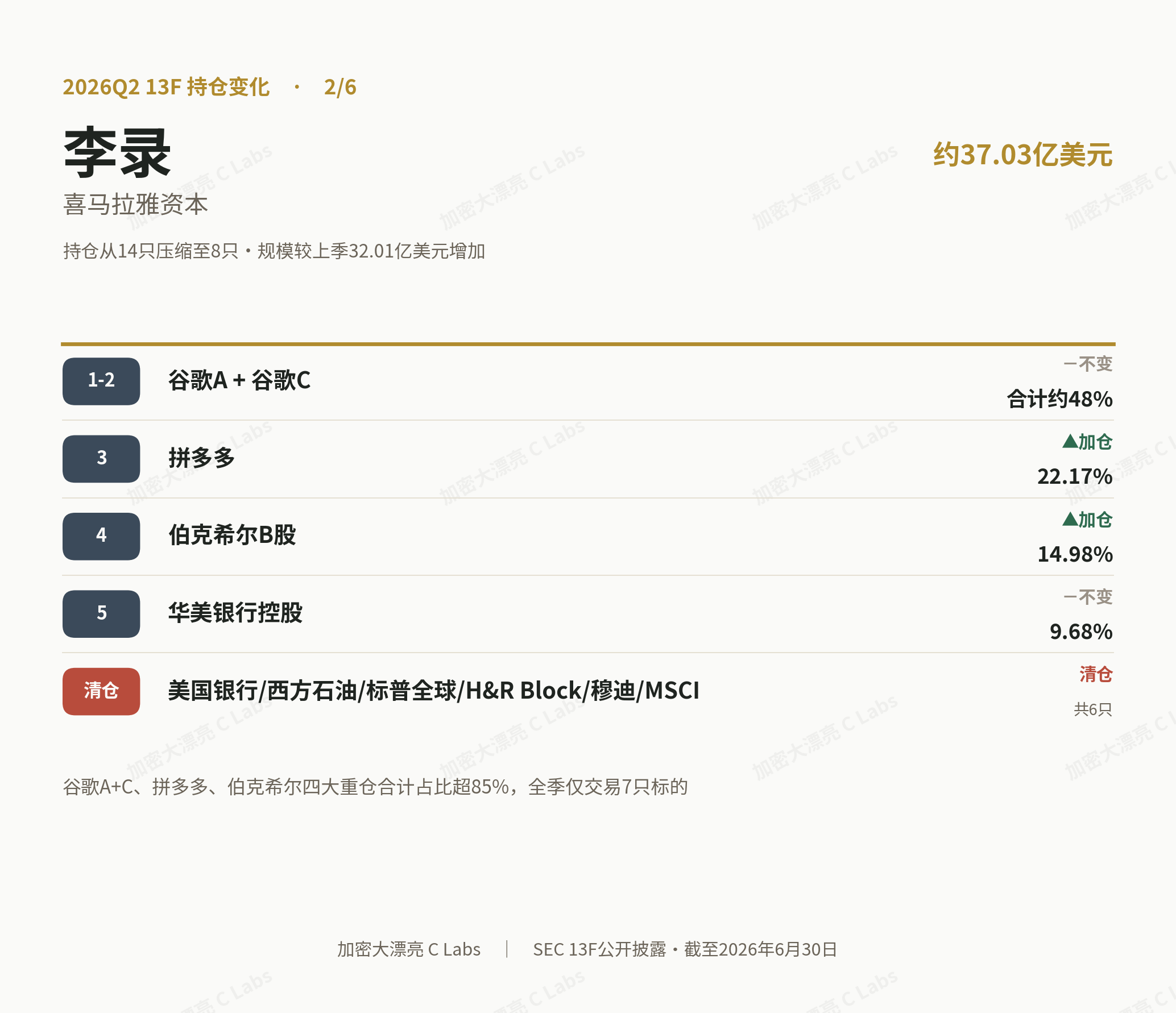
Li Lu (Himalaya Capital) manages $3.7 billion in assets. Across the whole quarter, he only moved 7 stocks: he added 2 and cleared 6, with no new positions at all.
He cleared six stocks such as Bank of America, Western Oil, and Moody’s—financial and energy stocks. He didn’t move Google at all; Google A and C combined still make up nearly 48% of the portfolio.
In semiconductors, he is the most conservative among the six; in the top ten holdings, you basically can’t see any trace of semiconductors. Pinduoduo, however, doubled and reached 22%, making it the heaviest bet on a single Chinese concept stock among the six.
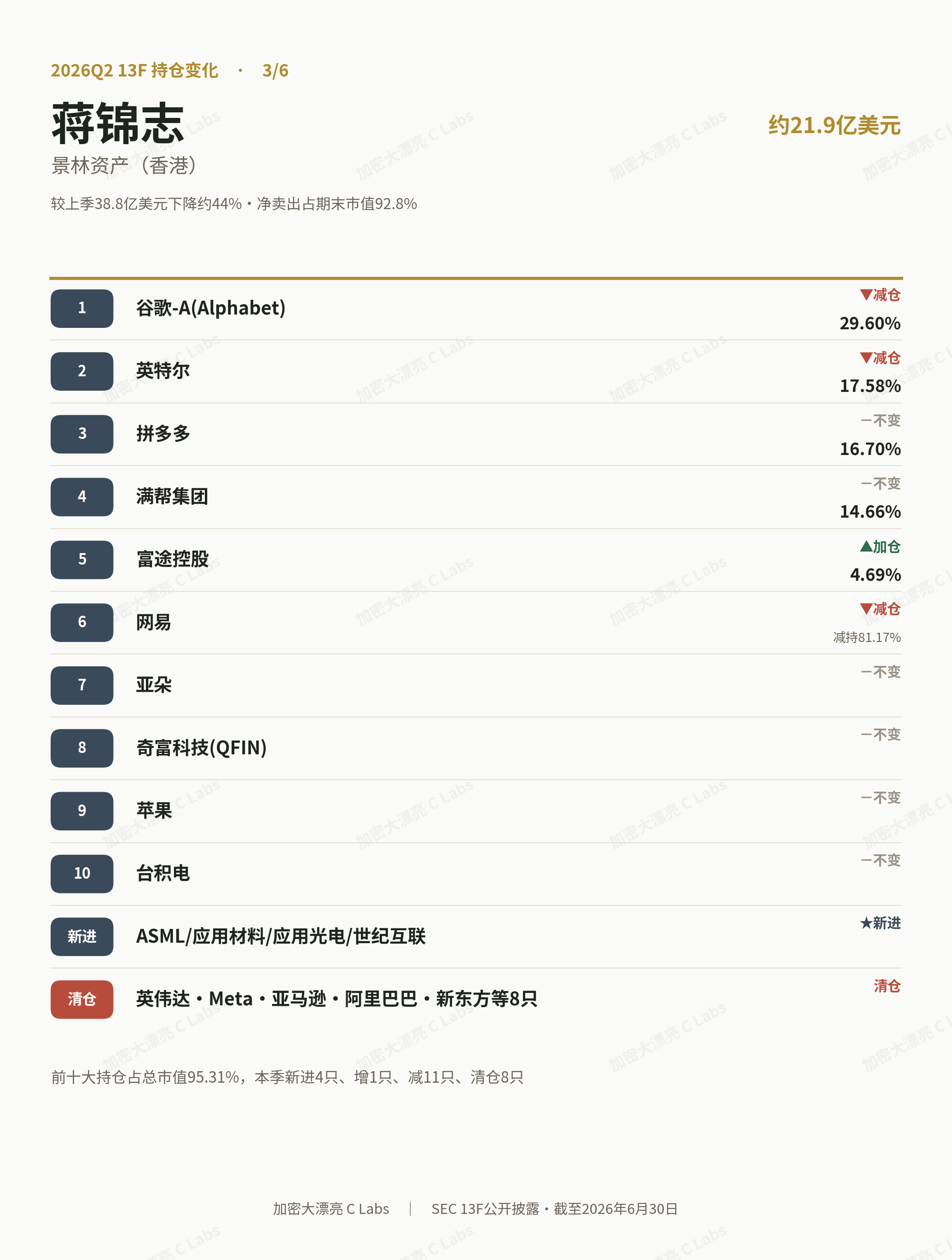
Jiang Jinzhi (Gelong) has assets of $2.19 billion. His scale shrank by 40% versus the previous quarter, but even more aggressive is that his net selling amount accounted for 92.82% of the market value of holdings at quarter-end. This figure indicates that he basically did a major reshuffle this quarter.
He cleared eight stocks including Nvidia, Meta, and Amazon. At the same time, he opened new positions in ASML, Applied Materials, Applied Optoelectronics, and CenturyLink, betting on the semiconductor equipment side and data center infrastructure.
In Chinese concept stocks, he made choices: he kept Pinduoduo, Full Truck Alliance, and Futu, and cleared Alibaba and New Oriental.
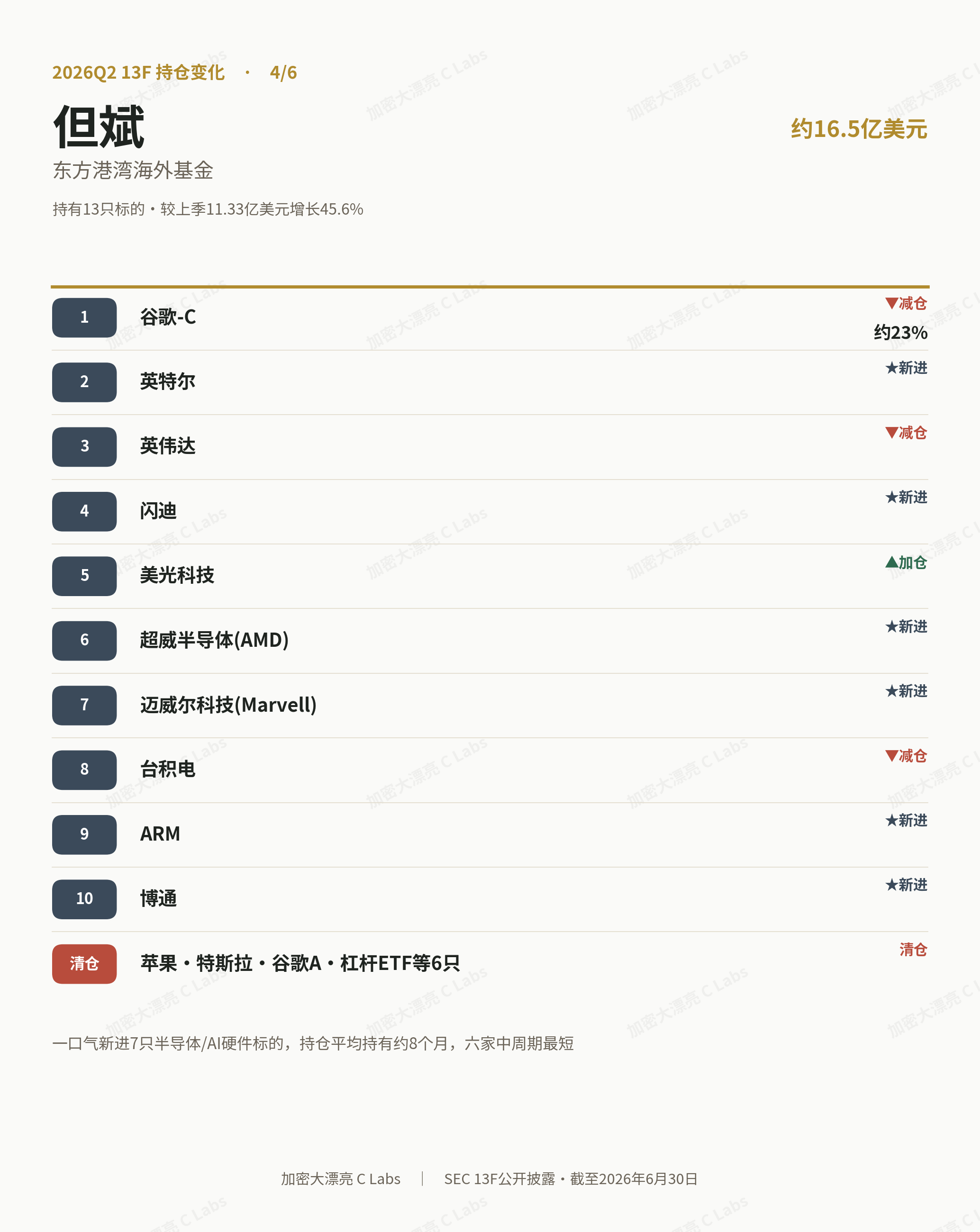
Dan Bin (Oriental Harbor) has $1.65 billion in assets. His scale rose 45.6% against the trend, making him the most aggressive expansion among the six.
His style has always been high turnover. This quarter, his average holding period was only 8 months, which is also the shortest among the six.
He cleared Apple, Google Class A, and the TQQQ leveraged ETF, reduced his holdings of Amazon, and almost fully exited Meta—these reductions were basically concentrated in application-layer tech stocks.
But then, he turned around and went on a buying spree for semiconductors: Intel, SanDisk, AMD, Marvell, Arm, Broadcom, Lumentum—he opened seven new positions in one go. Among the six, he had the most aggressive semiconductor allocation.
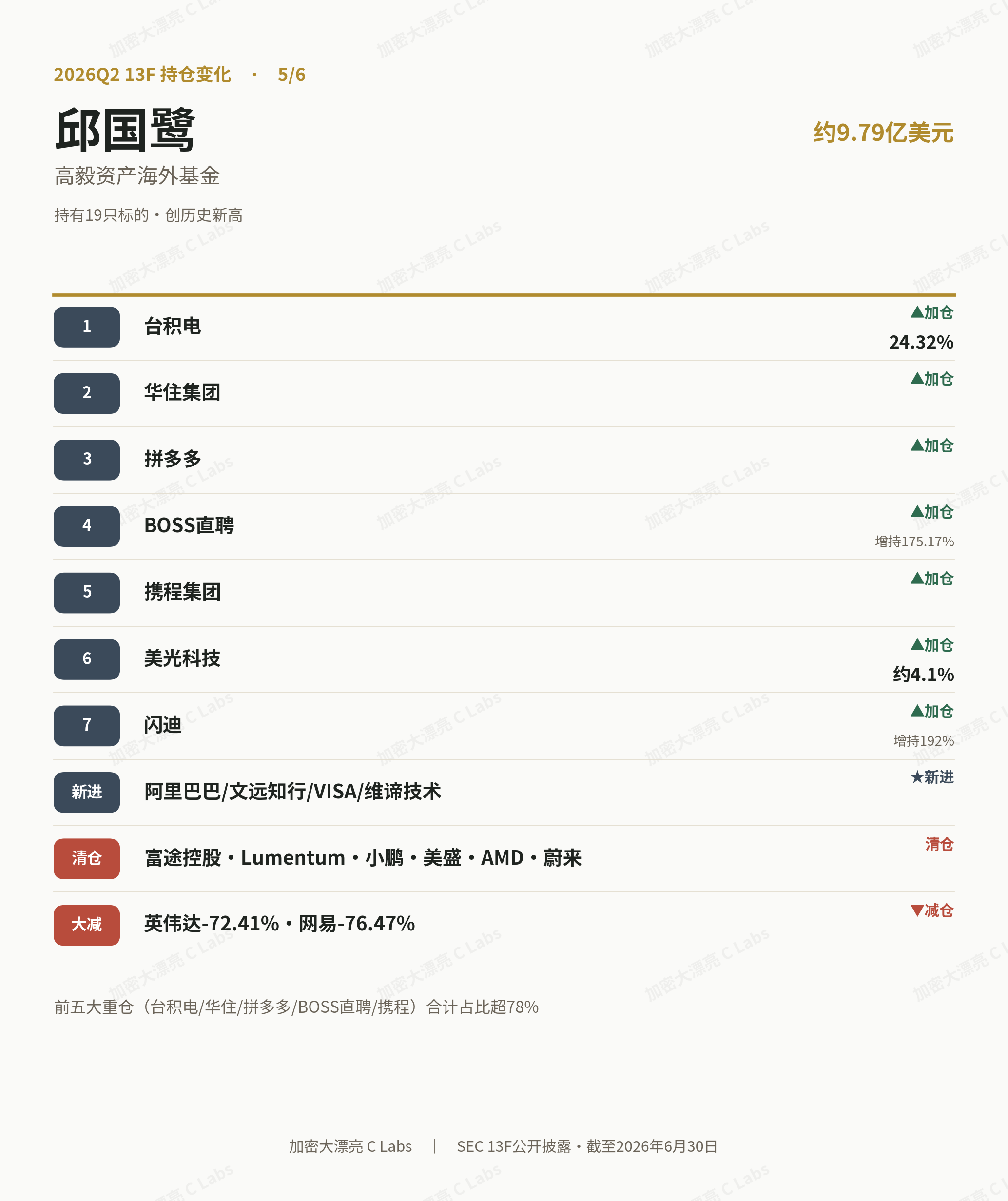
Qiu Guolu (Gaoyi Asset Management) didn’t see much change in scale, but Nvidia was cut by 72%.
But he didn’t exit semiconductors like Duan Yongping and Li Lu did. Instead, he increased TSMC to 24.32%, making it the number one heavy holding in one move. He also added 283% to Micron and 192% to SanDisk—betting on both the manufacturing and storage segments.
In Chinese concept stocks, his coverage is the broadest. Among the top ten holdings, more than 60% are consumer-related in China: Huazhu, Pinduoduo, BOSS Zhipin, Trip.com, Yum China, and Beike.
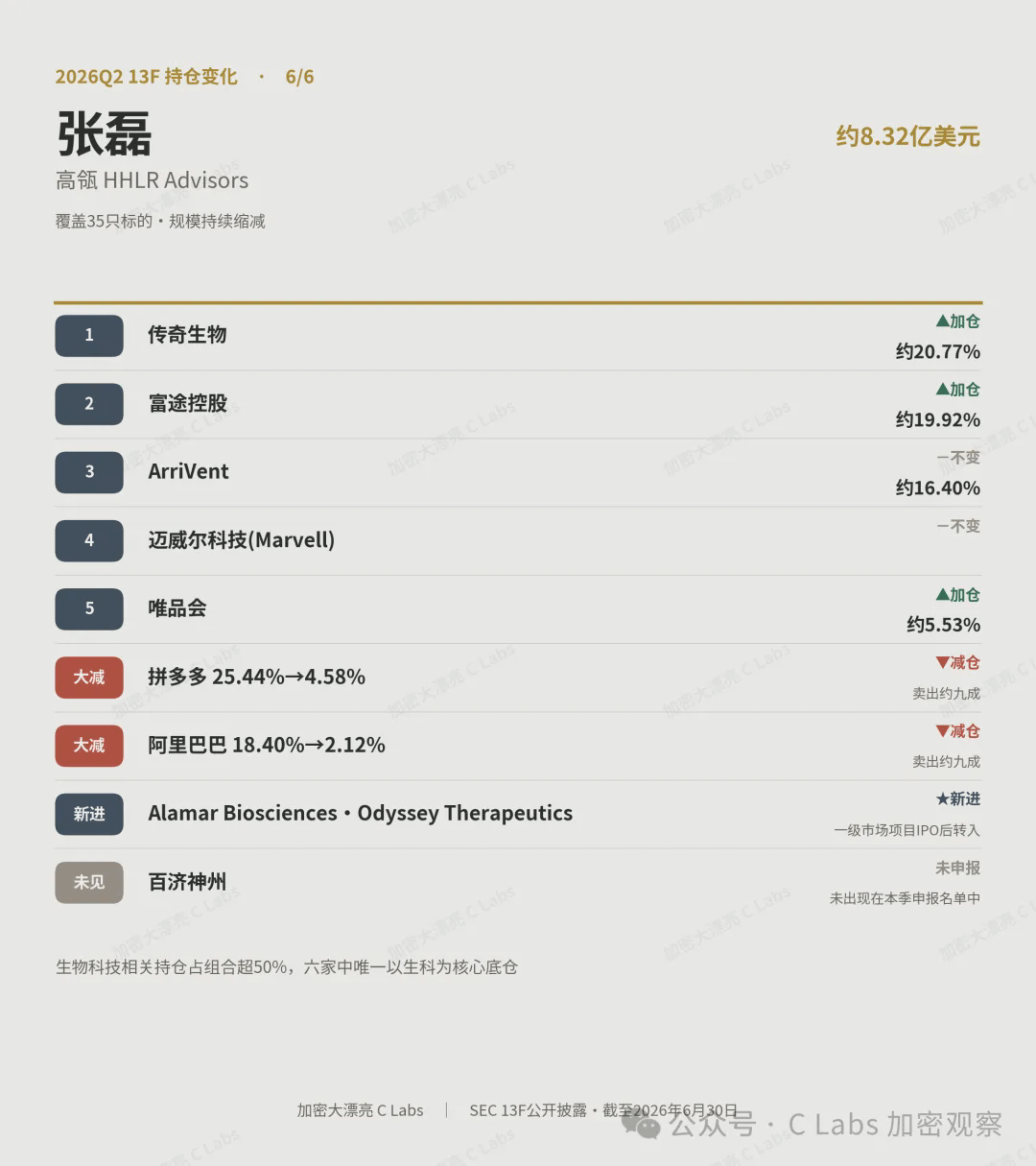
Zhang Lei (HHLR) has $830 million in assets, with the scale continuing to shrink.
The most striking move in his quarter was a clearance-style reduction of a major Chinese concept e-commerce company: Pinduoduo was cut from 25.44% to 4.58%, Alibaba from 18.40% to 2.12%. Both were sold down by about 90%. But this wasn’t an exit from Chinese concept equities—the money was redirected into Futu Holdings (up to 19.92%) and Vipshop (up to 5.53%). In other words, it switched from e-commerce giants to an internet broker and a discount e-commerce platform.
He basically exited the semiconductor theme as well. Among the heavy holdings, only one—Rambus? (美满电子)—remains. More notably, is that Unison Capital? (高瓴) is the only one among the six that treats biotech as the core long-term base holding: the biotech allocation is over 50%. His top heavy holding is Legend Biotech at about 20.77%, and his third-largest heavy holding is ArriVent at about 16.40%.
Most of these big funds have already switched their positions from silicon-based demand to carbon-based demand. If the semiconductors stumble in the second half and really get to the point where even dogs won’t touch them, (the bull) will become legendary.