

Deliberate practice in trading
Most novice investors, or what we often call 'chives', likely enter the market during the wave of a bull market. Because in a bull market, everyone sees those around them making money, and naturally, a desire to follow the trend arises. No one wants to see others making big profits while they themselves incur losses, so many join the market hoping to also share in the gains.
This situation leads many novices to often experience a rapid floating profit shortly after entering the market. Whether buying so-called 'shanzhai coins' or 'local dog coins', one may obtain significant floating profits in the short term due to the market's enthusiasm. However, this floating profit is often short-lived, followed by market adjustments or one's operational mistakes, which may ultimately lead to losing all funds. At this point, many begin to seriously learn trading skills and explore how to improve their trading level.
Failure Training
Trading is actually very similar to professions like snipers, pilots, or even doctors; all require continuous training through failures. For many people, once they incur losses in trading, they may develop a complete mistrust of technical analysis and trading systems, leading to hesitation in future operations. This situation reflects a lack of sufficient failure training, meaning not having undergone systematic failure and summarization.
In this case, I recommend a more effective method. Previously, I would suggest that everyone perform 30 trades according to their trading system, but I found a better way. That is, you can deliberately set a goal, such as deciding to allocate a certain amount of funds for experimental trading, with the goal of losing 20 times. This process may seem extreme, but in fact, through such an experiment, you will have new experiences.
Why does this work? Because when you consciously decide to let go of funds, you often find that you may not lose as much as expected. In other words, after going through these trades, you will have a deeper understanding of the market and your system. If you still find yourself making money after these 20 trades, then you will gain a deeper insight into the nature of trading. Conversely, if you try to make money through 20 trades instead of verifying the system, your mindset will also become more mature and stable.
Many investors, including some followers, often start complaining about the market or technology without conducting 20 trades according to a complete system. Truly effective learning and progress require systematic practice and summarization, rather than mindless complaining or blindly following trends. I hope everyone can take every trade seriously, learn from failures, and continuously improve their trading skills.
Overcoming Greed and Fear
During the trading process, we often encounter various psychological issues, such as greed and fear, which are familiar psychological barriers. However, among many psychological problems, one issue is particularly difficult to overcome. This mindset is something nearly every trader will encounter, and many people struggle to shake it off throughout their lives. This is the mentality of 'always wanting to earn that last bit of profit.'
For example, if you turn an investment of 100,000 into 300,000 in one market, and some people even made 1 million from 100,000 due to good luck. At this point, your investment has achieved significant growth. Theoretically, when your funds have multiplied by a certain factor, making a little more profit becomes particularly challenging. For instance, you now need to earn another 10% to go from 300,000 to 330,000, such an increase actually represents 30% of the original capital. If you can double it again, your earnings will be three times the original capital.
The psychological desire for 'the last bit of profit' is very common, and even many experienced traders find it difficult to overcome this mindset. This situation is mentioned in the book (Scalping), which discusses how to deal with this psychological challenge. While we all know the principle of 'earning middle profits and not eating the head and tail of the fish', it is often difficult to achieve in practice.
Many traders I consider masters also find it challenging to avoid liquidation in bear markets. Their failures have shocked me and made me more cautious in trading, focusing on compound growth. This experience has made me realize that even experienced traders can suffer losses due to mindset issues.
Therefore, what truly matters is maintaining a stable mindset during trading, not being swayed by short-term fluctuations and greedy desires. The trading market is not an easy place to make a profit; if making money were that easy, there wouldn't be so many losers in the market. Sticking to the right strategy and remaining rational is the only way to achieve stable returns in the long run.
Short-term Techniques
In the world of technical analysis, today's focus is to review some historical short-term trading techniques and simplify them into easy-to-understand explanations. I have always believed that as long as you grasp the most basic logic, the core of any trading method will not change. Once you understand this, analyzing patterns, double bottoms and tops, wedges, bull flags, and other technical figures will become much simpler and more intuitive.
The core patterns of short-term operations
One of the easiest patterns to grasp in short-term operations is the adjustment after a short-term surge, and the adjustments usually present an equal distance pattern of 1:1. I will further explain this concept through examples later. Common short-term patterns include AB=CD, N-shaped impulses, etc., which are simple yet practical tools for short-term trading.
The core driver of short-term fluctuations: emotions
Short-term fluctuations are primarily driven by emotions. Unlike long-term trading, emotions are often the only influencing factor in short-term trading. Long-term trading is influenced by more complex factors, such as interest rates and inflation. You cannot determine changes in fundamentals through sudden spikes or drops on 5-minute or 1-hour charts, because changes in fundamentals are often complex and long-term. For example, a halving of production is a fundamental change, but its impact on the market is long-term and does not immediately trigger a surge or crash. Thus, price fluctuations in short-term operations reflect more the momentary changes in market sentiment.
The difference between rising and falling
In the cryptocurrency and forex markets, the upward and downward trends are not entirely the same. If you are observing markets like gold, forex, or stock indices, usually, the logic for rises and falls is symmetrical, meaning a drop is merely a reversal of a rise. However, in the cryptocurrency and stock markets, the volatility logic of the two differs.
Rises usually start with a few people buying in, gradually attracting more participants. For example, after we buy in, we might post to call others to follow, and this process is gradual. Conversely, drops often stem from the rapid release of panic emotions. Whether due to fake news or other sudden events, investors may suddenly feel panic, leading to swift sell-offs. This release of panic emotions is often brief and intense, resulting in clear distinctions in movements between rises and falls.
Embrace market changes
After a long period of trading, I gradually realized that whenever you have expectations about the market, it often moves in an unexpected direction. Therefore, the most important thing in trading is to focus on support and resistance, concentrating fully on these key points without pre-setting the market's direction. When the market gives clear signals, decisive action is required to better seize trading opportunities.
In trading, once you have expectations about the market, even if you prepare for five possible trends, the market may present a sixth one. Those who claim their expectations are accurate are often inexperienced traders who may have only traded for a month or two. Traders who have truly experienced years of market trials will ultimately understand the futility of expectations.
Rises and Stop-loss: How to seize the timing
Let’s summarize: the market trend is difficult to be simply summarized. We often need to see a strong upward signal to consider entering a trade. For example, during a long position trade, many of my group friends entered almost at the same time; although we all faced stop losses, that was not entirely a wrong decision. We chose to enter because the market indeed had a strong rise, which later failed to continue, leading to the stop loss. The important thing is that only under very strong upward conditions will there be subsequent rising opportunities. And if the rise is insufficient, it is better to stop loss and exit than to easily re-enter.
Moreover, ranging markets, especially narrow ranges, are the most challenging market forms to operate. In the past, I hardly participated in such range-bound markets because they often contain traps of false breakthroughs: prices may break through and immediately fall back, then rise again, making it difficult to grasp. But now, I assess the market according to the adjustment time and extent, combined with past experiences. If the range reaches the estimated adjustment time without showing significant pullbacks, I will be more proactive in entering.
Simple and complex market patterns
In trading, some patterns are relatively simple to execute, like the standard bull flag pattern. This pattern is very regular; you just need to wait for the breakout to operate, simple and direct. However, such ideal patterns are rare in the market.
More commonly, complex oscillating patterns, which usually accompany pullbacks, gradually lower or flatten highs. When the market shows a strong breakout candlestick, it usually serves as a good entry signal and is relatively easy to operate.
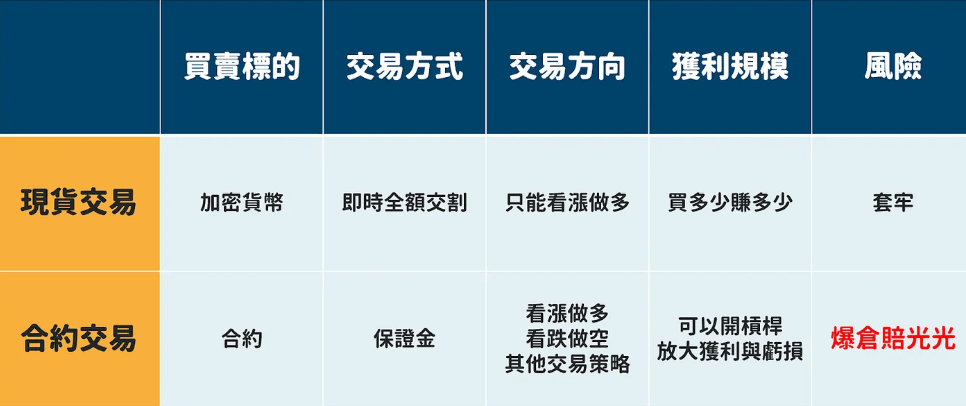
Short-term vs. long-term, contracts vs. spots
In trading, the profit logic of short-term and long-term trading has clear distinctions. Long-term investments mainly rely on significant price increases, while short-term trading focuses more on the accumulation of risk-reward ratios. Most people, possibly around 80%, often fall into the trap of 'recent preference.'
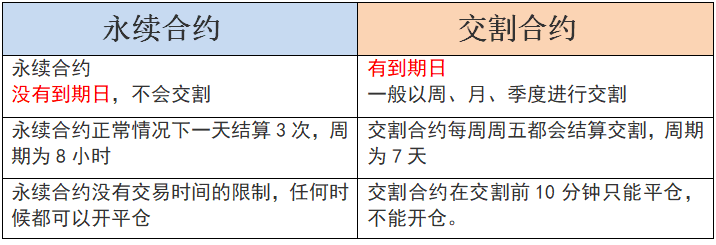
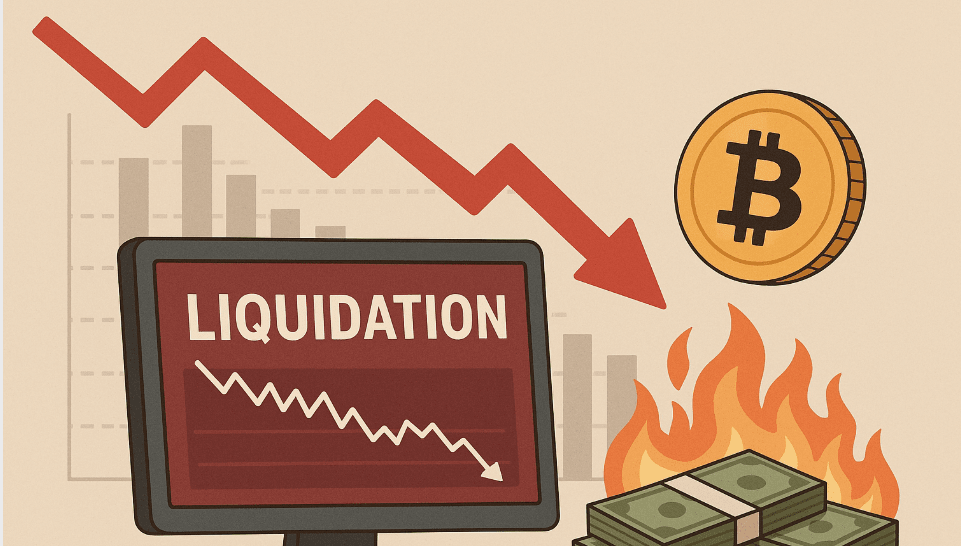
Looking back at the past year and a half of market trends, holding spot has undoubtedly been the most profitable strategy. No matter what contract trading you try, it is difficult to surpass the returns from holding spot, unless you use high leverage. However, while high leverage may bring greater returns, it also comes with extremely high risks, easily leading to liquidation. Therefore, in reasonable operations, holding spot has become the most robust and high-return choice in the past year and a half.
But we need to recognize that holding spot is not always the best choice. For example, if the price rose from around 15,000 to 60,000, the increase during this period is about four times. If our current holding price is 60,000, can we still achieve a fourfold increase in the future? This means the price needs to rise to nearly 200,000 or even 280,000. This is clearly much more difficult than before, so continuing to hold onto spot may no longer have the advantages it once did.
Another issue with holding spots is that you can only make money when the market is rising. In times of market volatility, holding spots can often feel agonizing. Although I and some friends who have persisted for a long time have held on, many others have been forced to sell due to market fluctuations and have lost patience and confidence.
In contrast, focusing on contract trading may have more advantages in a volatile market. Large-scale fluctuations often manifest as repeated transitions between upward and downward trends on a smaller scale. Through contract trading, profits can still be made even in a volatile market.
Adjust strategies according to market conditions
In general, different market environments require different trading strategies. In the past market, holding spot was a wise choice, but with changes in the market, contract trading has also shown its unique advantages at specific stages. The key is that we need to flexibly adjust trading strategies according to the actual market situation to maximize profits.
Therefore, remember this: what market conditions dictate what trading you should do. Never stick to one strategy; instead, be flexible in response to market changes.
Do not label yourself: the key to flexibly responding to market changes
In trading, I want to share a very important method: do not label yourself. When you label yourself with a certain term, it is easy to subconsciously reinforce that label, limiting your thinking and operational methods. Of course, some labels are unavoidable, such as being investors or traders, or our identity recognition—being Chinese or Asian—these labels are immutable and unnecessary to change. However, in trading, some labels can and should be avoided.
Some people like to label themselves, like 'I am a professional short-term trader' or 'I focus on spot trading.' I never define myself this way; I prefer to call myself a 'professional speculator.' Because once you label yourself with specific terms, it becomes easy to cling to that label in operations, causing resistance when facing market opportunities that do not match the label. For example, a person who considers themselves a 'bullish influencer' may struggle to respond objectively when facing a bearish market because it conflicts with the label they set for themselves.
How labels affect your thinking and character?
Not labeling yourself is important not only in trading but also in character development. I used to be an emotional and persuasive 'salesperson' when I was doing business. At that time, I drove business through positive emotions and communication skills, but over time, my personality became more stable. This transformation was partly due to my choice not to label myself with fixed personality traits but to allow myself to adapt and adjust in different stages and environments.
If you must label, label broadly
Of course, we cannot completely avoid labels, as sometimes they help us clarify self-awareness. But if we must label, we should use broader labels that can encompass various possibilities, such as the label 'human,' which inherently carries infinite potential. Avoid too specific labels like 'only doing spot' or 'only doing contracts;' these will make you narrow-minded in the market and unable to adapt flexibly to different conditions.
Flexibly adjust and adapt to the market
Market profit opportunities are limited in scope and time, just like the programs in quantitative trading; a single strategy cannot remain effective indefinitely. As the market changes, we need to adjust the program. Similarly, in manual trading, when the market changes, we also need to adjust the trading system and strategy. If you cling too tightly to a certain label, you will be bound and miss the opportunity to adapt to the new market.
Trading frequency, win rate, risk-reward ratio
In trading, there is a balance relationship between trading frequency, win rate, and risk-reward ratio, and you often cannot have all three. You can only choose two to optimize, and you must make concessions on the third. In any situation, this trade-off is inevitable.
High-frequency, high win rate, low risk-reward ratio
The classic representative of this strategy is Abu's trading logic, which is particularly suitable for 'scalping' trading. The core of scalping trading lies in frequently entering and exiting the market to capture tiny price fluctuations. Since this method usually has a high win rate, potentially reaching 80%, 90%, or even 95%, the number of losses is very few.
However, the risk-reward ratio of scalping is often lower than 1, meaning the amount earned each time may be less than the amount lost each time. In other words, even if you make a profit once, the potential loss from a single loss could be more significant. For most scalpers, this low risk-reward ratio is an inherent characteristic of the strategy that must be accepted. Of course, excellent scalpers can offset this disadvantage with extremely high win rates, but once a loss occurs, the drawdown can be substantial.
Scalping is particularly suitable for traders who are extremely risk-averse. Some people feel extremely uneasy even losing one point and need a long time to adjust their mindset. If you are this type of trader, scalping may suit you better. It allows for rapid trades within a short time, avoiding the psychological pressure of holding positions for long periods.
In comparison, traders who hold spots or stocks face more random risks. For example, during the time you hold the asset, some unpredictable events may occur, such as Trump suddenly making serious statements about cracking down on Bitcoin. Such political statements often lead to severe market fluctuations in the short term, potentially causing Bitcoin to plummet. Although Bitcoin may rebound afterward, at that moment, you are already facing a 20% loss. For some, enduring such short-term losses can be very difficult.
In scalp trading, trades are only made while monitoring, and positions are closed once you leave the computer. This method allows me to effectively control risk and not be passively holding positions due to sudden market changes. The profit method of scalping is like 'brick moving'; although the money made each time is not much, the annualized return may be between 30% and 50%, or even lower. However, if extended over five or eight years, the power of compound interest will become evident, and the results are often astonishing.
Some high-frequency traders use a strategy of increasing positions to further enhance profits. For example, if he profits by 1% today, then tomorrow his position will increase by that 1% on the original basis. Assuming the original stop-loss for each trade is $100, then tomorrow's stop-loss will be adjusted to $101. Through this method, traders can gradually improve their final profit results.
However, no matter what, the essential characteristics of scalping will not change: high win rates, high frequency, but relatively low risk-reward ratios. In each trade, you might only earn one or two points of fluctuation. Nevertheless, this method still attracts a large number of traders, especially in places like Japan, where many mothers and housewives use their spare time for day trading to earn some extra income. Although it seems insignificant, through long-term accumulation, scalping can still yield considerable returns.
Lower frequency, high risk-reward ratio, low win rate
Another strategy is to operate at a lower frequency, pursuing a higher risk-reward ratio while accepting a lower win rate. This strategy often appears in contract trading. In contract trading, risk-reward ratios ranging from 1.5 to 3 are not uncommon. This is considered a high risk-reward ratio in short-term trading. Compared to long-term trading, achieving this risk-reward ratio in short-term trading is more challenging.
In this strategy, the win rate is often only around 50%, or even lower, with win rates of only 30% or 20%. However, due to the high risk-reward ratio of each trade, even with a lower win rate, it is still possible to gradually achieve new highs through multiple profitable trades. For example, in contract trading, whenever I have consecutive profits once or twice, the account's earnings will refresh the high point, thanks entirely to the characteristics of a high risk-reward ratio.
Ultra-low frequency, high win rate, high risk-reward ratio
Ultra-low frequency, high win rate, and high risk-reward ratio strategies are often considered one of the most robust and sustainable methods. This advantage is even more apparent in spot trading.
Since 2021, I have adopted this ultra-low frequency spot trading strategy, which has a very high risk-reward ratio, usually reaching four to five times or even higher. More importantly, this strategy also boasts an excellent win rate, exceeding 80%.
Looking back at my past trading experiences, I have only experienced two losses. The first was on May 19, 2021, where the loss was mainly due to mindset issues rather than trading system issues. The second loss was relatively small, around 5% to 8%. If you calculate the loss from the peak in trading, considering I had exchanged some Bitcoin for other assets at that time, the total loss was only around 15%.
In summary, this ultra-low frequency, high win rate, and high risk-reward ratio spot trading strategy minimizes the risks associated with frequent trading, optimizes the efficiency of capital use, and effectively avoids significant drawdowns. Although trading opportunities are fewer, the risk-reward ratio for each trade is very favorable, and in the long run, the stability and sustainability of this strategy have been validated.
In trading, everyone often expects to seize those high risk-reward, high win rate opportunities again, especially when they have already made a lot of money in the past year. Some people ask me if there will still be opportunities to earn this much money again. This question is quite simple, but the answer is not so optimistic.
Such opportunities do exist, but they do not occur often. Perhaps we need to wait another six months, or even longer, before encountering similar opportunities. Even if the market may rise again, the key is whether you can seize it in a stable and high-certainty manner. The success rate of every rise is not the same, so whether you can effectively grasp every opportunity becomes crucial.

Position Management
In the trading market, position management is crucial. Especially when we apply the Kelly formula, this point is particularly evident. Although I won’t detail the derivation process of the Kelly formula here, understanding its core concept is vital for optimizing trading strategies. The goal of the Kelly formula is to help traders find the optimal position ratio without increasing risk.
The difference between position amount and stop-loss amount
First, we must clarify two concepts: position amount and stop-loss amount. Many people easily confuse the two, but they have different meanings in actual operations. What changes during the trading process is the position amount, while the stop-loss amount is relatively fixed.
For example, if you have a small amount of capital and expect to achieve significant profits in the short term, increasing your position may be a choice you have to make. For small capital accounts, since you have other sources of income (like a salary), losses can be compensated through other means, so you can accept larger positions. However, when it comes to larger capital, the psychological pressure of losses will increase exponentially.
The actual calculation of position and stop-loss
Assuming you have a total capital of $10,000, in this case, you might allocate $4,000 to the trading platform, setting a stop-loss of 5% each time. If in a certain trade, your stop-loss percentage is 4.32%, then you need to calculate how much position to take under this condition to achieve your planned maximum loss amount. For example, if you plan to lose a maximum of $500 in this trade, dividing $500 by the 4.32% stop-loss percentage will give you the number of contracts to open.
Assuming in another trade, your stop-loss percentage is only 1.7%, and you calculate in the same way, you will find that the number of contracts you should open this time increases significantly, and the weight of this trade far exceeds that of the previous trade. But regardless of the size of the position, your stop-loss amount remains at $500; this is the essence of applying the Kelly formula.
Many traders may mistakenly believe that a small stop-loss percentage allows for larger positions; in fact, this is a misunderstanding. While it is possible to increase positions in cases of lower risk, it does not mean you can increase positions arbitrarily. On the contrary, you need to calculate before each trade to determine the optimal position size, thereby maximizing the protection of your funds.

Summary
The key to position management is to carefully calculate the position before each trade. You need to clearly define the maximum loss you can bear, then divide this amount by the stop-loss percentage of the trade to arrive at the final trading amount. This way, you can not only better control risks but also maintain stable profits in long-term trading.
As I often say, capability determines losses, while luck determines profits. Through reasonable position management, you can ensure that you remain undefeated even amid market fluctuations.
How to Review
In trading, review is a key step in improving trading skills. Although some believe that years of watching the market can grasp its rules, in reality, review can accelerate this process and help us more accurately grasp market trends. So how can we effectively review?
Two methods of review: data quantification and manual playback
There are mainly two ways to review: data quantification review and manual playback of historical trends.
Data Quantification Review
Data quantification review involves importing historical trend data (such as highs and lows, volatility, trading volume, etc.) into a program and using statistics to derive various probabilities. The advantage of this method is that its statistical results are more precise, and you can clearly understand the magnitude of each pullback and the probability of subsequent rises. However, the disadvantage of data quantification review is that it is difficult to cultivate a trader's market sense, which is the intuitive understanding of market fluctuations.
Manual Playback of Historical Trends
Manual review is a more traditional method that involves replaying historical trends for review. Although this method is time-consuming and can easily lead to inductive errors due to subjective judgment, it helps to cultivate a trader's market sense. Through extensive manual review, you can gain a more intuitive feel for market fluctuations and gradually form a keen judgment of market trends.
The importance of correct review
Although manual review may seem clumsy, it can indeed help traders establish a deep understanding of the market. Especially during review, a common mistake traders often make is misjudging the signals of technical indicators. For instance, many novices like to go long at a golden cross and short at a dead cross, but in reality, many times when a golden cross appears, the market may have already risen for a while, and you may have missed the best entry point in practical trading.
Therefore, the correct review requires traders to carefully analyze every historical signal, paying attention not only to the signal itself but also to the market environment when the signal appeared. Through multiple reviews, you will gradually develop the right operating strategy for different market environments.
How to cope with the 'I knew it' mentality
In trading, many people often regret not having acted promptly after a significant market rise or fall, developing thoughts of 'if only I had known...'. This mentality is very common but is also an obstacle that traders need to overcome.
To cope with this psychology, you can try the following methods:
Real Market Validation
You can use a small account (like $100 or $1,000) for real trading to validate your judgment under specific market conditions. When you feel the market will rise, open a long position immediately; when you feel the market will fall, open a short position immediately. After 10 to 20 trades, you will clearly understand the accuracy of your 'feelings'.
Get rid of the “I knew it” mentality
Through practical trading data, you can rationally analyze your operations and avoid regret afterward. In trading, what's important is not 'I knew it' but whether the analysis and decision-making before each operation are sufficient. You need to believe that through repeated real-time testing and review training, you will ultimately find a trading strategy that suits you, instead of relying on fleeting feelings.

Conclusion
Whether in reviewing or coping with the 'I knew it' mentality, the key lies in verifying your trading strategy through practice and data. By continually reviewing, you can gradually develop a keen judgment of the market, leading to more rational trading decisions. When facing market fluctuations, rational analysis and practical experience will help you break free from regret and truly achieve stable trading.
————— ♦ —————
Writing is not easy; follow me for more Web3 insights. Don't forget to like and share!