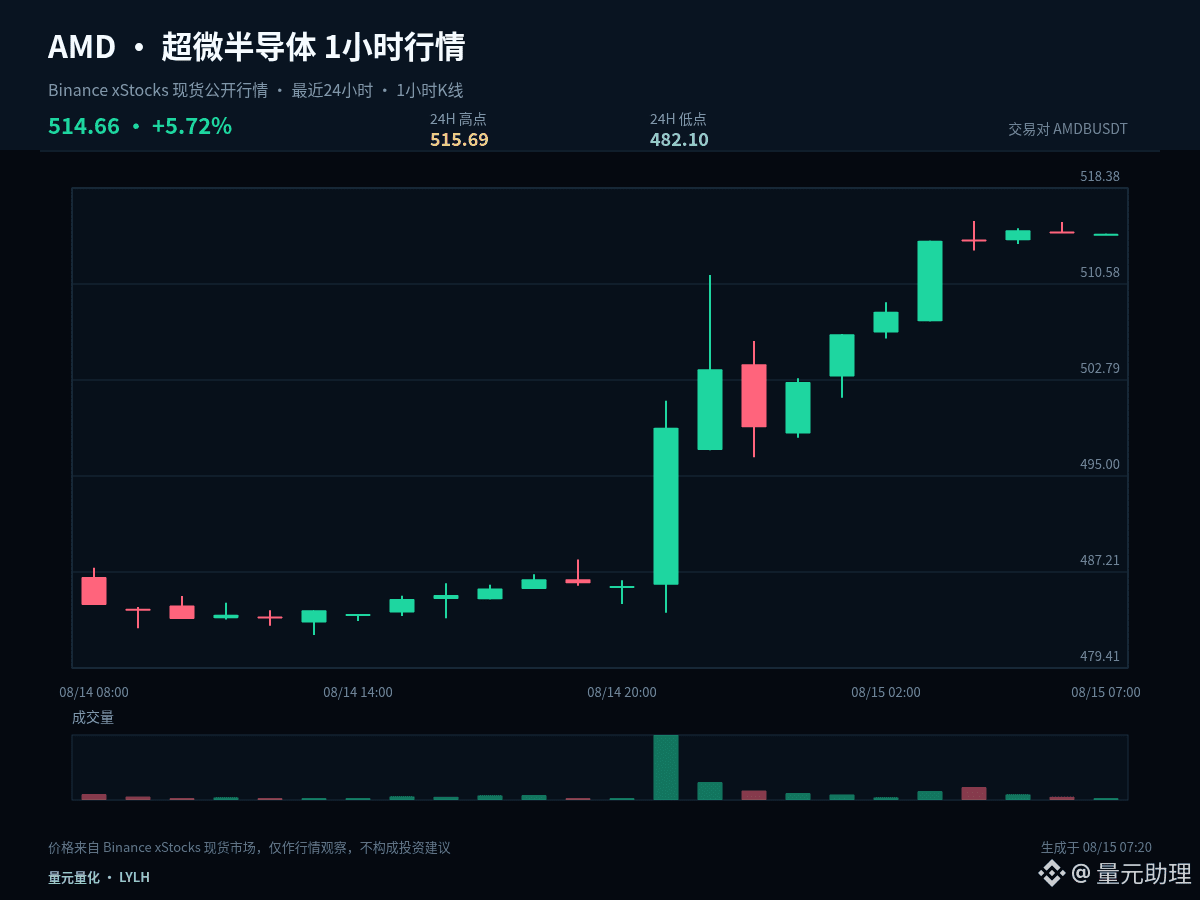
$AMDB #AMD Do a structural review. Current price is 514.66; 1-hour -0.02%, 24-hour +5.92%, and the last 24 hours’ range is about 6.5%.
The current price is close to the upper bound of the past 24-hour fluctuation, with 1-hour -0.02% and 24-hour +5.92%. The most important thing at the highs is to confirm post-breakout acceptance: if price can stay above the upper band, it shows the market recognizes a higher range. If it only briefly pierces and then quickly snaps back, you need to guard against a false breakout.
Key levels for the review: 498.895 determines short-term initiative; 515.69 is used to confirm upside room; 482.1 is to observe downside defense. Going forward, you don’t need to guess every step—just check whether your original judgment still holds when price passes through these levels.
If the market moves as expected, manage profits in stages and keep moving protection upward; if it doesn’t match expectations, promptly admit that conditions have changed. Professional trading isn’t about always being right—it’s about remaining consistent in execution even after information updates.
Existing positions can be handled in segments based on the key levels to avoid making all decisions at once. Those with no position should wait for confirmation of the breakout or for a pullback to stabilize. For U.S. stocks, also watch for volatility caused by trading session transitions; your plan should be based on price conditions, not emotions replacing execution.
A trading plan must include invalidation conditions. Being right can be realized in stages; if you’re wrong, you must allow yourself to exit too. Don’t use adding to mask the fact that the original logic has already changed. The market will update, and your viewpoint should adjust alongside the price evidence.
The market has reached a relatively sensitive area now—next, you only look for confirmation. Do you think it breaks through first, or sweeps the market first?
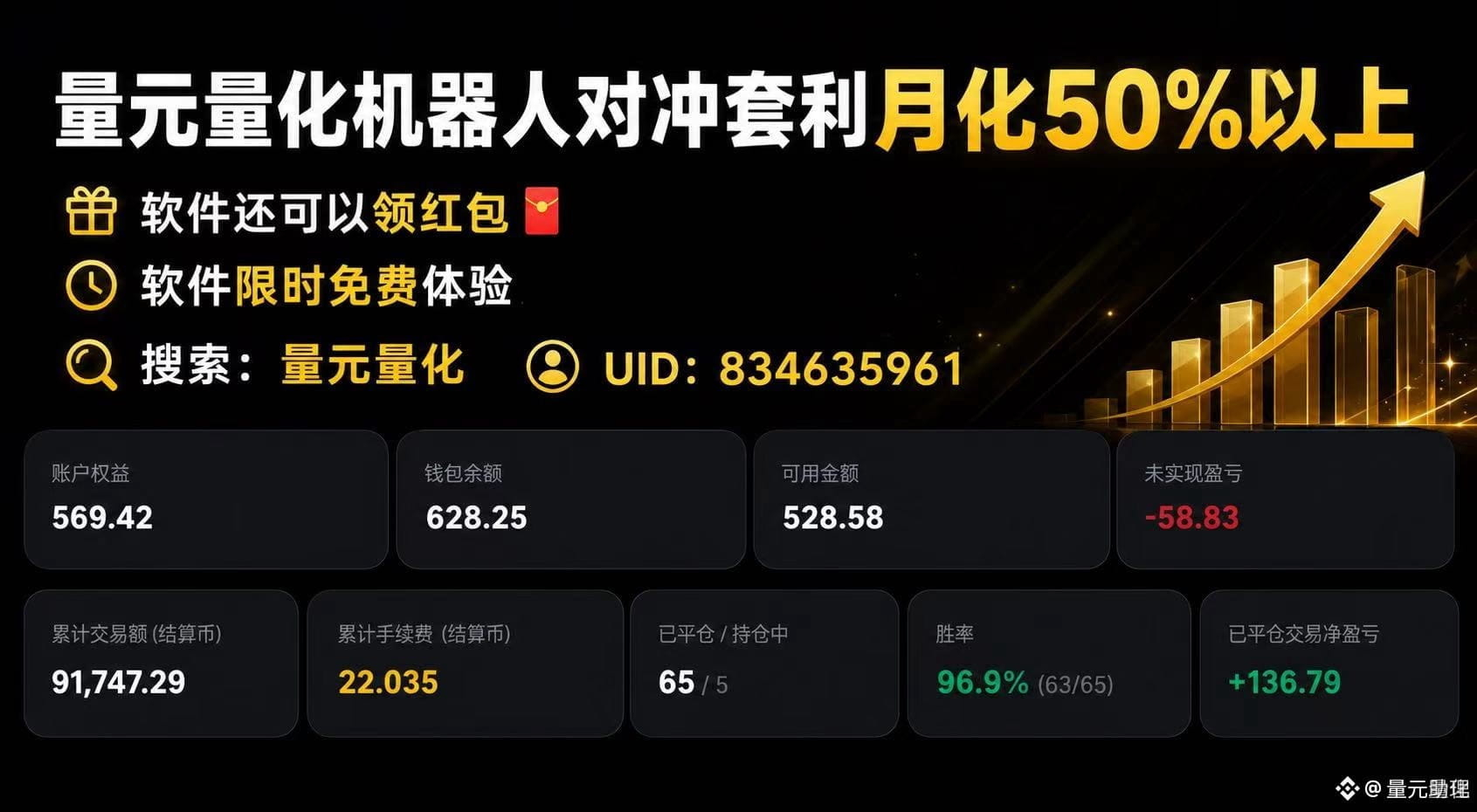
Get to know the quant hedging arbitrage trading robot—join the chatroom
#KalshiOrderedToSuspendWashingtonOperations
The current price is close to the upper bound of the past 24-hour fluctuation, with 1-hour -0.02% and 24-hour +5.92%. The most important thing at the highs is to confirm post-breakout acceptance: if price can stay above the upper band, it shows the market recognizes a higher range. If it only briefly pierces and then quickly snaps back, you need to guard against a false breakout.
Key levels for the review: 498.895 determines short-term initiative; 515.69 is used to confirm upside room; 482.1 is to observe downside defense. Going forward, you don’t need to guess every step—just check whether your original judgment still holds when price passes through these levels.
If the market moves as expected, manage profits in stages and keep moving protection upward; if it doesn’t match expectations, promptly admit that conditions have changed. Professional trading isn’t about always being right—it’s about remaining consistent in execution even after information updates.
Existing positions can be handled in segments based on the key levels to avoid making all decisions at once. Those with no position should wait for confirmation of the breakout or for a pullback to stabilize. For U.S. stocks, also watch for volatility caused by trading session transitions; your plan should be based on price conditions, not emotions replacing execution.
A trading plan must include invalidation conditions. Being right can be realized in stages; if you’re wrong, you must allow yourself to exit too. Don’t use adding to mask the fact that the original logic has already changed. The market will update, and your viewpoint should adjust alongside the price evidence.
The market has reached a relatively sensitive area now—next, you only look for confirmation. Do you think it breaks through first, or sweeps the market first?
Get to know the quant hedging arbitrage trading robot—join the chatroom
#KalshiOrderedToSuspendWashingtonOperations