
The measure may allow the application of additional fees on U.S. products imported by Brazil.
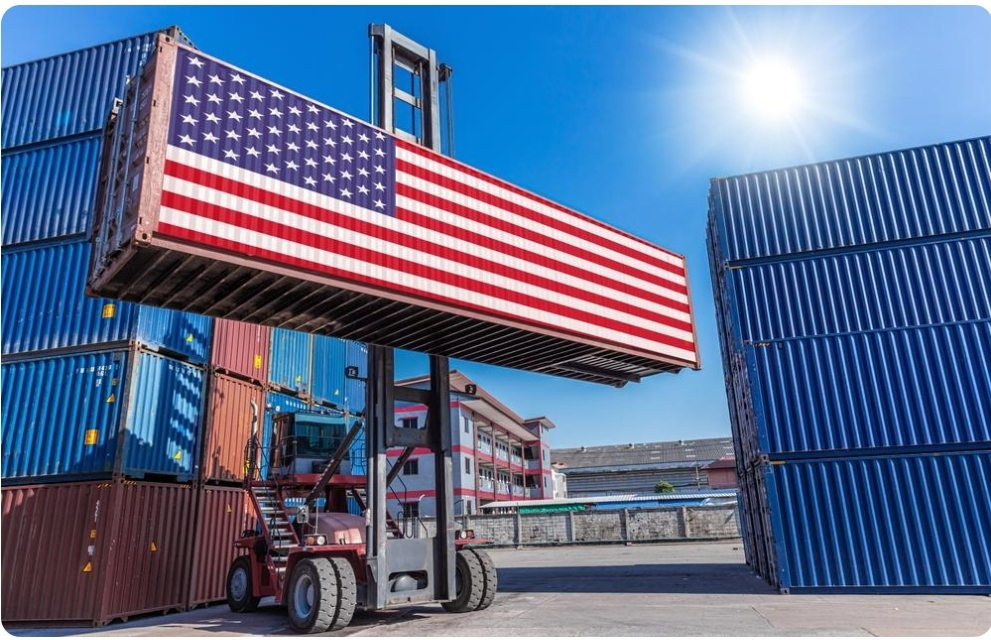
The Brazilian government said this Thursday (13) that it has started a reciprocity process for the tariff hike imposed by the United States. In this way, U.S. imports that arrived in Brazil may also face additional fees.
The process is based on the Reciprocity Law, approved by the National Congress last year. The legislation provides for a series of measures that allow Brazil to return to other countries the restrictions and tariffs that are imposed unilaterally.
According to the Itamaraty, the Brazilian Embassy in Washington, in the U.S., must inform the local government later this Friday (14). However, a series of public consultations must take place in an effort to reach a common agreement on the tariffs.
"The diplomatic consultations, which aim to mitigate or nullify the effects of the measures and countermeasures provided for in the Economic Reciprocity Law, reinforce the Brazilian government’s commitment to prioritizing dialogue and negotiation in its international relations," the government said in a note.
This is not the first move by the Brazilian government regarding the issue. The country had already taken the matter to the WTO (World Trade Organization) to challenge the tariffs ranging from 12.5% to 25%, arguing that they are discriminatory and violate the United States’ commitments under international trade.
"The Brazilian government will continue to act to reduce the damage caused by U.S. tariffs to the economy and the income of Brazilians. We will continue to defend multilateralism and the reform of the World Trade Organization (WTO), and we will continue working to diversify trade partnerships and open up new markets for our products. We will maintain protective measures for the sectors affected by the tariffs through the Plano Brasil Soberano (Sovereign Brazil Plan), preserving"
jobs and national productive capacity," says the Lula government.
The Reciprocity Law was unanimous
The approval of the Reciprocity Law was one of the main victories of the Lula government in recent months, even amid a crisis between the Executive and the Legislative branches. Authored by Senator Zequinha Marinho (Podemos), the text was approved unanimously in Parliament, with 70 votes in favor.
The law changed one of the main principles of Brazilian diplomacy, which was the principle of multilateralism in trade, following WTO rules. In other words, a single country could not, on its own, benefit or harm its trading partners, which made it harder to address issues like this involving tariffs. With the approval, the government obtained authorization to apply the reciprocity rule, returning in kind sanctions imposed by its partners. If the legislation is indeed implemented, the U.S. will be the country to which the text will apply.


