
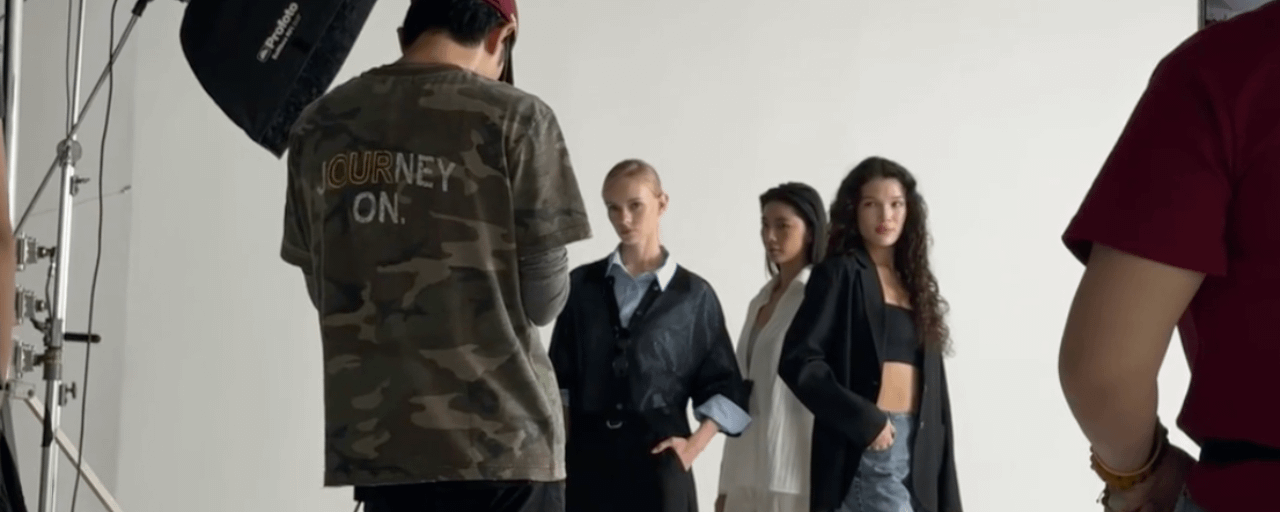
When many people enter the crypto space, they all have a fantasy: to find an opportunity that makes their lives quickly double. But what the market truly tests isn’t whether you’ve made money—it’s whether, after experiencing a major loss, you still have the ability to stand back up. Today, I’m sharing a fan submission: he used to be a freelance photographer. He supported himself by relying on the camera in his hands. Later, after going through a business downturn and contract losses, he ultimately managed to turn things around by rebuilding his trading system.
He said that when he first started in photography, he had no resources and no connections. While others were resting, he was still out running after clients and looking for orders. To land a commercial shoot, he often had to communicate back and forth many times. Sometimes, after being busy all day, his income might even be less than someone else’s money for a single meal.
But he has one trait: he’s willing to settle in and accumulate.
After a few years, relying on his skills and reputation, he built a group of clients. Starting from taking orders as a single person, he slowly established his own photography studio. Although the process was exhausting, he also earned his first big lump of life-changing money through this industry.
Entering the crypto space began with a business photography shoot, where he met a blockchain entrepreneur. The other party often talked to him about BTC, ETH, and market cycles. At first, he also felt that this industry was far from him, but because he had been doing entrepreneurship, he was more sensitive to new opportunities—so he started spending time researching.
He didn’t go heavy right from the start; he first learned the market’s logic.
From blockchain basics, to market cycles, to fund flows—he gradually figured it out step by step. Later, when he felt he had gained some understanding of this market, he took out 150,000 to start building his spot positions.
It just happened to coincide with a round of market upswings, and he slowly grew 150,000 into more than 1.5 million.
At that moment, he felt for the first time that wealth growth wasn’t the only path through entrepreneurship.
But for many people, the biggest risk in the market isn’t that they’ve never made money—it’s that after making money, they forget to remain in awe.
He said that many of the mistakes he made afterward are mistakes many traders make.
Because he made money in spot trading, he began to think his judgment was pretty good. Plus, having accumulated some experience from his previous entrepreneurship, he believed that seeing the industry and the trend might give him an advantage over ordinary people.
So he began to get in touch with futures trading.
In the first few months, the market cooperated. He successfully guessed the direction several times, and the account grew incredibly fast. Sometimes the profit in a single day was more than what he earned by taking photos for months.
Slowly, a dangerous thought started to form in his mind: what if photography was just the past, and trading is the future?
The position size kept getting larger, the trading frequency kept increasing, and he even started putting more and more effort into watching the charts.
Until one day the market suddenly reversed.
At the time, he judged that the market would continue rising, so he went heavily long. When the price started to pull back, he didn’t execute the stop-loss right away—he thought it was just normal fluctuation.
He didn’t give up the first time. He told himself: “It’ll be fine after the rebound.”
Later, as the losses widened, he started increasing his position again, hoping to earn back all the losses through a single rebound.
In the end, the market didn’t follow his script, and his account ultimately lost more than 2 million.
He said the hardest part that time wasn’t only that the account numbers were shrinking, but that real-life pressure hit all at once.
The photography studio’s income dropped, and investment losses surfaced again. Every day he had to face pressure from clients and from life, and his whole state sank to rock bottom.
And it was precisely that experience that made him truly start to change.
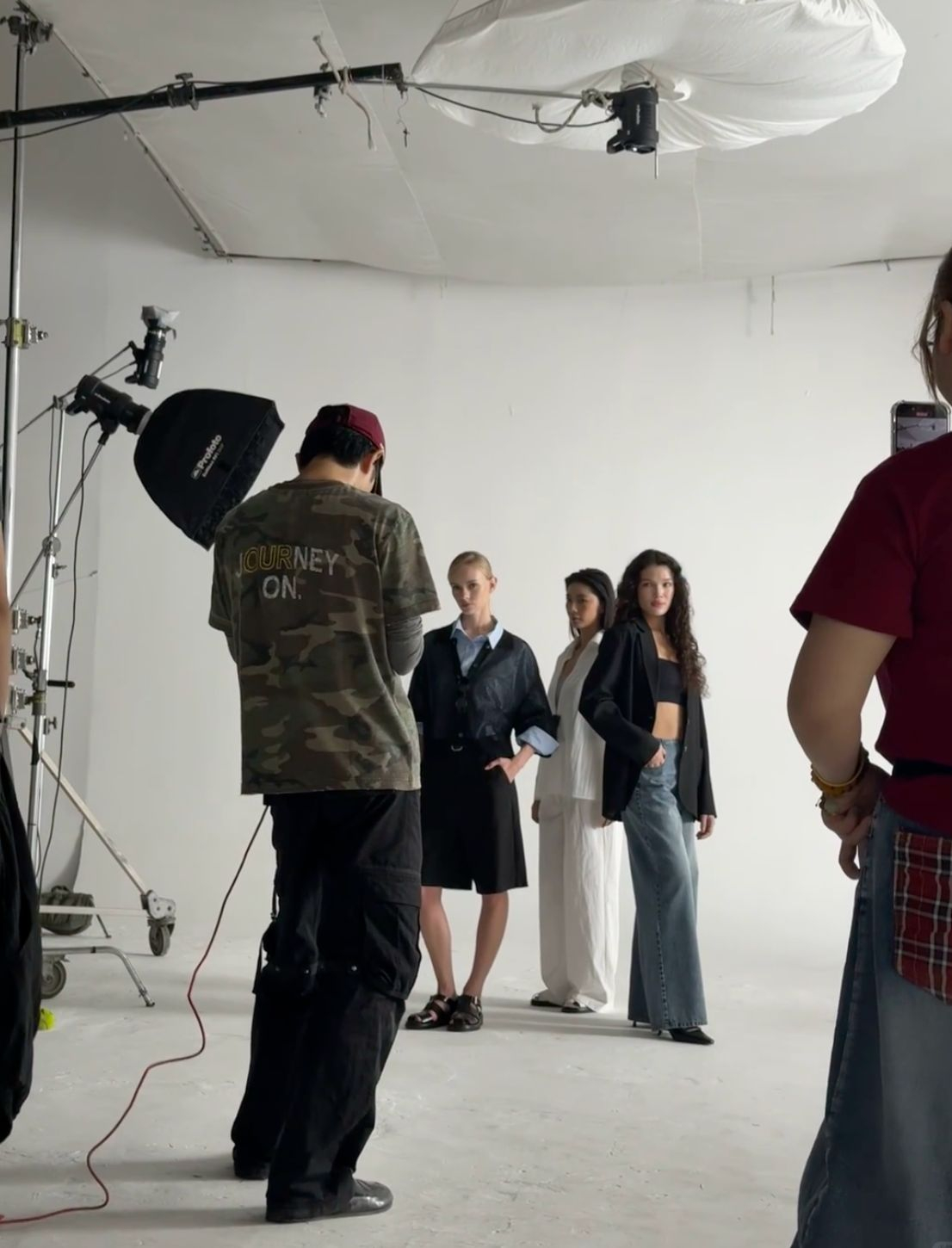
Later, he returned to the most basic foundation of trading and overturned all the habits of placing trades based on feelings.
He started to understand that trading isn’t about predicting the future—it’s about getting prepared in an uncertain market.
First, position management is more important than directional judgment. No matter how good the market looks, you can’t put all your chips on the line.
Second, a stop-loss isn’t failure—it’s part of your trading plan. The market offers opportunities every day, but your principal only once.
Third, don’t go crazy trading just to chase your losses back. Many people don’t lose because of their first mistake—they lose because of the urge to quickly turn things around.
After adjusting, he started reducing ineffective actions and only waited for the market setups he could understand. Through reviews, trend judgment, and money management, he slowly managed to earn the losses back over a few market cycles.
Now the photography studio is back to stable operations, and investing has become his second source of income. Compared to chasing quick money in the past, he now focuses more on long-term accumulation.
He said the biggest change wasn’t that the account started growing again, but that he finally understood: the money made from the market doesn’t belong to the person with the biggest nerve—it belongs to the one who lives the longest.
The crypto world is never short of stories about sudden wealth, but what’s truly worth learning are the people who can rebuild a system again after going through a low point.
If you’re still exploring your way in trading right now—whether you’re a complete newcomer or an experienced player who’s suffered losses—you’re welcome to connect and exchange ideas. My team has always been sharing market reviews, trading logic, and real-world experience, hoping to help more people avoid pitfalls.
Opportunities will always be there, but whether you can seize them depends on your knowledge, discipline, and execution. True turnarounds aren’t about how much you make in one single trade—they’re about staying at the table after the market tests you again and again.