

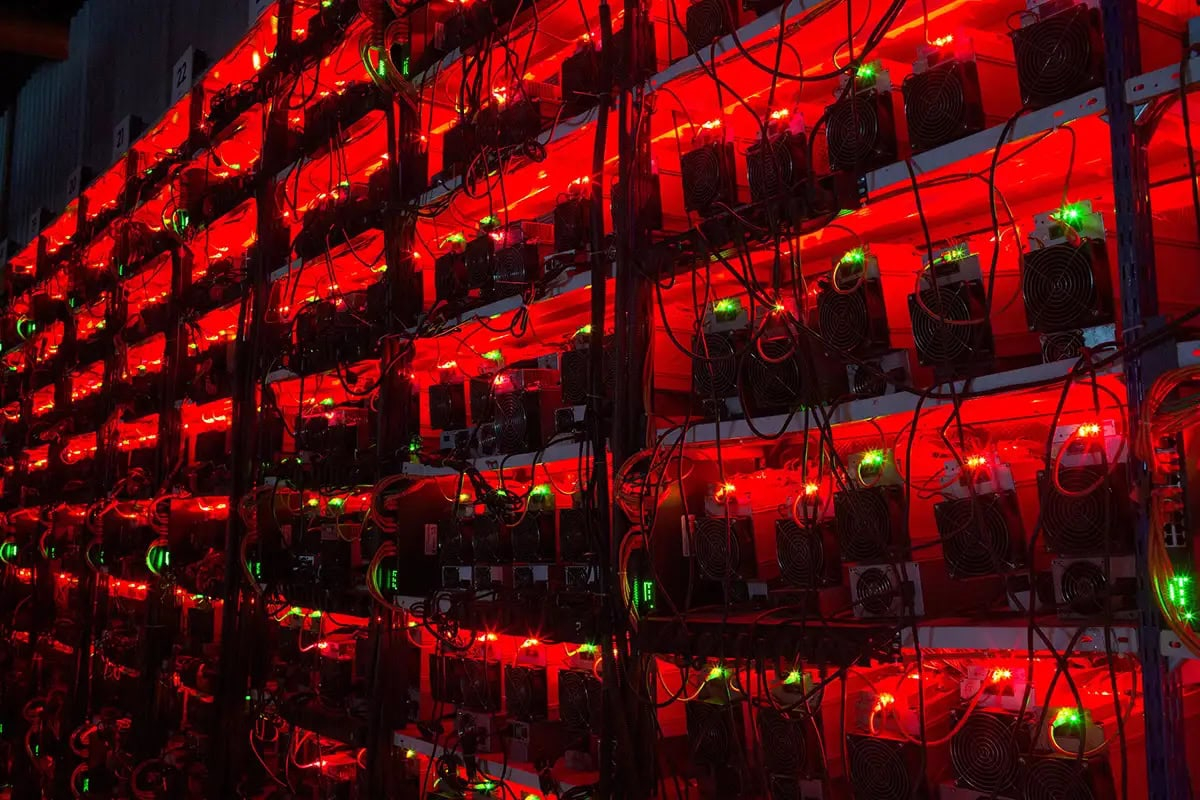
Bitcoin’s decline this year is probably not only due to outflows of ETF funds or selloffs by bitcoin-holding companies. On-chain data shows that listed mining companies have sold roughly 28,000 bitcoins since the start of this year, worth about $1.78 billion, creating a selling pressure that is easy to overlook but persistent in the market.
Since the beginning of 2026, Bitcoin has fallen by about 27%, and it is currently hovering around $64,000, with its performance even lagging behind major assets such as the S&P 500.
The market generally attributes this downturn to a wave of withdrawal from U.S. spot crypto ETFs. According to SoSoValue data, these ETFs have accumulated net outflows of more than $4.4 billion, forcing funds to dump large amounts of Bitcoin. In addition, dormant whale wallets and companies that hold bitcoin have continued to show sell orders, with the most representative example being Strategy’s recent dumping activity.
However, among the many market analyses, few people have paid attention to the movements of “publicly listed mining companies.”
According to tracking data from blockchain research firm Blockware Intelligence, at the beginning of this year, these publicly listed mining companies collectively held 127,000 BTC; but now that figure has dropped sharply to 99,000. In other words, within just a few months they sold 28,000 Bitcoin. Based on today’s coin price, this massive sell pressure amounts to as much as $1.78 billion.
Although the size of this sell-off is still smaller than the amount of outflows from ETFs, in financial markets asset prices are often driven by “marginal pricing” (meaning the market determines the price based on the very last marginal trade).
In other words, the direction of the coin’s price is not determined by the accumulated trading volume from the past few months, but by the most recent buyers and sellers entering the market. In a market downturn, where buying demand is already weak, even relatively mild and steady sell pressure can deliver a disproportionately heavy blow to prices.
Blockware Solutions’ research team said that the selling pressure from publicly listed mining companies since the beginning of the year is absolutely the key factor behind Bitcoin’s weak performance this year—yet it has rarely been widely discussed.
Mining companies are rushing to cash out for one reason: sheer desperation. Many miners are facing severe profit compression. Today, the average cost of producing one Bitcoin has surged to $74,300, far above the current market price. To survive, more and more mining firms are shifting their focus—moving their high-voltage power resources and infrastructure into the artificial intelligence (AI) computing market.
At the same time, Bitcoin’s mining difficulty has also been cut by about 18% from its historical high in November last year, setting a record for the longest consecutive period of hashrate decline.
In short, as several large miners pivot to embracing AI, the competitive pressure on the Bitcoin network is greatly alleviated. Mining costs gradually decrease, and miners who choose to hold their ground can earn a larger share of profits. This typical “free-market reset” may well attract a new wave of miners back into the market to mine for gains.
Blockware’s analysis team concluded: “To put it simply, the amount of Bitcoin mined by the miners that remain is nearly 18% higher than it was 10 months ago. As industry giants exit, they create better economic efficiency and survival space for the miners still left behind.”
“Ignored sell pressure! These ‘invisible big players’ have sold a whopping $1.78 billion worth of Bitcoin this year” — this article was first published on (Block Channel).