
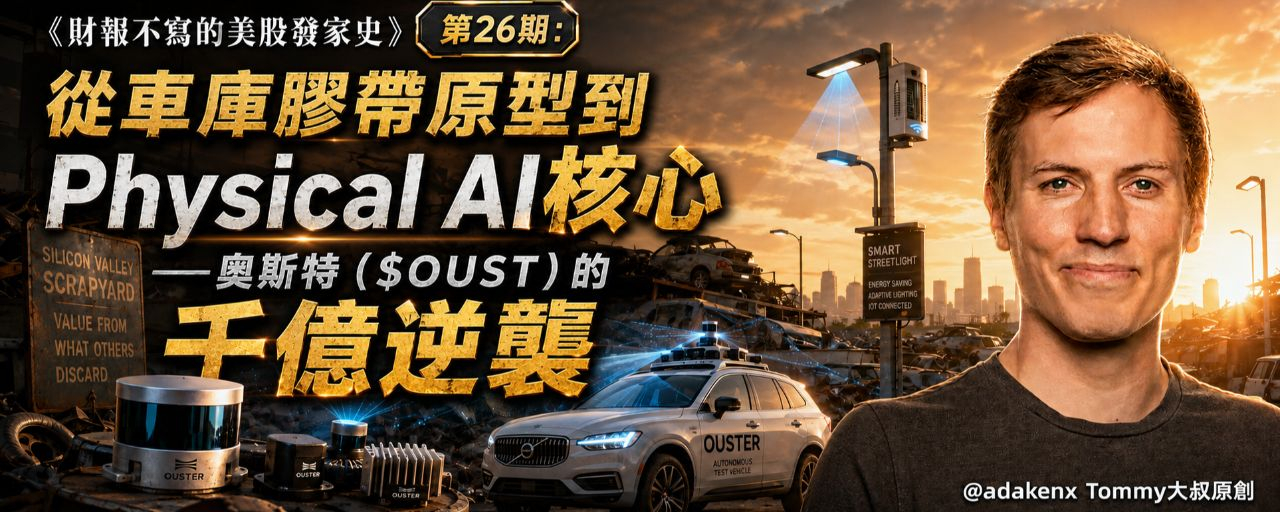

The laser radar industry these past few years has felt like a big game of werewolf.
Luminar (LAZR) has fallen by 90% from its peak, Quanergy went bankrupt and was delisted, and Velodyne was acquired. Wall Street has long desensitized to “the eyes of autonomous driving,” and even the mere mention of four words—lidar—makes people want to hang up the phone.
But physical AI is changing this pricing logic.
Whether it’s autonomous driving, warehouse robotics, or smart transportation, if AI wants to enter the real world, it must first accurately see and understand the surrounding environment. That’s why lidar is no longer just an auto component—it could become a key perception gateway for physical AI.
Just when everyone in the industry was calling it out, Ouster (OUST) rebounded more than 150% from its 52-week low of $16.40, yet the short ratio remained as high as 18%. The market’s debate is no longer just how many LiDAR units it can sell—it’s whether it can evolve from a hardware manufacturer into a physical-AI sensing platform.
Several signals about this company are worth noting recently: the European Tier 1 cooperation framework has been extended to 2029, covering the next generation of solid-state LiDAR; management has, for the first time, provided a target for gross margin to stay at 40% on a single-quarter basis; and about $320 million in cash and short-term investments gives time to push free cash flow into positive territory by 2027.
While peers were competing over wiring harnesses and mechanical precision, Ouster had already integrated the transmitting and receiving components into a CMOS chip. This route, once viewed as heretical, had the potential to turn LiDAR from expensive custom hardware into a scalable, replicable digital sensor. Is Ouster borrowing “physical AI” to tell a bigger story, or is it actually on track to become the visual infrastructure that connects machines to the real world? That’s the question this article will unpack.
Chapter One: The First One Million of Silicon Valley’s Misfit
Angus Pacala isn’t a typical Silicon Valley founder. He studied mechanical engineering as an undergraduate at Princeton, then went into an optical laboratory for PhD research focused on core components for solid-state LiDAR. His mentor’s assessment was very direct: he was more suited to make money than to publish papers. Pacala later quoted this line in multiple interviews, with a touch of self-deprecation, but more than that it was recognition. He truly didn’t spend too long on an academic path. He filed for withdrawal halfway through his PhD, reasoning that waiting three more years to publish papers wasn’t as good as getting in while LiDAR hadn’t yet been beaten to death.
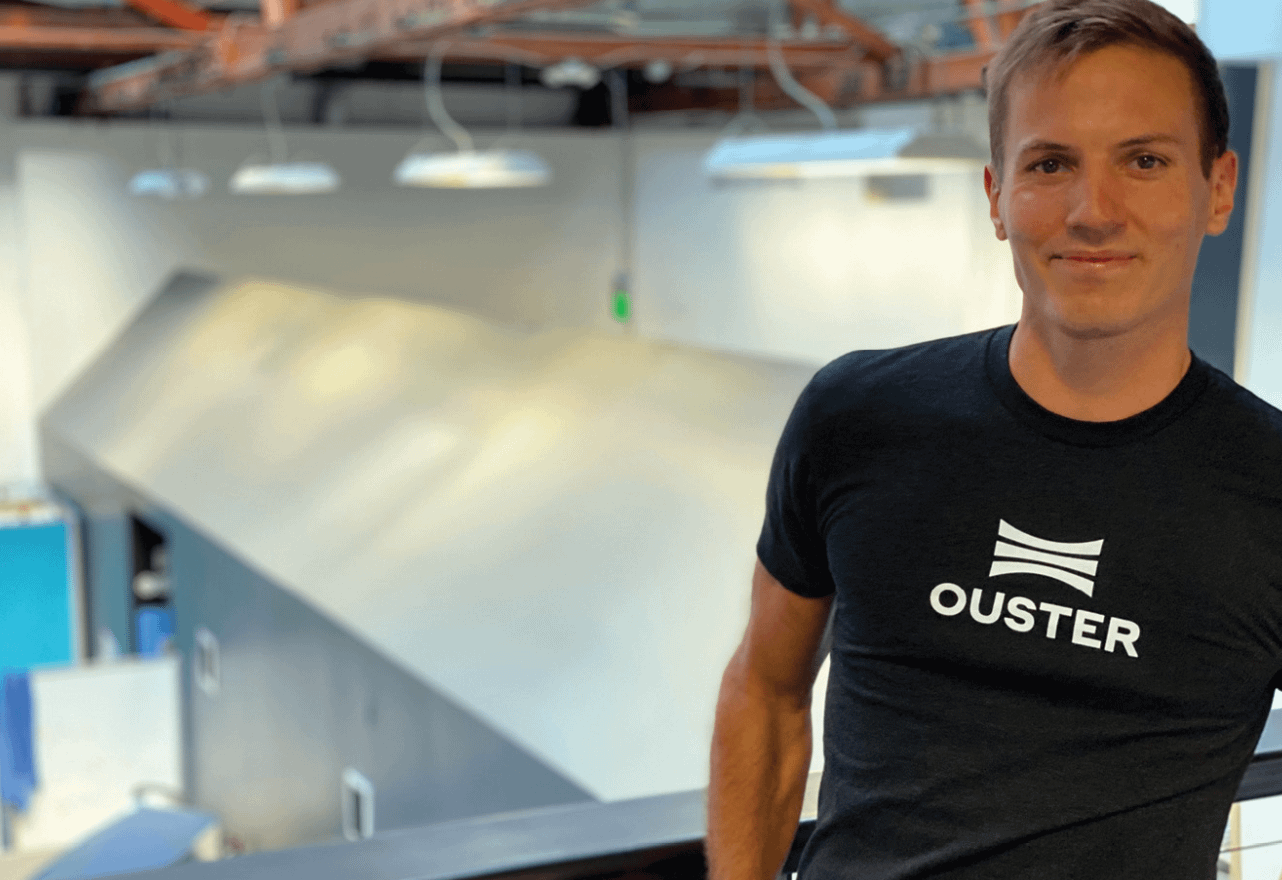
Gus Pacala studies mechanical engineering and optical PhD at Princeton University
In 2015, Pacala started working on early prototype units with Quanergy’s angel investment. At that time, Quanergy was the brightest star in the LiDAR track—raising over a hundred million dollars, its valuation soaring, and its slogan was to replace mechanically rotating LiDAR with a solid-state solution. Pacala stayed for less than a year and then left. The official story was a disagreement on the technical roadmap, but the real reason was a collision between capital will and engineering reality. Quanergy wanted to mass-produce quickly to win automaker orders, while Pacala insisted that the chip方案 had to be refined into maturity first; otherwise, what came out of mass production would just be scrap metal. Neither side could persuade the other, and in the end they had to go their separate ways.
That experience had a huge impact on Pacala. Later, he recalled that Quanergy taught him one thing: capital can accelerate the maturation of a company, but it can’t mature a technology. After he left, in a garage at Stanford, he set up a simple workspace and built demos using used equipment and samples taken from the lab. During that period he didn’t have much money and survived by taking on freelance optical design work. At its worst, he had to max out three credit cards.
The turnaround came at the end of 2015. Pacala brought a prototype he fixed with tape to the interview scene for YC’s incubator. The machine looked like a student assignment, but the demo made the interviewers stare for a few seconds—because it didn’t need a rotating mechanism to complete scanning, and its key component was only a chip the size of a fingernail. YC gave him $120,000 in seed funding, with conditions to build a prototype that could be demonstrated repeatedly within three months. Pacala brought two engineers who had also come out of big companies, and together they worked continuously for more than 70 days in the YC office, ultimately producing the first usable digital LiDAR prototype.
“What he sells isn’t a machine—it’s a promise about a cost curve. Silicon Valley is willing to pay for that promise, but only after you prove you’re not a lunatic.”
The first decent external financing happened in early 2016. Pacala met partners at several early Silicon Valley funds through YC connections. One of them later became an angel investor in Ouster. The negotiations lasted six weeks, and the core differences were on valuation and equity percentage. Pacala insisted on keeping enough control, while the investors worried he was too young and lacked mass production experience. In the end, both sides stepped back: a $5 million seed round with a post-money valuation of $25 million. The investor took 20% of the shares, while Pacala retained the founder’s veto right. With this money, Ouster moved from the garage into a small office in San Francisco’s SoMa area. It also made him realize for the first time that, at its core, fundraising is a trade-off between control and resources.
Chapter Two: From the Edge of Bankruptcy to the NYSE—The Man Who Refused Huawei
2019 was the year Ouster came closest to dying. At the time, the company’s product had already iterated to its third generation, but customers were only a few small companies and university labs conducting autonomous-driving tests, with annual revenue under $3 million. The cash on hand wouldn’t last more than six months. The longer the supply chain’s payment terms stretched, the worse it got—so bad that some suppliers literally blocked the office door demanding payment. Pacala did two things: he cut his own annual salary to $1, and then—personally—guaranteed a bank loan of $2 million to cover payroll. Later, he joked that his only asset during that time was the company’s options, and the options were worthless back then.
The board began discussing whether to sell the company at a low price. At the time, several peers and industrial investors expressed acquisition intentions. The highest bid came from a domestic telecom giant, offering a 60% premium on the condition of gaining controlling interest and all core technology patents. The proposed deal triggered fierce debate within the board. One side believed this was the only chance to survive, while the other worried that technology leakage would strip the company of independence entirely. Pacala was the final decision-maker. In a board meeting, he said directly: I don’t want a Chinese company to own the eyes of American autonomous driving. This line was later quoted repeatedly by the media, making him a hero in the eyes of some and a stubborn fanatic in the eyes of others.
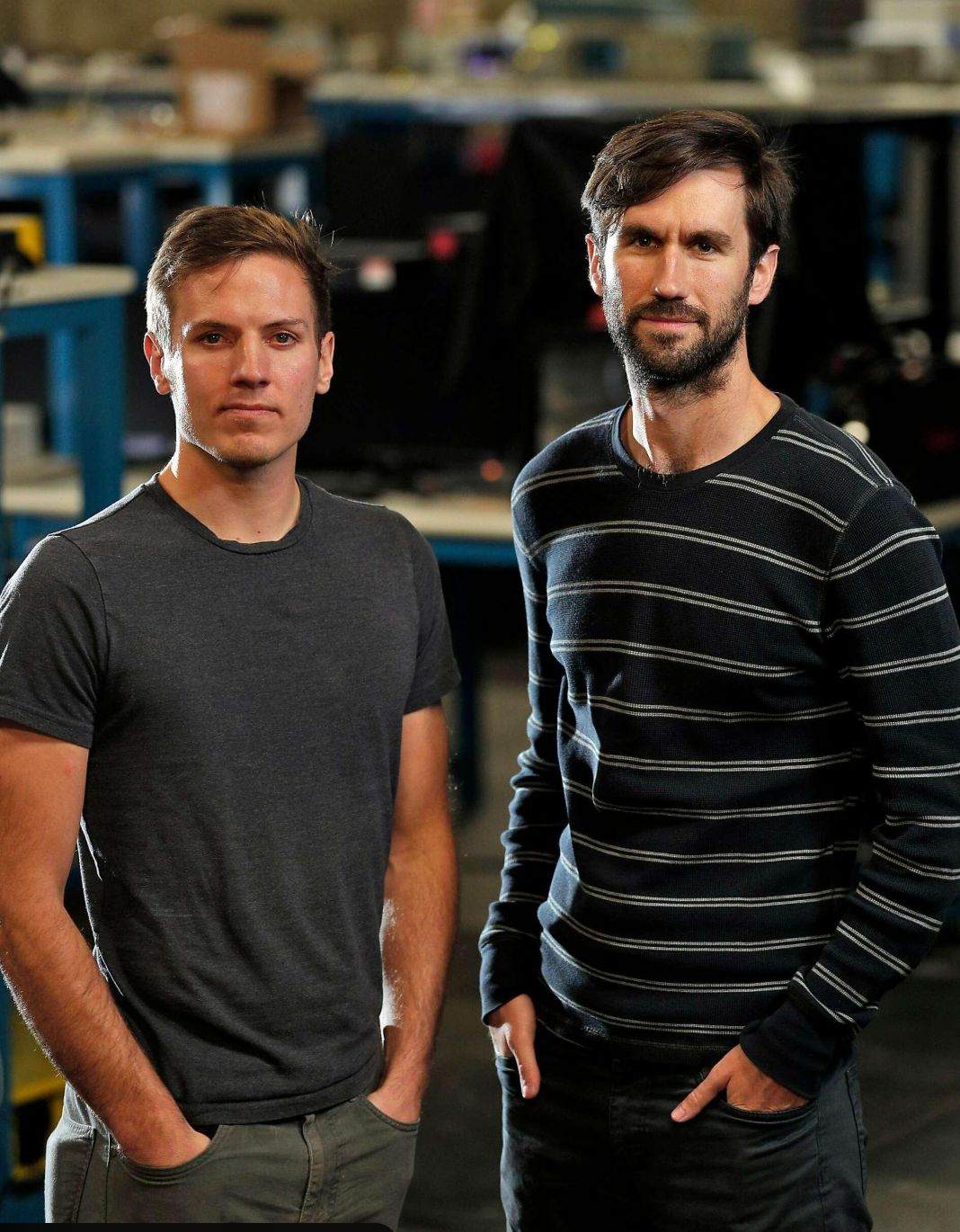
During the company’s tightest funding period, the board discussed various survival options, including selling the company. Pacala ultimately chose to continue developing independently and insisted on Ouster’s digital LiDAR route. The photo shows the two co-founders, Angus Pacala and Mark Frichtl, taken at Ouster’s early production facility in San Francisco.
The cost of rejecting an acquisition was that it had to solve its own financing problems. In the second half of 2019, Pacala nearly ran through every VC in Silicon Valley that mattered, getting shut out countless times. Finally, in early 2020, a joint investment from Europe and the United States came through—$48 million, with a post-money valuation of $180 million. The money kept Ouster alive, but the price was dilution of the founding team’s shares to less than 15%. Pacala took it lightly, saying, “If you’re alive, you have the right to talk about control.”
In early 2021, the SPAC craze swept Wall Street. Colonnade Acquisition Corp was a blank-check company without target assets yet, and management saw Ouster as a fit when searching for a suitable merger candidate. The negotiation process took less than two months. Valuation was $1.9 billion, even though Ouster’s revenue that year was expected to be under $30 million. The deal made Pacala a paper billionaire overnight, but the secondary market reaction wasn’t enthusiastic: on the first day of listing, the stock price fell below the issue price. The valuation given by the primary market and the valuation given by the secondary market are separated by a gap called profitability.
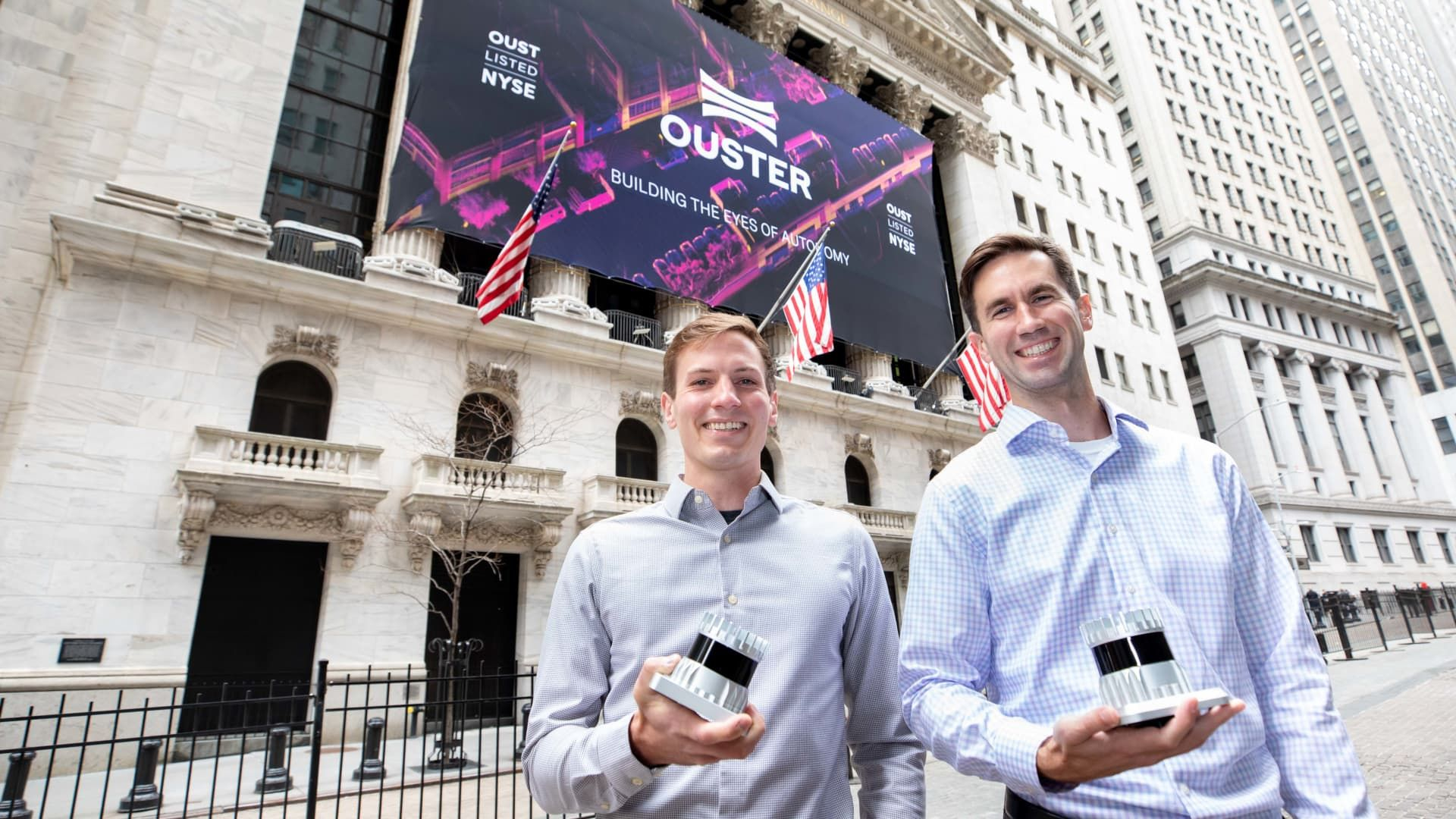
In March 2021, Ouster landed on the NYSE by merging with a special purpose acquisition company, Colonnade Acquisition Corp. At the time the deal was announced, the company’s valuation was about $1.9 billion. This SPAC transaction brought Ouster about $300 million in funding, marking its official entry into the capital markets.
“The essence of fundraising is telling stories, but after the story is told, you have to produce real things. SPAC just moves the story from the primary market and retells it in the secondary market. The audience changes, and so do the standards.”
Chapter Three: The Digital Silicon Valley Revolution—How a Chip Rewrites the Cost Ledger of LiDAR
The awkwardness of traditional mechanical LiDAR is that it’s essentially a precision rotating instrument. Dozens of laser emitters and dozens of receivers—each one must be calibrated individually, each one packaged individually. The time to produce one LiDAR is enough to assemble a household sedan. This structure determines a harsh physical reality: costs can’t come down and production volumes can’t rise. Industry leader Velodyne spent two decades and still couldn’t solve the problem. In the end, it could only maintain profitability by selling expensive products.
Ouster’s solution was to switch tracks. It integrates the entire transmitting and receiving system onto a CMOS chip and uses semiconductor processes to make optical components. This means that while others need hours to produce a LiDAR unit, Ouster only needs minutes—because chips are manufactured in batches, and packaging and calibration steps are greatly simplified. The cost curve is therefore rewritten: mechanical LiDAR costs are in the thousands of dollars, while Ouster’s digital LiDAR can drive the unit price down to hundreds of dollars, or even lower, after mass production.
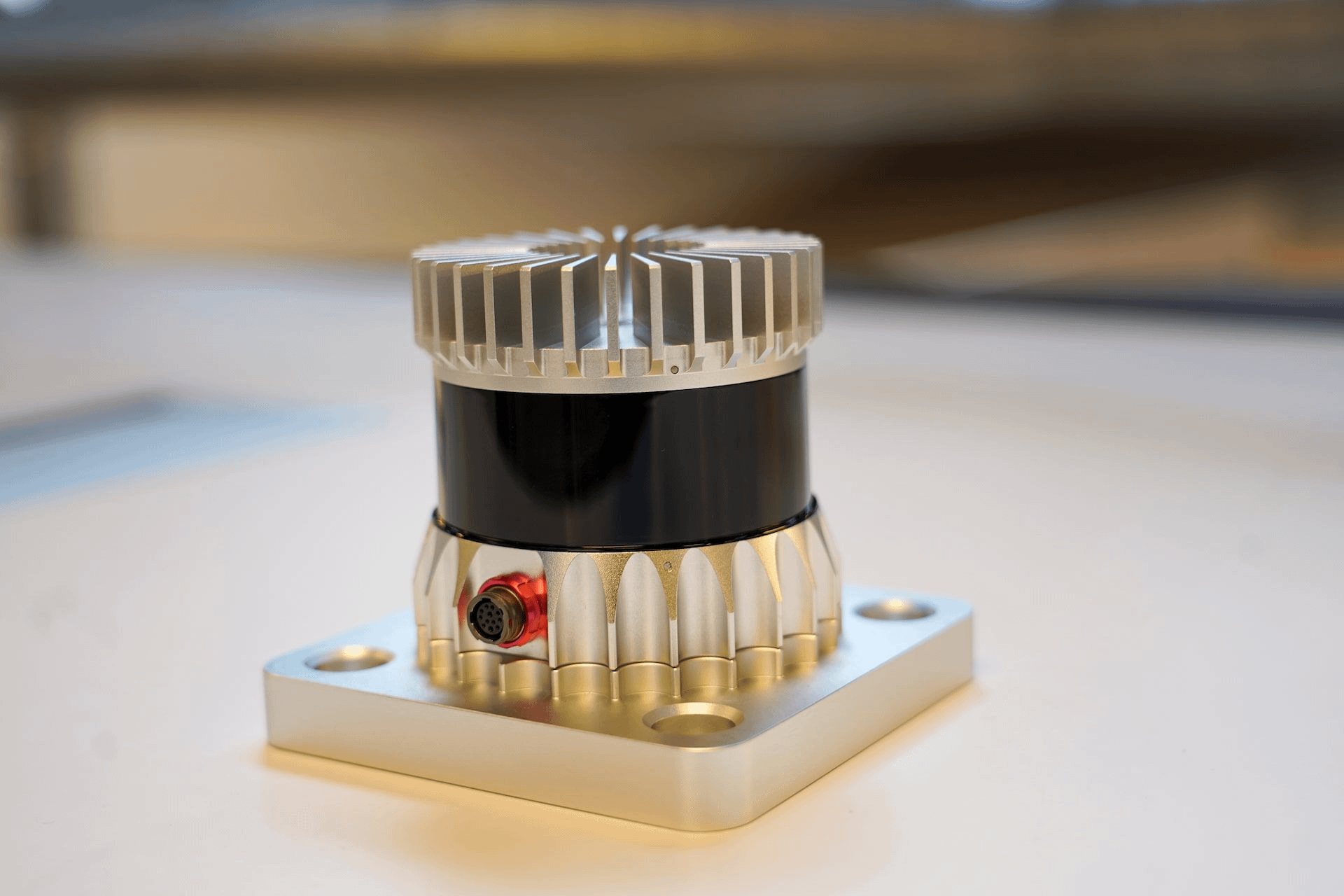
Ouster integrates the LiDAR’s transmitting and receiving system onto a single chip, uses semiconductor processes to manufacture optical components, greatly simplifying the production process and reducing costs.
Ouster’s 2023 merger with Velodyne was a bond between the industry leader and the runner-up, a mutual support. Before the merger, Ouster’s gross margin had long hovered around just above 20% because of its small scale and weak bargaining power in the supply chain. After the merger, the combined manufacturing capacity and customer resources from both companies lowered procurement costs, improved capacity utilization, and lifted gross margin from 24% in 2023 to the 38%–42% range in 2025. This improvement speed made many analysts start looking at the space again, but questions followed: is the gross margin gain structural improvement, or a short-term windfall purchased by cutting R&D spending?
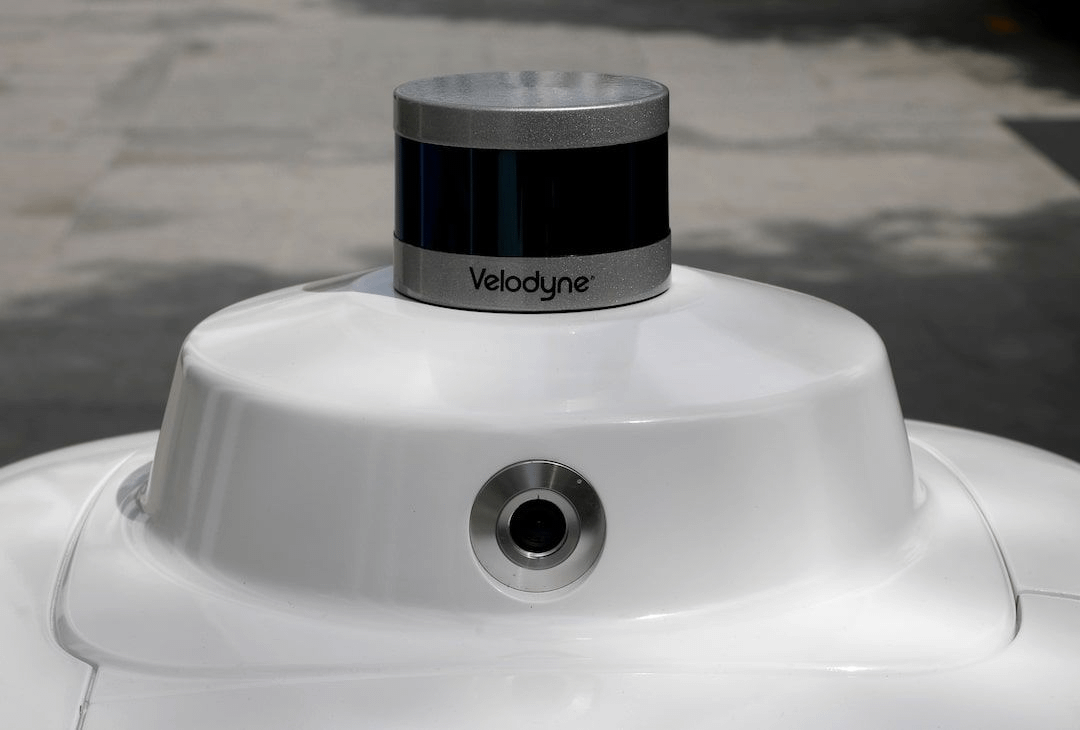
In 2023, Ouster merged with an industry giant. By integrating manufacturing capacity and customer resources, it effectively lowered procurement costs and significantly improved the gross margin of the combined company.
Comparing other routes makes it clearer. Luminar takes a semi-solid-state route; its core optical components still require precise assembly, and the rate of cost reduction is far slower than a chip-based approach. Hesai Technology has taken mechanical LiDAR to the extreme, and its costs are also lower than Velodyne’s by a fair margin—but it is still constrained by the physical limits of discrete components. Valeo’s traditional strength is its mass production experience at the automotive-grade level, but its technical route still leans toward mature solutions rather than aggressive innovation. Ouster’s “digital + solid-state” route is indeed the steepest one on the cost curve—assuming yield can keep improving and that customers are willing to pay for a new technical roadmap.
“It doesn’t sell a LiDAR system—it sells the semiconductor industry’s scale effect. If this path works, the speed at which costs fall will exceed most people’s linear expectations.”
Chapter Four: Blind Spots in the Financials—Those Secrets Hidden in Gross Margin and Inventory
In fiscal years 2024 and 2025, Ouster’s revenue growth slowed to around 20%, clearly down from the doubles it had delivered in prior years. Market attention shifted from “growth” to “blood-making ability”—a signal that investors are starting to demand it meets the standards of mature companies. Under GAAP, losses are narrowing. For FY2025, the net loss was about $110 million, a significant improvement compared with $180 million in 2023. But non-GAAP adjustment items have remained controversial. Equity incentive expenses and restructuring expenses that management excluded are not necessarily viewed as truly “non-recurring” by investors.
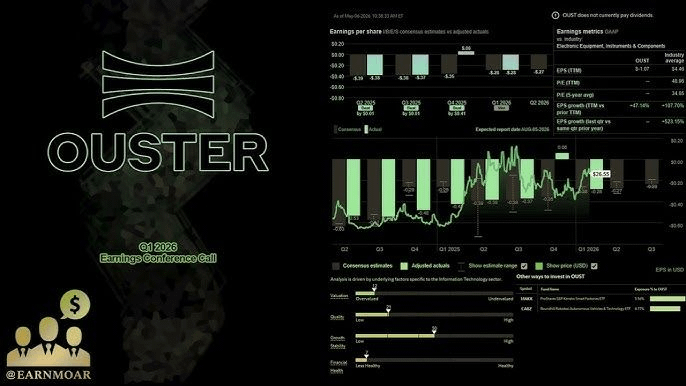
As revenue growth slowed, market attention shifted from high-speed growth to profitability. Investors began assessing its financial performance using the standards applied to more mature companies.
Inventory turnover days are a data point worth watching closely. By the end of 2024, Ouster’s inventory turnover days rose from around 90 the year before to 140. Some analysts questioned whether this was done to push revenue by overstocking channels. The company’s explanation is that it was preparing inventory for a new model’s production ramp, with deliveries expected to begin in Q2 2026. This claim has some merit because orders do exist—but the risk of channel stuffing remains: if customers delay the production schedule, inventory turns into a cash-flow black hole. The data in Q3 2025 dipped slightly back to around 120 days, but the absolute number is still high.
By the end of 2024, Ouster’s inventory turnover days climbed to 140, sparking market questions about whether it was stockpiling inventory for mass production of a new model and stuffing channels.
Equity incentive expenses are another hidden cost that doesn’t show up in the financial report. Ouster’s annual stock options and RSUs have consistently made up more than 15% of revenue, which means the shares of existing shareholders are diluted a little every year. Management argues this is a necessary cost to retain core engineering talent—after all, LiDAR R&D talent is highly in demand in the market. But from an investor’s perspective, this is a real cost, just not shown in the most eye-catching spot on the income statement. If you add equity incentive expenses back to the losses, Ouster’s actual burn rate is much faster than the book numbers suggest.
“Gross margin improvement is real, but inventory and equity incentive expenses are like water in a sponge—you squeeze them and you can always squeeze out some of that water. The question is: you have to figure out which part is just water and which part is real progress.”
Chapter Five: Three Big Bets—Order Showdowns in Autonomous Driving, Robotics, and Smart Cities
By the end of 2024, Ouster signed an $800 million framework agreement with a European Tier 1 supplier to be executed over five years. On the day the news was released, the stock price jumped 12%, but when you look calmly at the numbers, revenue recognized in the first year would be less than 10%—which puts a big question mark over the real value of the agreement. A framework agreement isn’t an order; it’s more like a letter of intent. The customer has an intent to purchase, but actual execution depends on the production schedule for the vehicle model and the results of product acceptance. There are many variables in deals like this. In recent years, the LiDAR industry hasn’t been short of failures on such “big orders.”
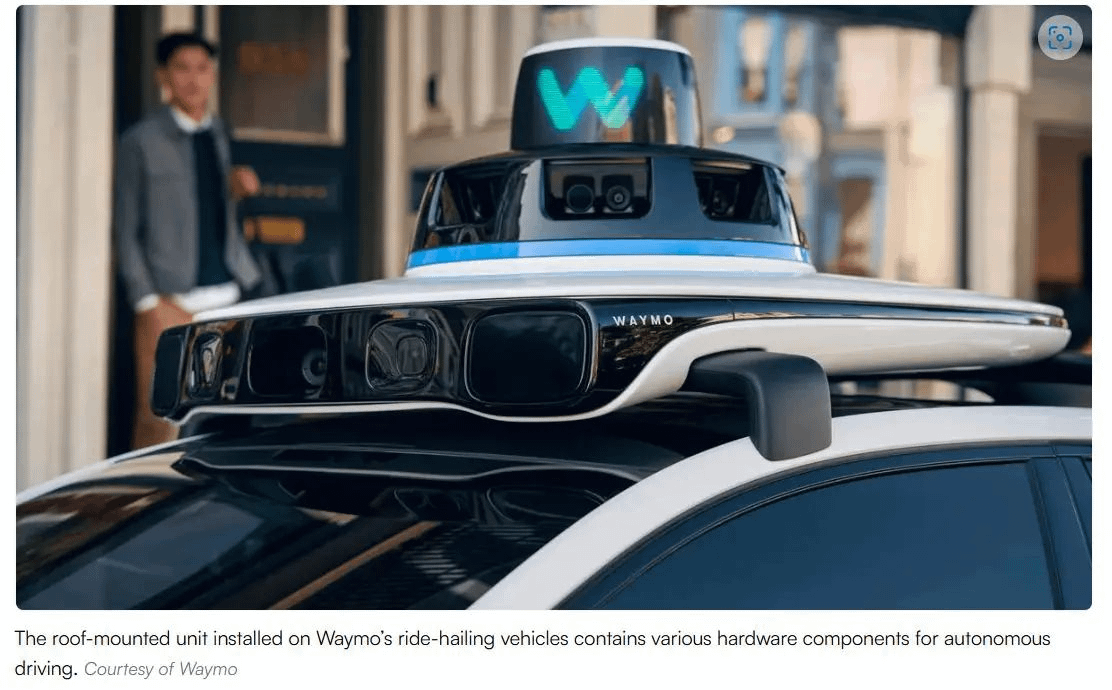
Ouster signed an $800 million framework agreement with a European Tier 1 supplier.
The robotics track is the fastest-growing second curve. In the first half of 2025, the revenue contribution from forklift AGVs and delivery robots was about 30%, with gross margin higher than the automotive business. The reason is that industrial robotics is less price-sensitive and values stability and delivery speed more, and Ouster’s chip-based approach has advantages in exactly these areas. In all of 2025, robotics revenue is expected to grow year over year by more than 80%, becoming the company’s main growth engine. Some analysts predict that by 2027, robotics will surpass automotive and become the largest source of revenue.
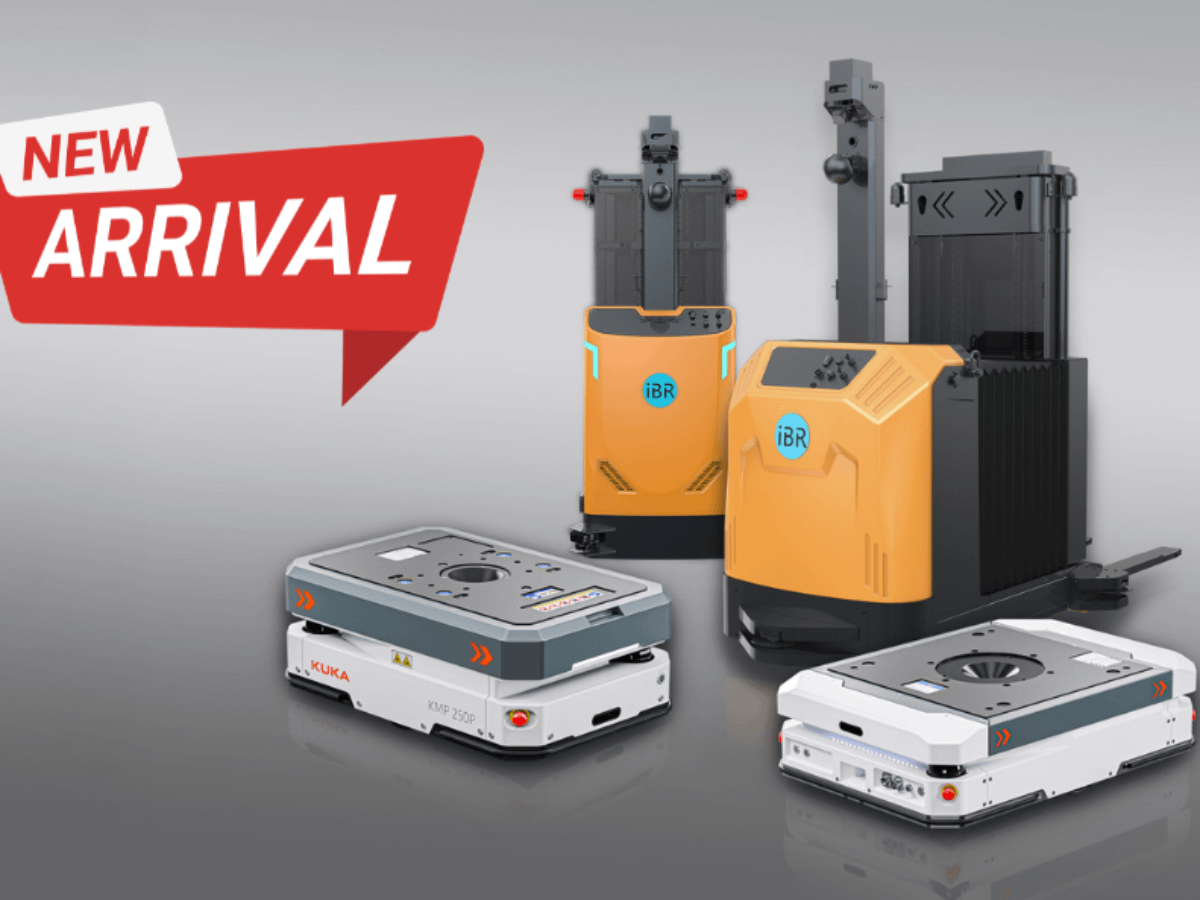
In the industrial robotics field, Ouster became the fastest-growing second curve. Forklift AGVs and delivery robots have high requirements for LiDAR stability and delivery speed.
Smart infrastructure is a tough bone to chew. Automation retrofit orders for ports and mining sites have long cycles. From bidding to acceptance, it often takes more than two years. Receivables aging is stretched out correspondingly. The 2025 financial report shows that receivables older than one year account for 12% of total receivables, and the proportion is rising. Some investors have started to worry about bad-debt risk, especially because payment parties for certain overseas projects are local governments or state-owned enterprises, and the repayment schedule is heavily affected by politics and budgets. Diversification spreads risk, but it also turns receivables recovery into an art that requires careful management.
“The bets in the three big gambles are different: automotive wants volume, robotics wants profit, and smart infrastructure wants cash flow. The first two already show signs, but the third is still waiting for time to prove it.”
Chapter Six: Wall Street’s Wager—The Shorts, the Zombie Bulls, and That “Shovel-Seller” Logic
In early 2025, Ouster’s share price rebounded more than 150% from the lows, but the short interest ratio remained as high as 18%. This long-versus-short standoff is rare in the LiDAR space—most peers had already been beaten nearly to death by shorts, yet Ouster still rose against the odds under heavy short pressure. The shorts’ logic is simple: the company is still losing money, its valuation isn’t cheap, and its technical roadmap is under a double squeeze from Luminar and Hesai. The zombie bulls’ logic is based on a longer-term story: if autonomous driving truly arrives, LiDAR is a sensor you can’t do without, and Ouster is the player with the steepest cost curve.
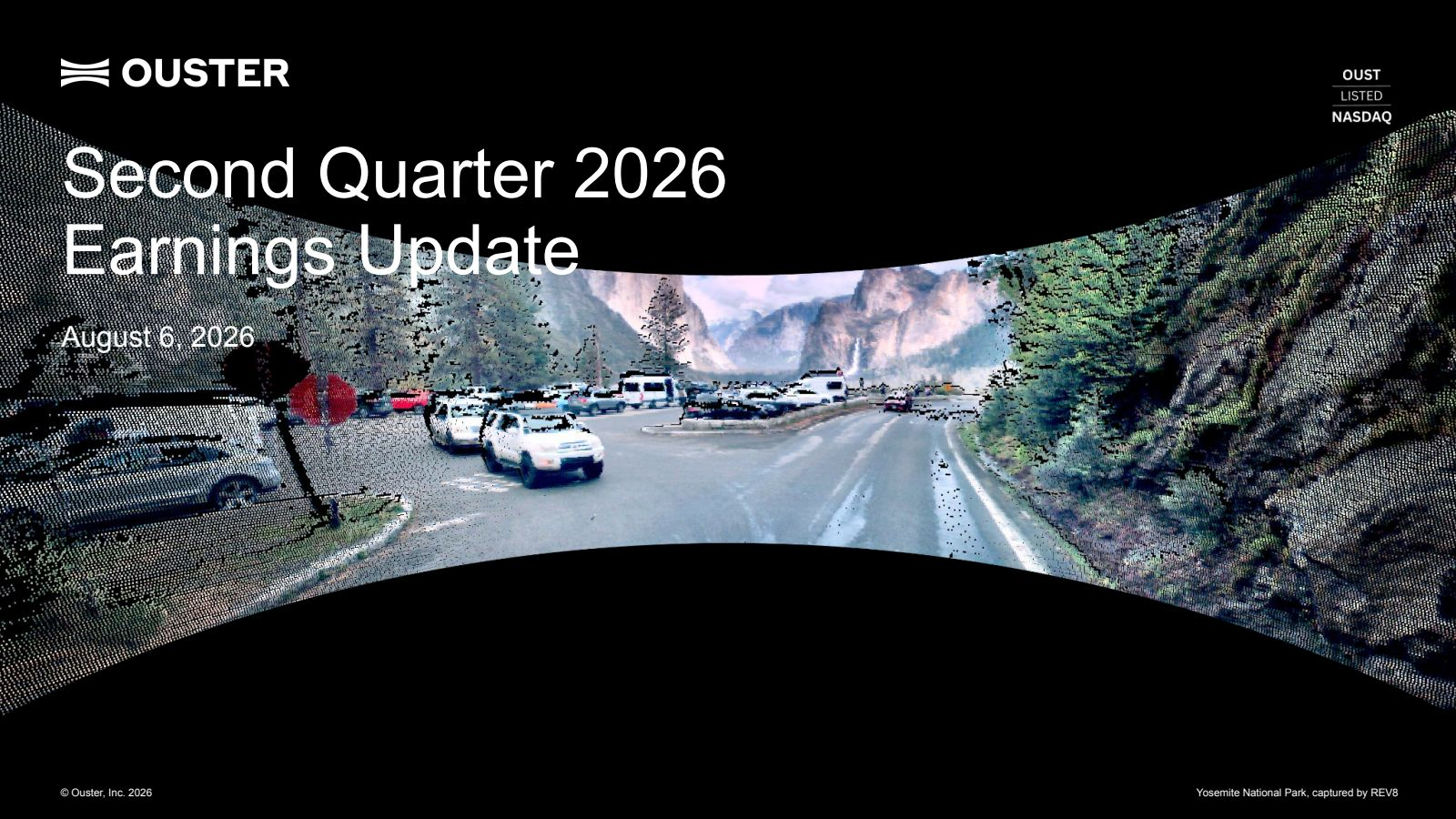
In early 2025, Ouster’s stock price rebounded against the trend by more than 150%, but the short interest ratio remained as high as 18%, reflecting intense long-versus-short confrontation in the LiDAR space.
A popular saying in broker communities is that LiDAR is the shovel seller of autonomous driving, but maybe there’s more than one shovel. The metaphor is vivid, but it also contains a harsh truth: shovel sellers only matter if they live through the whole gold rush—players who drop out midstream can’t even keep their shovels. Luminar takes a high-end route and locks in top automakers for deep customization; Hesai wins market share through large-scale mass production and price wars; Ouster’s differentiation lies in its cost advantages enabled by chip integration. Each of the three routes has its fans, but in the end, only one or two companies may actually survive.
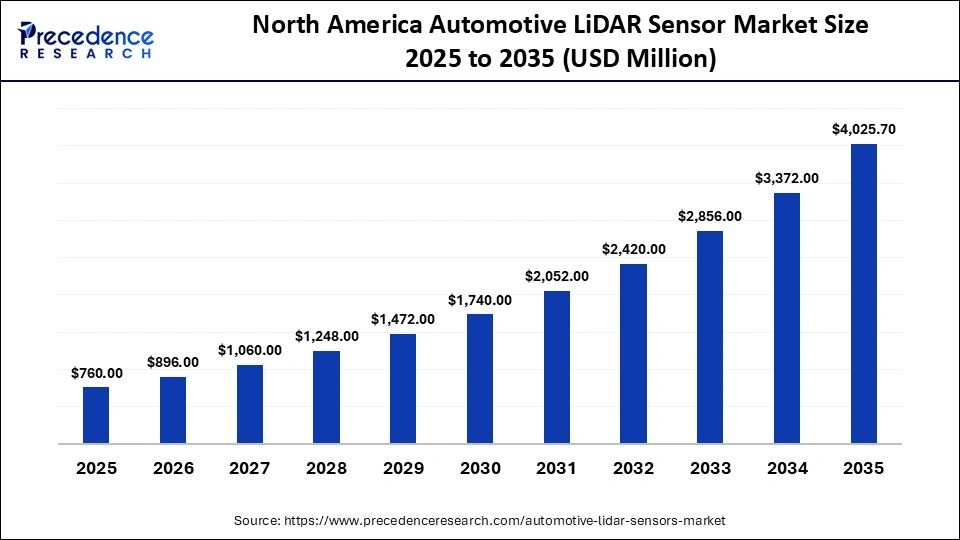
Competition in the LiDAR industry is fierce. Luminar, Hesai, and Ouster each take different routes—high-end customization, large-scale mass production, and chip-based cost advantages—to fight for market share.
Online, the debate between retail investors and institutions about “solid-state route vs semi-solid-state route” has been heating up. The technology itself is secondary; the real issue is the fight over positioning—both the long and short sides have their own incentives, and the technical roadmap is just a tool to express their stance. Some netizens dug up old news from 2019 when Ouster was near bankruptcy and mocked it as a “company picked up from the trash heap.” Others countered with data showing improved gross margin for six straight quarters, arguing that the shorts were ignoring changes in fundamentals. There’s no clear winner in this debate in the short term, but it reflects a fact: Ouster’s chip structure is already complex enough that stock price volatility is influenced by sentiment to a degree no less than fundamentals.
“The market cares about growth rate; I care about the quality of cash flow. A company can survive by telling stories for a year or two, but it can’t survive a full industry cycle.”
Chapter Seven: The Uncle’s Chips on the Table
Today is August 11. OUST’s share price is about $45.13, and its market cap is about $6.7 billion. Based on expected revenue for 2026, the PS multiple is roughly around 6x. This valuation is cheaper than Luminar but more expensive than Hesai, placing it in the middle of the LiDAR space’s valuations.
The key blade the financial report doesn’t write about: I picked inventory and equity incentives. Inventory turnover days exceed 120—too high for a company with less than $1 billion in annual revenue. If the new model’s production in Q3 2026 falls short of expectations, inventory write-downs will directly erode gross margin. Equity incentive expenses account for more than 15% of revenue, meaning existing shareholders are being diluted faster than the losses on the books indicate. If you add these two items back, the company’s actual free cash flow shortfall is larger than it looks from the statement. Management says it will turn profitable in 2027, but only if revenue growth can be maintained above 20% and gross margin holds steady at 40%. If either condition misses, the timeline gets pushed back.
My stance is this: on price movement, around $45 is the upper edge of a heavy pre-trade concentration zone; near-term support is in the $38–$40 range, and resistance is around $50. On the odds, upside depends on whether the robotics business can keep exceeding expectations. Downside risk comes from the execution timeline of large orders in automotive and the speed of cash burn. I currently hold a small position, keeping the weight within 2% of total assets. I won’t add to the position here and will wait for two signals: (1) gross margin stays above 40% for two consecutive quarters, and (2) free cash flow turns positive on a single-quarter basis. The valuation the market gives isn’t for today’s losses—it’s for the cost curve that other people haven’t figured out yet. The problem is whether that curve can actually be achieved; the financial statements can’t show that.
=Thank you for reading, the full text is complete=
Note: This article reflects the author’s personal views and contains no investment advice. Adults should be responsible for their own investment decisions.
#美股 #OUST