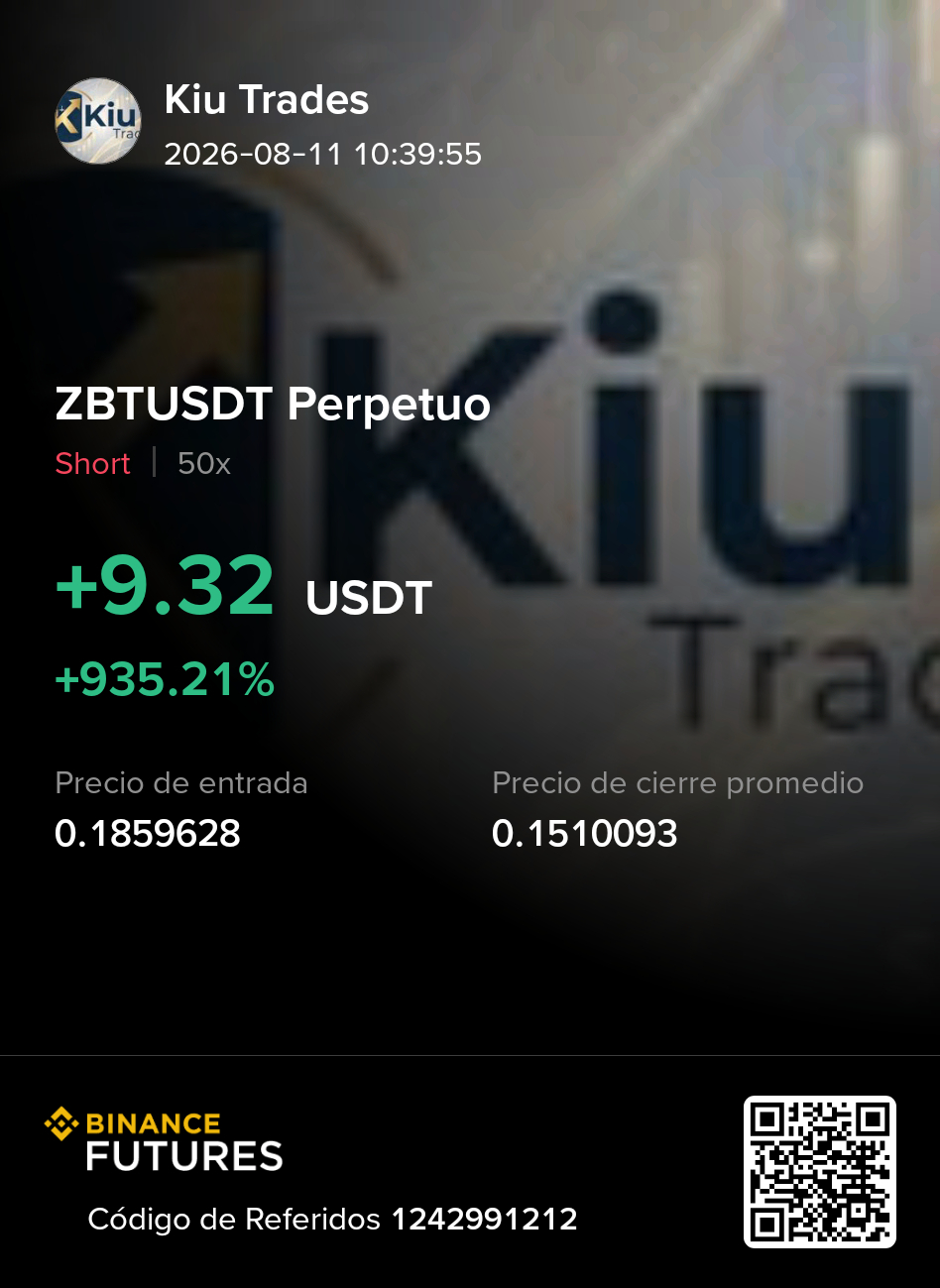
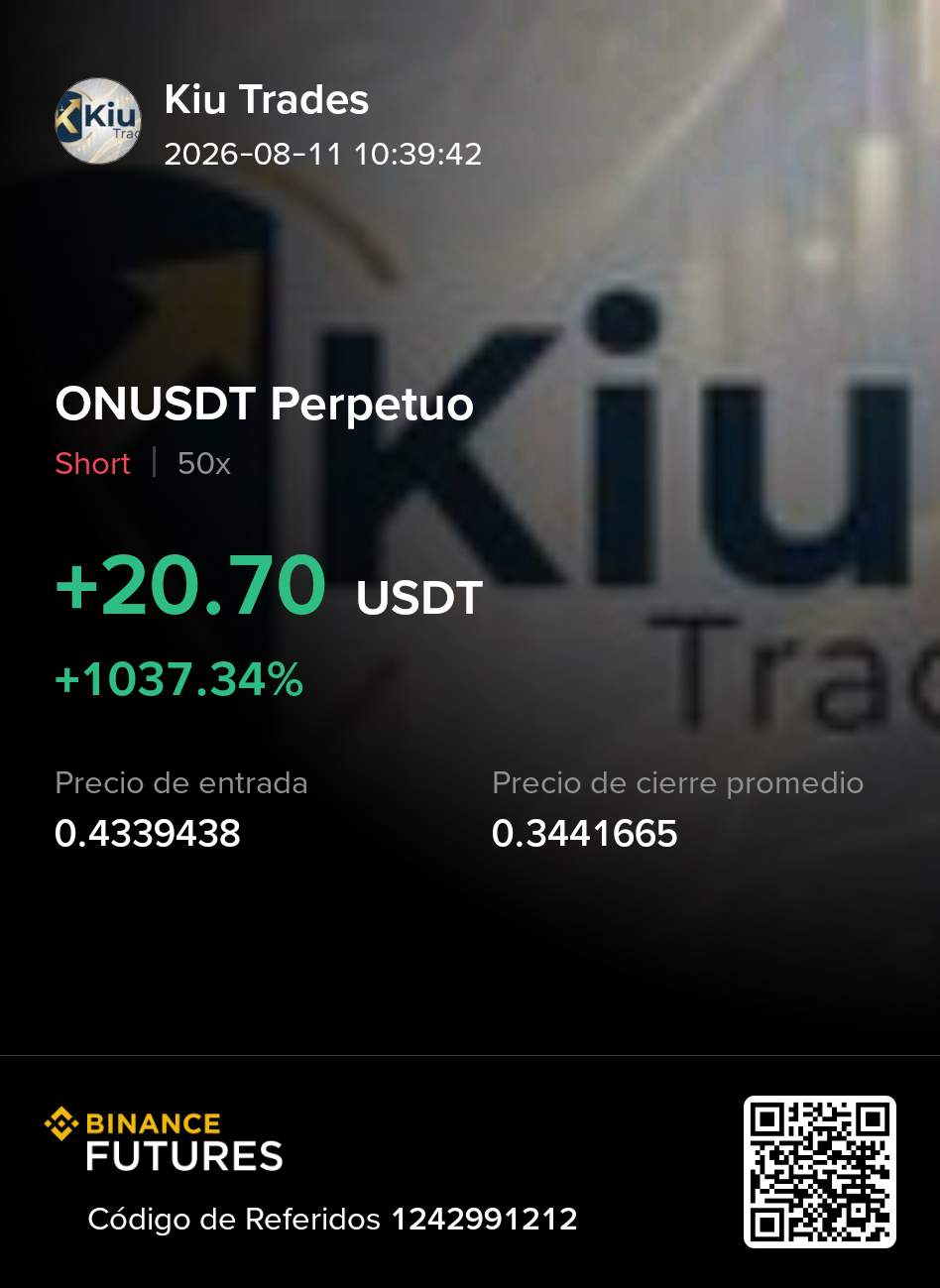
When you execute a trade and achieve a 1,000% ROI, your brain does not process the win cleanly. Instead of triggering the reward for having done a correct analysis and disciplined risk management, the psychology of the gains you didn’t get kicks in. In Trading psychology, this is known as the Unhappy Winner Syndrome and it consists of three mental states:


1. The Hindsight Bias.
Now that the price has already moved and you see the final result, your brain rewrites the past and convinces you that it was obvious this was going to happen.
The reality is that at the moment you entered the position, the market was 100% uncertain. You went in with a small position precisely because there was a risk of losing that capital.
2. Aversion to Regret.
Humans feel the pain of a loss with twice the intensity as the joy of a gain.
In this case, the brain doesn’t process only the current result—namely, that you won 10 times the capital you entered with—but it compares it against an idealized fictional scenario where, if you had put in 50 instead of 3, you would have multiplied your gains by a lot. The mind turns a real win into a phantom loss.
3. The Fallacy of the Outcome.
You judge the quality of your initial decision based solely on the final result, not on the conditions you had when you made the decision.
Entering with a small position size is precisely the technical, objective reason you survived without being liquidated during the volatility before the move.
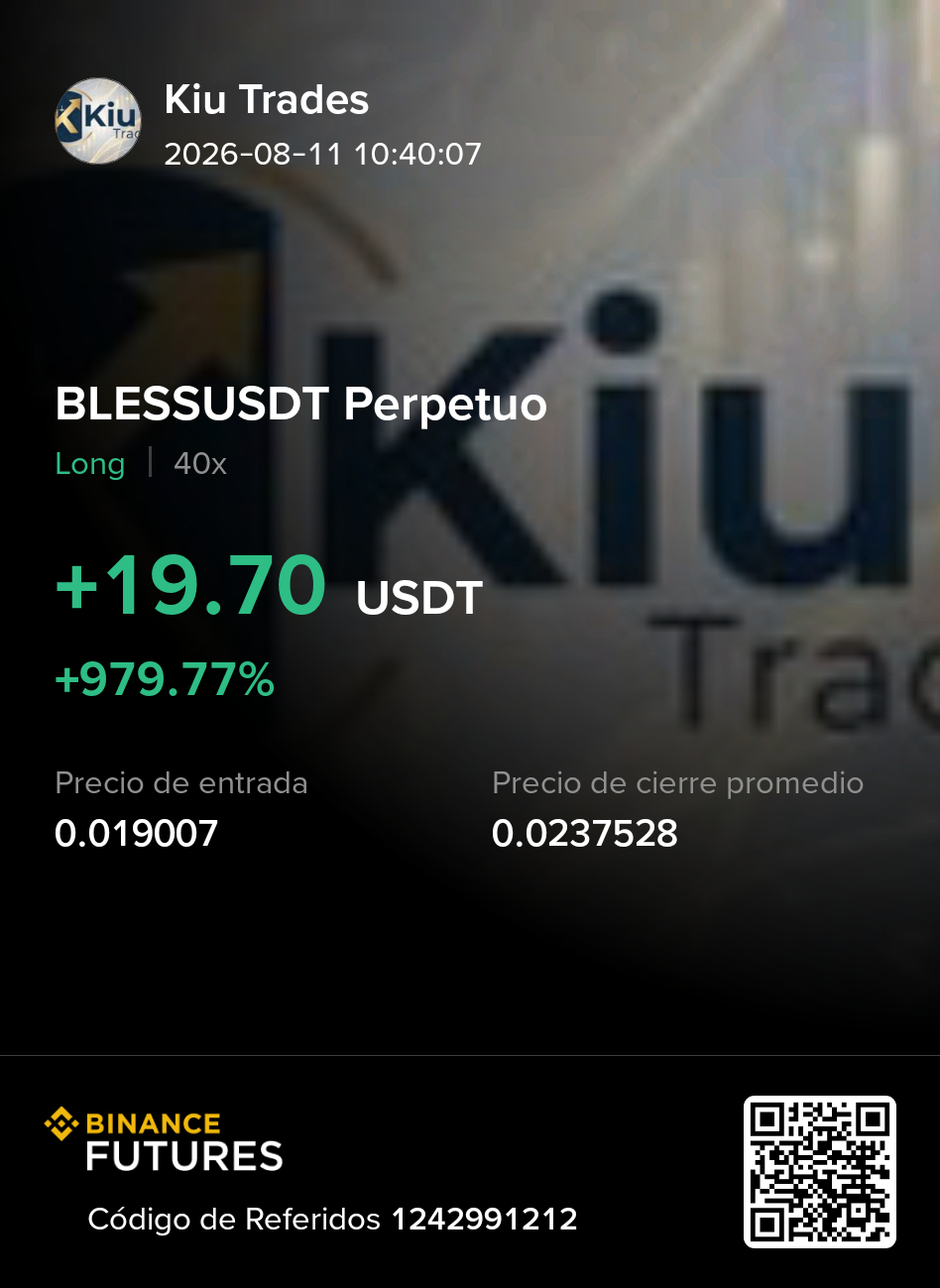

The disgruntled winner syndrome is one of the main psychological traps that destroys accounts in the long run. When you let that mental state take control, three things happen:
1. You increase the position size on the next trade without justification, trying to compensate for what you didn’t manage to win.
2. You go in harder on a scenario that may not have the same confluence or the same technical quality.
3. You ignore risk management, forgetting that that small entry was precisely what allowed you to stay in the market without trading from anxiety.
A 1,000% ROI with a small position is not a calculation error; it’s proof that the risk management system worked. The small margin protected your capital if the analysis was wrong, and the high percentage rewarded accuracy when the market agreed with you.