
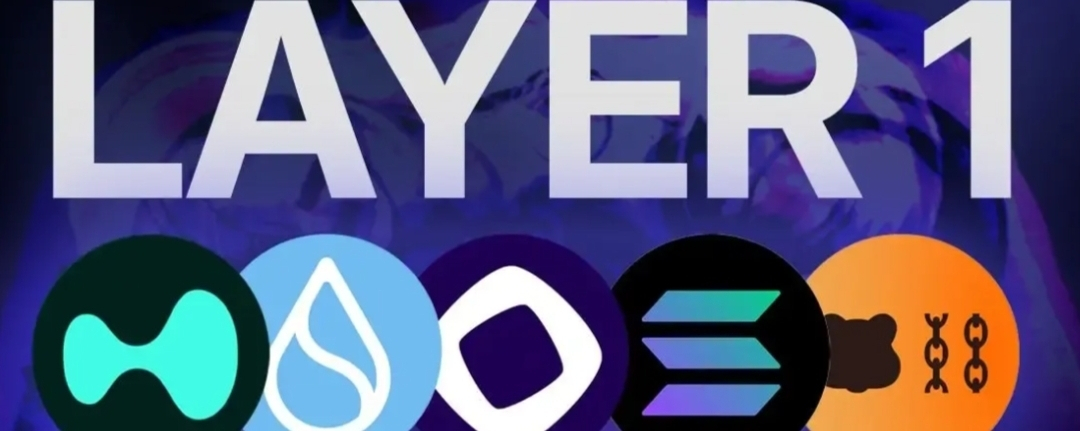

The Layer-1 race is becoming one of the most interesting parts of the crypto market. Instead of focusing only on Bitcoin and Ethereum, investors are watching networks such as Solana (SOL), Sui (SUI), Avalanche (AVAX), Aptos (APT), and BNB Chain for the next wave of blockchain adoption.
Solana remains one of the strongest names to watch. Its fast transactions, relatively low fees, large DeFi ecosystem, memecoin activity, stablecoin usage, and growing developer community have helped it become a major competitor in the smart-contract market. The key question now is whether Solana can turn high network activity into sustainable long-term growth.
Sui is another Layer-1 attracting attention. Its architecture is designed for high-speed transactions and applications that need to handle large numbers of users. DeFi, gaming, stablecoins, and consumer-focused applications could become important areas for Sui as its ecosystem develops.
The bigger story, however, goes beyond SOL and SUI. Networks including Avalanche, Aptos and BNB Chain are competing for developers, liquidity and users. Each blockchain is approaching scalability differently, which means the eventual winners may be determined by real usage rather than transaction speed alone.
Stablecoins could become a major battleground. Layer-1 networks that attract stablecoin liquidity and make payments fast and inexpensive could gain an advantage. Stablecoins connect trading, DeFi, payments and real-world financial applications, making them an important indicator of genuine network activity.
DeFi growth is another metric worth following. Rising total value locked, decentralized-exchange activity, lending demand and liquidity can indicate that users are actually putting capital to work on a blockchain rather than simply speculating on its token.
Developers matter just as much as traders. A blockchain needs useful applications to keep users active. Networks capable of attracting strong development teams and creating successful apps in areas such as payments, DeFi, gaming, AI and tokenized real-world assets could have better chances of maintaining growth.
Investors should also pay attention to token supply and unlocks. A network can grow rapidly while its token still faces selling pressure from new supply entering circulation. Market capitalization, circulating supply and future token unlock schedules therefore matter alongside technological progress.
The next phase of the Layer-1 competition probably won't be decided by which blockchain promises the highest transaction speed. Users, liquidity, developers, stablecoins, applications and sustainable revenue will matter more.
SOL and SUI are worth watching, but the wider Layer-1 race remains open. The projects that turn blockchain technology into products people actually use could ultimately become the strongest players of the next crypto cycle.