


Key Takeaways
Binance Research's 2025 report shows that cryptocurrency continues its industrialization: regulation, settlement rails via stablecoins, institutional access, and cash flow generation have been as significant as price movements.
Bitcoin has increasingly behaved like a macroeconomic asset, with demand and liquidity flowing through regulated channels such as Spot ETFs and corporate treasuries, while activity indicators on the base layer were waning.
The outlook for 2026 in the report is shaped by a more constructive political framework and a set of on-chain 'workhorses' maturing – stablecoins, revenue-generating DeFi, tokenized real-world assets, and applications that maintain user relationships.

Binance Research has published an annual report summarizing what marked the cryptocurrency markets in 2025 and presenting the themes for 2026. This blog is a summary of the most useful key points for decision-making from the report, with a focus on structural signals: clearer regulatory frameworks, expanding institutional access, the rise of stablecoins as settlement infrastructure, DeFi maturing into a revenue-generating sector, and tokenization moving from pilot programs to production flows. See the full report here.
2025: Structural Progress, Markets Influenced by Macroeconomics
The year 2025 saw major achievements despite a turbulent market. The total cryptocurrency market capitalization exceeded $4 trillion for the first time, and Bitcoin reached a new all-time high of $126,000. Meanwhile, macroeconomic uncertainty – monetary policy, trade tensions, and geopolitical risks – dominated market behavior. Binance Research describes a year marked by a 'data fog', including a new U.S. administration, the tariff shock of 'Liberation Day', and a government shutdown that obscured economic signals. Cryptocurrencies traded within a wide range, with total market value oscillating between approximately $2.4 trillion and $4.2 trillion, finishing the year down about 7.9%.
The optimistic interpretation is that structural progress continued even when price movements did not follow – and this is one of the clearest maturity indicators in the report. Access, settlement rails, and regulation have advanced, and several of the fastest-growing sectors were tied to practical usage rather than speculation.
The Industrialization of Crypto
A relevant theme for 2025 is industrialization: the market increasingly rewarded credible infrastructures and access pathways. Regulatory clarity, particularly regarding stablecoins, as well as the expansion of regulated investment products multiplied participation avenues for institutions and savvy investors. Meanwhile, the economic center of gravity of the ecosystem continued to shift towards compliance-friendly building blocks: stablecoins for settlement, tokenized Treasury bills for on-chain cash management, and applications capable of monetizing recurring flows rather than one-off boom cycles.
This is one of the reasons why 'activity' alone has become a weaker signal. The report repeatedly distinguishes between raw usage metrics and economic relevance: what matters is whether a network or protocol can capture recurring value, generate sustainable fees or revenues, and support reliable settlement and trading operations.
Bitcoin as a Macroeconomic Asset
In 2025, Bitcoin displayed a divergence between market demand and activity on its base layer. BTC maintained a market dominance roughly between 58% and 60% and a capitalization close to $1.8 trillion, while liquidity and demand increasingly flowed through off-chain financial channels.
Two figures from the report highlight this evolution:
Spot Bitcoin ETFs in the United States have accumulated over $21 billion in net inflows.
Corporate holdings exceeded 1.1 million BTC, equivalent to about 5.5% of the total supply.
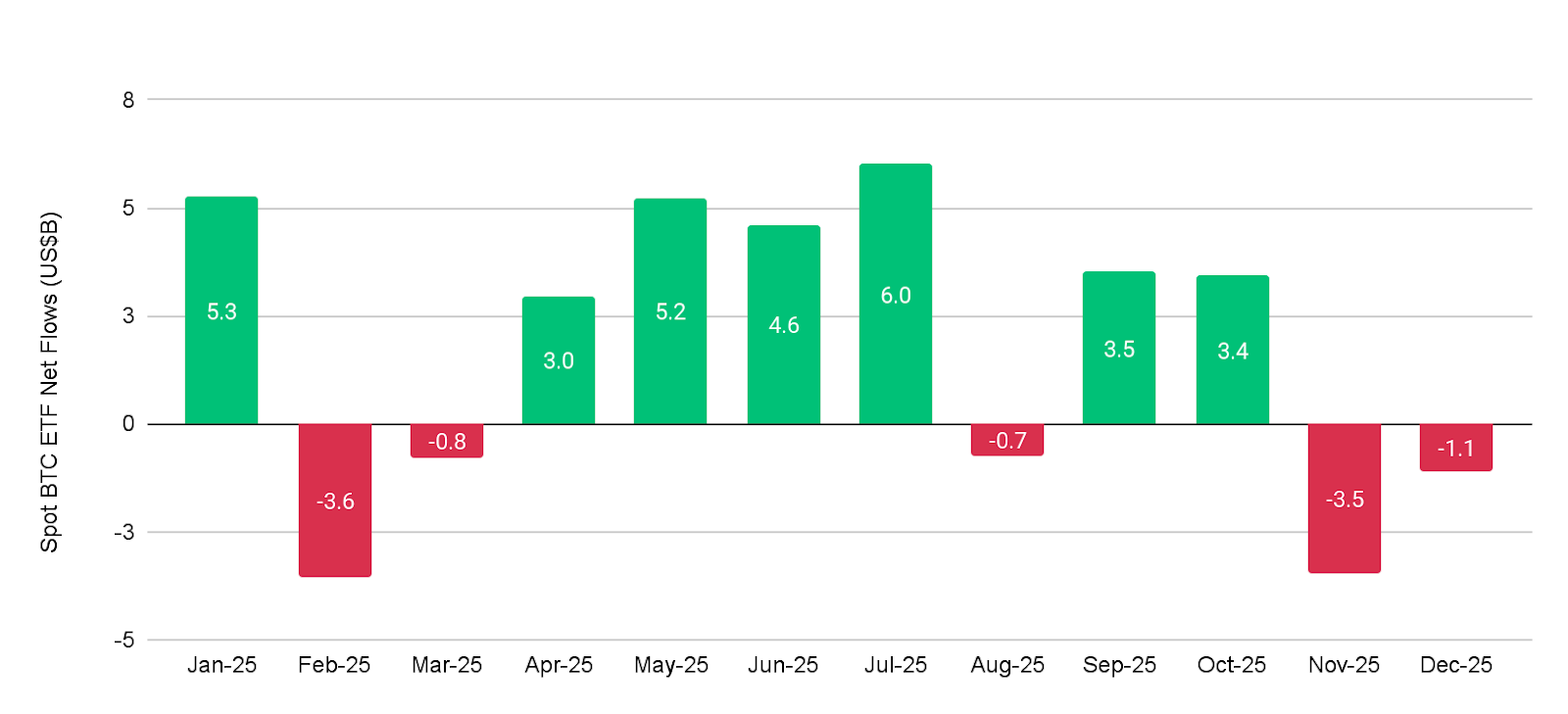
Figure 1: Spot BTC ETFs attracted over $21.3 billion in net inflows
Meanwhile, the number of active addresses decreased by about 16% year-on-year, and the number of transactions remained below the peaks of previous cycles. This is not to render the base layer insignificant, but to highlight that Bitcoin's role in the market is increasingly defined by how it is traded and held in macroeconomic portfolios and regulated channels. Network security has strengthened: the hash rate exceeded 1 zettahash per second and mining difficulty increased by about 36% year-on-year – evidence of ongoing investment in Bitcoin's security budget, even as usage indicators normalized.
In summary, Bitcoin is approaching the status of an institutional and liquid macroeconomic asset, rather than a network solely focused on transactions.
DeFi Enters Among the 'Blue Chips'
In 2025, DeFi moved away from growth solely based on incentives to approach capital efficiency and compliance. The total value locked stabilized around $124.4 billion, with capital composition clearly shifting towards stablecoins and yield-generating assets, rather than inflationary tokens. Meanwhile, DeFi's economic output strengthened: protocol revenues reached $16.2 billion, an amount presented in the report as comparable to that of major traditional financial institutions.
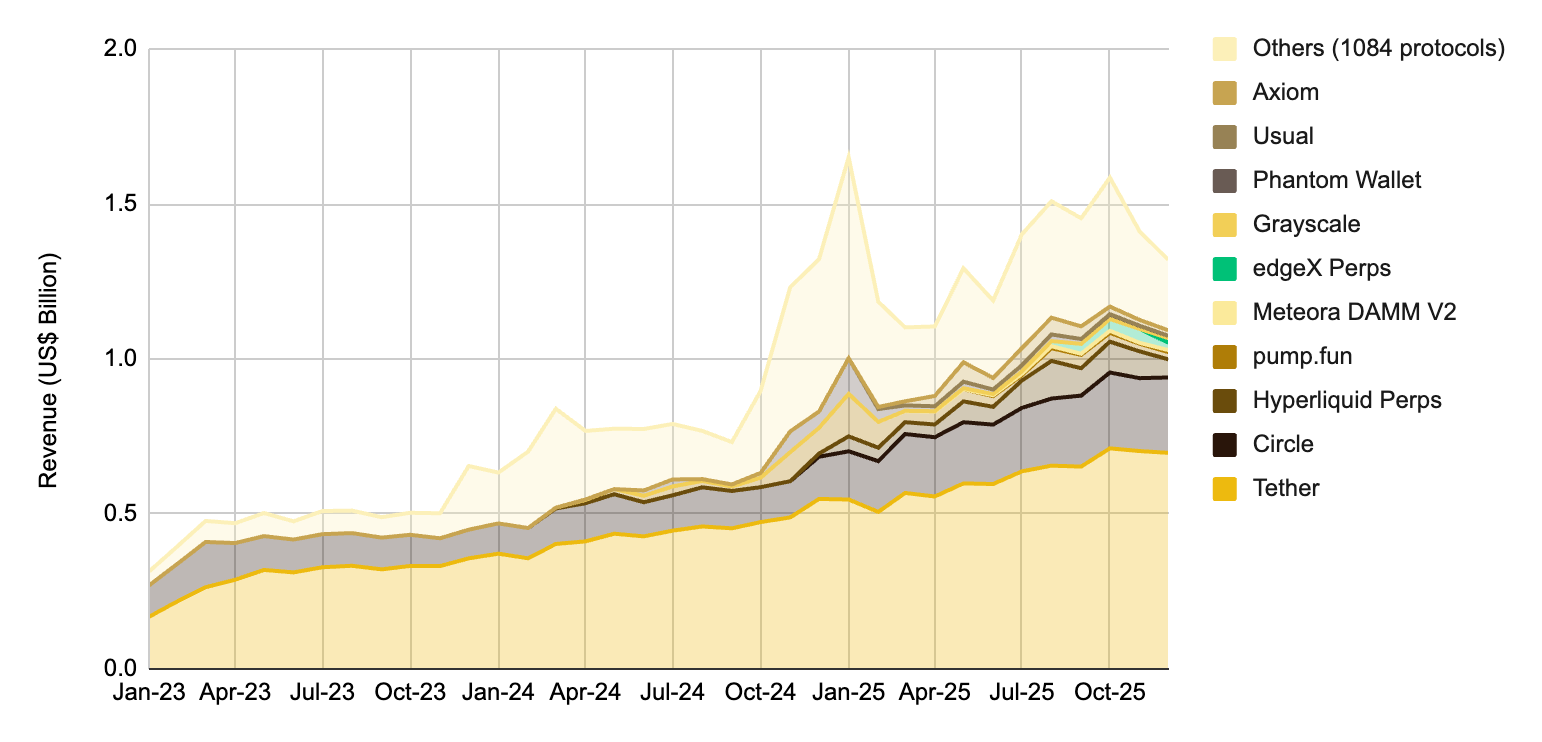
Figure 2: Monthly DeFi revenues reached a record of $1.65 billion. Source: DefiLlama, Binance Research, as of December 31, 2025
A major trend has been the shift from tokenization of narrative to collateral. The total value locked in RWA reached $17 billion and surpassed that of decentralized exchange (DEX) platforms, thanks to tokenized Treasury bills and stocks. This dynamic fundamentally alters the nature of collateral in blockchain finance: the convergence towards real instruments generating yields makes DeFi more correlated with repetitive financial demand.
The report also highlights the growing importance of blockchain execution: the ratio of DEX to CEX trading peaked around 20%. While these ratios fluctuate, the general trend is towards a growing place for decentralized execution for certain flows, particularly with the rise of stablecoins and increased liquidity of RWA collateral.
Stablecoins are becoming the 'fiat currency of the web'
If there is one crypto segment that has clearly gone mainstream in 2025, it is stablecoins, which have established themselves as reliable settlement infrastructure.
Key takeaways regarding stablecoins in the report:
The total market capitalization of stablecoins surged by nearly 50% to exceed $305 billion.
The daily transaction volume hovers around $3.54 billion.
The annual transaction volume rose to $33 trillion, more than double Visa's volume (approximately $16 trillion).
Regulatory clarity has accelerated, driven by the U.S. GENIUS Act.
Competition has expanded beyond the duopoly: BUIDL, PYUSD, RLUSD, USD1, USDf, and USDtB have each surpassed the billion-dollar capitalization mark.
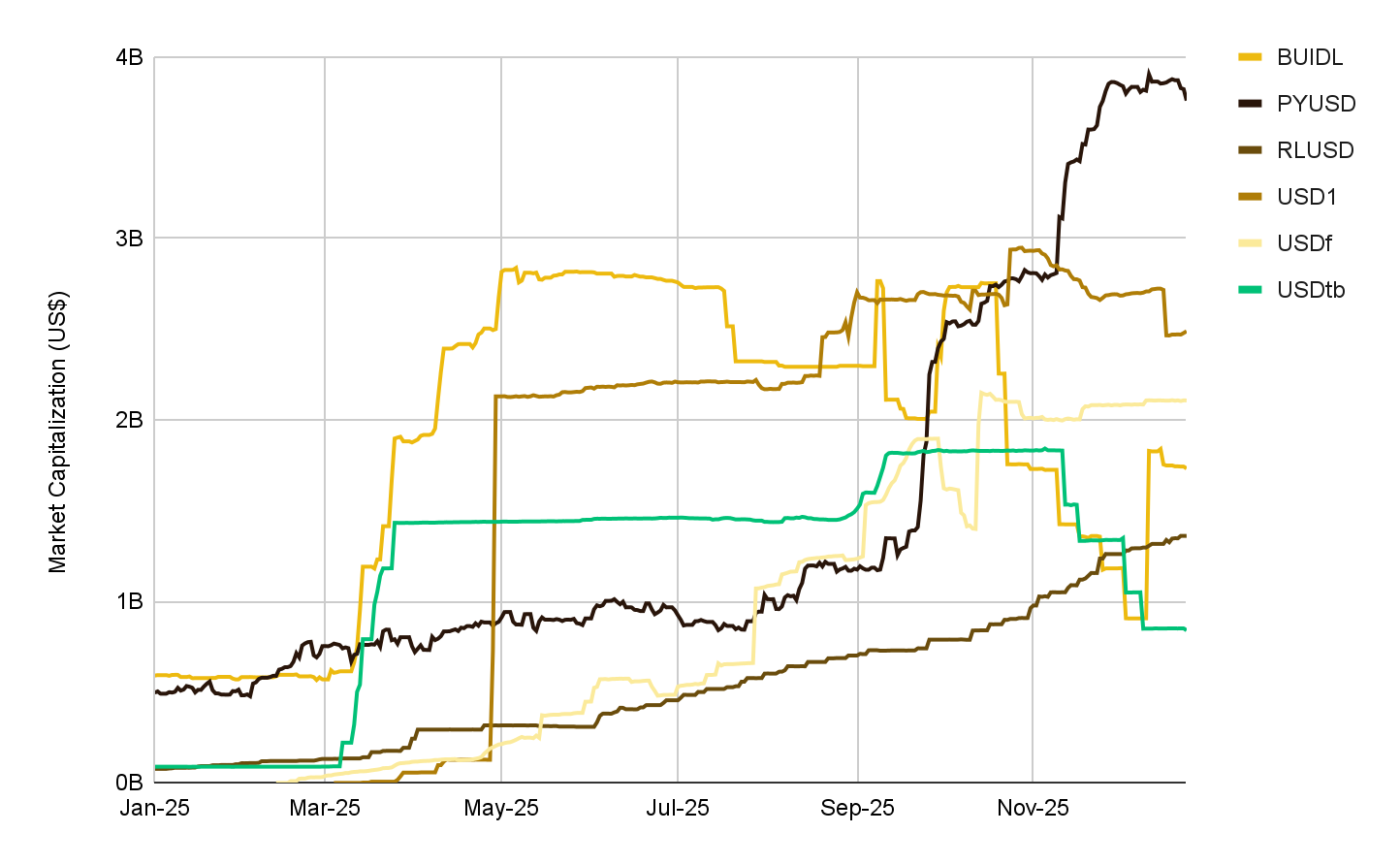
Figure 3: six new stablecoins have crossed the billion-dollar capitalization mark. Source: Artemis, Binance Research, as of December 31, 2025.
The optimistic observation is simple: stablecoins are increasingly becoming the default medium of exchange in crypto markets and an efficient rail for cross-border settlement, payments, and fintech applications. In many cases, they allow users and businesses to leverage crypto rails while neutralizing the volatility that deters newcomers.
Layer 1: Monetization is king
Across Layer 1 networks, 2025 demonstrated that the number of transactions alone is not enough. Many networks failed to convert activity into fees, value capture, or sustainable token performance. Moreover, differentiation increasingly stems from recurring monetizable flows, such as trading, payments, and institutional settlements.
Ether remains dominant in developer activity, DeFi liquidity, and overall value, but fee compression from rollup execution has weighed on ETH's relative performance compared to BTC.
SOL has maintained strong usage, increased stablecoin supply, generated significant protocol revenues even after the end of speculative waves, and received approval for a U.S. Spot ETF, enhancing institutional accessibility.
The BNB Chain benefited from strong demand for retail transactions and powerful market narratives, supporting significant settlement flows in stablecoins and deployments of tokenized real assets. The report also presents BNB as the top-performing main crypto asset in 2025.
Layer 2 networks concentrated over 90% of ether-related execution in 2025, supported by developments reducing the cost of data availability. Activity and fees focused on a small number of rollups, such as Base and Arbitrum, while many others declined as incentives waned. Fragmentation (over 100 rollups) and uneven decentralization of sequencers remain constraints, reinforcing a key theme for 2026: value capture may migrate 'upstream' to the application layer that holds the user relationship, instead of remaining at the blockspace level.
2026 Outlook: Risk Restart and Adoption-Led Growth
The report's outlook for 2026 revolves around a more constructive political environment and a transition to growth driven by adoption.
On the macroeconomic front, a 'political triumvirate' could foster a renewed appetite for risk: monetary easing, fiscal stimulus through liquidity and tax rebates, and deregulation. When financial conditions loosen, risk assets often benefit, and cryptocurrencies have historically been very sensitive to global liquidity impulses. The report also notes the potential for a strategic BTC reserve in the U.S. as a political catalyst.
Regarding products and market structure, the themes are less about a single narrative and more about areas where sustainable usage could concentrate:
PayFi: convergence of neobanks and wallets, with stablecoins generating yields for new financial apps for the general public.
Institutionalization: on-chain integration of money market, Treasury bills, and RWA settlement into operational workflows.
Value Capture: as blockspace becomes cheaper, applications like wallets, aggregators, DEXs, and predictive markets could capture more value.
Smart Finance and Agency: AI-assisted execution, automated workflows, and trust tools.
Predictive Markets: information pricing as an alternative to opinion-based narratives.
In summary, 2026 is expected to favor verifiable, compliant systems based on recurring utility.
Final Thoughts
In 2025, crypto continued to progress, even in the face of macroeconomic headwinds. Demand for Bitcoin increasingly flowed through regulated channels, stablecoins gained traction as a settlement infrastructure, DeFi matured into a revenue-generating sector, and tokenization approached industrial-grade finance. The outlook for 2026 presented in the Binance Research report builds on these foundations: increased institutional integration, stronger adoption at the application layer, and a macroeconomic setup that could become less restrictive. For detailed charts, methodology, and the full list of themes for 2026, see the full report here.
The use of digital assets carries risks. Please note that (i) digital assets are volatile assets and may be unsuitable for you and your profile, so you should only invest in products you are familiar with and understand the risks (ii) digital assets may involve a risk of capital loss and a risk of loss of value of your capital, and (iii) past returns are not a reliable indicator of future returns. You are solely responsible for your investment decisions and Binance is not responsible for any losses you may incur. For more information, please see our terms of use and our risk warning.