

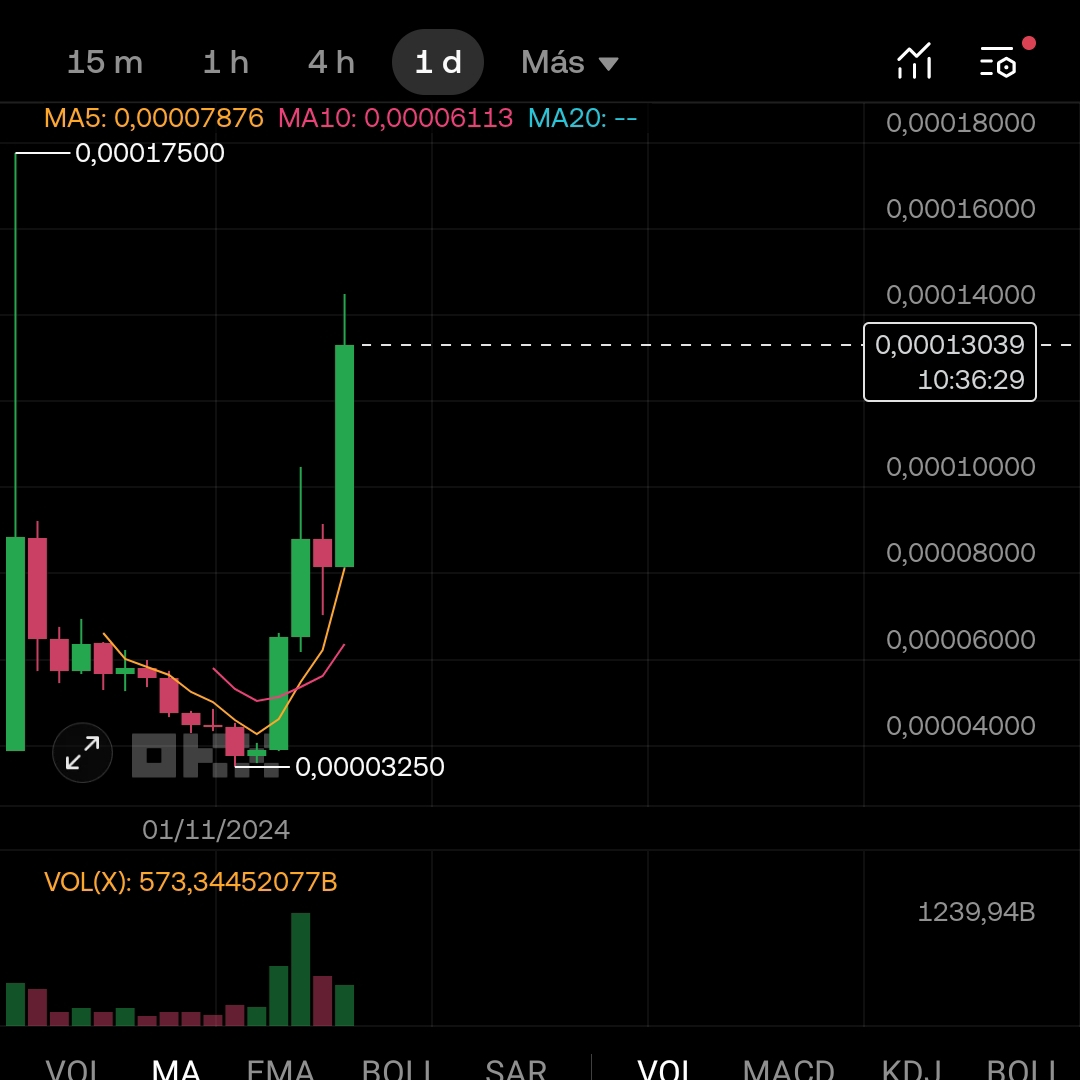
$LAB When an asset like LAB breaks a key level (support or resistance), market dynamics often follow a well-defined technical pattern:
1. If it broke Support (Bearish Break)
Price acceleration: Buy-side stop-loss orders and short entries (Shorts) get triggered, increasing selling pressure.
Role change (Polarity): The former support that has just broken becomes a new technical resistance.
Possible retest: It’s common for the price to attempt a rebound (pullback) toward the broken zone to test it before continuing the downward trend.
2. If it broke Resistance (Bullish Break)
Buy impulse: Short-position liquidation orders and buy orders (Buy Stops) get triggered, which usually causes a quick jump in price.
Role change (Polarity): The former resistance it surpassed starts acting as the new support.
Confirmation: The price often makes a pullback (throwback) to the broken zone to validate it as a floor before looking for new highs.
Factors to check immediately on the chart:
Candle Close Confirmation: Don’t trade based only on the wick. Wait for the current candle (on the 15m, 1H, or 4H timeframe according to your strategy) to clearly close above or below the level to rule out a false breakout (fakeout).
Trading Volume: A valid breakout is usually accompanied by a significant increase in volume. If volume is low, the risk of a quick return to the prior zone increases.
Risk Management: Adjust your Stop Loss above or below the newly broken key zone to mitigate immediate volatility.
1. If it broke Support (Bearish Break)
Price acceleration: Buy-side stop-loss orders and short entries (Shorts) get triggered, increasing selling pressure.
Role change (Polarity): The former support that has just broken becomes a new technical resistance.
Possible retest: It’s common for the price to attempt a rebound (pullback) toward the broken zone to test it before continuing the downward trend.
2. If it broke Resistance (Bullish Break)
Buy impulse: Short-position liquidation orders and buy orders (Buy Stops) get triggered, which usually causes a quick jump in price.
Role change (Polarity): The former resistance it surpassed starts acting as the new support.
Confirmation: The price often makes a pullback (throwback) to the broken zone to validate it as a floor before looking for new highs.
Factors to check immediately on the chart:
Candle Close Confirmation: Don’t trade based only on the wick. Wait for the current candle (on the 15m, 1H, or 4H timeframe according to your strategy) to clearly close above or below the level to rule out a false breakout (fakeout).
Trading Volume: A valid breakout is usually accompanied by a significant increase in volume. If volume is low, the risk of a quick return to the prior zone increases.
Risk Management: Adjust your Stop Loss above or below the newly broken key zone to mitigate immediate volatility.