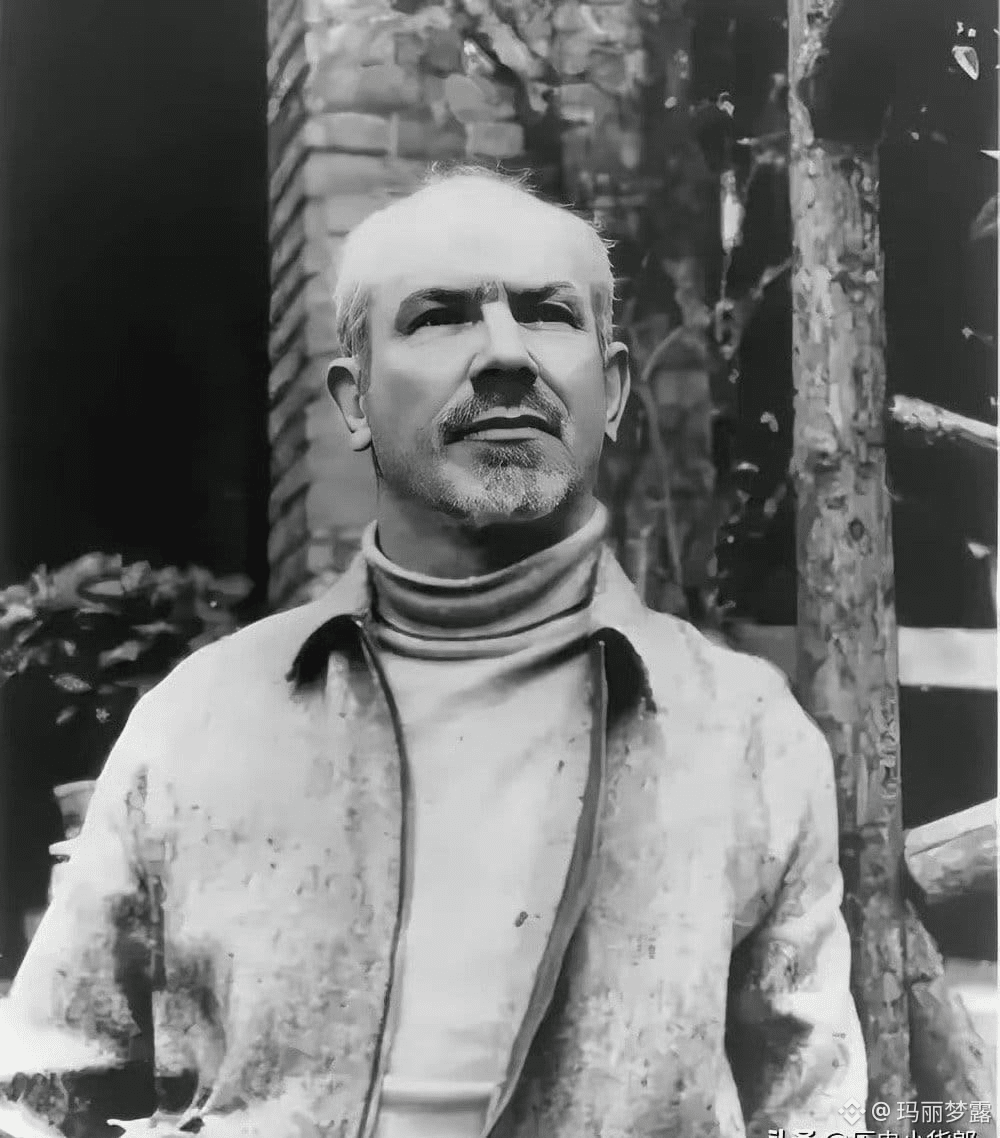
(Trans) I always thought Norman Bethune was just a good person, like the kind depicted in textbooks, a stereotypical good person.
Until today, I realized that this is not a story of "good people doing good deeds" at all.
This is a story of a top-tier expert delivering a dimensional attack.
Bethune came from a privileged background and received the finest medical education in the world. He was an authoritative expert in thoracic surgery at the time, a figure standing at the pinnacle of the medical community in Europe and America. He gained a remarkable reputation at a young age, holding the resources and achievements that others could only dream of.
He was not a doctor who entered the field halfway, nor was he an ordinary doctor who could only provide simple treatments. He was proficient in the core techniques of thoracic surgery and had personally improved over a dozen surgical instruments, some of which still hold reference value in the medical field today. His professional capabilities were among the top tier globally at that time.
In Canada, he owned his own private clinic, earning a substantial income and enjoying a comfortable life. He also served as the chief physician in several well-known hospitals, surrounded by a top medical team and the most advanced medical equipment, with a future and life that could be deemed perfect and smooth.
He could have lived a stable life in his beautiful existence, but after hearing about the difficult situation of China’s war of resistance, he resolutely gave up everything, bringing a large amount of medical supplies across the ocean to this war-torn land. His arrival represented the influx of top medical resources to a barren battlefield.
At that time, the medical conditions on the front lines of China’s war of resistance could only be described as appalling. There were no sterile operating rooms, no adequate medicines, no professional surgical instruments, and even the basic disinfection conditions were hard to meet. Severely injured soldiers often had to wait in pain for their fate to be decided.
Bethune was not deterred by the dire circumstances. He brought medical staff to quickly set up field operating rooms. Even with the sound of cannon fire not far away and dust flying around him, he could focus on performing surgeries, saving one vibrant life after another with every rise and fall of the scalpel.
He performed dozens of surgeries every day, often working for over ten hours continuously. When hungry, he nibbled on some dry rations, and when tired, he would take a short nap beside the operating table, refusing to stop despite the bloodshot eyes. He treated not only soldiers but also ordinary civilians, never differentiating between their status.
He did not merely complete surgeries; he also carried the intention of imparting knowledge, personally training frontline medical staff hand-in-hand. He wrote easy-to-understand medical textbooks, standardized the battlefield rescue process, and imparted his top skills to Chinese medical practitioners without reservation.
Noticing that frontline medical staff lacked professional knowledge, he conducted targeted training, personally demonstrating every detail from wound care to surgical techniques, from disinfection processes to drug usage, striving to enable more people to master rescue skills and fundamentally improve the medical difficulties on the battlefield.
He brought not only medical supplies and surgical treatment but also an advanced battlefield medical system. This system could maximize the utilization of limited resources and reduce the mortality rate of the injured, which was the most urgently needed and precious gift for battlefield medicine in China at that time.
Many people only know of his selfless dedication but overlook the top professional support behind that dedication. Without solid medical skills, even the greatest goodwill would struggle to save so many lives in dire situations. His kindness was always backed by top capabilities.
His dimensional attack was the crushing of advanced medical standards over backward battlefield medicine, the professional quality of top practitioners countering the suffering of war, and the transcendence of selfless patterns over narrow personal interests. This strength and vision carry far more weight than simply being labeled a good person.
The few brief strokes in textbooks can only outline his kindness but fail to showcase his strength. His greatness can never be summarized by merely calling him a good person; it is the professional commitment of a top-tier expert, the humanitarian spirit of a doctor transcending borders, and the courage to advance despite knowing the dangers ahead.
He ultimately succumbed to an infection while treating injured soldiers and forever stayed on the land of China that he rushed to. He left behind not only the noble reputation of saving lives but also top-notch medical experience and a spirit of selfless dedication, which nourishes generation after generation.
We should not only confine him to a stereotypical good person image but should see the professional brilliance of him as a top physician, recognize his abandonment of a prosperous life to face suffering, and appreciate the hope and vitality he brought to this land through his professional skills.
His arrival was a ray of light during dark times, and this light came not only from his goodwill but also from his top-notch professional power. This kind of dimensional attack-like contribution is worth being remembered forever, worth being understood more comprehensively, and worth being etched in the hearts of every generation.
Until today, I realized that this is not a story of "good people doing good deeds" at all.
This is a story of a top-tier expert delivering a dimensional attack.
Bethune came from a privileged background and received the finest medical education in the world. He was an authoritative expert in thoracic surgery at the time, a figure standing at the pinnacle of the medical community in Europe and America. He gained a remarkable reputation at a young age, holding the resources and achievements that others could only dream of.
He was not a doctor who entered the field halfway, nor was he an ordinary doctor who could only provide simple treatments. He was proficient in the core techniques of thoracic surgery and had personally improved over a dozen surgical instruments, some of which still hold reference value in the medical field today. His professional capabilities were among the top tier globally at that time.
In Canada, he owned his own private clinic, earning a substantial income and enjoying a comfortable life. He also served as the chief physician in several well-known hospitals, surrounded by a top medical team and the most advanced medical equipment, with a future and life that could be deemed perfect and smooth.
He could have lived a stable life in his beautiful existence, but after hearing about the difficult situation of China’s war of resistance, he resolutely gave up everything, bringing a large amount of medical supplies across the ocean to this war-torn land. His arrival represented the influx of top medical resources to a barren battlefield.
At that time, the medical conditions on the front lines of China’s war of resistance could only be described as appalling. There were no sterile operating rooms, no adequate medicines, no professional surgical instruments, and even the basic disinfection conditions were hard to meet. Severely injured soldiers often had to wait in pain for their fate to be decided.
Bethune was not deterred by the dire circumstances. He brought medical staff to quickly set up field operating rooms. Even with the sound of cannon fire not far away and dust flying around him, he could focus on performing surgeries, saving one vibrant life after another with every rise and fall of the scalpel.
He performed dozens of surgeries every day, often working for over ten hours continuously. When hungry, he nibbled on some dry rations, and when tired, he would take a short nap beside the operating table, refusing to stop despite the bloodshot eyes. He treated not only soldiers but also ordinary civilians, never differentiating between their status.
He did not merely complete surgeries; he also carried the intention of imparting knowledge, personally training frontline medical staff hand-in-hand. He wrote easy-to-understand medical textbooks, standardized the battlefield rescue process, and imparted his top skills to Chinese medical practitioners without reservation.
Noticing that frontline medical staff lacked professional knowledge, he conducted targeted training, personally demonstrating every detail from wound care to surgical techniques, from disinfection processes to drug usage, striving to enable more people to master rescue skills and fundamentally improve the medical difficulties on the battlefield.
He brought not only medical supplies and surgical treatment but also an advanced battlefield medical system. This system could maximize the utilization of limited resources and reduce the mortality rate of the injured, which was the most urgently needed and precious gift for battlefield medicine in China at that time.
Many people only know of his selfless dedication but overlook the top professional support behind that dedication. Without solid medical skills, even the greatest goodwill would struggle to save so many lives in dire situations. His kindness was always backed by top capabilities.
His dimensional attack was the crushing of advanced medical standards over backward battlefield medicine, the professional quality of top practitioners countering the suffering of war, and the transcendence of selfless patterns over narrow personal interests. This strength and vision carry far more weight than simply being labeled a good person.
The few brief strokes in textbooks can only outline his kindness but fail to showcase his strength. His greatness can never be summarized by merely calling him a good person; it is the professional commitment of a top-tier expert, the humanitarian spirit of a doctor transcending borders, and the courage to advance despite knowing the dangers ahead.
He ultimately succumbed to an infection while treating injured soldiers and forever stayed on the land of China that he rushed to. He left behind not only the noble reputation of saving lives but also top-notch medical experience and a spirit of selfless dedication, which nourishes generation after generation.
We should not only confine him to a stereotypical good person image but should see the professional brilliance of him as a top physician, recognize his abandonment of a prosperous life to face suffering, and appreciate the hope and vitality he brought to this land through his professional skills.
His arrival was a ray of light during dark times, and this light came not only from his goodwill but also from his top-notch professional power. This kind of dimensional attack-like contribution is worth being remembered forever, worth being understood more comprehensively, and worth being etched in the hearts of every generation.