

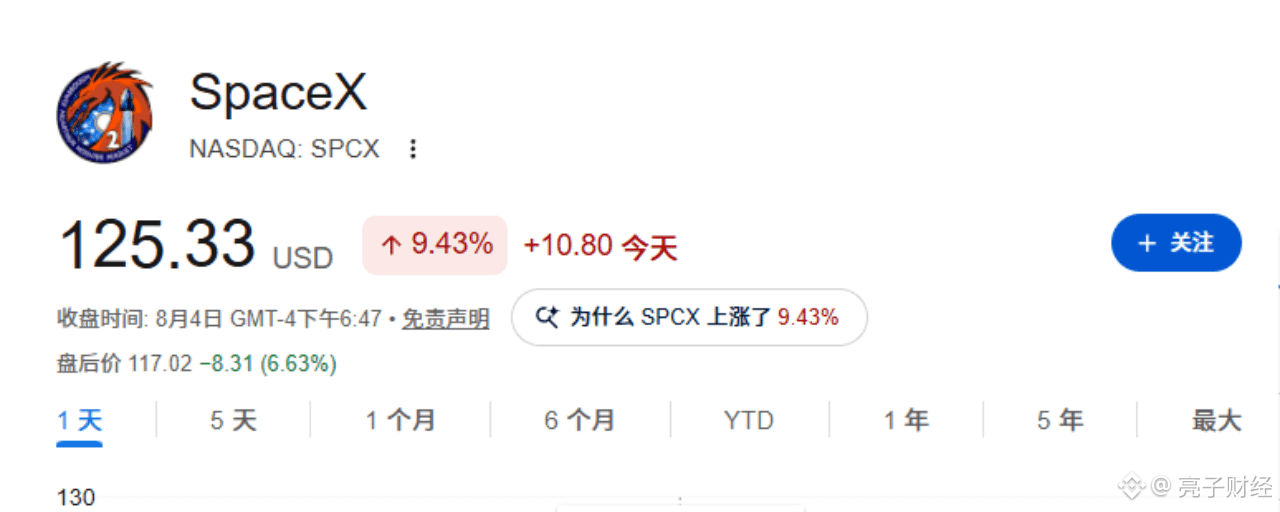

After the close of U.S. stock trading today, the much-anticipated $SPCX released its Q2 earnings report.
Revenue was $7.814 billion, up 92% year over year, versus a market expectation of $6.93 billion—about $900 million higher.
Net loss narrowed from 1.008 billion yuan in the same period last year to 541 million yuan. Loss per share was $0.09, while the market expected a loss of $0.26. Operating loss narrowed from 970 million yuan to 143 million yuan.
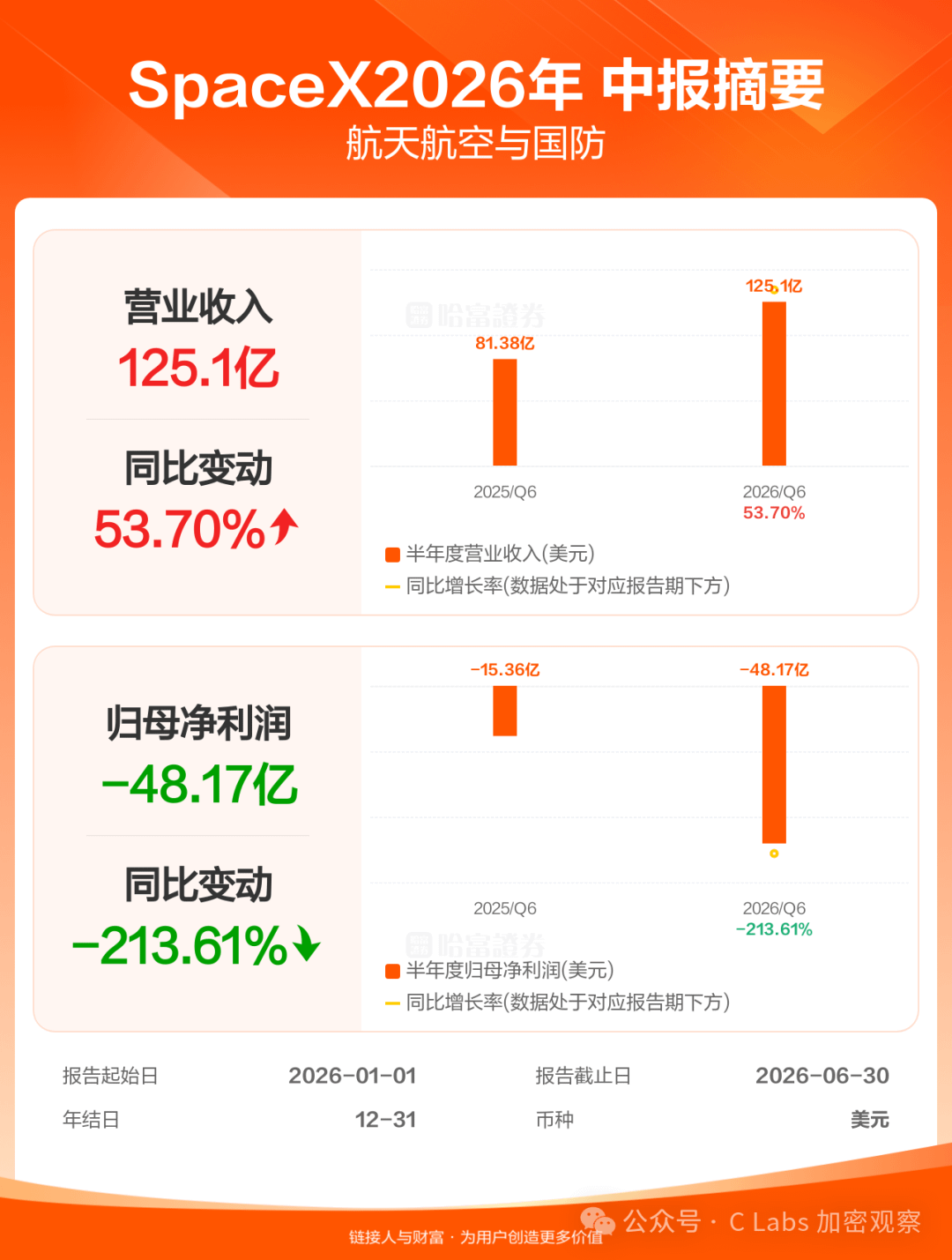
All three segments beat analysts’ expectations. Starlink has 12 million users, doubling year over year. Revenue from the AI segment jumped 247% year over year; losses were cut in half quarter over quarter, and adjusted EBITDA even turned positive to 1.146 billion.
Taken on its own, this is a respectable report card.
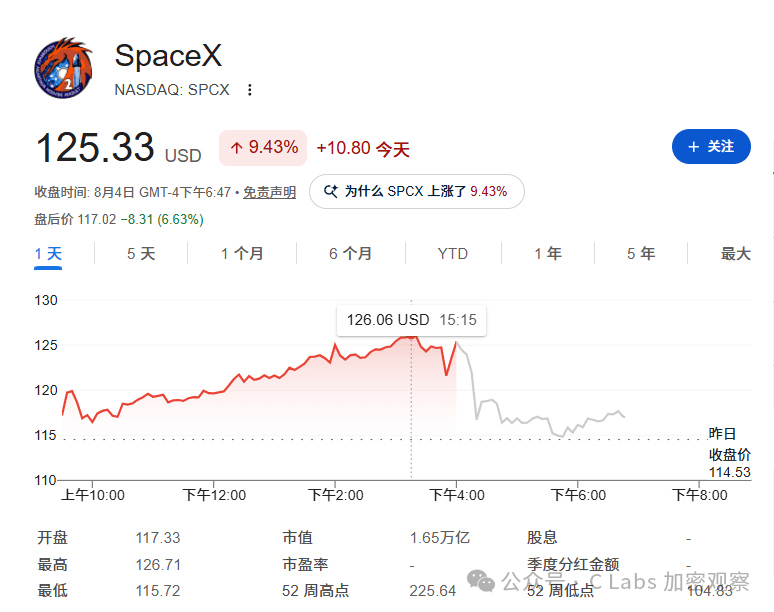
But the stock fell 8% after hours.
Why is that?
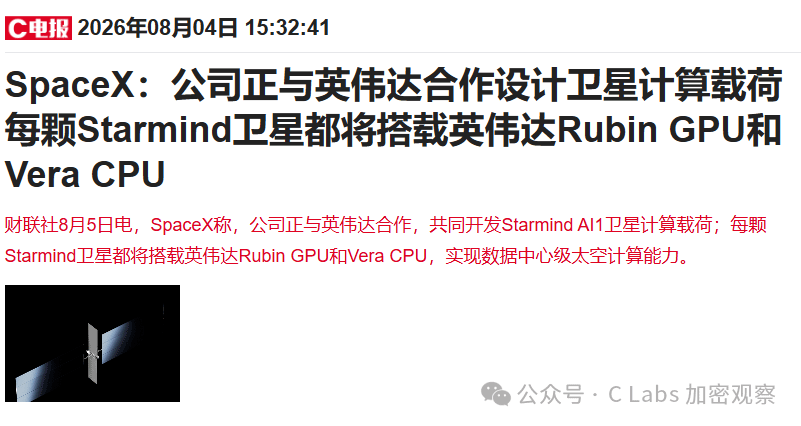
A few hours before the earnings release, SpaceX announced a partnership with Nvidia. Nvidia will design the compute payload for its Starmind AI1 satellites. Each satellite will carry Nvidia’s latest-generation Rubin GPU and Vera CPU. The satellites’ peak compute power will increase to 250 kilowatts.
Nvidia calls this business “space computing.” The official description says the AI computing power of its Space-1 Vera Rubin module can reach up to 25 times that of an H100. Mass shipments are set to begin in the coming fall.
When this news broke, everyone thought the earnings report would deliver a big move, and the stock surged by more than ten points for a while.
But when the earnings report came out, it crashed:
First, the AI business, where revenue jumped. The revenue mainly comes from renting out compute power that doesn’t require much technical sophistication, where:
Anthropic
$1.25 billion per month to lease all of Colossus 1’s capacity; by May 2029, about 325,000 GPUs
Google
$920 million per month; by June 2029, about 110,000 GPUs
Reflection AI
$150 million per month, starting in July, and ending in 2029
And SpaceX’s own xAI performance can be described as rather average.
In March, Grok had 117 million monthly active users, but only 1.9 million actually bought the premium tier (SuperGrok). Another 4.4 million were bundled with X social memberships. One estimate says that spreading monthly active users’ usage out, the money collected at the consumer end only covers 14% of basic infrastructure costs.
Operating profit margin worsened from -60% in 2024 to -200%, with an annualized -302% in Q1 2026. The bigger the scale, the bigger the losses.
The other two big promises SpaceX painted in its IPO have also seen almost no meaningful progress.
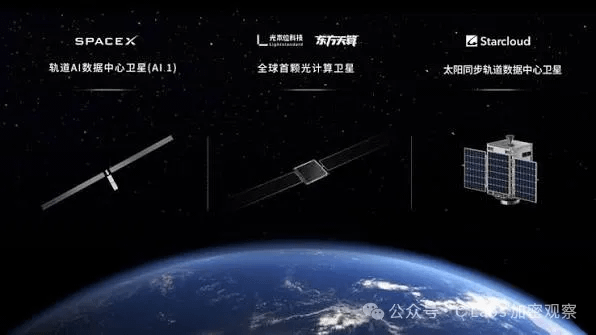
Space data center: applied for 1 million satellites, built 0
SpaceX has filed with the FCC to deploy up to 1 million satellites in low Earth orbit at an altitude of 500–2,000 kilometers. Its prospectus says it expects to begin deploying orbital AI compute satellites “as early as 2028.”
Musk’s own wording is even more aggressive: AI satellites next year, scaled up within two years, and made cheaper than on-prem data centers within three years.
In February of this year, the FCC accepted the application but has not made a decision yet. Before any ruling, Starmind is essentially an unlicensed chip order. At the same time, environmental and astronomy organizations have already asked the FCC to pause issuing such licenses until a systematic environmental assessment is completed.
Refer to Musk’s past timeline: fully autonomous driving in 2017, crewed launches to the Moon in 2024, and 10,000 Optmimus units by end of 2025.
Even Bezos has publicly said that the “two or three years” claim is “a bit too ambitious.”
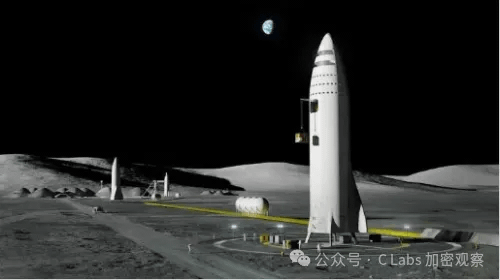
Progress on the lunar base is also not very encouraging,
This year’s April, Artemis II successfully completed a crewed flyby around the Moon. But in February, NASA changed the originally planned first moon landing (Artemis III) to a near-Earth orbit test for a very straightforward reason: the lander wasn’t ready. And SpaceX’s Starship is that lander.
The first crewed moon landing was therefore pushed to Artemis IV, with the goal of early 2028.
Right now, brokers have unusually given an “sell” rating, with a target price of $75—35% below the current level. And then on August 6, two trading days later, about 911.5 million shares of the first batch of restricted stock will be released, worth over $100 billion— the largest single unlock in Wall Street history.