

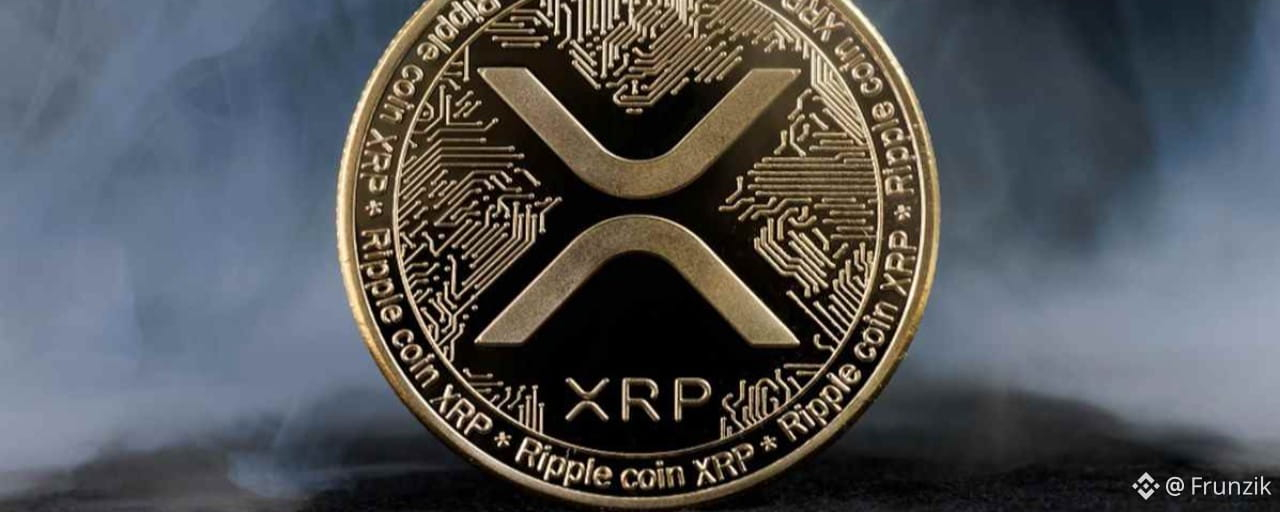

XRP — one of the oldest major tokens in the market, created by Ripple as far back as 2012 with a specific goal: to speed up and make international transfers cheaper, which traditionally go through banks that are slow and charge high fees. For many years, the fate of the token was inseparably tied to the long-running court battle between Ripple and the U.S. SEC — it was this process that shaped investor sentiment around XRP for almost four years.
Regulatory wind-down
By 2025, the dispute overall was resolved in Ripple’s favor: the SEC withdrew its appeal, and courts ruled that trading XRP on the secondary market is not the sale of a security (though certain individual institutional Ripple transactions were still examined through securities laws). This resolution became one of the most significant events in the crypto market’s regulatory history and paved the way for broader institutional recognition of XRP—particularly, the launch of exchange-traded funds (ETFs) tied to the token, which since the beginning of 2026 have been recording steady capital inflows.
At the same time, broader regulation of digital assets in the US remains a matter of debate: for example, the CLARITY Act bill, which is meant to delineate the SEC and CFTC’s respective powers over cryptocurrencies, is still being discussed in the Senate and is facing criticism from certain lawmakers.
How the XRP proposal is structured
A key feature of XRP tokenomics is the escrow mechanism: a substantial portion of the initially issued 100 billion tokens is locked in Ripple smart contracts, from which a limited amount of coins is released each month (up to 1 billion). Moreover, most of the unused tokens are immediately locked again in a new escrow for the future. Traders regularly monitor these releases as a factor that may affect market supply.
What raises questions for analysts
Despite regulatory clarity and growing institutional interest, XRP still has structural issues. In particular, the XRP Ledger generates a relatively modest volume of fees, which means the token doesn’t meet the criteria of some new institutional indexes focused on assets with noticeable “protocol yield.” This highlights the gap between Ripple’s business successes (partnerships, integrations into payment infrastructure) and the direct value of the XRP token itself to holders.
Volatility and the broader market context
Like other major altcoins, XRP is closely tied to overall crypto market sentiment: Bitcoin moves, macroeconomic news, and flows into ETF products often affect XRP’s price more than project-specific news. The token continues to trade significantly below its historical highs, and analysts’ views on its next trajectory remain mixed.
This is not financial advice. Cryptocurrency markets remain highly volatile and exposed to regulatory and macroeconomic risks. Before making investment decisions, it’s recommended to do your own research (DYOR) and objectively assess the level of risk you can tolerate.
