


🧵 Are we approaching the end of the era of “market guidance”?
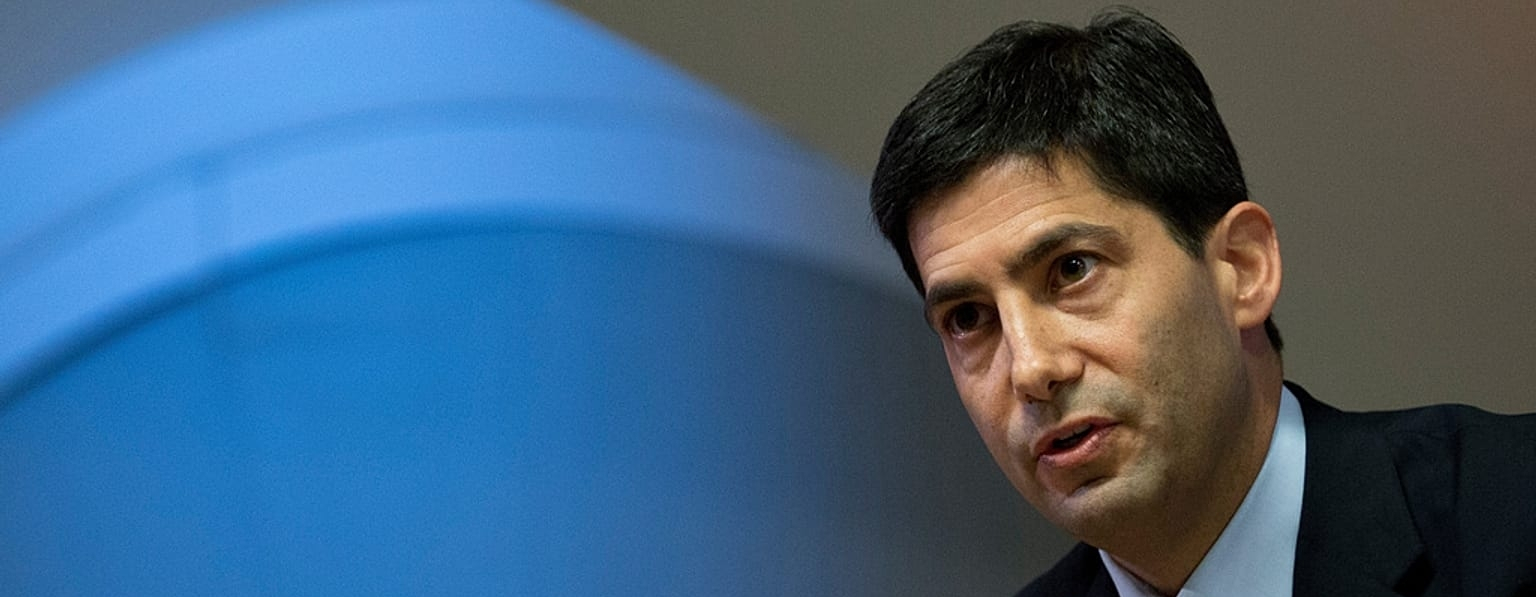
A striking statement from Federal Reserve Chairman Kevin Warsh that summarizes the coming philosophy: “I want markets to decide their own direction again, rather than the central bank constantly steering them.”
That’s what the New York Times revealed about his proposal to cut the number of Federal meetings dedicated to interest.
The story is not just about reducing the number of meetings, but a radical transformation in the philosophy of American monetary policy. 📌
🔹 How did we get here?
Over the past years, the movement of gold, the dollar, and stocks has become more dependent on what the Federal Reserve will say at its conferences and in its future guidance (Forward Guidance) than on the economic data itself!
🔹 What does the Fed want, and what does it want to change?
Restoring the equation to its natural origin:
1️⃣ Markets rely on reality: investors value assets based on inflation data, the labor market, and growth.
2️⃣ The Fed reads, it doesn’t dictate: market behavior becomes a tool to help the central bank read the economy, not merely a reflection of its media messages.
💡 What does this mean for investors in the coming period?
⚡ Higher sensitivity to data: CPI and NFP numbers will become the main and real driver of liquidity.
🎯 Deeper impact of every meeting: reducing the frequency of interventions makes each Fed decision carry heavy weight and greater momentum.
📉 Reducing noise, increasing independence: reducing reliance on "verbal hints" gives markets more room for their own pricing.
✍️ Summary: We are witnessing a restructuring of how markets interact with the central bank. A file that directly affects the movement of gold, stocks, and the dollar in the medium and long term—and deserves close monitoring.
#economy #US_Federal_Reserve #financial_markets #gold #trading