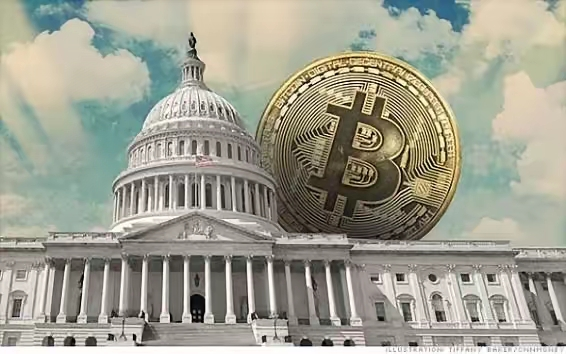
On January 14, 2026, the U.S. cryptocurrency market is closely watching the progress of the (Digital Asset Market Structure Act). Over the past two days, this bill has become the biggest focus in the industry, as the Senate Banking Committee has released the bipartisan negotiated draft text and is entering a tense phase of markup (revision and voting preparation).
The core objective of the bill is to clearly define regulatory jurisdiction for digital assets: which tokens are classified as securities, overseen by the Securities and Exchange Commission (SEC); and which should be treated as commodities, regulated by the Commodity Futures Trading Commission (CFTC). Industry experts generally expect most major cryptocurrencies to be categorized as commodities, providing exchanges, project teams, and institutional investors with a long-awaited clear regulatory framework, marking a crucial step toward the Trump administration fulfilling its promise to make the U.S. the global hub for crypto.
On the evening of January 13, after multiple senators officially released the latest text of the bill, market sentiment quickly intensified. However, significant differences remain between the two parties on several key issues, including whether stablecoins should be allowed to pay interest or yields to holders, the liability boundaries for DeFi (decentralized finance) developers, and whether government officials should be prohibited from profiting from crypto projects. The debate over stablecoin interest has been particularly intense—major platforms like Coinbase strongly oppose restrictive clauses pushed by banking lobbying groups, arguing that such measures could directly jeopardize the bill's final passage.
The Senate Agriculture Committee has confirmed that a formal markup meeting will be held on the afternoon of January 27, but this week—especially around January 15—is considered a 'make-or-break' window for bipartisan negotiations. Senator Cynthia Lummis has publicly called for swift legislative action, emphasizing that 'the crypto industry has waited long enough.' Meanwhile, institutions such as Galaxy Digital have issued warnings that certain DeFi-related provisions in the bill could introduce broad surveillance mechanisms similar to those in the Patriot Act, posing potential threats to user privacy.
In addition, the SEC has recently removed crypto-related risks from its 2026 regulatory priority list, a signal interpreted by the market as a major positive development. Nevertheless, the bill has not yet been finalized, and the negotiation outcome remains highly uncertain. If no compromise is reached within this week, the bill may be delayed again, and the market will continue to experience volatility amid regulatory uncertainty.
Currently, the progress of the U.S. Crypto Market Structure Bill has become the most important policy variable driving short-term market movements. Industry insiders generally believe that if the bill passes before the 2026 midterm elections, it will significantly boost institutional investors' confidence and bring a historic turning point to the U.S. crypto industry. Investors should continue monitoring the latest statements and revision updates from Congress this week.