
沉默的劉多余
1.8k Posts

沉默的劉多余
Report
Block User
不接广子,不玩杠杆,不做返佣。所有内容仅代表个人观点,不构成任何投资建议。市场有风险,交易有输赢。每个人都是自己生命中的主角,自己的钱自己负责,自己的选择自己承担。
9 Following
10.7K+ Followers
14.9K+ Liked
Posts
All
Quotes
Videos
·
--
Crystal Sister is making a killing again
To be honest, most people can’t outrun Crystal Sister’s earnings.
$BTC $ETH
{future}(ETHUSDT)
{future}(BTCUSDT)
Crystal Sister is making a killing again
To be honest, most people can’t outrun Crystal Sister’s earnings.
$BTC $ETH
To be honest, most people can’t outrun Crystal Sister’s earnings.
$BTC $ETH

水晶姐姐
·
--
My assets are about the same as yours
368
·
--
“The truly dangerous part of ‘raising a daughter well’ isn’t making the girl’s life better.
Instead, some parents turn ‘raising well’ into
planning her life for her, making decisions for her, taking on the risks for her—then requiring her to live according to their plan.
It looks like they’re giving her the best conditions.
But in reality, they may be taking away what matters most to her—her ability to independently choose her own life.
In the world, there are very few truly unconditional, unlimited one-way sacrifices.
The more resources parents provide, the stronger the control that usually comes with it. That makes it easier for a child to mistake being arranged for being loved.
That’s why there are so many little girls with conflicted brains in society, and so many girls who, after getting married, end up making bottomless contributions to their birth families—leading to unhappy marriages.
A parent’s real love for a child is to give her freedom, letting her have the chance to experience a full life. No matter whether it’s sweet, sour, bitter, or tough—it's her own life.
$BTC $ETH $LDO #btc #eth #ldo
{future}(ETHUSDT)
{future}(BTCUSDT)
“The truly dangerous part of ‘raising a daughter well’ isn’t making the girl’s life better.
Instead, some parents turn ‘raising well’ into
planning her life for her, making decisions for her, taking on the risks for her—then requiring her to live according to their plan.
It looks like they’re giving her the best conditions.
But in reality, they may be taking away what matters most to her—her ability to independently choose her own life.
In the world, there are very few truly unconditional, unlimited one-way sacrifices.
The more resources parents provide, the stronger the control that usually comes with it. That makes it easier for a child to mistake being arranged for being loved.
That’s why there are so many little girls with conflicted brains in society, and so many girls who, after getting married, end up making bottomless contributions to their birth families—leading to unhappy marriages.
A parent’s real love for a child is to give her freedom, letting her have the chance to experience a full life. No matter whether it’s sweet, sour, bitter, or tough—it's her own life.
$BTC $ETH $LDO #btc #eth #ldo
Instead, some parents turn ‘raising well’ into
planning her life for her, making decisions for her, taking on the risks for her—then requiring her to live according to their plan.
It looks like they’re giving her the best conditions.
But in reality, they may be taking away what matters most to her—her ability to independently choose her own life.
In the world, there are very few truly unconditional, unlimited one-way sacrifices.
The more resources parents provide, the stronger the control that usually comes with it. That makes it easier for a child to mistake being arranged for being loved.
That’s why there are so many little girls with conflicted brains in society, and so many girls who, after getting married, end up making bottomless contributions to their birth families—leading to unhappy marriages.
A parent’s real love for a child is to give her freedom, letting her have the chance to experience a full life. No matter whether it’s sweet, sour, bitter, or tough—it's her own life.
$BTC $ETH $LDO #btc #eth #ldo
2
378
·
--
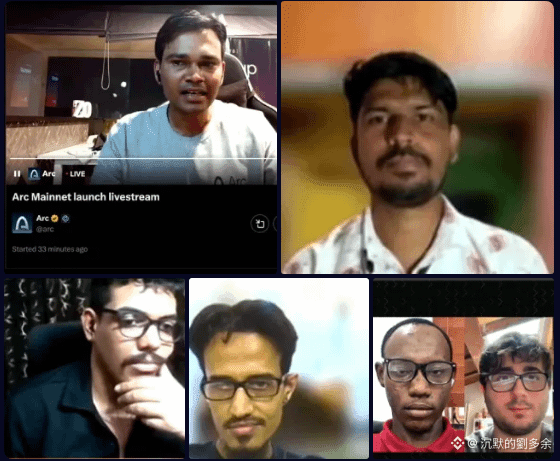
I saw that when it comes to ARC, it’s always teams from India running it—just giving themselves a reason for not making money after issuing buy/sell calls for themselves…
Apple, Google, and all of Silicon Valley are full of Indians doing the tech.
When I worked before, the head of a product engineering team at Apple was an Indian woman—young, beautiful, with a great figure, and very smart.
No one’s seen anyone not buying Apple products; “Brother Three” still has a very high, very high talent in the sciences.
As for being funny and poor, that’s due to historical and cultural factors, geography, religion, ethnicity, and a whole bunch of other complex reasons, including language.
It’s normal not to be able to make money too—this new chain’s direction is also more oriented toward infrastructure.
$BTC $ETH
{future}(ETHUSDT)
{future}(BTCUSDT)
I saw that when it comes to ARC, it’s always teams from India running it—just giving themselves a reason for not making money after issuing buy/sell calls for themselves…
Apple, Google, and all of Silicon Valley are full of Indians doing the tech.
When I worked before, the head of a product engineering team at Apple was an Indian woman—young, beautiful, with a great figure, and very smart.
No one’s seen anyone not buying Apple products; “Brother Three” still has a very high, very high talent in the sciences.
As for being funny and poor, that’s due to historical and cultural factors, geography, religion, ethnicity, and a whole bunch of other complex reasons, including language.
It’s normal not to be able to make money too—this new chain’s direction is also more oriented toward infrastructure.
$BTC $ETH
Apple, Google, and all of Silicon Valley are full of Indians doing the tech.
When I worked before, the head of a product engineering team at Apple was an Indian woman—young, beautiful, with a great figure, and very smart.
No one’s seen anyone not buying Apple products; “Brother Three” still has a very high, very high talent in the sciences.
As for being funny and poor, that’s due to historical and cultural factors, geography, religion, ethnicity, and a whole bunch of other complex reasons, including language.
It’s normal not to be able to make money too—this new chain’s direction is also more oriented toward infrastructure.
$BTC $ETH
1
983
·
--
When I bought ARB in July, it was still in a drawdown—I bought more and it kept falling. In reality, ARB in July was also pretty absurd: the more I averaged down, the more it dropped.
At the time, no one would have thought anyone would jump in. Over a month has passed, and who could have imagined it could turn and rise two or three times?
I’m also just lucky—my only thought was that the long-term price seemed reasonable, so I entered. The power of time…
😂
$ARB $ETH
{future}(ETHUSDT)
{future}(ARBUSDT)
When I bought ARB in July, it was still in a drawdown—I bought more and it kept falling. In reality, ARB in July was also pretty absurd: the more I averaged down, the more it dropped.
At the time, no one would have thought anyone would jump in. Over a month has passed, and who could have imagined it could turn and rise two or three times?
I’m also just lucky—my only thought was that the long-term price seemed reasonable, so I entered. The power of time…
😂
$ARB $ETH
At the time, no one would have thought anyone would jump in. Over a month has passed, and who could have imagined it could turn and rise two or three times?
I’m also just lucky—my only thought was that the long-term price seemed reasonable, so I entered. The power of time…
😂
$ARB $ETH

疆莱
·
--
I had a quick look at how much you had in your holdings. I didn’t make a move, so I missed out.
2
4
1.5k
·
--
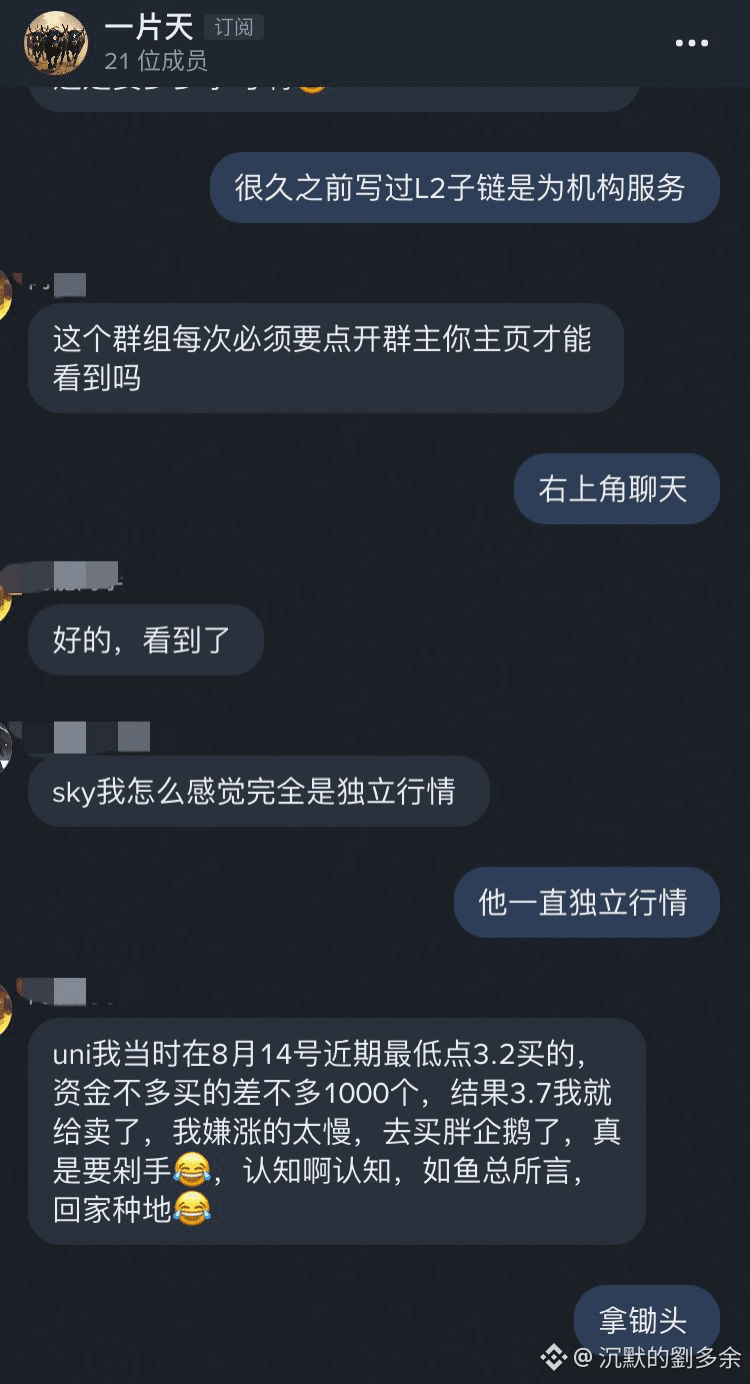
About tokens with independent markets like Hype, Sky, and TRX—there will be more and more of them in the future.
Buying coins now is the same: you have to ask yourself, “In ten years, will it still be around? Have I been able to hold onto it?”
Some basic application protocols will, in the next ten or twenty years—maybe even longer—enter an extremely exaggerated expansion cycle.
For many of these protocols, as long as you don’t care about short-term fluctuations, in the long run they will definitely outperform Bitcoin and Ethereum. Allocating 40% of your portfolio to Bitcoin and Ethereum is basically using them as a safe box—like buying an insurance policy.
$UNI $ARB #btc #eth
{future}(UNIUSDT)
About tokens with independent markets like Hype, Sky, and TRX—there will be more and more of them in the future.
Buying coins now is the same: you have to ask yourself, “In ten years, will it still be around? Have I been able to hold onto it?”
Some basic application protocols will, in the next ten or twenty years—maybe even longer—enter an extremely exaggerated expansion cycle.
For many of these protocols, as long as you don’t care about short-term fluctuations, in the long run they will definitely outperform Bitcoin and Ethereum. Allocating 40% of your portfolio to Bitcoin and Ethereum is basically using them as a safe box—like buying an insurance policy.
$UNI $ARB #btc #eth
Buying coins now is the same: you have to ask yourself, “In ten years, will it still be around? Have I been able to hold onto it?”
Some basic application protocols will, in the next ten or twenty years—maybe even longer—enter an extremely exaggerated expansion cycle.
For many of these protocols, as long as you don’t care about short-term fluctuations, in the long run they will definitely outperform Bitcoin and Ethereum. Allocating 40% of your portfolio to Bitcoin and Ethereum is basically using them as a safe box—like buying an insurance policy.
$UNI $ARB #btc #eth
3.1k
·
--
People who started following me about two years ago probably know that I really enjoy chasing all kinds of narratives.
Mantra inscriptions, RWA, Memes, AI, high-performance chains...
Whenever the market comes up with a new narrative, I basically go study it.
ORDI, ONDO, PEPE, WLD, SUI—these were all directions I repeatedly researched and strongly believed in during the bottoming-out phase at the end of that year.
But this time, my thinking has changed a lot.
I don’t really want to go looking for the next narrative anymore.
I care more about whether, if the crypto market expands by dozens of times ten years from now, it will still exist.
That’s also the question I keep asking myself before I buy any asset now:
“Ten years from now, is it still alive? Will I still be holding it?”
Because short-term narratives can send a token to the sky.
But what can truly survive a ten-year cycle ultimately is the protocol itself.
$BTC $ARB
{future}(ARBUSDT)
{future}(BTCUSDT)
People who started following me about two years ago probably know that I really enjoy chasing all kinds of narratives.
Mantra inscriptions, RWA, Memes, AI, high-performance chains...
Whenever the market comes up with a new narrative, I basically go study it.
ORDI, ONDO, PEPE, WLD, SUI—these were all directions I repeatedly researched and strongly believed in during the bottoming-out phase at the end of that year.
But this time, my thinking has changed a lot.
I don’t really want to go looking for the next narrative anymore.
I care more about whether, if the crypto market expands by dozens of times ten years from now, it will still exist.
That’s also the question I keep asking myself before I buy any asset now:
“Ten years from now, is it still alive? Will I still be holding it?”
Because short-term narratives can send a token to the sky.
But what can truly survive a ten-year cycle ultimately is the protocol itself.
$BTC $ARB
Mantra inscriptions, RWA, Memes, AI, high-performance chains...
Whenever the market comes up with a new narrative, I basically go study it.
ORDI, ONDO, PEPE, WLD, SUI—these were all directions I repeatedly researched and strongly believed in during the bottoming-out phase at the end of that year.
But this time, my thinking has changed a lot.
I don’t really want to go looking for the next narrative anymore.
I care more about whether, if the crypto market expands by dozens of times ten years from now, it will still exist.
That’s also the question I keep asking myself before I buy any asset now:
“Ten years from now, is it still alive? Will I still be holding it?”
Because short-term narratives can send a token to the sky.
But what can truly survive a ten-year cycle ultimately is the protocol itself.
$BTC $ARB
沉默的劉多余
·
--
Liu Duoyu | Don’t buy top protocols after Wall Street has entered
Over the past few years, one of the main threads in the crypto market has been the gradual entry of traditional finance into the digital-asset space.
But many investors’ way of observing still stays at a relatively simple level: wait for an ETF to appear, wait for large financial institutions to buy, wait for Wall Street’s public rollout—then judge which assets have long-term value.
The problem with this approach is that when institutional capital truly moves into a field at large scale, it often means the market has already completed a significant portion of value discovery.
Therefore, instead of waiting for Wall Street to tell the market “what to buy,” it’s better to research an even more important question in advance:
But many investors’ way of observing still stays at a relatively simple level: wait for an ETF to appear, wait for large financial institutions to buy, wait for Wall Street’s public rollout—then judge which assets have long-term value.
The problem with this approach is that when institutional capital truly moves into a field at large scale, it often means the market has already completed a significant portion of value discovery.
Therefore, instead of waiting for Wall Street to tell the market “what to buy,” it’s better to research an even more important question in advance:

2
935
·
--
Article
Liu Duoyu | Don’t buy top protocols after Wall Street has enteredOver the past few years, one of the main threads in the crypto market has been the gradual entry of traditional finance into the digital-asset space.
But many investors’ way of observing still stays at a relatively simple level: wait for an ETF to appear, wait for large financial institutions to buy, wait for Wall Street’s public rollout—then judge which assets have long-term value.
The problem with this approach is that when institutional capital truly moves into a field at large scale, it often means the market has already completed a significant portion of value discovery.
Therefore, instead of waiting for Wall Street to tell the market “what to buy,” it’s better to research an even more important question in advance:
Liu Duoyu | Don’t buy top protocols after Wall Street has entered
Over the past few years, one of the main threads in the crypto market has been the gradual entry of traditional finance into the digital-asset space.
But many investors’ way of observing still stays at a relatively simple level: wait for an ETF to appear, wait for large financial institutions to buy, wait for Wall Street’s public rollout—then judge which assets have long-term value.
The problem with this approach is that when institutional capital truly moves into a field at large scale, it often means the market has already completed a significant portion of value discovery.
Therefore, instead of waiting for Wall Street to tell the market “what to buy,” it’s better to research an even more important question in advance:
But many investors’ way of observing still stays at a relatively simple level: wait for an ETF to appear, wait for large financial institutions to buy, wait for Wall Street’s public rollout—then judge which assets have long-term value.
The problem with this approach is that when institutional capital truly moves into a field at large scale, it often means the market has already completed a significant portion of value discovery.
Therefore, instead of waiting for Wall Street to tell the market “what to buy,” it’s better to research an even more important question in advance:
1
2
5
906
·
--
Trump is also getting better now, and he’ll be able to eat mooncakes soon.
This Mid-Autumn Festival, the China–U.S. meeting
According to northern customs, they should send Trump some mooncakes.
The China–U.S. relationship should cool down; both sides have their own matters to take care of, and the boundaries are much clearer.
Holding a meeting on the Mid-Autumn Festival is also interesting.
$BTC $ETH #btc #eth
{future}(ETHUSDT)
{future}(BTCUSDT)
Trump is also getting better now, and he’ll be able to eat mooncakes soon.
This Mid-Autumn Festival, the China–U.S. meeting
According to northern customs, they should send Trump some mooncakes.
The China–U.S. relationship should cool down; both sides have their own matters to take care of, and the boundaries are much clearer.
Holding a meeting on the Mid-Autumn Festival is also interesting.
$BTC $ETH #btc #eth
This Mid-Autumn Festival, the China–U.S. meeting
According to northern customs, they should send Trump some mooncakes.
The China–U.S. relationship should cool down; both sides have their own matters to take care of, and the boundaries are much clearer.
Holding a meeting on the Mid-Autumn Festival is also interesting.
$BTC $ETH #btc #eth
1
739
·
--
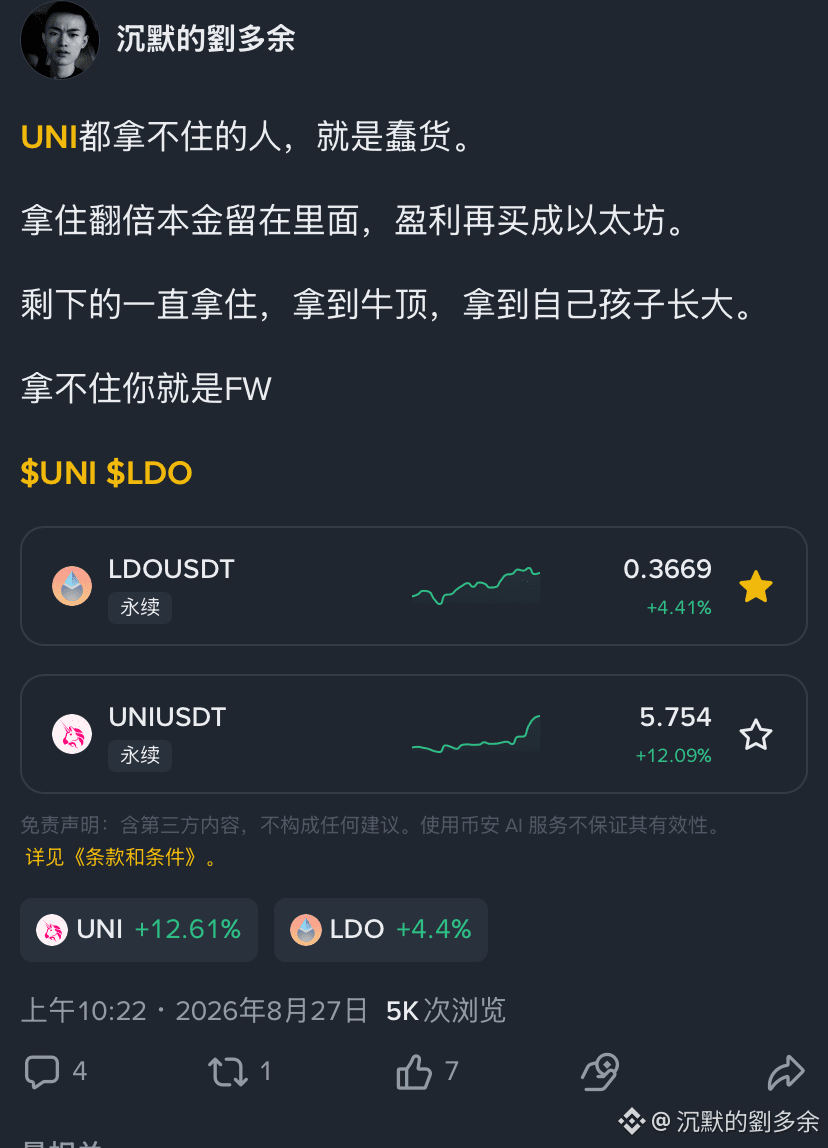
Standard Chartered really is a good person.
From UNI, SKY, LINK,
to the recent ARB.
One by one, they basically helped shout it all out.
I even suspect that I might have sent them my research report.
Can’t hold it? Can a hoe hold it?
$UNI $ARB
Standard Chartered really is a good person.
From UNI, SKY, LINK,
to the recent ARB.
One by one, they basically helped shout it all out.
I even suspect that I might have sent them my research report.
Can’t hold it? Can a hoe hold it?
$UNI $ARB
From UNI, SKY, LINK,
to the recent ARB.
One by one, they basically helped shout it all out.
I even suspect that I might have sent them my research report.
Can’t hold it? Can a hoe hold it?
$UNI $ARB
2
5
4.8k
·
--
Yesterday, many people went to ARC to trade Memes, and in the end they lost money.
Actually, that’s pretty normal. ARC-type stablecoin infrastructure, from its original design intent, was never meant to provide everyone with a new casino.
Its framework is truly aiming at enterprises, institutions, payments, stablecoins, AI agents, and on-chain financial services.
If you go gamble on a piece of financial infrastructure, losing money isn’t surprising.
The real question worth researching is this: once a stablecoin chain has a lot of funds and users, who will absorb those funds?
That’s the big opportunity at the application layer.
Especially DeFi: if in the future a stablecoin chain truly carries a large amount of enterprise capital, institutional capital, and AI agents, then the financial protocols built on top of it—lending, trading, settlement, asset management, derivatives, and so on—will become extremely important.
Also, don’t keep charging around on-chain. If you charge around long enough, it’s gone. You’d be better off buying some underlying settlement assets the straightforward way.
There’s a guy in the group who made a bit of money from buying coins back then, went charging around on-chain, and got completely stripped clean…
Posting a Meme has almost no cost—you buy one, and you’re already making profit even with 20U…
$BTC $ETH $LDO
{future}(ETHUSDT)
{future}(BTCUSDT)
Yesterday, many people went to ARC to trade Memes, and in the end they lost money.
Actually, that’s pretty normal. ARC-type stablecoin infrastructure, from its original design intent, was never meant to provide everyone with a new casino.
Its framework is truly aiming at enterprises, institutions, payments, stablecoins, AI agents, and on-chain financial services.
If you go gamble on a piece of financial infrastructure, losing money isn’t surprising.
The real question worth researching is this: once a stablecoin chain has a lot of funds and users, who will absorb those funds?
That’s the big opportunity at the application layer.
Especially DeFi: if in the future a stablecoin chain truly carries a large amount of enterprise capital, institutional capital, and AI agents, then the financial protocols built on top of it—lending, trading, settlement, asset management, derivatives, and so on—will become extremely important.
Also, don’t keep charging around on-chain. If you charge around long enough, it’s gone. You’d be better off buying some underlying settlement assets the straightforward way.
There’s a guy in the group who made a bit of money from buying coins back then, went charging around on-chain, and got completely stripped clean…
Posting a Meme has almost no cost—you buy one, and you’re already making profit even with 20U…
$BTC $ETH $LDO
Actually, that’s pretty normal. ARC-type stablecoin infrastructure, from its original design intent, was never meant to provide everyone with a new casino.
Its framework is truly aiming at enterprises, institutions, payments, stablecoins, AI agents, and on-chain financial services.
If you go gamble on a piece of financial infrastructure, losing money isn’t surprising.
The real question worth researching is this: once a stablecoin chain has a lot of funds and users, who will absorb those funds?
That’s the big opportunity at the application layer.
Especially DeFi: if in the future a stablecoin chain truly carries a large amount of enterprise capital, institutional capital, and AI agents, then the financial protocols built on top of it—lending, trading, settlement, asset management, derivatives, and so on—will become extremely important.
Also, don’t keep charging around on-chain. If you charge around long enough, it’s gone. You’d be better off buying some underlying settlement assets the straightforward way.
There’s a guy in the group who made a bit of money from buying coins back then, went charging around on-chain, and got completely stripped clean…
Posting a Meme has almost no cost—you buy one, and you’re already making profit even with 20U…
$BTC $ETH $LDO
2
1.4k
·
--
The assets I hold are basically native crypto-layer settlement assets.
I’m not investing in a particular short-term narrative, nor in how many users a given app has today.
I’m investing in something more fundamental: will the crypto market’s overall size keep expanding?
If stablecoins continue to grow, if RWA continues to be tokenized and put on-chain, if DeFi continues to develop, and if institutions keep entering the space—then in the future, we may even see large numbers of AI agents conducting trades, making payments, and settling on-chain.
In that case, the bigger the on-chain economic activity becomes, the greater the demand for underlying settlement networks. As demand grows, the corresponding value increases.
In practice, I also want to see whether, if the stablecoin market reaches tens of trillions of dollars, my assets will experience a dramatic leap—under a certain protocol—from the hundreds of millions or tens of billions to the tens of billions or even hundreds of billions of dollars.
Just like the early internet: after the dot-com bubble burst, a new generation of large-scale applications emerged.
Crypto assets will be the same.
$BTC $UNI $ARB #btc #uni #arb
{future}(ARBUSDT)
{future}(UNIUSDT)
{future}(BTCUSDT)
The assets I hold are basically native crypto-layer settlement assets.
I’m not investing in a particular short-term narrative, nor in how many users a given app has today.
I’m investing in something more fundamental: will the crypto market’s overall size keep expanding?
If stablecoins continue to grow, if RWA continues to be tokenized and put on-chain, if DeFi continues to develop, and if institutions keep entering the space—then in the future, we may even see large numbers of AI agents conducting trades, making payments, and settling on-chain.
In that case, the bigger the on-chain economic activity becomes, the greater the demand for underlying settlement networks. As demand grows, the corresponding value increases.
In practice, I also want to see whether, if the stablecoin market reaches tens of trillions of dollars, my assets will experience a dramatic leap—under a certain protocol—from the hundreds of millions or tens of billions to the tens of billions or even hundreds of billions of dollars.
Just like the early internet: after the dot-com bubble burst, a new generation of large-scale applications emerged.
Crypto assets will be the same.
$BTC $UNI $ARB #btc #uni #arb
I’m not investing in a particular short-term narrative, nor in how many users a given app has today.
I’m investing in something more fundamental: will the crypto market’s overall size keep expanding?
If stablecoins continue to grow, if RWA continues to be tokenized and put on-chain, if DeFi continues to develop, and if institutions keep entering the space—then in the future, we may even see large numbers of AI agents conducting trades, making payments, and settling on-chain.
In that case, the bigger the on-chain economic activity becomes, the greater the demand for underlying settlement networks. As demand grows, the corresponding value increases.
In practice, I also want to see whether, if the stablecoin market reaches tens of trillions of dollars, my assets will experience a dramatic leap—under a certain protocol—from the hundreds of millions or tens of billions to the tens of billions or even hundreds of billions of dollars.
Just like the early internet: after the dot-com bubble burst, a new generation of large-scale applications emerged.
Crypto assets will be the same.
$BTC $UNI $ARB #btc #uni #arb

九回闲鱼翻身
·
--
Brother Yu, arb, is there any explanation for this pullback? Where’s the link? I really want to know why Brother Yu is bullish on Link.
1
1
2.2k
·
--

Article
Liu Duoyu | Daily Market Watch: When the Federal Reserve raises rates, why the market didn’t see major volatility?In the early hours of today Beijing time, the Federal Reserve raised its policy rate by 25 basis points to 3.75%–4.00%, the first rate hike since July 2023. But the market did not show the dramatic volatility that many people had expected.
The reason is actually not complicated.
First, the fact that the Federal Reserve is raising rates has already been fully priced in by the market.
Before the rate decision meeting, market expectations for a 25-basis-point hike have already exceeded 90%. So the real factor affecting prices has never been: “Will the Federal Reserve raise rates?”
Instead, it’s: “After raising rates, will it keep raising them? What exactly will the future path of interest rates be?”
Liu Duoyu | Daily Market Watch: When the Federal Reserve raises rates, why the market didn’t see major volatility?
In the early hours of today Beijing time, the Federal Reserve raised its policy rate by 25 basis points to 3.75%–4.00%, the first rate hike since July 2023. But the market did not show the dramatic volatility that many people had expected.
The reason is actually not complicated.
First, the fact that the Federal Reserve is raising rates has already been fully priced in by the market.
Before the rate decision meeting, market expectations for a 25-basis-point hike have already exceeded 90%. So the real factor affecting prices has never been: “Will the Federal Reserve raise rates?”
Instead, it’s: “After raising rates, will it keep raising them? What exactly will the future path of interest rates be?”
The reason is actually not complicated.
First, the fact that the Federal Reserve is raising rates has already been fully priced in by the market.
Before the rate decision meeting, market expectations for a 25-basis-point hike have already exceeded 90%. So the real factor affecting prices has never been: “Will the Federal Reserve raise rates?”
Instead, it’s: “After raising rates, will it keep raising them? What exactly will the future path of interest rates be?”
1
15
1.3k
·
--
Even today, I’m still curious how Trump’s little brain came up with such a brilliant MeMe.
If the Democrats take power again, will the entire crypto market be bloodbathed?
In this clear law bill vote, besides the Democrats, there were also people within the Republican Party who openly said that Trump is corrupt, accepted gifts from crypto whales, pardoned crypto executives, and cast a vote against it.
In other words, apart from the Democrats, there are also people within the Republican Party who want to send Trump and his crew to be “liquidated.”
$BTC $TRUMP #btc #trump
{future}(TRUMPUSDT)
{future}(BTCUSDT)
Even today, I’m still curious how Trump’s little brain came up with such a brilliant MeMe.
If the Democrats take power again, will the entire crypto market be bloodbathed?
In this clear law bill vote, besides the Democrats, there were also people within the Republican Party who openly said that Trump is corrupt, accepted gifts from crypto whales, pardoned crypto executives, and cast a vote against it.
In other words, apart from the Democrats, there are also people within the Republican Party who want to send Trump and his crew to be “liquidated.”
$BTC $TRUMP #btc #trump
If the Democrats take power again, will the entire crypto market be bloodbathed?
In this clear law bill vote, besides the Democrats, there were also people within the Republican Party who openly said that Trump is corrupt, accepted gifts from crypto whales, pardoned crypto executives, and cast a vote against it.
In other words, apart from the Democrats, there are also people within the Republican Party who want to send Trump and his crew to be “liquidated.”
$BTC $TRUMP #btc #trump
3
4
3.5k
·
--
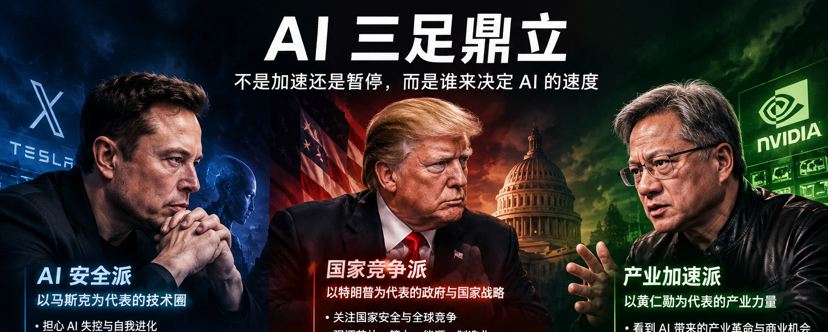
Article
A serious rift among major large-model companies led by Musk and Jensen Huang, as well as the Trump administrationThe U.S. AI industry is showing an increasingly clear split.
On the surface, Elon Musk and others keep emphasizing AI safety and the risk of losing control, while the Trump administration, Jensen Huang, and some forces within the industry emphasize accelerating AI development.
But if you break the problem down one more layer, you’ll find it’s not simply a matter of “who supports AI and who opposes AI.”
On the contrary.
Everyone knows AI will change the world. The real disagreement is this: at what speed should AI change the world?
This may be the biggest contradiction in the AI industry over the next few years.
1. Technical路线: Is AI still a tool, or is it becoming a new kind of intelligent system?
A serious rift among major large-model companies led by Musk and Jensen Huang, as well as the Trump administration
The U.S. AI industry is showing an increasingly clear split.
On the surface, Elon Musk and others keep emphasizing AI safety and the risk of losing control, while the Trump administration, Jensen Huang, and some forces within the industry emphasize accelerating AI development.
But if you break the problem down one more layer, you’ll find it’s not simply a matter of “who supports AI and who opposes AI.”
On the contrary.
Everyone knows AI will change the world. The real disagreement is this: at what speed should AI change the world?
This may be the biggest contradiction in the AI industry over the next few years.
1. Technical路线: Is AI still a tool, or is it becoming a new kind of intelligent system?
On the surface, Elon Musk and others keep emphasizing AI safety and the risk of losing control, while the Trump administration, Jensen Huang, and some forces within the industry emphasize accelerating AI development.
But if you break the problem down one more layer, you’ll find it’s not simply a matter of “who supports AI and who opposes AI.”
On the contrary.
Everyone knows AI will change the world. The real disagreement is this: at what speed should AI change the world?
This may be the biggest contradiction in the AI industry over the next few years.
1. Technical路线: Is AI still a tool, or is it becoming a new kind of intelligent system?
1
3
1.2k
·
--
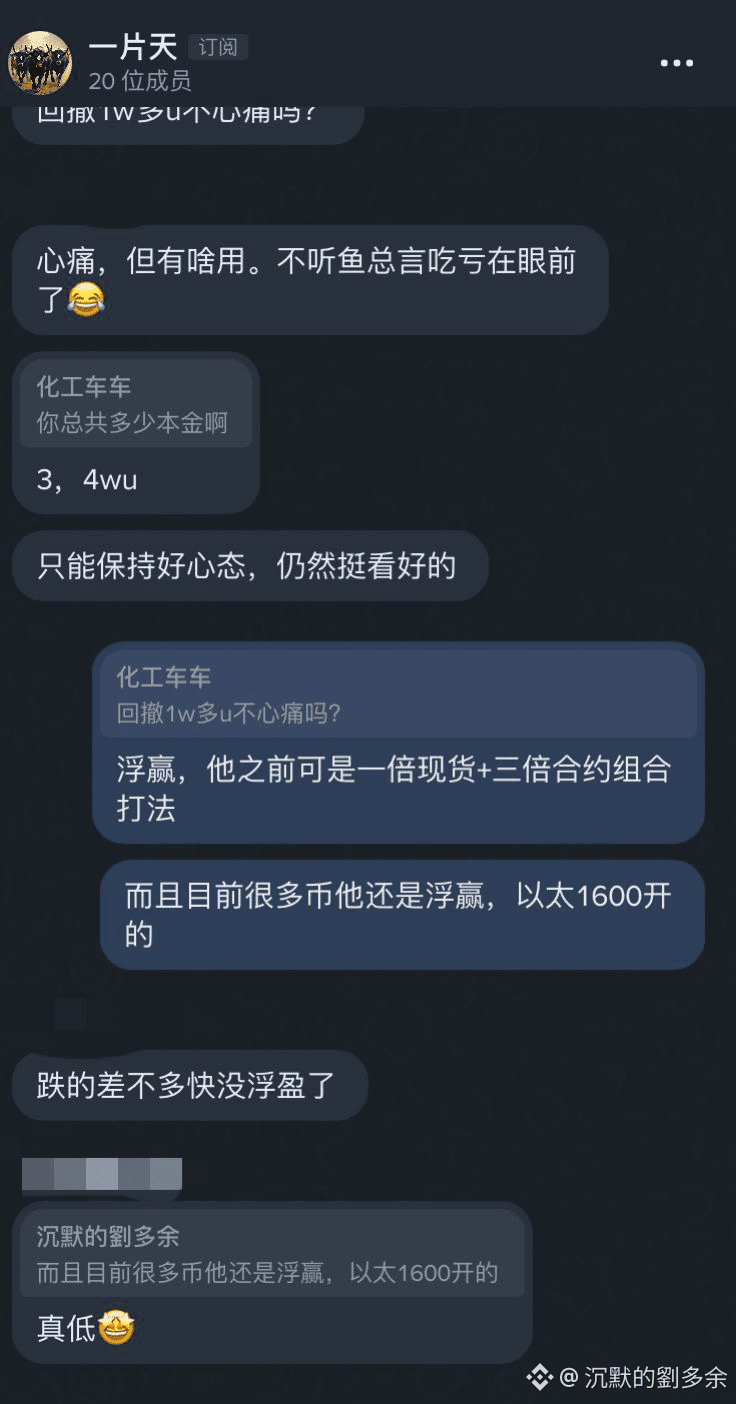
Drawdowns are a normal thing.
Almost all large one-way market moves end with a mess.
Many people’s idea of a bull market is charging forward nonstop;
people’s idea of an alt season is all the alts going 10x, 100x.
When the market is good, KOLs and the media love to hype things up to generate traffic.
In a big one-way rally, one after another they shout “bull market.” After a big drop, one after another they manufacture panic.
But the market has never run like that.
Every coin has its own cycle.
Bitcoin has its own cycle, ETH has its own cycle, and MeMe also has its own cycle.
Market liquidity itself keeps cycling.
When it’s risen too much, it needs to release; when it’s fallen too much, it needs to find new support.
So I’m not a god either.
I’m just calculating odds and believing the market has reached a liquidity position where there’s a “kill from both ends.”
Since profits have already appeared, rather than continuing to chase things that have already run up, it’s better to put some of those profits back into Ethereum.
Investment is always a long-cycle endeavor—there are too many chances missed and regrets. Developing good habits is what helps you live a better life.
So recently, I advised you to move this round’s high-volume alt profits over to large Ethereum-capital “big pancakes,” take a bit of money out to have some fun, and buy a few gifts for your family and friends.
Both people and markets need rest. The gentleman isn’t pleased by things and isn’t saddened by oneself. Investing is the same—whether you stay or leave is unintentional; just let things unfold with the clouds rolling in the sky.
$BTC $ETH #btc #ldo
{future}(ETHUSDT)
{future}(BTCUSDT)
Drawdowns are a normal thing.
Almost all large one-way market moves end with a mess.
Many people’s idea of a bull market is charging forward nonstop;
people’s idea of an alt season is all the alts going 10x, 100x.
When the market is good, KOLs and the media love to hype things up to generate traffic.
In a big one-way rally, one after another they shout “bull market.” After a big drop, one after another they manufacture panic.
But the market has never run like that.
Every coin has its own cycle.
Bitcoin has its own cycle, ETH has its own cycle, and MeMe also has its own cycle.
Market liquidity itself keeps cycling.
When it’s risen too much, it needs to release; when it’s fallen too much, it needs to find new support.
So I’m not a god either.
I’m just calculating odds and believing the market has reached a liquidity position where there’s a “kill from both ends.”
Since profits have already appeared, rather than continuing to chase things that have already run up, it’s better to put some of those profits back into Ethereum.
Investment is always a long-cycle endeavor—there are too many chances missed and regrets. Developing good habits is what helps you live a better life.
So recently, I advised you to move this round’s high-volume alt profits over to large Ethereum-capital “big pancakes,” take a bit of money out to have some fun, and buy a few gifts for your family and friends.
Both people and markets need rest. The gentleman isn’t pleased by things and isn’t saddened by oneself. Investing is the same—whether you stay or leave is unintentional; just let things unfold with the clouds rolling in the sky.
$BTC $ETH #btc #ldo
Almost all large one-way market moves end with a mess.
Many people’s idea of a bull market is charging forward nonstop;
people’s idea of an alt season is all the alts going 10x, 100x.
When the market is good, KOLs and the media love to hype things up to generate traffic.
In a big one-way rally, one after another they shout “bull market.” After a big drop, one after another they manufacture panic.
But the market has never run like that.
Every coin has its own cycle.
Bitcoin has its own cycle, ETH has its own cycle, and MeMe also has its own cycle.
Market liquidity itself keeps cycling.
When it’s risen too much, it needs to release; when it’s fallen too much, it needs to find new support.
So I’m not a god either.
I’m just calculating odds and believing the market has reached a liquidity position where there’s a “kill from both ends.”
Since profits have already appeared, rather than continuing to chase things that have already run up, it’s better to put some of those profits back into Ethereum.
Investment is always a long-cycle endeavor—there are too many chances missed and regrets. Developing good habits is what helps you live a better life.
So recently, I advised you to move this round’s high-volume alt profits over to large Ethereum-capital “big pancakes,” take a bit of money out to have some fun, and buy a few gifts for your family and friends.
Both people and markets need rest. The gentleman isn’t pleased by things and isn’t saddened by oneself. Investing is the same—whether you stay or leave is unintentional; just let things unfold with the clouds rolling in the sky.
$BTC $ETH #btc #ldo
1
5
5k
·
--
When I entered ARB in July, I had already made a horizontal comparison of several projects that were roughly similar.
For example, SUI and ONDO. Later, I also specifically analyzed why, at that time, I thought SUI and ONDO’s value for money was not as good as ARB.
In terms of technology, narrative, scope of application, and ecosystem foundation, ARB is at least as good—if not better.
What’s even more interesting is that I wasn’t just starting to pay attention to SUI and ONDO recently.
As the original source who was already calling trades for the 2024 SUI and ONDO communities, I’m very familiar with these two projects.
So this isn’t about something going up and then me going back to invent a rationale for myself. Instead, under the prices, market conditions, and the projects’ fundamentals at that time, I had already done a horizontal comparison.
As for institutions like Standard Chartered in Wall Street—why they kept urging me to hold the coins I had—well, their investment logic shifted to an institutional mindset a long time ago.
It’s not that I’m faster than the market; rather, market liquidity must be able to make a long-term choice.
I’m not a god either—I have no inside information. It’s all based on reasoning from market information.
$SUI $ARB $ONDO #sui #arb #ondo
{future}(ARBUSDT)
{future}(SUIUSDT)
When I entered ARB in July, I had already made a horizontal comparison of several projects that were roughly similar.
For example, SUI and ONDO. Later, I also specifically analyzed why, at that time, I thought SUI and ONDO’s value for money was not as good as ARB.
In terms of technology, narrative, scope of application, and ecosystem foundation, ARB is at least as good—if not better.
What’s even more interesting is that I wasn’t just starting to pay attention to SUI and ONDO recently.
As the original source who was already calling trades for the 2024 SUI and ONDO communities, I’m very familiar with these two projects.
So this isn’t about something going up and then me going back to invent a rationale for myself. Instead, under the prices, market conditions, and the projects’ fundamentals at that time, I had already done a horizontal comparison.
As for institutions like Standard Chartered in Wall Street—why they kept urging me to hold the coins I had—well, their investment logic shifted to an institutional mindset a long time ago.
It’s not that I’m faster than the market; rather, market liquidity must be able to make a long-term choice.
I’m not a god either—I have no inside information. It’s all based on reasoning from market information.
$SUI $ARB $ONDO #sui #arb #ondo
For example, SUI and ONDO. Later, I also specifically analyzed why, at that time, I thought SUI and ONDO’s value for money was not as good as ARB.
In terms of technology, narrative, scope of application, and ecosystem foundation, ARB is at least as good—if not better.
What’s even more interesting is that I wasn’t just starting to pay attention to SUI and ONDO recently.
As the original source who was already calling trades for the 2024 SUI and ONDO communities, I’m very familiar with these two projects.
So this isn’t about something going up and then me going back to invent a rationale for myself. Instead, under the prices, market conditions, and the projects’ fundamentals at that time, I had already done a horizontal comparison.
As for institutions like Standard Chartered in Wall Street—why they kept urging me to hold the coins I had—well, their investment logic shifted to an institutional mindset a long time ago.
It’s not that I’m faster than the market; rather, market liquidity must be able to make a long-term choice.
I’m not a god either—I have no inside information. It’s all based on reasoning from market information.
$SUI $ARB $ONDO #sui #arb #ondo
沉默的劉多余
·
--
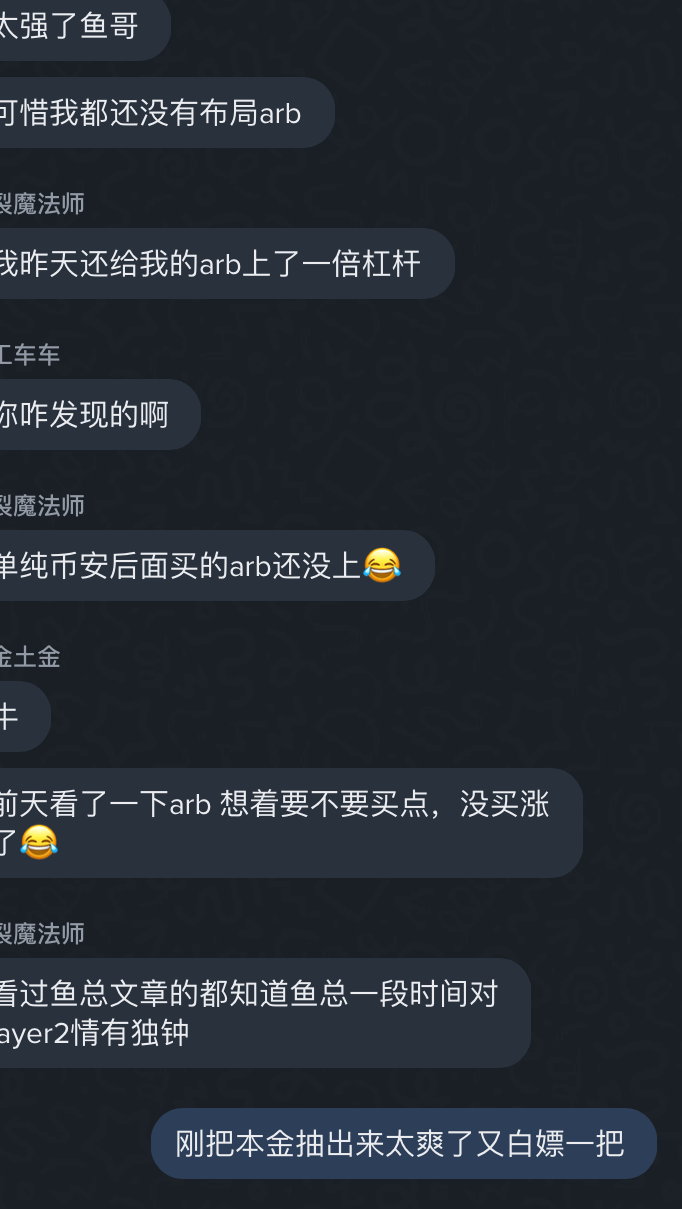
Discovering that Arb is not a very surprising thing either
On July 26, I posted something. At the time, I kept buying Arb.
I’m too familiar with L2, and I’m also too familiar with Ethereum.
I chose Arb for a very simple reason: Arb is a mature L2, especially a custom chain built specifically for DeFi.
No big deal—just hop on the ride and enjoy it.
I already pulled out my principal. After taking more than 50% gains, the rest is pure profit—consider it free…
If it hasn’t gone up, don’t be in a hurry. Every coin has its own volume-increase cycle.
$ARB $OP
On July 26, I posted something. At the time, I kept buying Arb.
I’m too familiar with L2, and I’m also too familiar with Ethereum.
I chose Arb for a very simple reason: Arb is a mature L2, especially a custom chain built specifically for DeFi.
No big deal—just hop on the ride and enjoy it.
I already pulled out my principal. After taking more than 50% gains, the rest is pure profit—consider it free…
If it hasn’t gone up, don’t be in a hurry. Every coin has its own volume-increase cycle.
$ARB $OP
4
6
9.2k
·
--
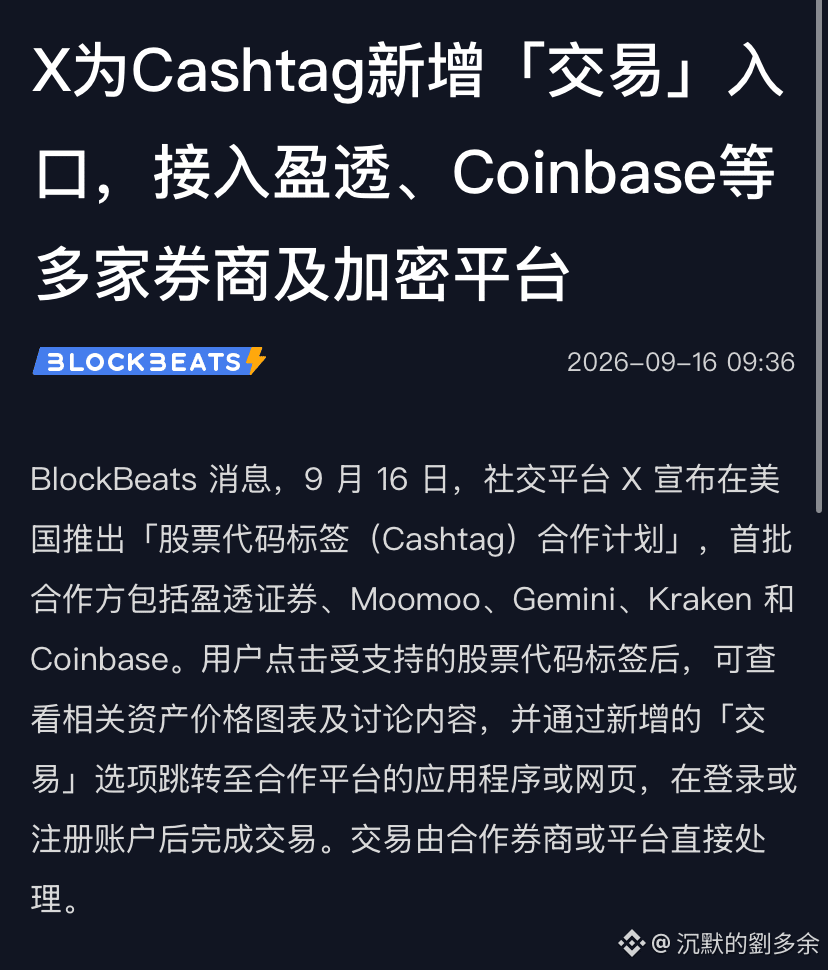
Musk is doing better too—
Now he’s starting to eat stocks and get crypto fee rebates
$BTC $ETH
{future}(ETHUSDT)
{future}(BTCUSDT)
Musk is doing better too—
Now he’s starting to eat stocks and get crypto fee rebates
$BTC $ETH
Now he’s starting to eat stocks and get crypto fee rebates
$BTC $ETH
1
1
1.8k
·
--
Verified
Tonight, there is an even higher-level narrative: the U.S. Federal Reserve’s rate decision meeting.
Yesterday, there was also a new narrative—Bessent is working to push the promise of $5,000 for every American.
A turbulent time, with a pretty boring market backdrop.
The main force wants to wipe out those over there, wipe out those over there.
$BTC $ETH #btc #eth
{future}(ETHUSDT)
{future}(BTCUSDT)
Tonight, there is an even higher-level narrative: the U.S. Federal Reserve’s rate decision meeting.
Yesterday, there was also a new narrative—Bessent is working to push the promise of $5,000 for every American.
A turbulent time, with a pretty boring market backdrop.
The main force wants to wipe out those over there, wipe out those over there.
$BTC $ETH #btc #eth
Yesterday, there was also a new narrative—Bessent is working to push the promise of $5,000 for every American.
A turbulent time, with a pretty boring market backdrop.
The main force wants to wipe out those over there, wipe out those over there.
$BTC $ETH #btc #eth
沉默的劉多余
·
--
Liu Duoyu’s Daily Market Watch|Why Didn’t the Clear Act Pass?
The Clear Act didn’t pass before dawn, and I guess everyone’s already gone to sleep, probably knowing it would be hard to get passed. The Clear Act was proposed during the Democratic administration, but it was also the Democrats who rejected it. Their reasoning is simple: “The Trump family makes too much money using power.”
On the surface, it’s a disagreement between the Democratic and Republican parties over crypto regulation.
In reality, the conflict has gradually shifted from how to regulate cryptocurrencies to a bigger issue:
Can political power directly participate in crypto capital?
The core thing the Democratic Party has stalled on is not opposition to the crypto industry establishing a regulatory framework.
On the surface, it’s a disagreement between the Democratic and Republican parties over crypto regulation.
In reality, the conflict has gradually shifted from how to regulate cryptocurrencies to a bigger issue:
Can political power directly participate in crypto capital?
The core thing the Democratic Party has stalled on is not opposition to the crypto industry establishing a regulatory framework.

3
1.2k
·
--
Article
Liu Duoyu’s Daily Market Watch|Why Didn’t the Clear Act Pass?The Clear Act didn’t pass before dawn, and I guess everyone’s already gone to sleep, probably knowing it would be hard to get passed. The Clear Act was proposed during the Democratic administration, but it was also the Democrats who rejected it. Their reasoning is simple: “The Trump family makes too much money using power.”
On the surface, it’s a disagreement between the Democratic and Republican parties over crypto regulation.
In reality, the conflict has gradually shifted from how to regulate cryptocurrencies to a bigger issue:
Can political power directly participate in crypto capital?
The core thing the Democratic Party has stalled on is not opposition to the crypto industry establishing a regulatory framework.
Liu Duoyu’s Daily Market Watch|Why Didn’t the Clear Act Pass?
The Clear Act didn’t pass before dawn, and I guess everyone’s already gone to sleep, probably knowing it would be hard to get passed. The Clear Act was proposed during the Democratic administration, but it was also the Democrats who rejected it. Their reasoning is simple: “The Trump family makes too much money using power.”
On the surface, it’s a disagreement between the Democratic and Republican parties over crypto regulation.
In reality, the conflict has gradually shifted from how to regulate cryptocurrencies to a bigger issue:
Can political power directly participate in crypto capital?
The core thing the Democratic Party has stalled on is not opposition to the crypto industry establishing a regulatory framework.
On the surface, it’s a disagreement between the Democratic and Republican parties over crypto regulation.
In reality, the conflict has gradually shifted from how to regulate cryptocurrencies to a bigger issue:
Can political power directly participate in crypto capital?
The core thing the Democratic Party has stalled on is not opposition to the crypto industry establishing a regulatory framework.
1
2
10
2.2k
·
--
Standard Chartered is really fun—taking turns calling out the coins in my hand.
Shout once, it goes up a bit, just like the hired gun I paid for with money.
Of course, it’s all just a joke.
For this round, my setup itself is more geared toward institutionalized assets.
I’ve been talking about it before: you need to shift your investment mindset so that institutions become your muscle.
A gentleman follows the trend—an American-style way of thinking.
The feeling of having Wall Street institutions act as your muscle is really satisfying
$ARB $SKY $UNI #arb #sky #uni
{future}(UNIUSDT)
{future}(SKYUSDT)
{future}(ARBUSDT)
Standard Chartered is really fun—taking turns calling out the coins in my hand.
Shout once, it goes up a bit, just like the hired gun I paid for with money.
Of course, it’s all just a joke.
For this round, my setup itself is more geared toward institutionalized assets.
I’ve been talking about it before: you need to shift your investment mindset so that institutions become your muscle.
A gentleman follows the trend—an American-style way of thinking.
The feeling of having Wall Street institutions act as your muscle is really satisfying
$ARB $SKY $UNI #arb #sky #uni
Shout once, it goes up a bit, just like the hired gun I paid for with money.
Of course, it’s all just a joke.
For this round, my setup itself is more geared toward institutionalized assets.
I’ve been talking about it before: you need to shift your investment mindset so that institutions become your muscle.
A gentleman follows the trend—an American-style way of thinking.
The feeling of having Wall Street institutions act as your muscle is really satisfying
$ARB $SKY $UNI #arb #sky #uni
沉默的劉多余
·
--
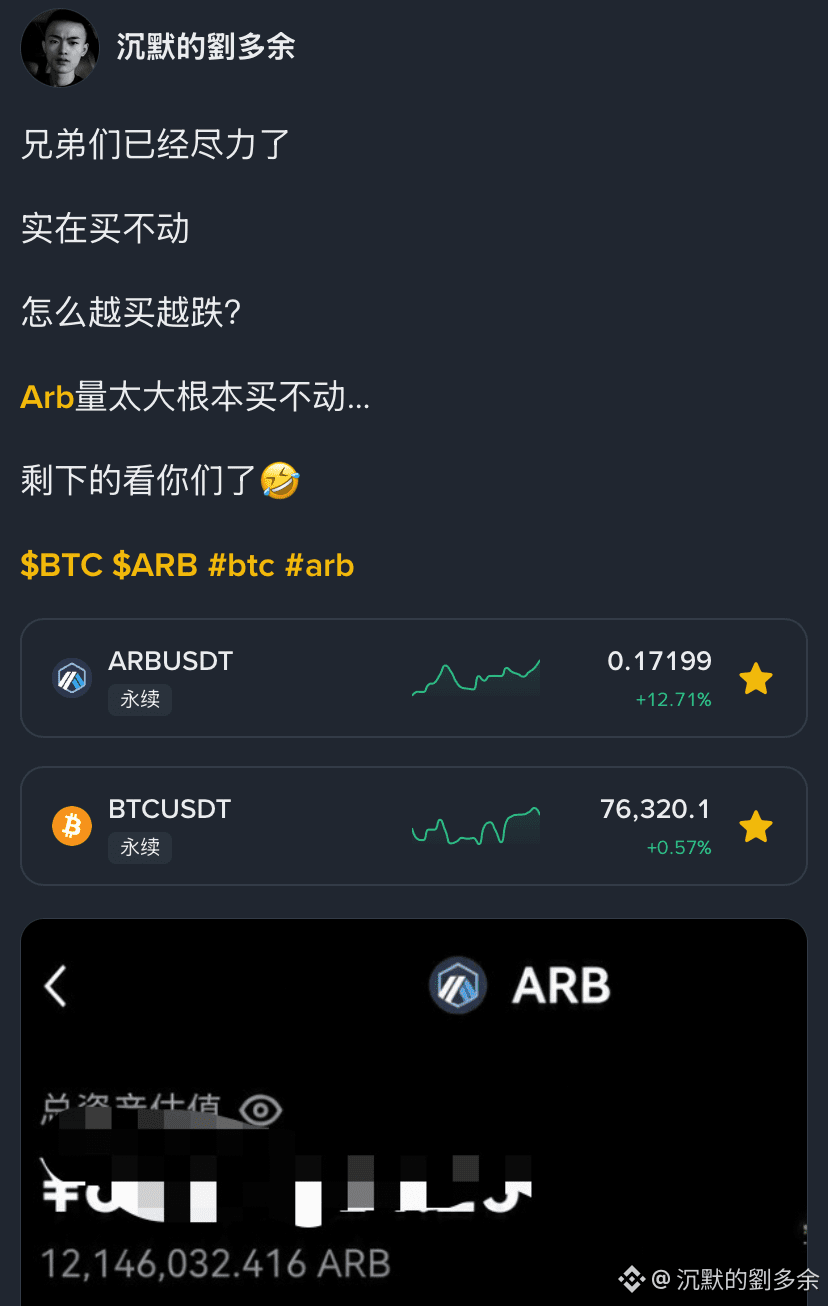
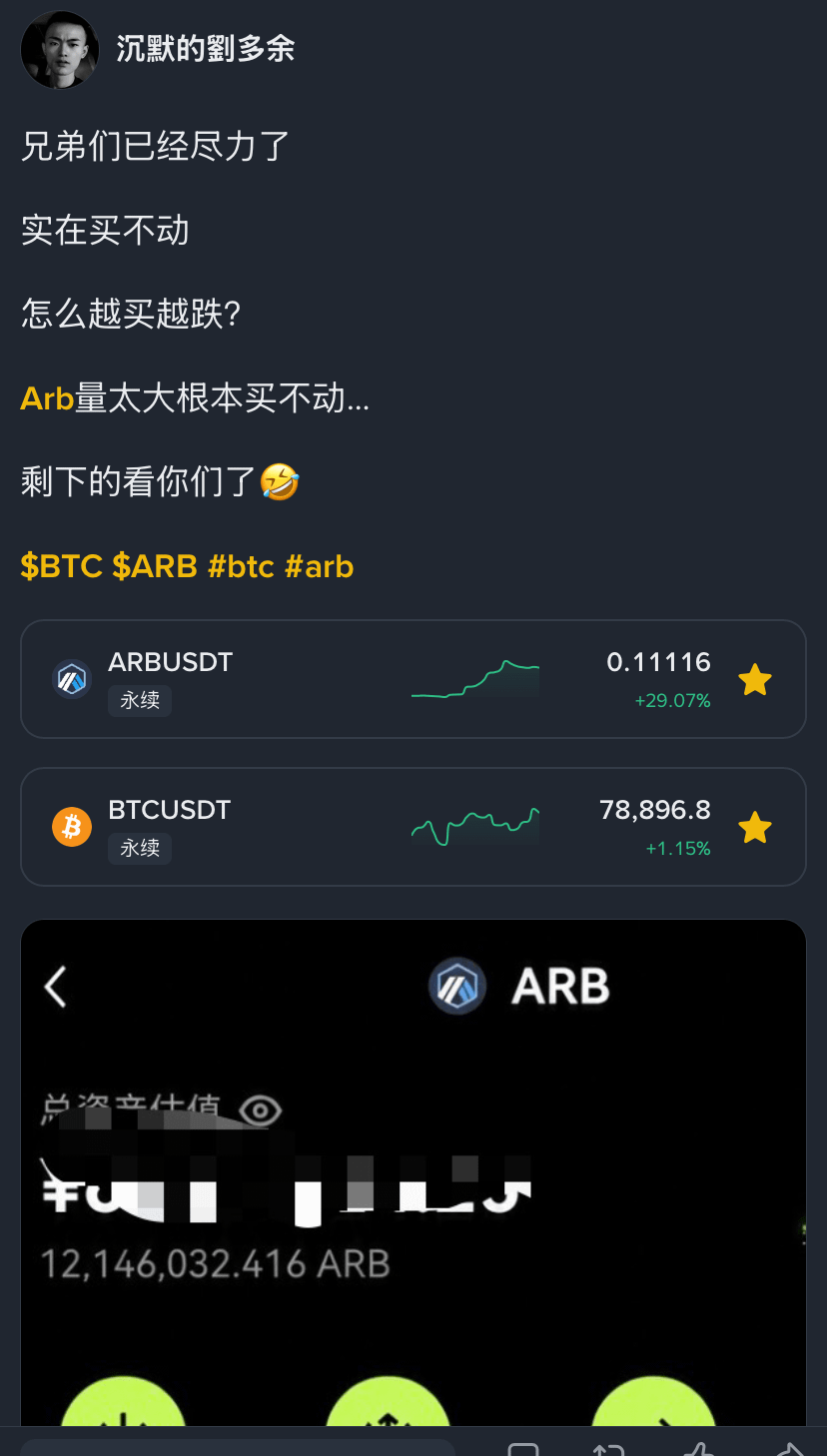
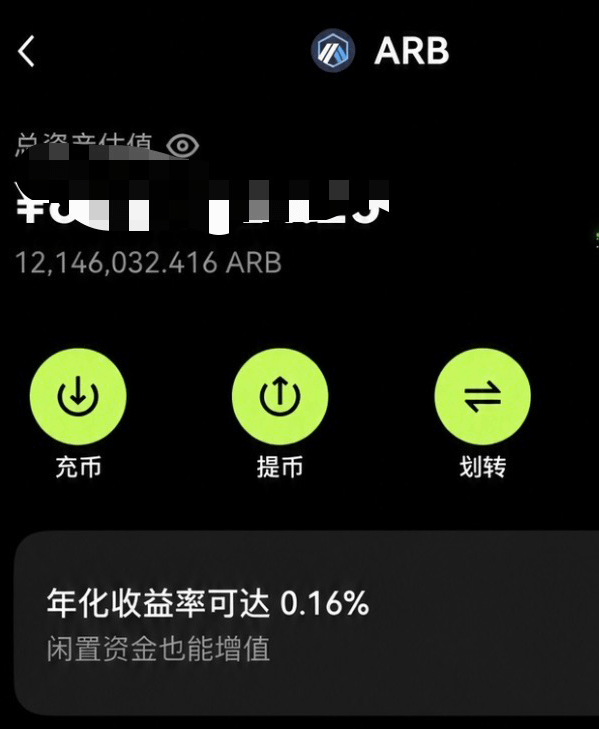
Brothers, we’ve already done our best
It’s just that we can’t buy anymore
Why is it going down the more we buy?
The Arb amount is too large—we can’t buy at all…
The rest is up to you guys 🤣
$BTC $ARB #btc #arb
It’s just that we can’t buy anymore
Why is it going down the more we buy?
The Arb amount is too large—we can’t buy at all…
The rest is up to you guys 🤣
$BTC $ARB #btc #arb
1
4
8.5k
Log in to explore more content
Join global crypto users on Binance Square
⚡️ Get latest and useful information about crypto.
💬 Trusted by the world’s largest crypto exchange.
👍 Discover real insights from verified creators.
Email / Phone number
Trending Topics
MemeLaunchpads82%OfArcDayOneVolume
2,111 views
98 Discussing
🚀 #MemeLaunchpads82%OfArcDayOneVolume Meme Coin Launchpads Capture 82% of Circle's Arc Network Day 1 Volume despite being built for institutional finance, tokenized funds, and real-time enterprise money movement, Circle's newly launched Arc network public main net saw its first 24 hours heavily dominated by retail speculation.📊 The Day 1 Numbers:Total DEX Volume: $410.8 Million meme Launchpad Volume: $336.26 Million (81.8%)Total Transactions: 7.76 Million tokens Minted: 97,025🔥 The Big Winner:Arguspad single-handedly drove the network's early traffic, processing $202.35 million in volume and minting 83,751 of the day's new tokens.
💼 The Institutional Irony:While retail traders chased internet culture, the underlying infrastructure they used was powered by heavy-hitting traditional finance validators like BlackRock, Visa, Mastercard, DTCC, and ICE. Speculators are flocking to Arc for its sub-second finality and $USDC -native gas architecture.#Crypto #CircleArc #MemeCoins #Web3
kabiraa15RR
·0 Likes
·6 views
OstiumLoanDisputeHearingSetInNYFederalCourt
3,952 views
110 Discussing
SKPoliceRefer18PolymarketUsersToProsecutors
4,634 views
171 Discussing