
最佳第6人
2.1k Posts

最佳第6人
 Square Verified+
以市场为师,与趋势为友。尊重常识,尊重规律,尊重市场,尊重人性,遵守纪律。我相信我就是万中无一的交易天才,币圈气运之子,Web3天命第六人。
Open Trade
Frequent Trader
5.4 Years
2.5K+ Following
62.3K+ Followers
36.8K+ Liked
Posts
Portfolio
All
Quotes
Videos
Live
PINNED


Bilverse
·
--
I HIT 20,000… SO I’M GIVING AWAY BITCOIN. ₿🧧
Not a typo.
Not a “coming soon.”
$BTC to the people who got me here. 🧡
20,000 followers is more than a milestone.
It’s 20,000 people who chose to follow the journey.
20,000 people who liked, commented, shared, supported.
And honestly… I wouldn’t be here without you.
So instead of just posting a “thank you”…
🎁 I’M GIVING BACK.
₿ BTC GIVEAWAY IS LIVE.
How to enter:
✅ Follow @Bilverse
❤️ Like this post
💬 Comment “20K” below
That’s it.
20,000 was only the beginning.
Let’s make this community even bigger. 🚀
GOOD LUCK, FAM. 👑🧡
#BTC #Bilverse #RedPacketMission
Not a typo.
Not a “coming soon.”
$BTC to the people who got me here. 🧡
20,000 followers is more than a milestone.
It’s 20,000 people who chose to follow the journey.
20,000 people who liked, commented, shared, supported.
And honestly… I wouldn’t be here without you.
So instead of just posting a “thank you”…
🎁 I’M GIVING BACK.
₿ BTC GIVEAWAY IS LIVE.
How to enter:
✅ Follow @Bilverse
❤️ Like this post
💬 Comment “20K” below
That’s it.
20,000 was only the beginning.
Let’s make this community even bigger. 🚀
GOOD LUCK, FAM. 👑🧡
#BTC #Bilverse #RedPacketMission


NaiPi-奶啤
·
--
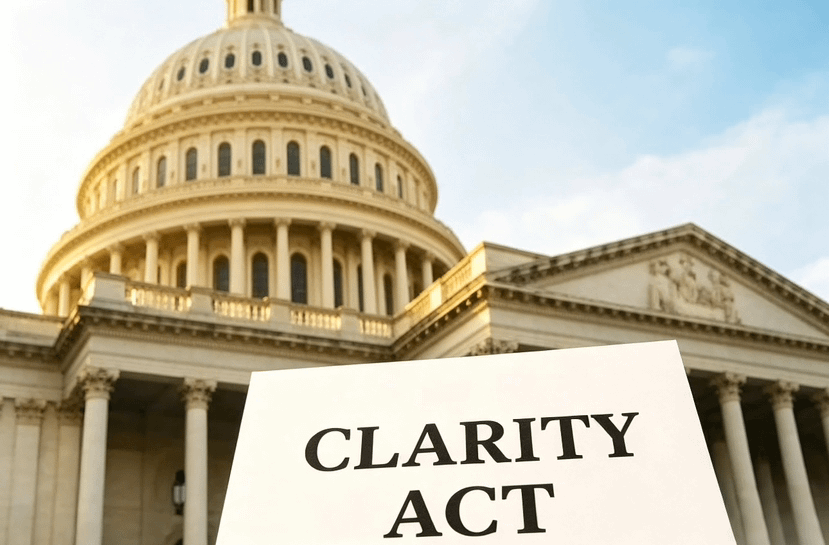
Trump pushes the CLARITY Act to achieve a “historic ethical compromise”: the Republican Party adopts 95% of the Democrats’ core demands, and U.S. crypto regulation finally finds a breakthrough
On the eve of bipartisan consensus: a regulatory standoff lasting 14 months reaches a key turning point
The U.S. deadlock on digital-asset regulatory legislation saw a landmark breakthrough in the third quarter of 2026.
In a direct move to advance the more than year-long “Digital Asset Market Clarity Act” (Digital Asset Market CLARITY Act, or the CLARITY Act), President Trump led Republicans in making a major concession on core ethical regulatory provisions. According to multiple insiders from the Senate, the latest Republican compromise proposal has covered roughly 95% of the Democrats’ core regulatory demands, with only 5% remaining as technical details to be negotiated.
Industry insiders widely view this as the most milestone-worthy bipartisan compromise in the federal U.S. digital-asset regulatory legislative process. It also means that the unified regulatory framework for the world’s largest crypto market is accelerating from “paper concept” toward implementation. #BTC #crypto
On the eve of bipartisan consensus: a regulatory standoff lasting 14 months reaches a key turning point
The U.S. deadlock on digital-asset regulatory legislation saw a landmark breakthrough in the third quarter of 2026.
In a direct move to advance the more than year-long “Digital Asset Market Clarity Act” (Digital Asset Market CLARITY Act, or the CLARITY Act), President Trump led Republicans in making a major concession on core ethical regulatory provisions. According to multiple insiders from the Senate, the latest Republican compromise proposal has covered roughly 95% of the Democrats’ core regulatory demands, with only 5% remaining as technical details to be negotiated.
Industry insiders widely view this as the most milestone-worthy bipartisan compromise in the federal U.S. digital-asset regulatory legislative process. It also means that the unified regulatory framework for the world’s largest crypto market is accelerating from “paper concept” toward implementation. #BTC #crypto

币圈淘金小旋风
·
--
Like 👍👍👍🧧🧧🧧Follow for updates and share again, 🧧🧧🧧🧧🧧🧧based on luck, 🧧🧧🧧🧧you get rewards 🧧🧧🧧🌹🤪🤪🤪🤪🤪🤪🧧🧧🧧🧧🧧🧧


Shaheen 69
·
--
🎁 A Little ETH, A Lot of Love ❤️
This red packet is my small way of saying THANK YOU to my amazing community. 🙏 Keep supporting me, keep showing your love, and let’s continue this journey together. Your trust means everything! ❤️
Stay with me — more love, bigger red packets & better rewards are coming! 🚀💎
$ETH
This red packet is my small way of saying THANK YOU to my amazing community. 🙏 Keep supporting me, keep showing your love, and let’s continue this journey together. Your trust means everything! ❤️
Stay with me — more love, bigger red packets & better rewards are coming! 🚀💎
$ETH


路人1688luren
·
--
$BTC #比特币涨1.64%突破78000美元 Just surged above 780,000 USD; over on Trump’s side, they also reached a compromise in negotiations on the conflict-of-interest provisions in the CLARITY Act. This round of volatility in the crypto market has completely broken many people’s mindset.
Actually, you don’t need to look at those complicated call-outs and analyses—the truth is only two things:
First, the underlying logic of the bill negotiations is that the U.S. is redefining the jurisdiction boundaries between the SEC and the CFTC. Once jurisdiction is put in place, the biggest concern for compliance-driven capital to enter the market is cut off.
Second, price pumping higher doesn’t mean the risk has disappeared. During the period of policy games, every fluctuation is essentially big money using regulatory expectation gaps to reshuffle liquidity.
At moments like this, don’t let yourself be led around by short-term K-line charts. Pay attention to the final bill’s specific amendments regarding stablecoin yield and developer-related provisions—it's far more important than blindly chasing higher prices. The clear line toward compliance has already been drawn; the real show is only just beginning.
Where will $BTC ’s next move be—leave a comment and save it for the record. Time will tell everything. And for correct comments, rewards and tips are appreciated.
Actually, you don’t need to look at those complicated call-outs and analyses—the truth is only two things:
First, the underlying logic of the bill negotiations is that the U.S. is redefining the jurisdiction boundaries between the SEC and the CFTC. Once jurisdiction is put in place, the biggest concern for compliance-driven capital to enter the market is cut off.
Second, price pumping higher doesn’t mean the risk has disappeared. During the period of policy games, every fluctuation is essentially big money using regulatory expectation gaps to reshuffle liquidity.
At moments like this, don’t let yourself be led around by short-term K-line charts. Pay attention to the final bill’s specific amendments regarding stablecoin yield and developer-related provisions—it's far more important than blindly chasing higher prices. The clear line toward compliance has already been drawn; the real show is only just beginning.
Where will $BTC ’s next move be—leave a comment and save it for the record. Time will tell everything. And for correct comments, rewards and tips are appreciated.




YZZ竹竹
·
--
#sec主席敦促国会推进clarity法案
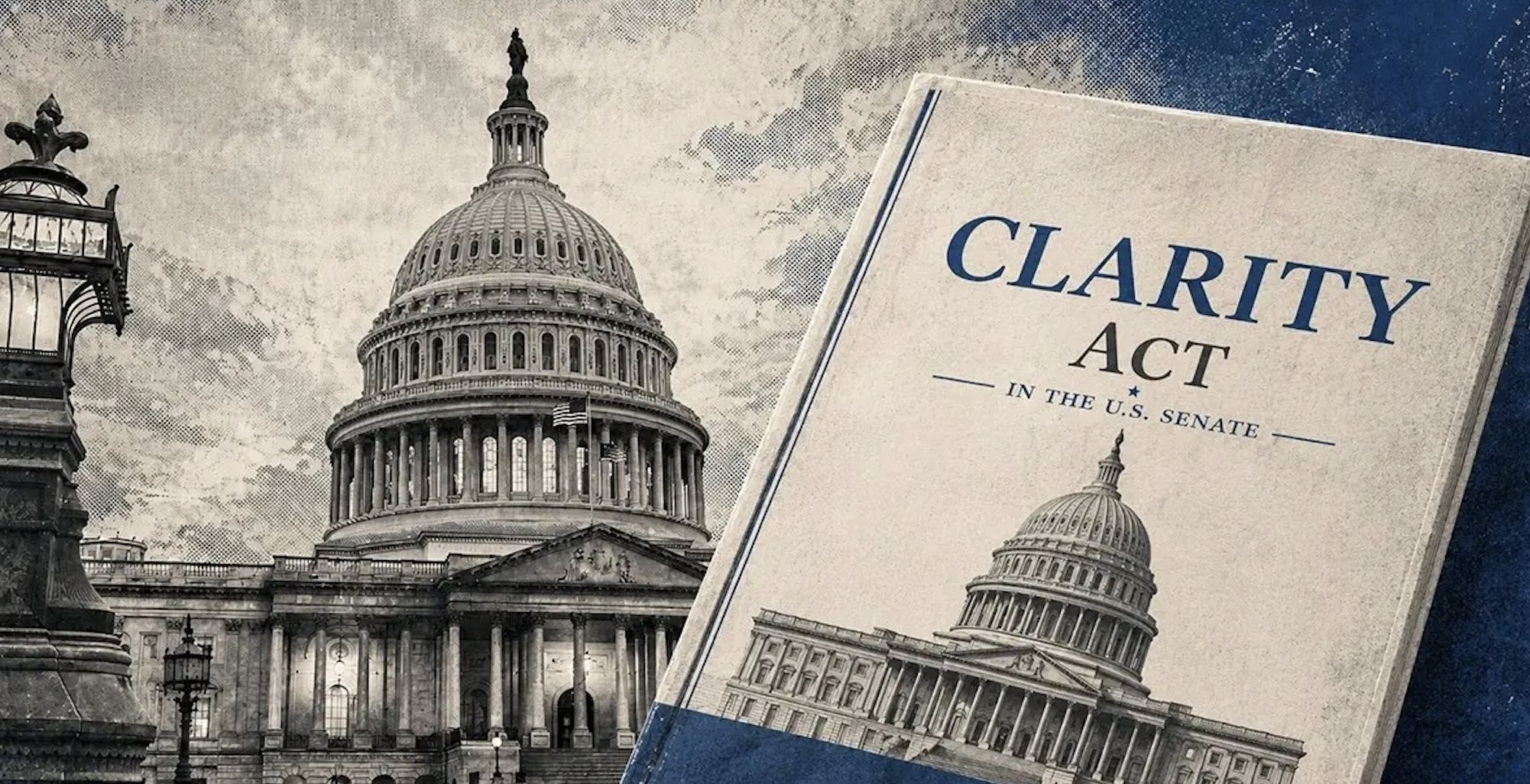
On September 15, the U.S. Senate welcomed a key procedural vote on the digital asset market structure bill, the “CLARITY Act.”
Despite strong pressure from the White House and the Trump administration, and the emergency release over the weekend of a revised 630-page draft (making adjustments to certain DeFi protocols and regulatory assignments) in an attempt to break the deadlock, the bill still faces heavy resistance across party lines and at the state level.
On the eve of the vote, a group of 18 bipartisan state attorneys general led by New York State Attorney General Letitia James jointly sent a letter strongly questioning provisions in the draft as being vague and potentially weakening each state’s enforcement authority to combat financial fraud. Democrats also continue to press on ethical controversies surrounding the President’s family’s crypto-related interests and the breadth of regulatory coverage, leaving the political consensus needed to advance the bill in the Senate highly fragile.
Market forecasts and industry observers indicate that the probability of finalizing the legislation within the year remains low—around 20% to 40%.
As a result, the cryptocurrency market has not mindlessly celebrated the procedural vote. After pushing up, Bitcoin has entered a cautious stalemate near $78,000, with capital remaining highly on guard over whether Washington will face further “setbacks” or whether the matter may be substantively shelved.
On September 15, the U.S. Senate welcomed a key procedural vote on the digital asset market structure bill, the “CLARITY Act.”
Despite strong pressure from the White House and the Trump administration, and the emergency release over the weekend of a revised 630-page draft (making adjustments to certain DeFi protocols and regulatory assignments) in an attempt to break the deadlock, the bill still faces heavy resistance across party lines and at the state level.
On the eve of the vote, a group of 18 bipartisan state attorneys general led by New York State Attorney General Letitia James jointly sent a letter strongly questioning provisions in the draft as being vague and potentially weakening each state’s enforcement authority to combat financial fraud. Democrats also continue to press on ethical controversies surrounding the President’s family’s crypto-related interests and the breadth of regulatory coverage, leaving the political consensus needed to advance the bill in the Senate highly fragile.
Market forecasts and industry observers indicate that the probability of finalizing the legislation within the year remains low—around 20% to 40%.
As a result, the cryptocurrency market has not mindlessly celebrated the procedural vote. After pushing up, Bitcoin has entered a cautious stalemate near $78,000, with capital remaining highly on guard over whether Washington will face further “setbacks” or whether the matter may be substantively shelved.

光明社区-阿波罗
·
--
Rushing to mountains and seas, collecting every inch of light, letting beauty happen naturally in the scenery.
Chase mountains and shores, capture every ray, let beauty unfold naturally.
Chase mountains and shores, capture every ray, let beauty unfold naturally.


周周1688
·
--
Good morning💗
$BNB 🧧
The best way to live is to know how to accept its difficulties
And to be grateful for the warmth that time has bestowed!
#1688家族family
$BNB 🧧
The best way to live is to know how to accept its difficulties
And to be grateful for the warmth that time has bestowed!
#1688家族family


BLOCK Rayne
·
--
A BIG gift 🎁 from me to our amazing community. ❤️
Claim your $DOGE reward and enjoy!
Hurry up, everyone! 🔥
Claim your $DOGE reward and enjoy!
Hurry up, everyone! 🔥


白鲨观点马来西亚
·
--
$38 billion flows into ETFs over three weeks, Strategy buys the dip at $80,000—what are institutions betting on?
Two sets of data put together are especially interesting:
On one side, retail investors are panicking:
Nonfarm payrolls beat expectations → interest rate hike odds at 60% → “Is the bull market gone?”
On the other side, institutions are buying:
BTC ETF net inflows of $3.8 billion over three weeks—its strongest consecutive inflow streak of the year;
After pausing for two months, Strategy re-enters the market—buying at an average price of $80,000 for 4,603 BTC.
It’s like two neighbors:
One worries whether it’ll rain tomorrow, while the other has already stockpiled food.
In fact, the institutions’ logic is pretty straightforward:
Short-term noise doesn’t change the long-term trend—whether rates are raised is a monthly variable, while BTC institutionalization is a year-scale variable. $80,000 is a build-the-position zone, not a top-chasing exit zone. Compared with the ATH of $126,000, we’re still about halfway up the mountain. ETF flows are “dumb money”—once it comes in, it usually doesn’t leave easily. This is long-term core positioning.
But let me remind you of one thing:
Institutional buying ≠ the bull run starts immediately. Institutional accumulation is a process—it may take weeks or even months to play out.
Retail investors are most likely to die during the “institutions are buying, so why isn’t it going up?” impatience phase.
It’s like planting crops—you can’t dig them up every day just to see whether they’ve sprouted.
I compiled an “Institutional Holdings Watchlist,” including daily ETF inflows, Strategy holdings, and changes in whale addresses.
Send two characters—“机构” (institutions)—in my chat room to get it. Updated weekly.
Do you think this round of institutional buying is really smart, or are they just catching the bag? Let’s discuss in the comments.
#BinanceSquare #bitcoin #BTCETF #institutional holdings
Two sets of data put together are especially interesting:
On one side, retail investors are panicking:
Nonfarm payrolls beat expectations → interest rate hike odds at 60% → “Is the bull market gone?”
On the other side, institutions are buying:
BTC ETF net inflows of $3.8 billion over three weeks—its strongest consecutive inflow streak of the year;
After pausing for two months, Strategy re-enters the market—buying at an average price of $80,000 for 4,603 BTC.
It’s like two neighbors:
One worries whether it’ll rain tomorrow, while the other has already stockpiled food.
In fact, the institutions’ logic is pretty straightforward:
Short-term noise doesn’t change the long-term trend—whether rates are raised is a monthly variable, while BTC institutionalization is a year-scale variable. $80,000 is a build-the-position zone, not a top-chasing exit zone. Compared with the ATH of $126,000, we’re still about halfway up the mountain. ETF flows are “dumb money”—once it comes in, it usually doesn’t leave easily. This is long-term core positioning.
But let me remind you of one thing:
Institutional buying ≠ the bull run starts immediately. Institutional accumulation is a process—it may take weeks or even months to play out.
Retail investors are most likely to die during the “institutions are buying, so why isn’t it going up?” impatience phase.
It’s like planting crops—you can’t dig them up every day just to see whether they’ve sprouted.
I compiled an “Institutional Holdings Watchlist,” including daily ETF inflows, Strategy holdings, and changes in whale addresses.
Send two characters—“机构” (institutions)—in my chat room to get it. Updated weekly.
Do you think this round of institutional buying is really smart, or are they just catching the bag? Let’s discuss in the comments.
#BinanceSquare #bitcoin #BTCETF #institutional holdings


逐浪字母哥
·
--
🛫🎉🪅🦁🧧🎁
Share + comment $ETH
Just share and you’ll receive a gift—good luck starts now $BTC
Share + comment $ETH
Just share and you’ll receive a gift—good luck starts now $BTC


Flora Firdos
·
--
💰 WHO’S READY FOR FREE $USDT ? 🎉
A little giveaway for the crypto community! 🎁🔥
To participate:
💬 Drop 999 in the comments
❤️ Hit Like
🔄 Repost & share
➕ Follow the account
That’s it! Get involved and don’t miss your chance. 🚀👀
Good luck, everyone! 💸🤞
#USDT #CryptoGiveaway #AirdropAlert #USDTfree
A little giveaway for the crypto community! 🎁🔥
To participate:
💬 Drop 999 in the comments
❤️ Hit Like
🔄 Repost & share
➕ Follow the account
That’s it! Get involved and don’t miss your chance. 🚀👀
Good luck, everyone! 💸🤞
#USDT #CryptoGiveaway #AirdropAlert #USDTfree


慢就是快Mike
·
--
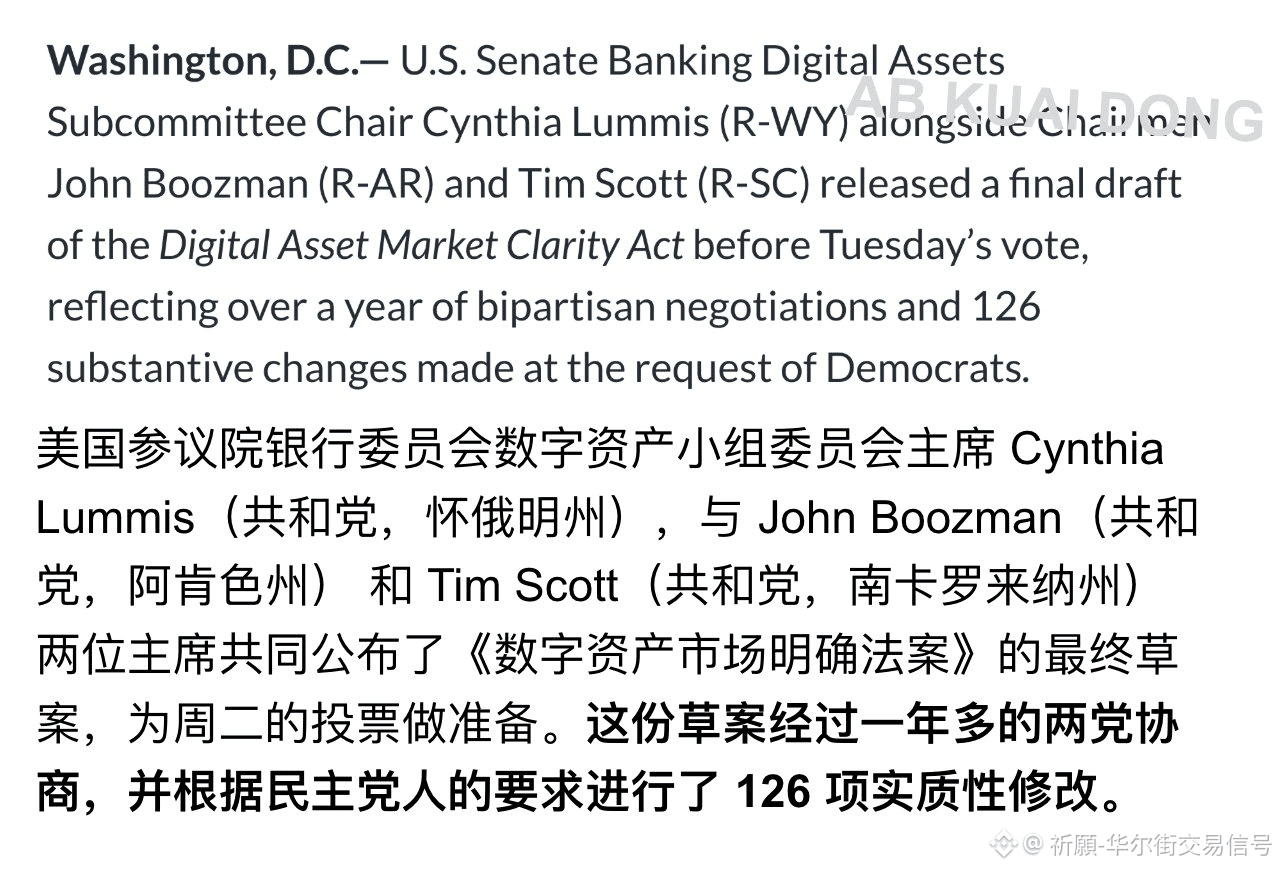
$BTC Long-awaited clear bill vote is officially scheduled for tomorrow
If passed → Bitcoin will surge
If vetoed → Bitcoin will surge
No matter what, the bull market will come!
If passed → Bitcoin will surge
If vetoed → Bitcoin will surge
No matter what, the bull market will come!

Lily雪莉呀
·
--
Everything turns back in its own way; when we feel the aftertaste is bitter, please believe that everything will eventually become sweet.


晚风Vesper_1688
·
--
☀️Savoring tea by the still lake, beginning today’s reflections in the gentle breeze 🍃
Let the tea steep slowly—investing is also about gradual accumulation and long-term growth 📊.
Market fluctuations come and go; there’s no need to rush to seize every opportunity 🕊️.
Stay composed within, calmly distinguish market signals ✨.
Don’t blindly follow the noise; stick to your own trading logic and risk-control bottom line 💎.
Deepen your understanding, wait for the right moment—time will reward steadfast commitment 🌿
May fellow travelers keep a calm heart, and move steadily toward far-reaching goals ❤️
#交易心理
#比特币涨1.64%突破78000美元
#1688家族family
Let the tea steep slowly—investing is also about gradual accumulation and long-term growth 📊.
Market fluctuations come and go; there’s no need to rush to seize every opportunity 🕊️.
Stay composed within, calmly distinguish market signals ✨.
Don’t blindly follow the noise; stick to your own trading logic and risk-control bottom line 💎.
Deepen your understanding, wait for the right moment—time will reward steadfast commitment 🌿
May fellow travelers keep a calm heart, and move steadily toward far-reaching goals ❤️
#交易心理
#比特币涨1.64%突破78000美元
#1688家族family


楠楠nannan势不可挡
·
--
🧧🧧🧧🧧🧧🧧🧧🧧🧧🧧🧧
Don’t envy other people’s brilliance—everyone has hardships they don’t let others see. Accept your own ordinariness, steady your mind, and simply make the most of each day in front of you is enough. $BNB
Don’t envy other people’s brilliance—everyone has hardships they don’t let others see. Accept your own ordinariness, steady your mind, and simply make the most of each day in front of you is enough. $BNB


只会呐喊的尖刀手
·
--
【Product Name】Today’s Limited Edition·You
【Production Date】The moment you wake up this morning
【Ingredients】Sunlight, a gentle breeze, and a little stubbornness
【Indications】Specifically treats being unhappy, having no spirit, and wanting to just lie down and do nothing
【Directions】Use anytime, all day long—refill your “good mood” whenever you need it
【Precautions】Avoid using it together with “negative energy.” Do not suppress your frustrations on an empty stomach
【Shelf Life】Only valid for today. Please switch to the new version tomorrow
—Please store it properly; you are the limited edition.🏷️💖
【Production Date】The moment you wake up this morning
【Ingredients】Sunlight, a gentle breeze, and a little stubbornness
【Indications】Specifically treats being unhappy, having no spirit, and wanting to just lie down and do nothing
【Directions】Use anytime, all day long—refill your “good mood” whenever you need it
【Precautions】Avoid using it together with “negative energy.” Do not suppress your frustrations on an empty stomach
【Shelf Life】Only valid for today. Please switch to the new version tomorrow
—Please store it properly; you are the limited edition.🏷️💖


橙子Joyce
·
--
BullishWill the Federal Reserve raise rates as expected this week? Wall Street is debating: will it end the U.S. stock bull market?
After an unexpectedly strong U.S. CPI report came out last Friday, traders generally expect the Federal Reserve to begin raising rates at this week’s policy meeting—marking the first rate hike in more than three years.
Historically, previous rounds of rate hikes have offered a reference point for today’s market. Based on past experience (though history of course can’t guarantee the future), U.S. stocks may first weaken, then rebound.
Among the six tightening cycles since 1994, during the first four months after the rate-hike cycle began, the S&P 500’s average return was negative.
This suggests that once the “rate-hike shoe” drops, U.S. stocks may look lackluster through the beginning of next year.
As of the close last Friday, the benchmark U.S. equity index, the S&P 500, is up nearly 12% year to date. Strong corporate earnings and a fairly resilient economy have provided solid support for bulls in the stock market.
If you extend the time horizon, the S&P 500’s performance tends to improve gradually: in the 12 months after the start of a rate-hiking cycle, the index’s average return is close to 7%, with a median return of about 11%. (Using median-based statistics helps remove distortions from extreme outliers—for example, the index surged more than 40% after hikes began in March 1997.)
If the Federal Reserve implements a rate hike this Wednesday, it will be the first hike since July 2023—when the Fed raised rates to a range of 5.25% to 5.50%.
Currently, the federal funds rate in the U.S. is at 3.50% to 3.75%. According to the CME Group’s FedWatch tool, futures traders currently assign an 86% probability to a 25-basis-point hike this week.
One positive factor for the market is that mega-scale cloud service providers are still driving growth in excess returns through large-scale AI spending. The S&P 500 component stocks’ forecast for earnings growth in 2027 is expected to reach double digits. If the outlook for AI spending remains unchanged, it may be enough to offset any cooling in optimistic sentiment caused by the rate hikes.
Another bright spot for equities is that although inflation remains sticky, it appears to be slowing. The inflation rate has fallen from a May peak of 4.2%. This should allow the Federal Reserve to take a more gradual approach, and the data shows that the pace of rate hikes is crucial for stock performance—slower pacing gives investors more time to absorb policy changes!
$BZ
$CL
Energy
After an unexpectedly strong U.S. CPI report came out last Friday, traders generally expect the Federal Reserve to begin raising rates at this week’s policy meeting—marking the first rate hike in more than three years.
Historically, previous rounds of rate hikes have offered a reference point for today’s market. Based on past experience (though history of course can’t guarantee the future), U.S. stocks may first weaken, then rebound.
Among the six tightening cycles since 1994, during the first four months after the rate-hike cycle began, the S&P 500’s average return was negative.
This suggests that once the “rate-hike shoe” drops, U.S. stocks may look lackluster through the beginning of next year.
As of the close last Friday, the benchmark U.S. equity index, the S&P 500, is up nearly 12% year to date. Strong corporate earnings and a fairly resilient economy have provided solid support for bulls in the stock market.
If you extend the time horizon, the S&P 500’s performance tends to improve gradually: in the 12 months after the start of a rate-hiking cycle, the index’s average return is close to 7%, with a median return of about 11%. (Using median-based statistics helps remove distortions from extreme outliers—for example, the index surged more than 40% after hikes began in March 1997.)
If the Federal Reserve implements a rate hike this Wednesday, it will be the first hike since July 2023—when the Fed raised rates to a range of 5.25% to 5.50%.
Currently, the federal funds rate in the U.S. is at 3.50% to 3.75%. According to the CME Group’s FedWatch tool, futures traders currently assign an 86% probability to a 25-basis-point hike this week.
One positive factor for the market is that mega-scale cloud service providers are still driving growth in excess returns through large-scale AI spending. The S&P 500 component stocks’ forecast for earnings growth in 2027 is expected to reach double digits. If the outlook for AI spending remains unchanged, it may be enough to offset any cooling in optimistic sentiment caused by the rate hikes.
Another bright spot for equities is that although inflation remains sticky, it appears to be slowing. The inflation rate has fallen from a May peak of 4.2%. This should allow the Federal Reserve to take a more gradual approach, and the data shows that the pace of rate hikes is crucial for stock performance—slower pacing gives investors more time to absorb policy changes!
$BZ
$CL
Energy

静心1688
·
--
💥Be content and you will not be humiliated. Know when to stop and you will not be endangered. You can then endure for a long time.
💥Explanation: When you know how to be content, you will not suffer disgrace; when you know to stop at the right point, you will not run into danger—so you can remain stable and secure for a long time.
#美联储加息概率升至89% #AnthropicCEO呼吁放缓AI发展
💥Explanation: When you know how to be content, you will not suffer disgrace; when you know to stop at the right point, you will not run into danger—so you can remain stable and secure for a long time.
#美联储加息概率升至89% #AnthropicCEO呼吁放缓AI发展

Log in to explore more content