

Based on observations and personal views from Nothing Research Partner 0xTodd, the following content does not constitute any investment advice.
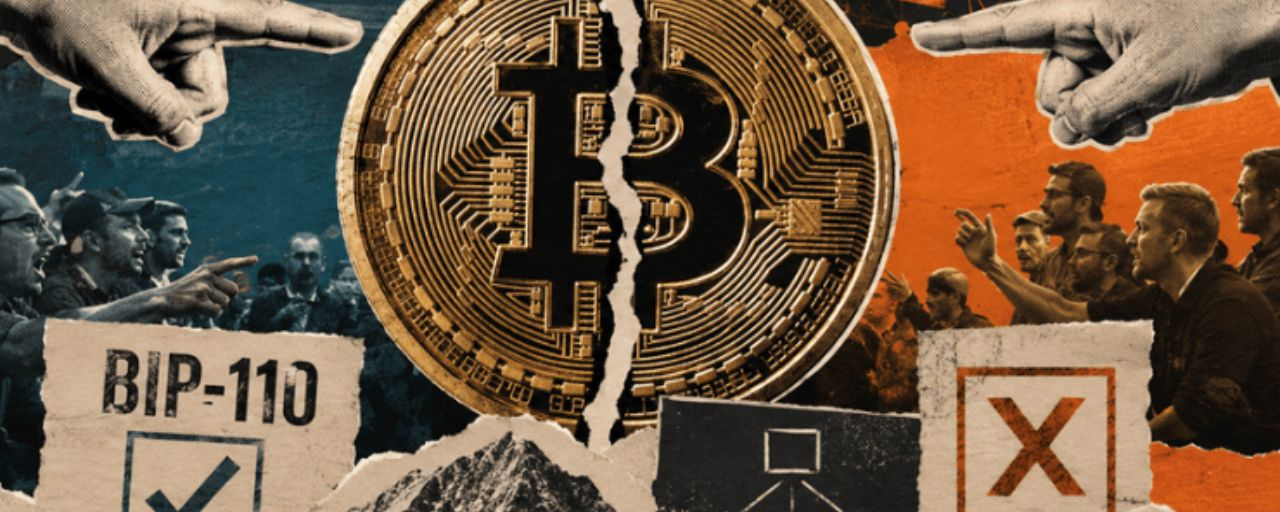
Recently, discussions in the Bitcoin community about BIP-110 have heated up again. On this occasion, I’ll share the background and context of the new Bitcoin proposal BIP-110, and why I mildly oppose BIP-110.
It all starts with inscriptions. Inscriptions cram a large amount of text, images, even videos into the Bitcoin blockchain. The extreme conservative camp, represented by Luke Dashjr, believes this is putting garbage into a pure Bitcoin network—so they are extremely hostile toward inscriptions.
In contrast, the Bitcoin Core team seems to have some sympathy toward inscriptions. Especially in the Core v30 client, it simply loosened the transaction forwarding in the op-return area and the miner template policy, raising it from 83 bytes in the past to 100,000 bytes.
This means the Core team is “standardizing” on-chain data storage, or making it officially supported.
The extreme conservative camp completely broke down. With their coalition, they introduced the main character we’ll discuss today: BIP-110.
The core point of BIP-110 is: within the next year, new output limits will be 34 bytes (op-return 83 bytes), data insertion limits will be 256 bytes, etc., completely rejecting inscriptions, BRC-20, and cracking down hard on Runes and other “odd, deviant practices.”
They expect a miner voting threshold of 55%, but in reality it’s only around 1% right now.
But that doesn’t mean a soft fork won’t happen if it doesn’t reach 55%.
If the miners’ support rate is below 55%, then follow UASF (User Activated).
Back then, SegWit used the UASF play to successfully pressure miners into agreeing.
BIP-110: at the specified time, if the threshold isn’t reached, it will be enforced.
Although the official author of BIP-110 is Dathon Ohm, I believe that the force behind it is the Luke/Knot/Ocean camp, so they have some influence.
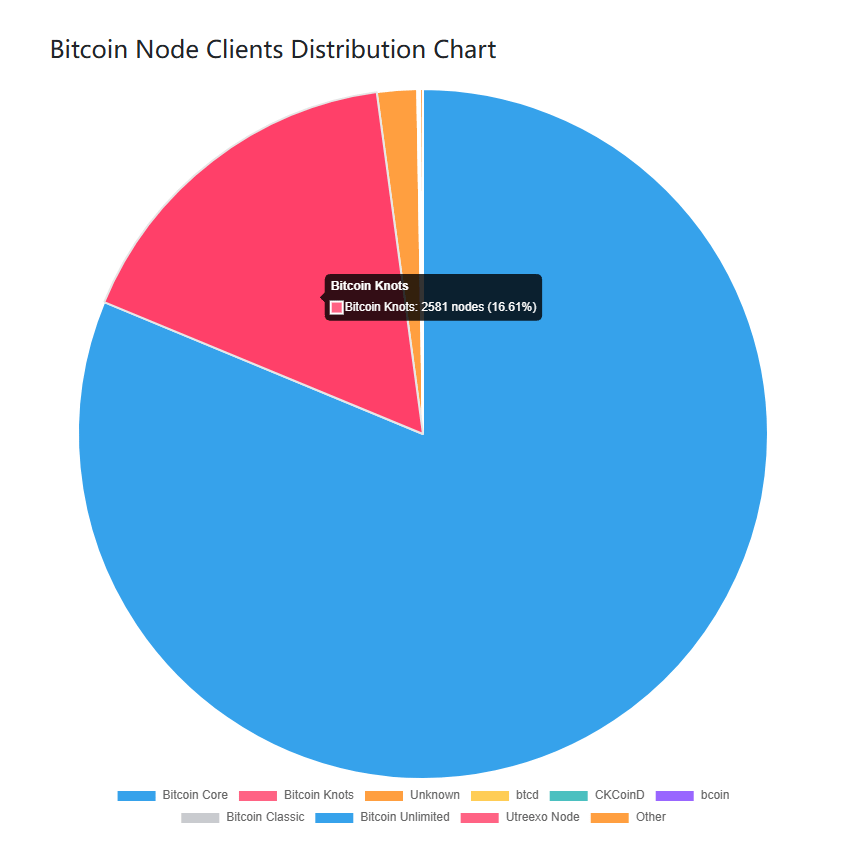
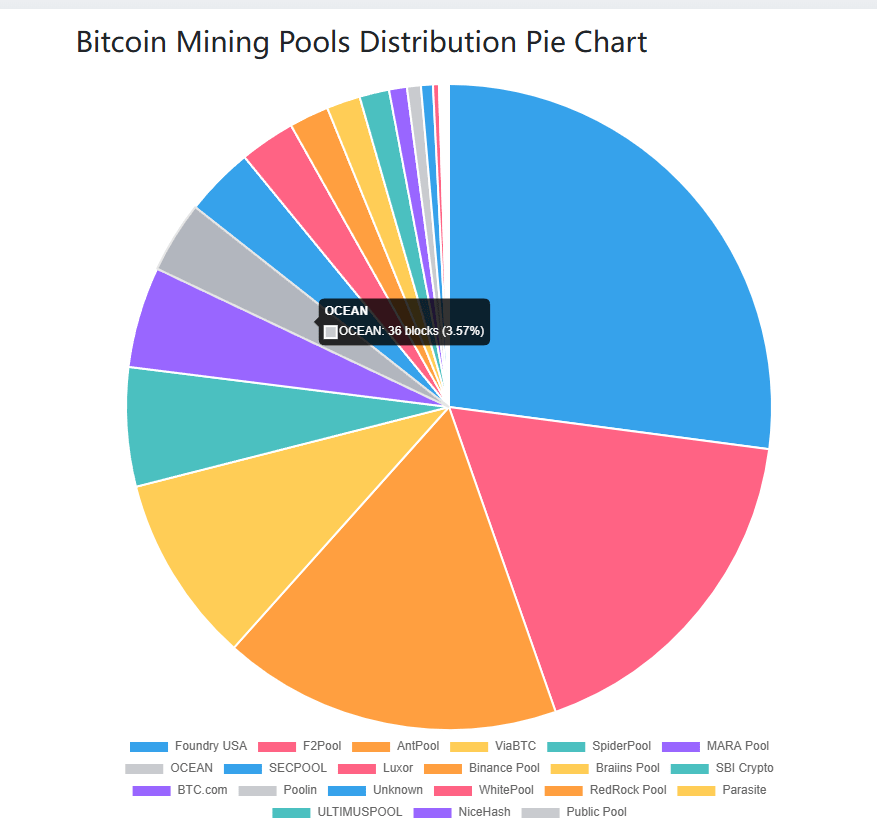
According to Bitref statistics, as of today, the Knot client ranks 2nd in market share, and the Ocean mining pool ranks 7th in hash rate.
After it becomes mandatory, Knot/Ocean and other scattered supporters will adopt this rule and completely reject inscriptions.
However, given the current 1% support rate, this probably won’t affect normal inscription usage—at most, there may be occasional delays.
Also, unless exchanges make a statement, it’s unlikely there will be any forked coins.
Finally, let me share my view. I’m a Bitcoin fundamentalist, so I can understand the feelings of the BIP-110 supporters. But I’m also a pragmatist.
A researcher from Duke University calculated the current weekly cost to attack Bitcoin is $6 billion.
Not too high, not too low—but what about after the next halving?
If we want Bitcoin to maintain a high enough security threshold even after several halvings, we must ensure miners have sufficient income.
Bitcoin needs to survive first, and only then can there be room for pure purism and fundamentalism.
Inscriptions, although they aren’t popular anymore, have undoubtedly brought miners extra revenue—especially after multiple future halvings. This extra fee will become a major boost.
First talk about survival, then talk about faith.
So, although I understand them, I still gently oppose BIP-110 being deployed stubbornly on its own.