


The market currently looks calm 😴, at times even inert.
However, such phases often precede movement rather than cancel it ⚡️
There are reasons to expect that on January 3rd the market may switch to an impulse mode, and here is the logic of this scenario 👇
⸻
1️⃣ Return of liquidity 💧
From the end of December to January 1, activity on most exchanges is minimal 🏖️
Funds, prop desks, and large participants either close the year 📕 or operate in a truncated mode.
Starting from January 2–3, gradually:
• trading volumes return
• algorithms are activated
• institutional participants are included 🔄
The market becomes fully liquid again 🫀📈
⸻
2️⃣ Synchronization of exchanges 🔗
When liquidity returns simultaneously on several platforms,
movement often takes on a directional nature ➡️⬆️⬇️
Such impulses:
• rarely start sharply ⏳
• but usually have continuation 📐📊
• formed through the acceptance of levels, rather than through a single spike
⸻
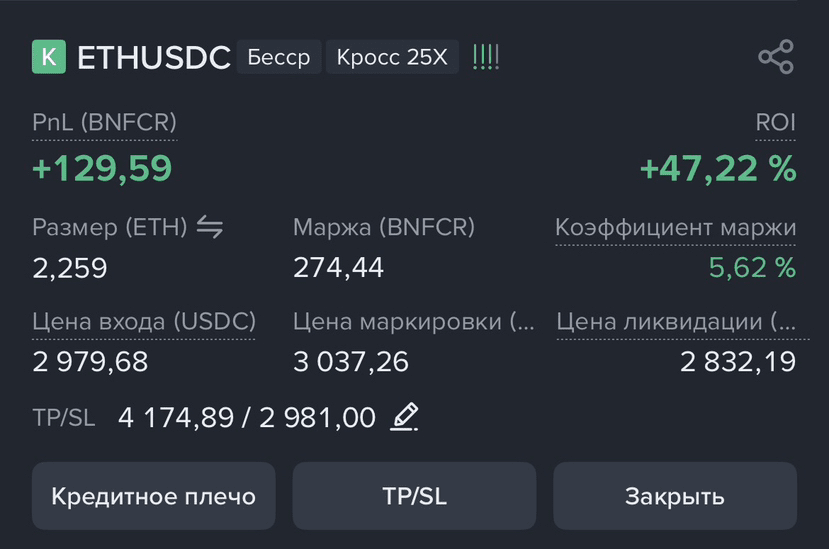
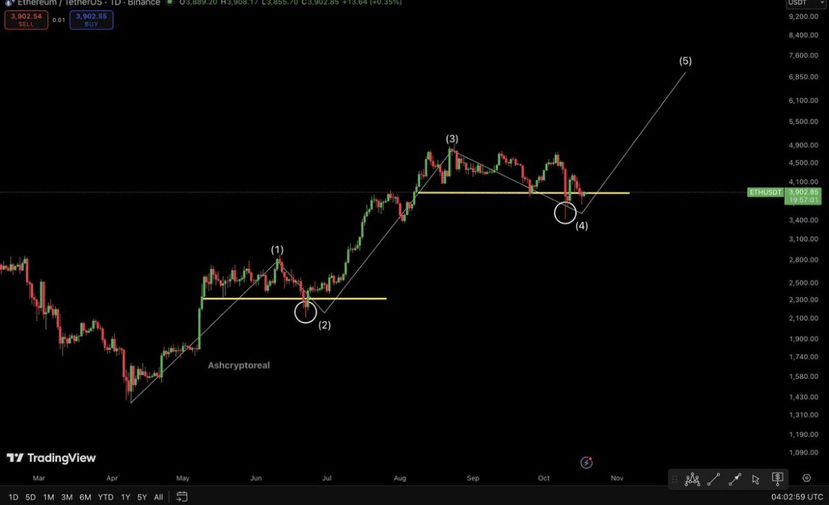 $ETH 3️⃣ Psychology of the beginning of the year 🧠🎯
The beginning of the year is traditionally accompanied by:
• portfolio rebalancing ⚖️
• updating risk limits 🛑
• the formation of new positions and expectations 💡
This is not a guarantee of growth 🚫📈
but a factor that increases the likelihood of movement after a flat phase or range compression 🗜️
⸻
The main thing about the structure 🔍
The market rarely starts moving at the moment when a 'loud start' is expected 📢
More often — after silence 🤫, when expectations are minimal.
The key is not the calendar, but:
• structure 🧱
• liquidity 💧
• price behavior 👣
For now:
• key levels are held 🔑
• there is no aggressive selling pressure 🐻
the impulse scenario remains relevant ✅
⸻
The market will show everything itself ⏳📉📈
⚠️ This is not financial advice.
The material reflects an analysis of the structure and logic of risk management 🛡️
It will be interesting to see alternative scenarios and arguments in the comments 🌞