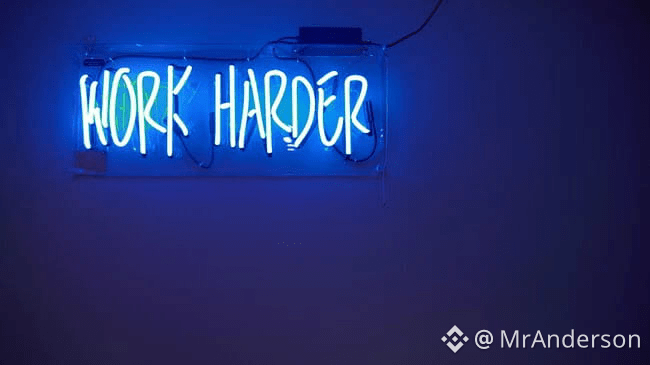
AI brings more tension: employees want to work less because AI helps. CEOs demand that people be machines without rest.
Under the pretext of productivity, CEOs increasingly demand more hours. Meanwhile, people hope that AI will reduce the hours of their tasks.
The balance between work and personal life vs the 996 workdays that many AI companies are demanding both in the United States and Europe.
There is a significant gap between what employees have started to appreciate over time and what managers are demanding from their workers under the threat that artificial intelligence may take away their jobs.
And new data brings this reality to light. According to Randstad, 74% of Generation Z believes that the balance between work and personal life is one of the main considerations when choosing a job in 2025, the highest percentage of all generations.
According to Fortune, in 20 years of producing its Workmonitor report, it is the first time that the balance between work and personal life surpasses salary as the main factor for all workers.
At Genbeta, we have already collected other reports that show similar trends.
The consulting firm Deloitte stated in a 2023 report that youth "has a totally unique perspective on professional careers and how to define success in life and in the working world" compared to older generations.
And the report stated that "their priorities are to find a balance between work and personal life but also for their work to have a sense of purpose and to be able to learn and acquire new skills".
The ambitions of workers... and AI
But... all this clashes with another reality.
As AI has reshaped corporate structures, many executives claim they work harder than ever and expect everyone else to follow their example.
Under the pretext of productivity, CEOs increasingly demand more hours. Meanwhile, people hope that AI will reduce the hours of their tasks.
The balance between work and personal life vs the 996 workdays that many AI companies are demanding both in the United States and Europe.
There is a significant gap between what employees have started to appreciate over time and what managers are demanding from their workers under the threat that artificial intelligence may take away their jobs.
And new data brings this reality to light. According to Randstad, 74% of Generation Z believes that the balance between work and personal life is one of the main considerations when choosing a job in 2025, the highest percentage of all generations.
According to Fortune, in 20 years of producing its Workmonitor report, it is the first time that the balance between work and personal life surpasses salary as the main factor for all workers.
At Genbeta, we have already collected other reports that show similar trends.
The consulting firm Deloitte stated in a 2023 report that youth "has a totally unique perspective on professional careers and how to define success in life and in the working world" compared to older generations.
And the report stated that "their priorities are to find a balance between work and personal life but also for their work to have a sense of purpose and to be able to learn and acquire new skills".
The ambitions of workers... and AI
But... all this clashes with another reality.
As AI has reshaped corporate structures, many executives claim they work harder than ever and expect everyone else to follow their example.