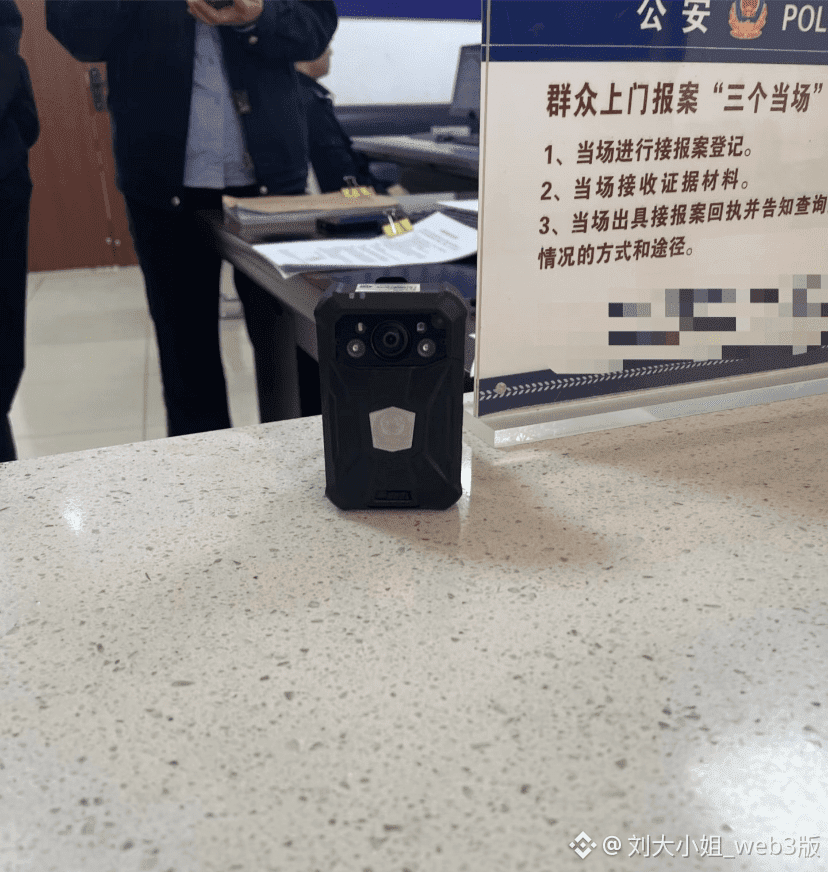
Friends playing U should pay attention. In case you are called to cooperate with an investigation one day, don't panic. Generally speaking, there are mainly three key points to be aware of, think them through in advance so that you can respond well when the time comes.
The first question often asked is: “Do you know that virtual currency is not protected by law?”
At this point, don't be confused. What this means is: normal transactions are not interfered with, but once it involves fraud or theft, the law finds it difficult to help you recover your losses. So just be clear that you are aware of this risk and are willing to take responsibility.
The core of the second question often lies in: “If the funds received are involved in a case, why do you have to return them?”
This step is not about bargaining with you, but following the prescribed process. As long as it is proven that the money transferred to your account is dirty money, you must cooperate with the handling. How much to return and how to return it actually has room for negotiation; you can try to discuss with the case handlers or even the victims. Once an agreement is reached, your card may be unfrozen, but resisting is not beneficial.
The third question that everyone is most concerned about is: “Will there be a record if I don’t cooperate? Can I use other bank cards?”
As long as you cooperate, provide complete transaction evidence, and can clearly explain that the source of the funds is legal, generally there won’t be a record left, and other cards will not be affected. But you need to distinguish between two situations:
If classified as a first-level involved card, then all your accounts may be implicated, essentially all cards.
If it’s only a second-level involvement, usually only this one card is frozen, and other cards can be used normally.
In short, a reminder: playing U operates in a gray area, don’t treat it as ordinary online shopping. Every transaction must clarify who the other party is and where the money comes from. Remember: money with unclear sources, no matter how tempting, should not be accepted. Don't risk your accounts and reputation for a little profit; it’s really not worth it.
$BTC
The first question often asked is: “Do you know that virtual currency is not protected by law?”
At this point, don't be confused. What this means is: normal transactions are not interfered with, but once it involves fraud or theft, the law finds it difficult to help you recover your losses. So just be clear that you are aware of this risk and are willing to take responsibility.
The core of the second question often lies in: “If the funds received are involved in a case, why do you have to return them?”
This step is not about bargaining with you, but following the prescribed process. As long as it is proven that the money transferred to your account is dirty money, you must cooperate with the handling. How much to return and how to return it actually has room for negotiation; you can try to discuss with the case handlers or even the victims. Once an agreement is reached, your card may be unfrozen, but resisting is not beneficial.
The third question that everyone is most concerned about is: “Will there be a record if I don’t cooperate? Can I use other bank cards?”
As long as you cooperate, provide complete transaction evidence, and can clearly explain that the source of the funds is legal, generally there won’t be a record left, and other cards will not be affected. But you need to distinguish between two situations:
If classified as a first-level involved card, then all your accounts may be implicated, essentially all cards.
If it’s only a second-level involvement, usually only this one card is frozen, and other cards can be used normally.
In short, a reminder: playing U operates in a gray area, don’t treat it as ordinary online shopping. Every transaction must clarify who the other party is and where the money comes from. Remember: money with unclear sources, no matter how tempting, should not be accepted. Don't risk your accounts and reputation for a little profit; it’s really not worth it.
$BTC