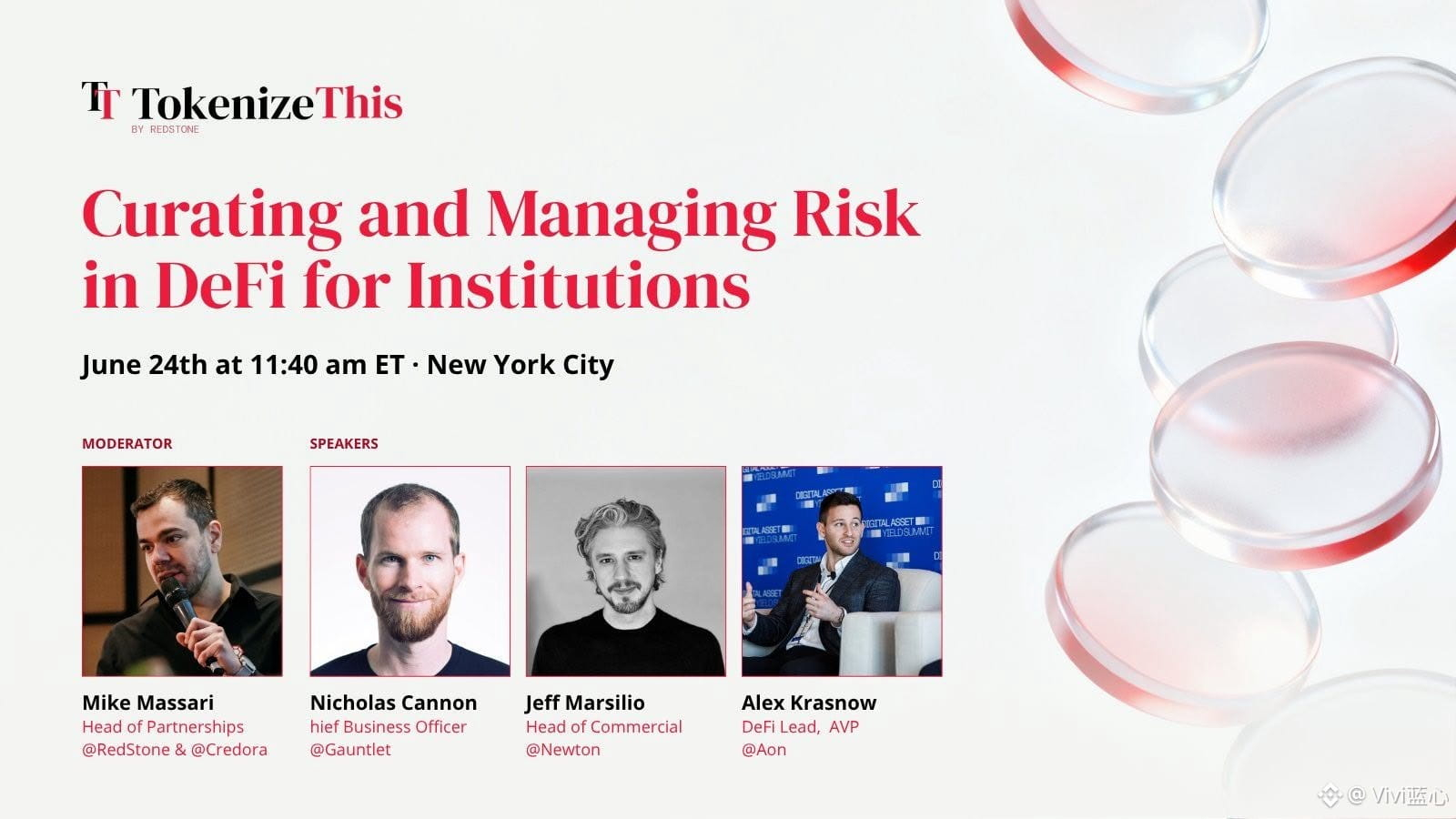
While checking Binance Alpha market updates today, I have to say I was a little surprised. The feedback from a few recent air drops looks noticeably better than before. Before, many projects would mess around for hours, and in the end you’d receive only a couple dozen U; after accounting for the time and gas fees, it basically comes down to buying yourself a cup of coffee. After calming down, a question suddenly came to me: why do some projects let people claim an air drop and then you forget about them, while others make you want to keep researching? Later I realized that what truly leaves an impression isn’t how big the reward is, but whether it actually solves a long-standing problem. That’s also why I’ve been looking back at @NewtonProtocol recently.
After playing around on-chain for a while, you’ll notice a pretty realistic issue: many people talk about decentralization, but when it comes to handing over assets, they still rely on “trusting someone.” Even if the vault rules are beautifully written and the strategy descriptions are professional, in the end, execution still can’t escape the manager’s judgment. When the market is bullish, everyone looks like an expert. But when the market turns, that’s when the influence of human nature really shows up. So I think the VaultKit design in Newton Mainnet Beta is quite interesting—it’s not trying to make people smarter, but to ensure that the rules can actually work as intended.
According to Newton’s official description, VaultKit allows vault rules to be enforced on-chain. It checks whether conditions are met before trade settlement, and generates verifiable signature proofs. Put simply, it used to be: “the rules tell you what you should do,” and now it’s: “the rules decide whether this action can continue.” This distinction is actually very similar to trading stop-loss. Many people don’t not know how important stop-loss is; it’s just that when you reach the critical point, emotions often get in the way—so you need rules to constrain you in advance.
Personally, I think what’s really worth observing about Newton isn’t just its security, but the fact that it’s trying to change the way trust works on-chain. In the past, it was mostly about trusting managers; now it’s starting to try trusting a set of verifiable rules. Of course, the stronger the rules, the higher the certainty—but that could also mean less flexibility. So when I look at $NEWT , I’m not so focused on short-term hype. Instead, I’m thinking about a question: in the future of on-chain asset management, will it continue to rely on human judgment, or will it gradually move toward rule-driven execution? The market has never been short of opportunities—what’s truly scarce is a system that makes people dare to hand over trust. #Newt
After playing around on-chain for a while, you’ll notice a pretty realistic issue: many people talk about decentralization, but when it comes to handing over assets, they still rely on “trusting someone.” Even if the vault rules are beautifully written and the strategy descriptions are professional, in the end, execution still can’t escape the manager’s judgment. When the market is bullish, everyone looks like an expert. But when the market turns, that’s when the influence of human nature really shows up. So I think the VaultKit design in Newton Mainnet Beta is quite interesting—it’s not trying to make people smarter, but to ensure that the rules can actually work as intended.
According to Newton’s official description, VaultKit allows vault rules to be enforced on-chain. It checks whether conditions are met before trade settlement, and generates verifiable signature proofs. Put simply, it used to be: “the rules tell you what you should do,” and now it’s: “the rules decide whether this action can continue.” This distinction is actually very similar to trading stop-loss. Many people don’t not know how important stop-loss is; it’s just that when you reach the critical point, emotions often get in the way—so you need rules to constrain you in advance.
Personally, I think what’s really worth observing about Newton isn’t just its security, but the fact that it’s trying to change the way trust works on-chain. In the past, it was mostly about trusting managers; now it’s starting to try trusting a set of verifiable rules. Of course, the stronger the rules, the higher the certainty—but that could also mean less flexibility. So when I look at $NEWT , I’m not so focused on short-term hype. Instead, I’m thinking about a question: in the future of on-chain asset management, will it continue to rely on human judgment, or will it gradually move toward rule-driven execution? The market has never been short of opportunities—what’s truly scarce is a system that makes people dare to hand over trust. #Newt