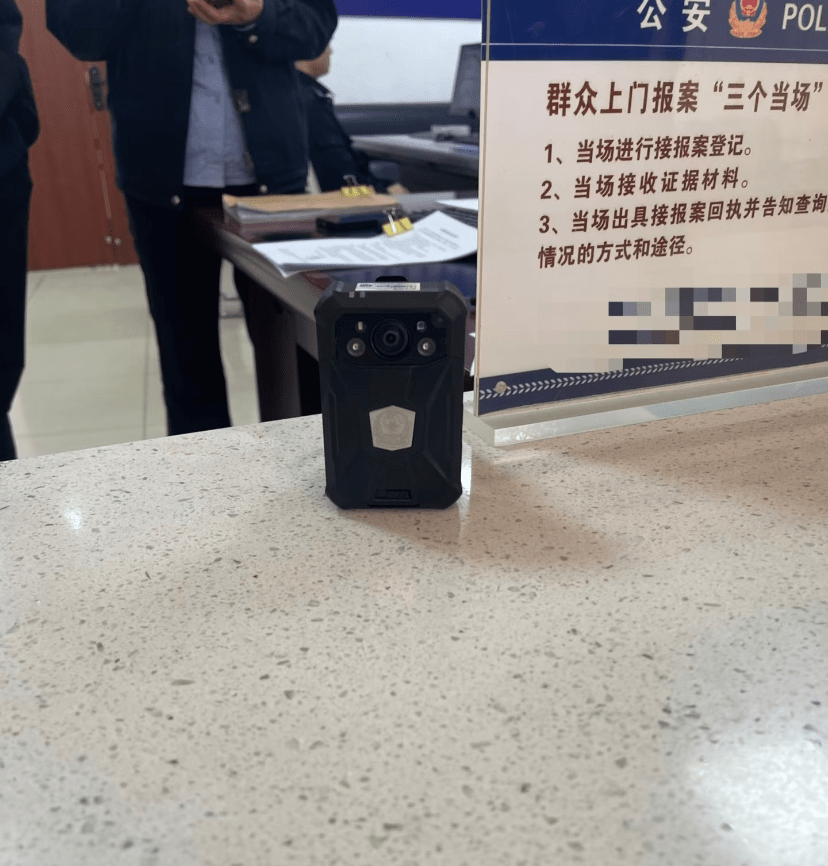
Listen up, my crypto brothers. Just in case you get invited for a 'tea party' one day, don’t panic. Basically, there are three hurdles to be aware of. Think it through in advance, and you'll be more prepared.
The first hurdle is a real wake-up call: "Cryptocurrencies aren’t protected by law, did you know that?"
Don’t let that catch you off guard. This is something you need to view separately. Just because the law doesn’t protect it, doesn’t mean you’re breaking the law. It means that if you’re trading willingly, no one’s gonna step in; but if something goes wrong, like if you get scammed, the cops can’t help you recover your coins. So, just admit it plainly: you’re aware of the risks and you’re willing to shoulder them.
The second hurdle, the core issue: "If the money you received is dirty, why do you have to return it?"
Remember, this isn’t up for negotiation; it’s procedure. Once the money hits your card, if it’s classified as fraud-related funds, you’ll have to follow the process. How much to return and how to do it have some wiggle room. You can negotiate with the other party, or even communicate directly with the victim; as long as you come to an agreement, there’s a chance your card could be unfrozen. Don’t stubbornly resist; it’s pointless.
The third hurdle, the one you care about most: "Will not cooperating leave a mark on my record? Can I still use other cards?"
As long as your attitude is good, and you provide all the necessary materials to prove your funds are clean, usually you won’t get a strike against you, and it won’t affect your other cards. But here’s the key point you need to hear:
Level 1 involved card: This is the worst case; it’s like being blacklisted by both the bank and the police system. All cards under your name could be affected.
Level 2 involved card: The impact is much smaller; mainly it just freezes this particular card. #ETH跌破2000美元
Finally, let me emphasize this:
Trading crypto is like dancing in a gray area; don’t treat it like shopping on Taobao. Regardless of the size of the trade, you need to dig deep into the source of funds and the other party's information. Remember this: never touch money with an unclear origin. Don’t risk your account and reputation for a small profit; that’s where you really lose.
The first hurdle is a real wake-up call: "Cryptocurrencies aren’t protected by law, did you know that?"
Don’t let that catch you off guard. This is something you need to view separately. Just because the law doesn’t protect it, doesn’t mean you’re breaking the law. It means that if you’re trading willingly, no one’s gonna step in; but if something goes wrong, like if you get scammed, the cops can’t help you recover your coins. So, just admit it plainly: you’re aware of the risks and you’re willing to shoulder them.
The second hurdle, the core issue: "If the money you received is dirty, why do you have to return it?"
Remember, this isn’t up for negotiation; it’s procedure. Once the money hits your card, if it’s classified as fraud-related funds, you’ll have to follow the process. How much to return and how to do it have some wiggle room. You can negotiate with the other party, or even communicate directly with the victim; as long as you come to an agreement, there’s a chance your card could be unfrozen. Don’t stubbornly resist; it’s pointless.
The third hurdle, the one you care about most: "Will not cooperating leave a mark on my record? Can I still use other cards?"
As long as your attitude is good, and you provide all the necessary materials to prove your funds are clean, usually you won’t get a strike against you, and it won’t affect your other cards. But here’s the key point you need to hear:
Level 1 involved card: This is the worst case; it’s like being blacklisted by both the bank and the police system. All cards under your name could be affected.
Level 2 involved card: The impact is much smaller; mainly it just freezes this particular card. #ETH跌破2000美元
Finally, let me emphasize this:
Trading crypto is like dancing in a gray area; don’t treat it like shopping on Taobao. Regardless of the size of the trade, you need to dig deep into the source of funds and the other party's information. Remember this: never touch money with an unclear origin. Don’t risk your account and reputation for a small profit; that’s where you really lose.