




On November 10, 1494, Luca Pacioli laid
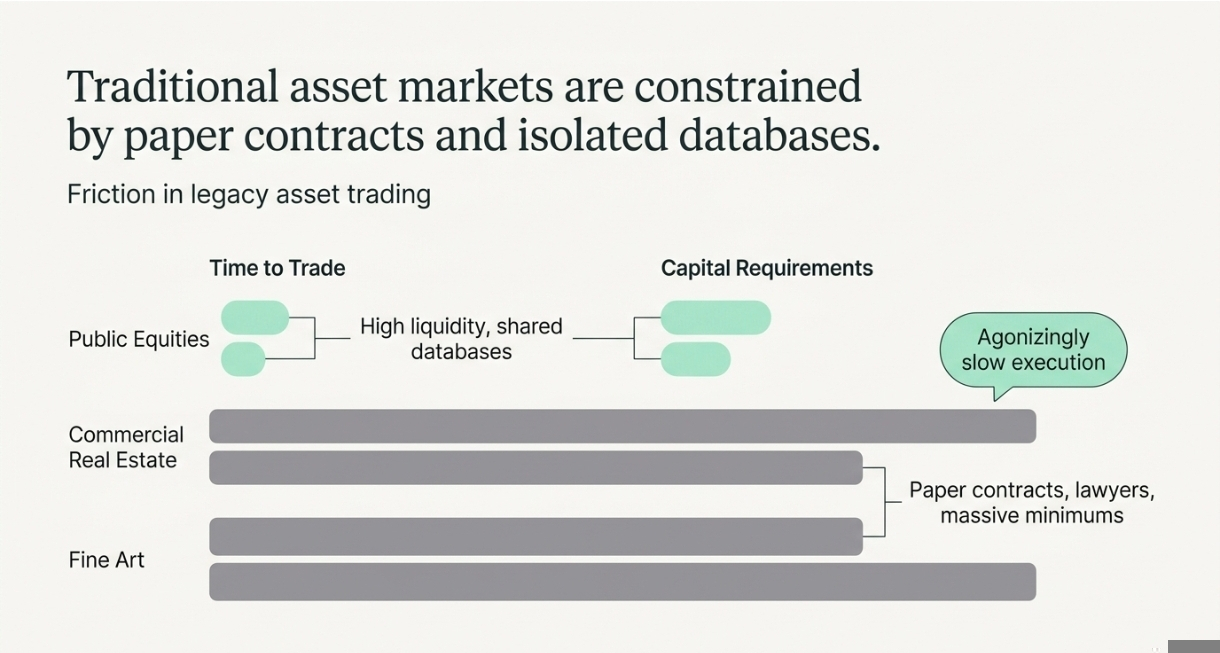
the foundations of the modern financial system. Since then, it has operated on paper contracts and isolated databases. If you want to buy a share of a public company, the process is relatively fast, but, If you want to buy a fraction of a commercial building, or a private credit loan, or a fine art piece, the process is agonizingly slow. These assets are highly illiquid. They require brokers, lawyers, and massive capital minimums to trade.
Real-World Asset tokenization is a technological upgrade that tries to fix this friction. It converts the ownership rights of physical or traditional financial assets into digital tokens recorded on a blockchain. It takes the speed of cryptocurrency and applies it to the heavily regulated world of traditional finance.
But, how does that work? Let's find out.
Assume your company owns a commercial skyscraper worth one hundred million dollars.
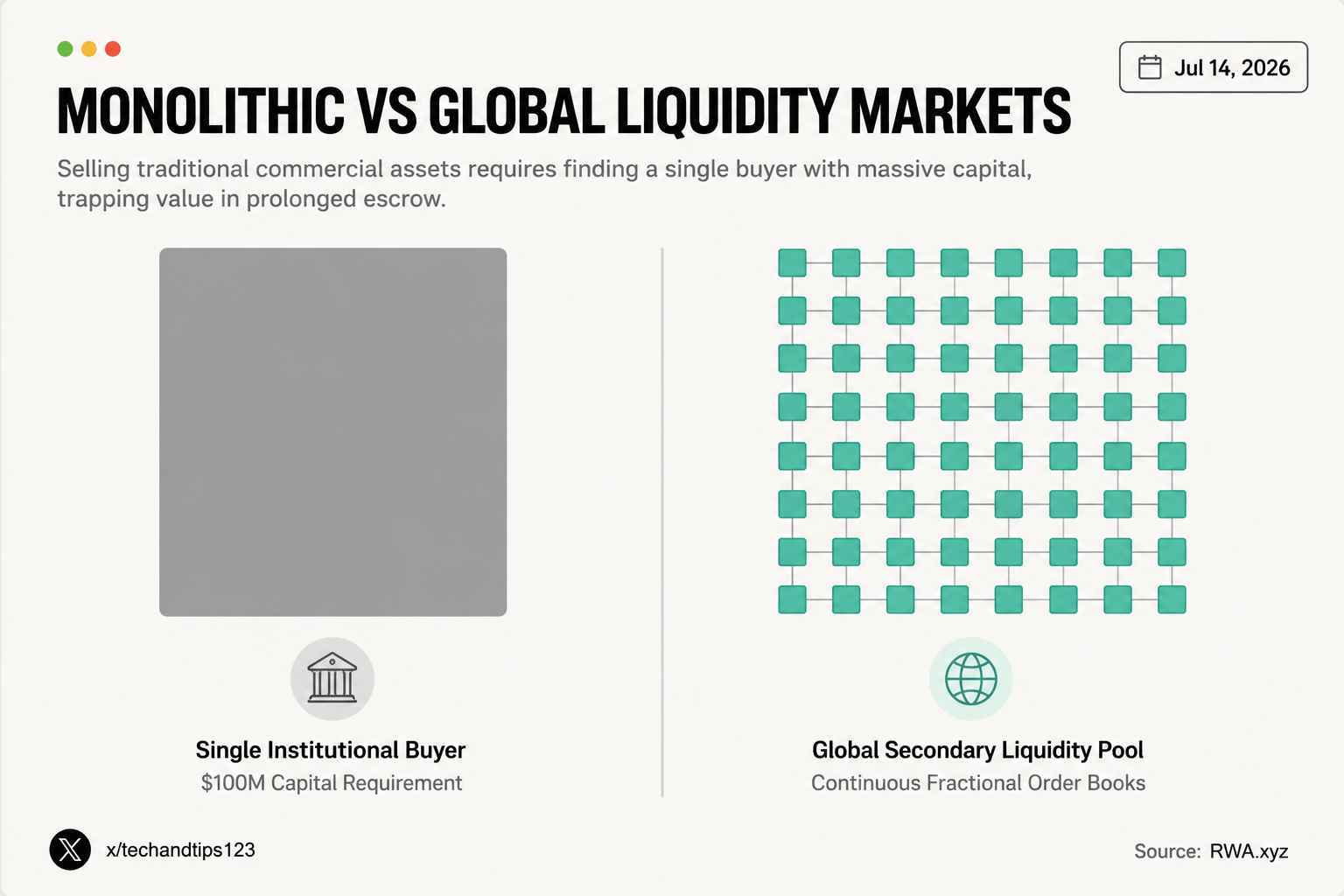
In the traditional market, selling that building requires finding a single buyer with massive capital. The transaction involves months of legal paperwork, escrow accounts, and banking delays. The capital is effectively trapped.
Tokenization changes the basic math of property ownership. Instead of selling the entire building to one entity, your company transfers the official title to a dedicated legal trust. Developers then create one million digital tokens on a blockchain. Each token represents exactly one hundred dollars of equity in that specific trust.
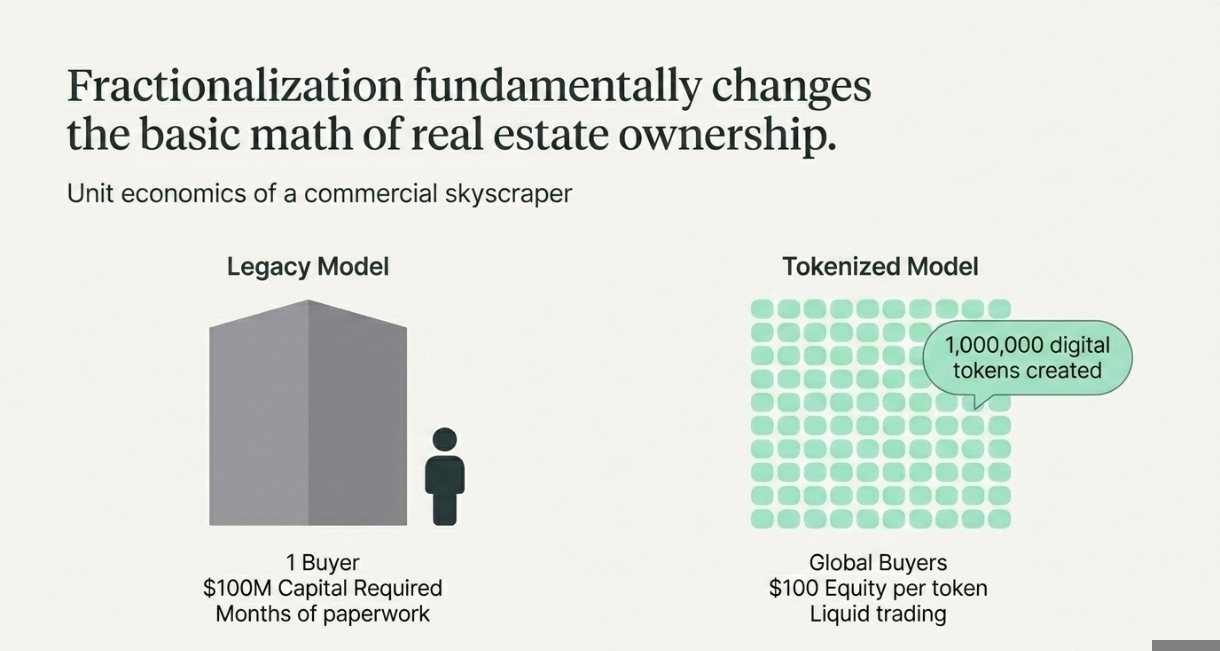
These tokens can be traded globally on secondary markets twenty-four hours a day. You can buy ten tokens on a Tuesday and sell five of them on a Wednesday. The blockchain tracks every transfer perfectly without requiring a central broker to update a private ledger. The skyscraper does not physically move, but the economic ownership becomes entirely liquid.
II. The Mechanical Reality of the Tokenization Flow
Minting a digital token is the easiest part of the entire process. The actual challenge of asset tokenization is bridging the gap between blockchain code and real-world courts. If the token does not hold up in front of a judge, it is completely worthless to an investor.
Here is the exact step-by-step mechanical flow of how an asset goes from the physical world to the digital ledger.
❍ Asset Selection and Legal Structuring
Before a single line of code is written, lawyers must create a legal bridge. Usually, they create a Special Purpose Vehicle. This is a dedicated corporate entity created for one single reason.
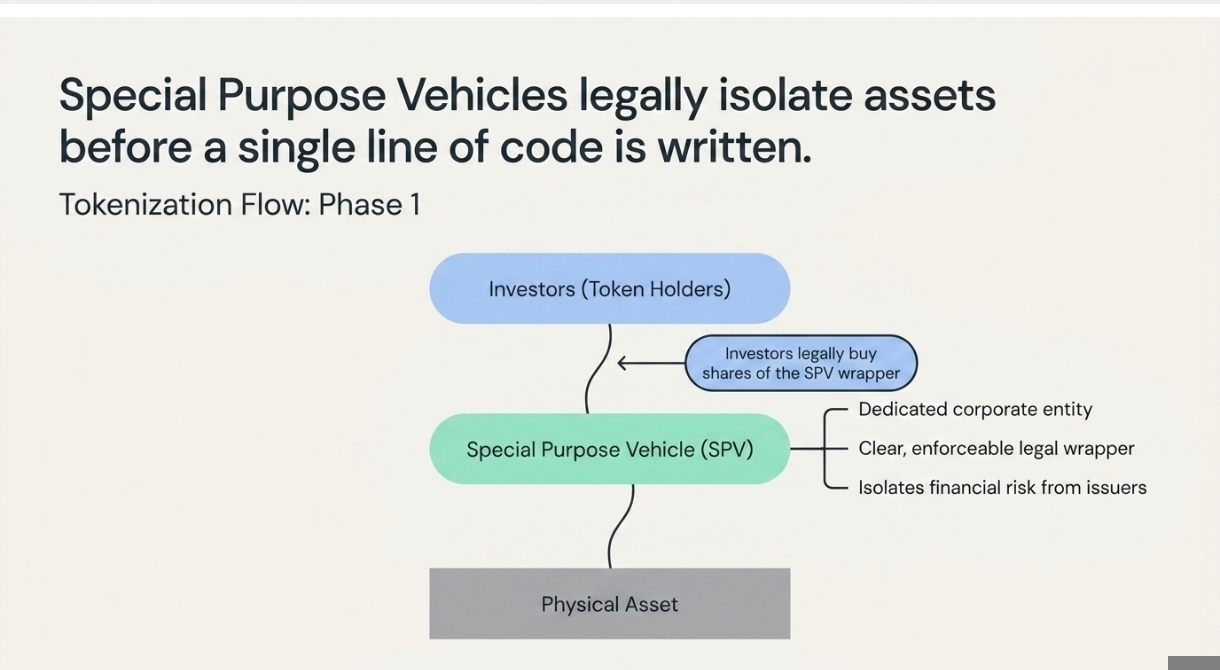
The Special Purpose Vehicle buys and legally holds the physical asset. When investors buy the digital tokens, they are legally buying shares of the Special Purpose Vehicle, which in turn owns the asset. This isolates the financial risk and provides a clear, enforceable legal wrapper.
❍ Smart Contract Creation and Standards
Developers write smart contracts on networks like Ethereum or Polygon. They do not use standard consumer crypto tokens. They use specialized security standards like ERC-3643 or the newer ERC-7518.
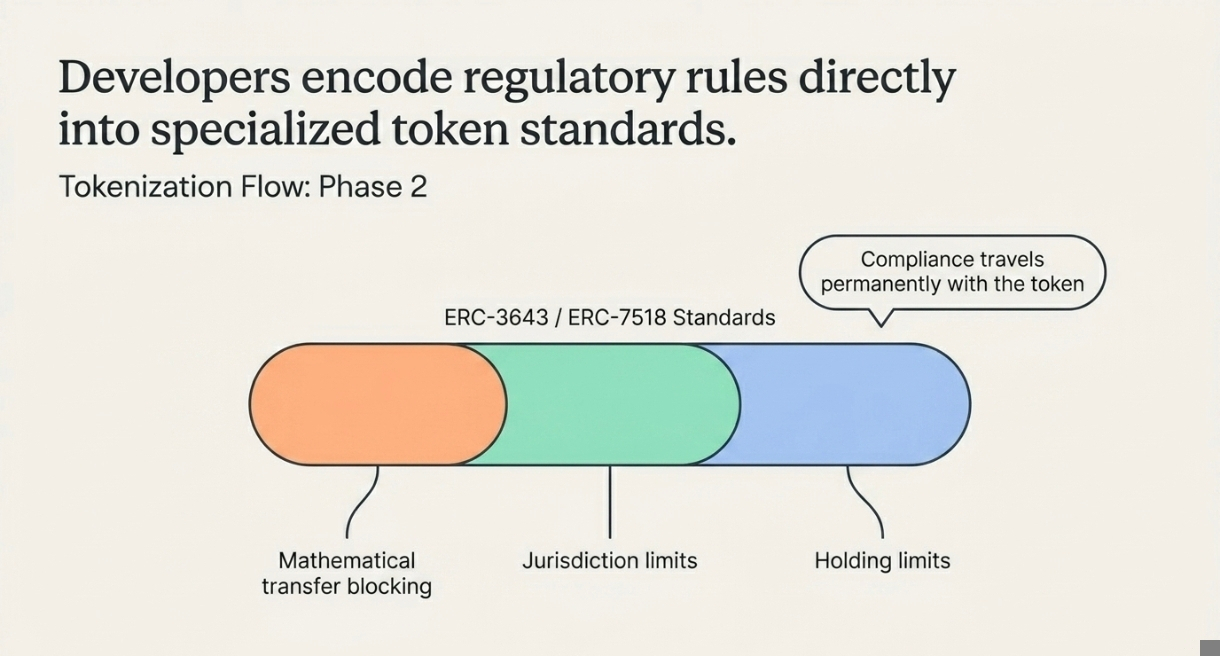
These specific token standards are built entirely with legal compliance in mind. They allow developers to code regulatory rules directly into the token itself. For example, the contract can mathematically block a transfer if the buyer lives in a restricted jurisdiction, exceeds a holding limit, or has not passed a background check. The compliance travels with the token permanently.
❍ Minting and Identity Verification
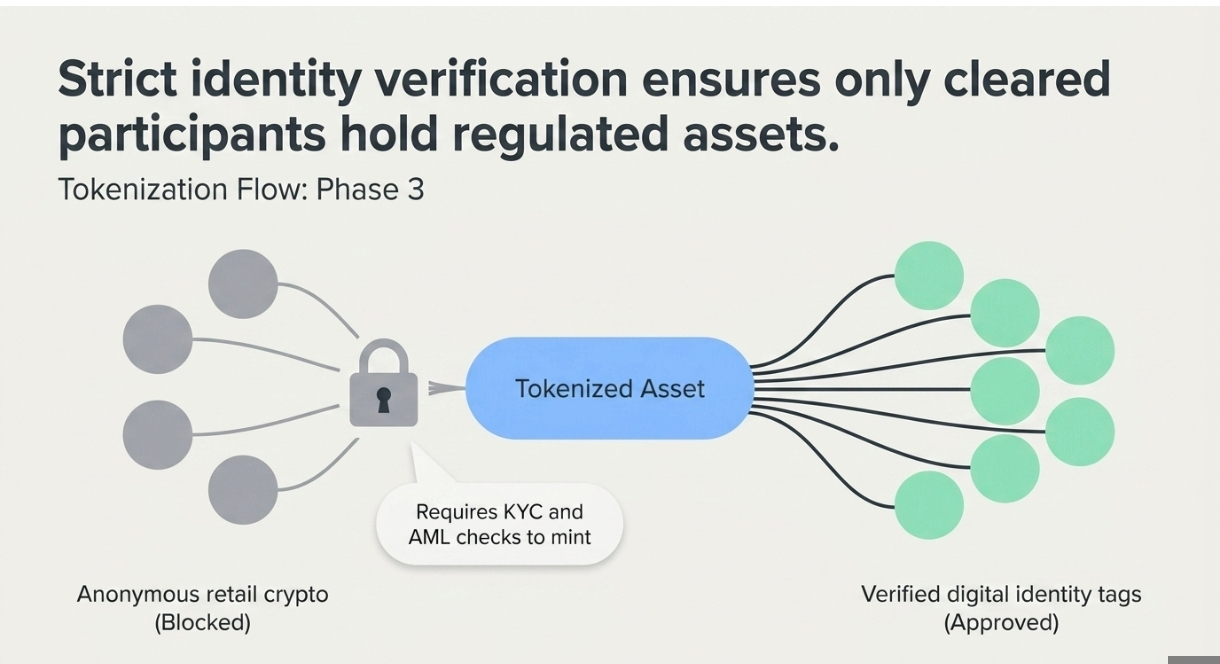
Once the rules are coded, the tokens are minted. Users cannot simply buy them anonymously. Because these are regulated financial securities, investors must pass strict Know Your Customer and Anti-Money Laundering checks. The blockchain records a verified digital identity tag for every approved wallet, ensuring only cleared participants can hold the asset.
❍ Automated Income Distribution
This is where the software vastly outperforms traditional finance. If the tokenized skyscraper generates monthly rent, or a tokenized treasury bond generates interest, the smart contract handles the payout.
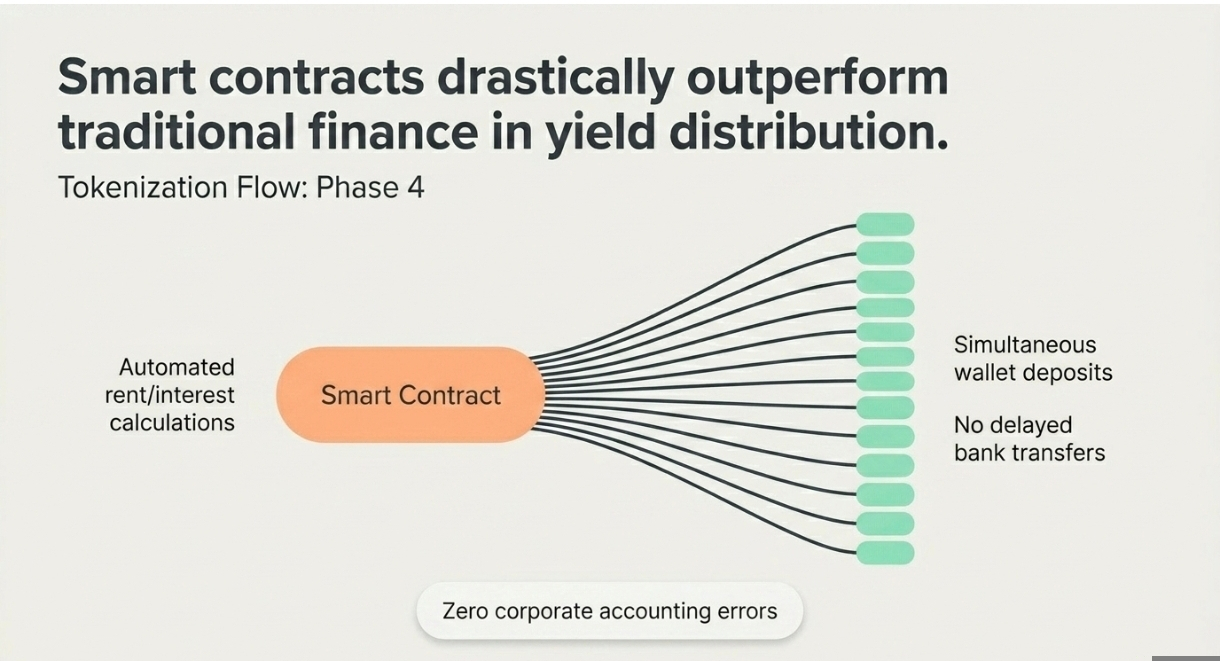
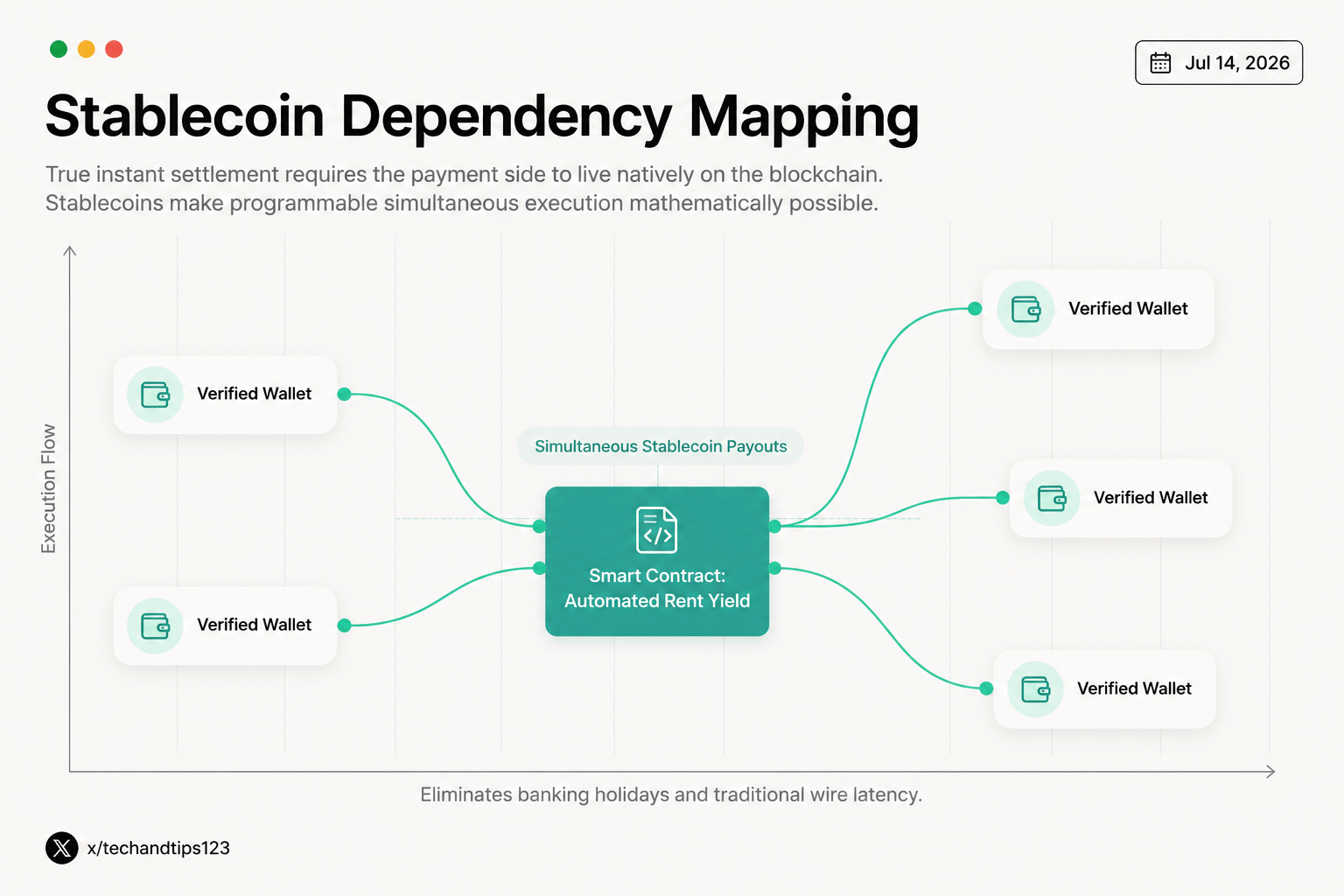
The contract automatically calculates exactly how many tokens each wallet holds and deposits the yield directly into those wallets simultaneously. There is no manual paperwork, no corporate accounting errors, and no delayed bank transfers.
III. The Structure of Liquidity
As of 2026, the institutional market has firmly embraced tokenization. Major financial players are moving billions of dollars on-chain. However, they approach liquidity through different structural models. The legal structure dictates exactly who is willing to trade the token.
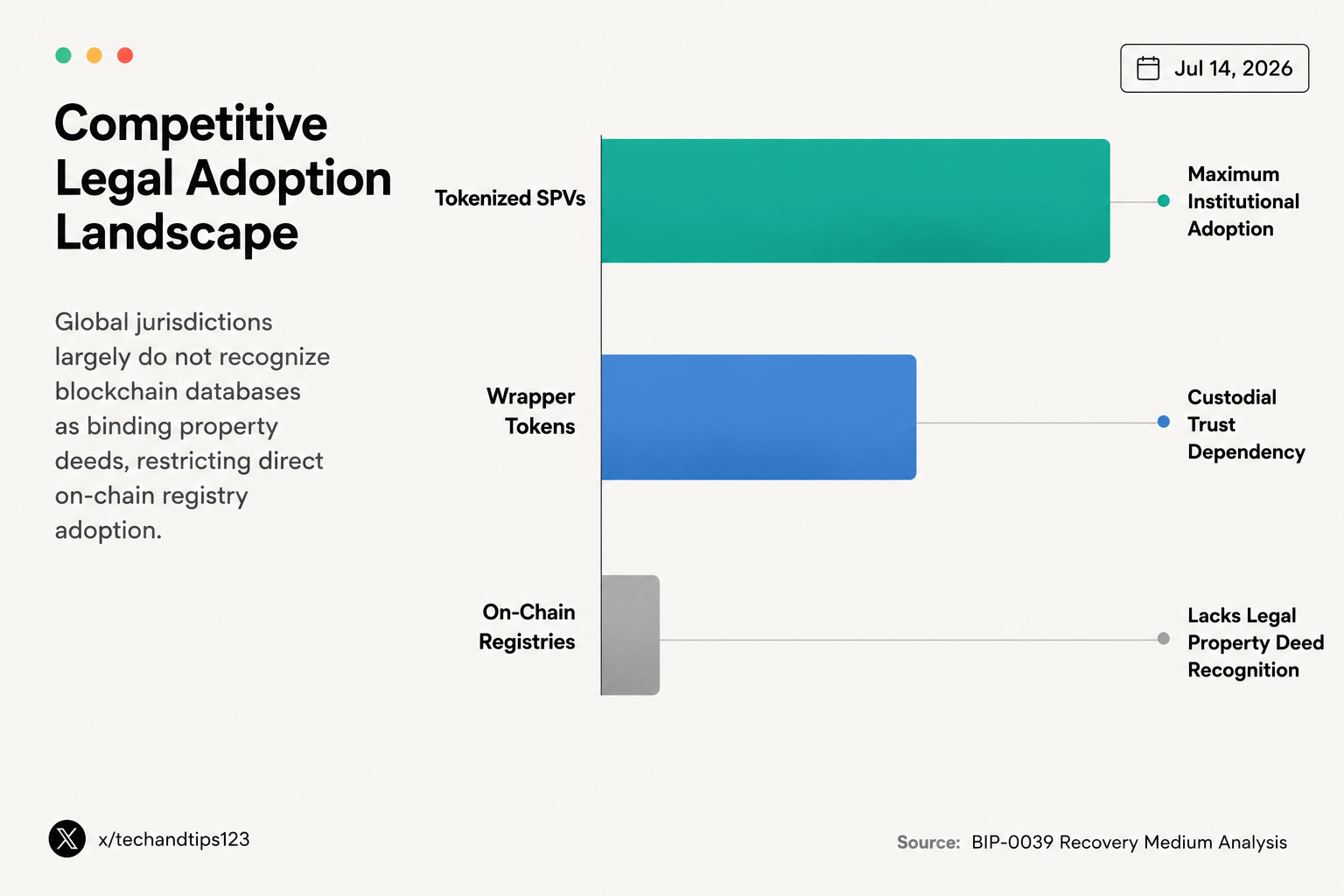
❍ Wrapper Tokens
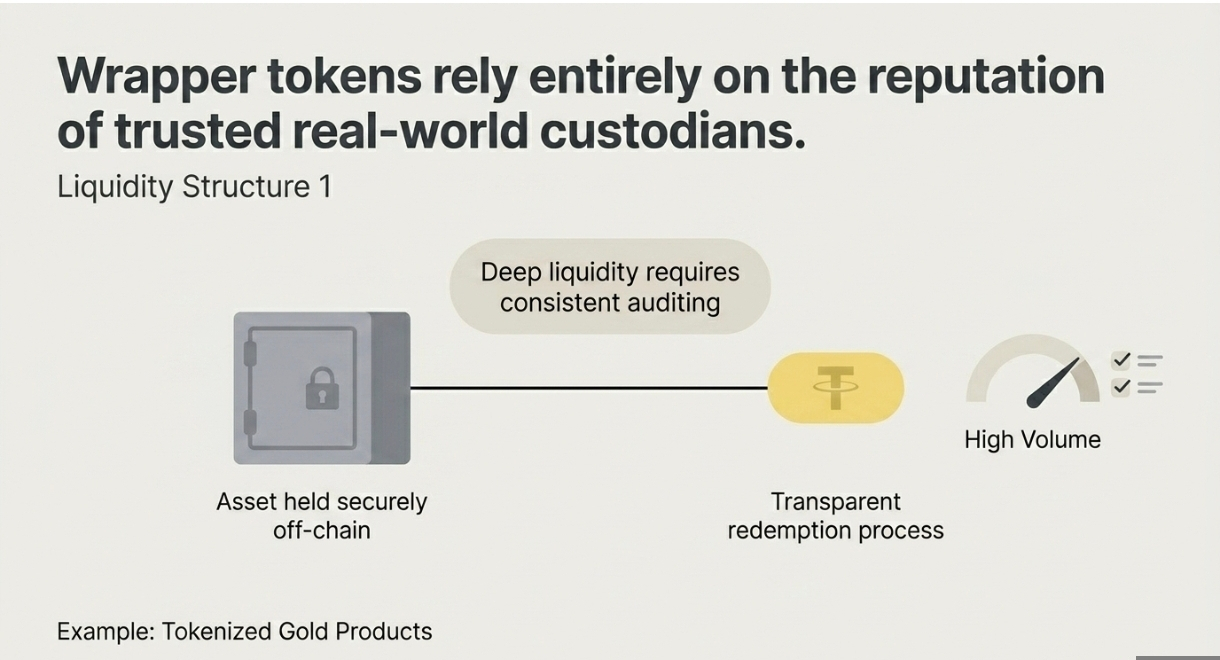
Wrapper tokens represent an off-chain asset held directly by a trusted custodian. Tokenized gold products are a prime example. The digital token represents a physical gold bar sitting in a secured vault. The liquidity depends entirely on the reputation of the custodian and the transparency of the redemption process. If the auditing is clear and consistent, these tokens trade with high volume.
❍ Tokenized Special Purpose Vehicles
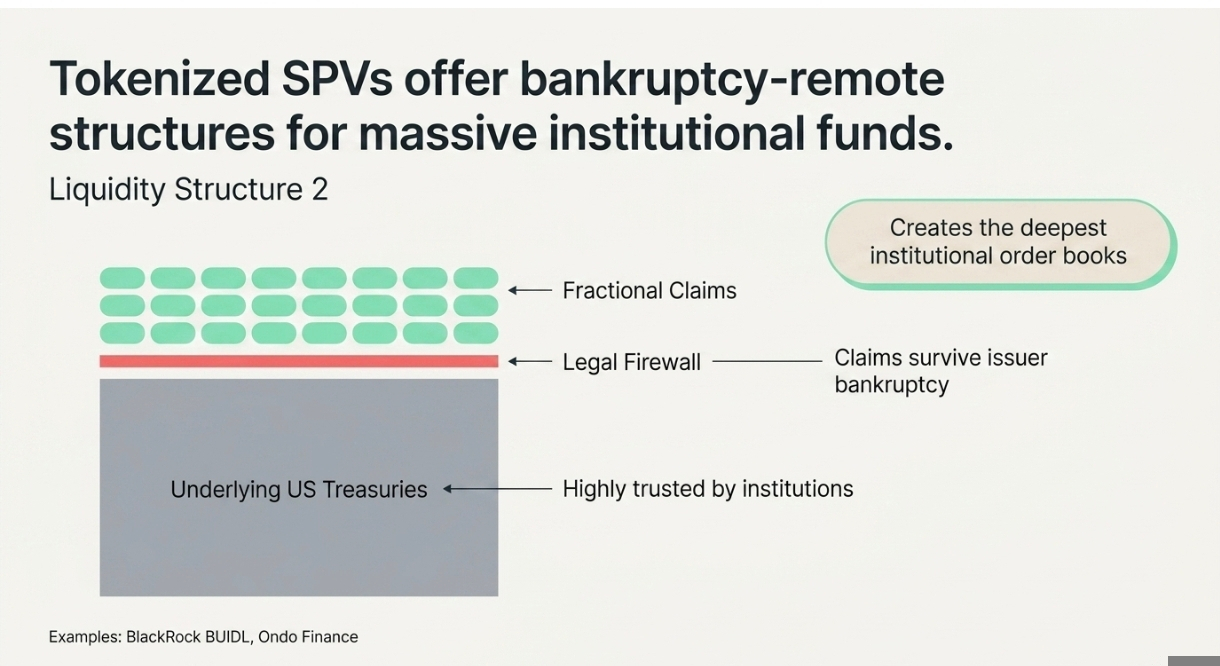
This is the preferred route for massive institutional products like the BlackRock BUIDL fund and Ondo Finance treasury offerings. The tokens represent fractional claims on the equity of the vehicle holding United States Treasuries. Institutions trust this model because the legal structure guarantees that their claims survive even if the issuing company goes bankrupt. The underlying asset is legally isolated. This confidence creates the deepest order books in the institutional space.
❍ On-Chain Asset Registries
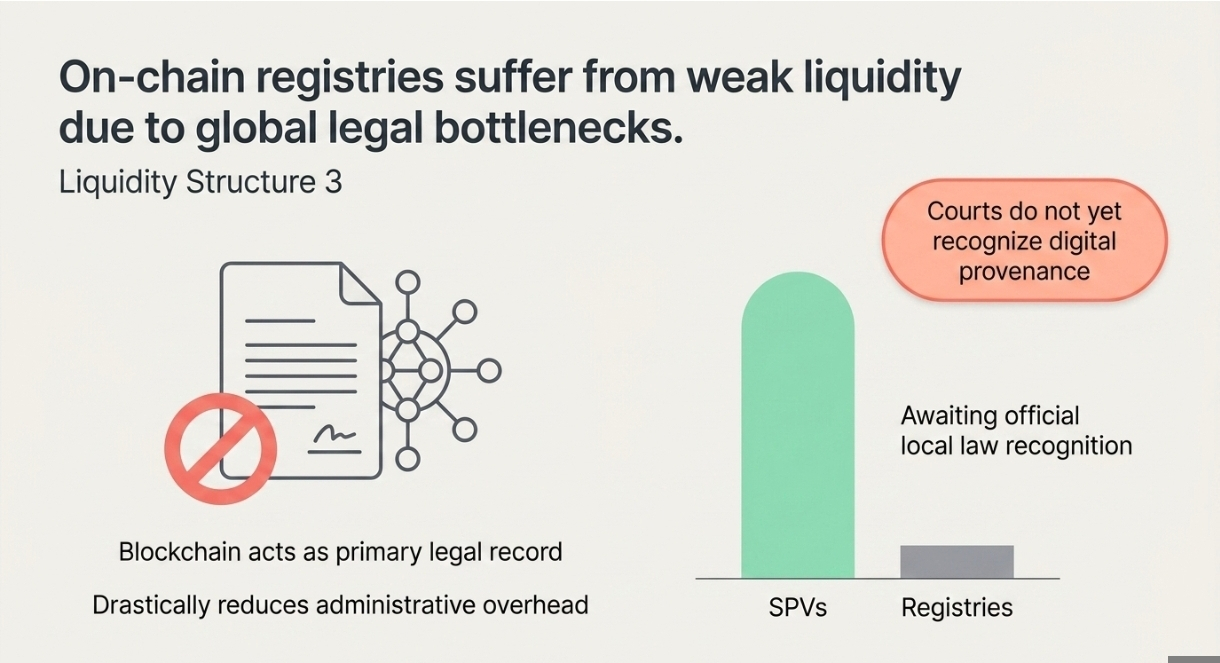
In this model, the blockchain itself acts as the primary legal registry for the asset. This reduces administrative overhead drastically. Its liquidity is often much weaker. Many global jurisdictions do not yet legally recognize a blockchain database as a binding property record. Institutions tend to avoid these tokens until local laws officially recognize digital provenance.
IV. The Real-World Benefits and Trade-Offs
Tokenization is not a flawless magic solution. It brings massive operational upgrades, but it also introduces new technical risks to the financial system.
❍ Fractionalization and Global Access
By dividing high-value assets into smaller units, tokenization drastically lowers the barrier to entry. Retail investors can gain exposure to private credit funds, commercial real estate, or fine art that traditionally required millions of dollars in upfront capital. It democratizes access to institutional yield.
❍ Predictable Settlement Cycles
Traditional stock and bond settlements typically take two full business days to clear. This delay ties up massive amounts of capital and introduces counterparty risk. Because tokenized assets settle directly on a distributed ledger, the transfer of ownership and the transfer of funds happen simultaneously in seconds. This frees up capital instantly.
❍ The Necessity of Stablecoins
Tokenizing the asset is only half of the equation. To achieve true instant settlement, the payment side of the transaction must also live on the blockchain. This is why stablecoins are critical to the ecosystem. You cannot settle a tokenized treasury bond in seconds if the buyer is paying with a traditional bank wire that takes three days to clear. Stablecoins provide the digital dollars required to make the instant swap possible.
❍ The Oracle Vulnerability
Real-world assets require real-world data. A smart contract needs to know the current market value of the physical property to execute trades accurately. They rely on third-party data feeds called oracles to provide this pricing. If an oracle malfunctions or is manipulated by hackers, the smart contract will execute trades based on completely false information, potentially draining value from the investors.
FIN
If you want to evaluate a tokenized asset accurately, you must separate the technology from the underlying asset quality.
Tokenization does not magically create market demand. A tokenized version of a terrible commercial loan is still a terrible commercial loan. Putting a bad asset on a blockchain simply allows you to trade a bad asset faster.
The true value of this technology lies in capital composability. The ultimate goal is not just buying fractional real estate. The goal is taking a tokenized United States Treasury bill and depositing it directly into a decentralized lending protocol as collateral to borrow stablecoins at two in the morning on a Sunday.
This creates a unified global ledger where traditional financial assets seamlessly interact with decentralized software. Evaluate projects based on their legal enforceability and their ability to integrate with the broader decentralized finance ecosystem. If a tokenized asset cannot be used as collateral across other protocols, it is just a digital receipt, and it provides very little actual value to the market.