
A coin has already doubled in value; should you jump in? Sure, but you might be catching the top; if you don't, you might feel like you missed out on a fortune. As long as you think this way, you're treating trading like a gamble based solely on feelings—feeling bullish, feeling bearish. This is precisely the root of your losses.
The trading king Livermore once said the most heart-wrenching thing: if you can consistently turn 10k into 100k, you can turn 1M into 100M; otherwise, even if you get 10M, you'll eventually lose it all. It's never about the principal; it's about whether you have that stable 'money printing' skill.
But what are 99% of people doing? When they profit, they think they’re chosen by the trading gods and go all in; when they lose, they freak out and go for broke. That’s not trading; that’s just accelerating your capital to zero. Stop hunting for tips and indicators; from now on, start acting like a trader and focus on these three things, and you'll gain the ability to make big moves with small capital:
First, you must have a system.
Is your system geared for breakouts, reversals, or pullbacks? Is the current trend bullish, bearish, or ranging? Are the key areas consolidation zones or support-resistance flip zones? Is your entry signal a volume breakout or a pullback to support? What’s your risk management plan? Where’s your stop-loss set? How do you plan to take profits? How will you manage your position size? Solidify all uncertainties ahead of time with rules; only then can your system pass the minimum standard.
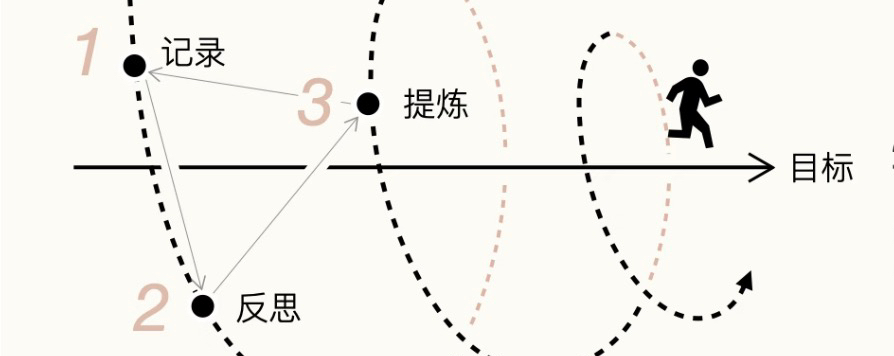
Second, focus on the process during your reviews.
When you pull up your trade ticket, don’t just look at how much you gained or lost; ask yourself these five questions: Did I enter according to the rules? Was my stop-loss executed decisively? Did I manage my position size strictly? Did I get greedy after winning? Did I engage in revenge trading after losses? Remember: Losing according to the rules is something to applaud yourself for—it’s a 'pretty loss'; but winning out of impulse will only lead to a more disastrous outcome next time—that’s a 'toxic win.'
Third, trust your system.
A backtested system with a 40% win rate and a 3:1 risk-reward ratio is a money printer. Even if you lose six times in a row, losing 1 unit each time; as long as you win four times, making 3 units each time, you’ll ultimately be the winner in the long run. But don’t let a couple of losses shake your mindset, make you doubt the system, or switch indicators—your system needs to go through at least 100 trades before you have the right to evaluate it. Top traders never expect every trade to be a winner; what you need to do is to monotonously repeat this set of actions 100 times, 1000 times like a machine: leave the process to execution and hand over the results to probability, and compounding will lead to account growth.
These three golden rules sound simple, right? But 99% of people understand them, yet still fail when it comes to execution. Understanding doesn’t equal doing; trading itself is an anti-human struggle. What you lack is not a method, but the deliberate practice that engrains that method into your very being; it’s not just about having an indicator, but about grinding through a system and putting yourself in a professional environment that holds you accountable to execute it 1000 times.
You've taken a hit on five trades in a row. Are you ready to open that sixth trade? Can you hold back from making rash moves when profits start to slip away? When unexpected opportunities pop up, can you stick to your principles and resist the temptation? These are the key factors that determine the life or death of your account. The endgame in trading is never about beating the market; it’s about conquering yourself. When you can calmly accept the losses that come with the rules and execute the next signal without distractions, time will reveal the answers to you.