
WZ Crypto
1.5k Posts

WZ Crypto
Report
Block User
Crypto Market Strategist 📉 Asymmetry, Flow & Market Cycles 🐳 Whale Behavior Analysis 📊 Deep Analysis. Smart Execution.
Frequent Trader
3.1 Years
13 Following
886 Followers
6.2K+ Liked
Posts
All
Quotes
·
--
34
·
--
🇧🇷 BINANCE RESTRICTS PRODUCTS IN BRAZIL: AFTER ALL, WHO IS RESPONSIBLE?
📌 Let’s put the facts on the table!
🔹 Bolsonaro Government (2021–2022): enacted the law that granted autonomy to the Central Bank and, in 2022, the Legal Framework for Cryptoassets.
🔹 Lula Government (2023): issued the decree that assigned the Central Bank the authority to regulate and oversee the market for virtual asset service providers.
🔹 Central Bank: established rules for the sector, with the argument of increasing security, combating fraud and money laundering, and supervising companies.
🔹 Binance: announced restrictions on certain products in Brazil, including Alpha 2.0, starting on October 27, 2026, citing the need for regulatory compliance.
🤔 And where does the political issue lie?
The autonomy of the Central Bank was approved during Bolsonaro’s government. The legal framework for cryptoassets was also enacted in that period. The specific regulation of the sector, however, advanced during Lula’s government, with the Central Bank taking on the role of regulator.
In other words, these are decisions made at different times, by different governments, and by an institution that has autonomy.
⚖️ But it is important to separate responsibilities: the president does not need to directly determine every rule for regulatory decisions made during his government to have effects on the market. Likewise, it is not correct to attribute all responsibility to a single government without analyzing the legislation, the Central Bank’s rules, and the reasons presented by Binance itself.
💭 The question that remains is: are we going to discuss the impacts of regulation on the crypto market and Brazilian investors based on the facts, or turn everything into a political dispute to choose a culprit?
After all, those who invest in cryptocurrencies deserve transparency, clear rules, and the freedom to understand what is happening. 🇧🇷₿
$BTC
{spot}(BTCUSDT)
$BNB
{spot}(BNBUSDT)
$ETH
{spot}(ETHUSDT)
🇧🇷 BINANCE RESTRICTS PRODUCTS IN BRAZIL: AFTER ALL, WHO IS RESPONSIBLE?
📌 Let’s put the facts on the table!
🔹 Bolsonaro Government (2021–2022): enacted the law that granted autonomy to the Central Bank and, in 2022, the Legal Framework for Cryptoassets.
🔹 Lula Government (2023): issued the decree that assigned the Central Bank the authority to regulate and oversee the market for virtual asset service providers.
🔹 Central Bank: established rules for the sector, with the argument of increasing security, combating fraud and money laundering, and supervising companies.
🔹 Binance: announced restrictions on certain products in Brazil, including Alpha 2.0, starting on October 27, 2026, citing the need for regulatory compliance.
🤔 And where does the political issue lie?
The autonomy of the Central Bank was approved during Bolsonaro’s government. The legal framework for cryptoassets was also enacted in that period. The specific regulation of the sector, however, advanced during Lula’s government, with the Central Bank taking on the role of regulator.
In other words, these are decisions made at different times, by different governments, and by an institution that has autonomy.
⚖️ But it is important to separate responsibilities: the president does not need to directly determine every rule for regulatory decisions made during his government to have effects on the market. Likewise, it is not correct to attribute all responsibility to a single government without analyzing the legislation, the Central Bank’s rules, and the reasons presented by Binance itself.
💭 The question that remains is: are we going to discuss the impacts of regulation on the crypto market and Brazilian investors based on the facts, or turn everything into a political dispute to choose a culprit?
After all, those who invest in cryptocurrencies deserve transparency, clear rules, and the freedom to understand what is happening. 🇧🇷₿
$BTC
$BNB
$ETH

127
·
--
My dad analyzing my trading history.
$BTC
{spot}(BTCUSDT)
My dad analyzing my trading history.
$BTC
$BTC
4
914
·
--
🇩🇪 Germany’s largest banking group, Sparkassen, officially begins implementing Bitcoin and cryptocurrency trading for its 40 million customers.
This is HUGE! 🚀
$BTC
{spot}(BTCUSDT)
🇩🇪 Germany’s largest banking group, Sparkassen, officially begins implementing Bitcoin and cryptocurrency trading for its 40 million customers.
This is HUGE! 🚀
$BTC
This is HUGE! 🚀
$BTC
69
·
--
when my bro tells me to sell because I'm up 1000%, but all I know how to do is hold.
$BTC
{spot}(BTCUSDT)
when my bro tells me to sell because I'm up 1000%, but all I know how to do is hold.
$BTC
$BTC

194
·
--
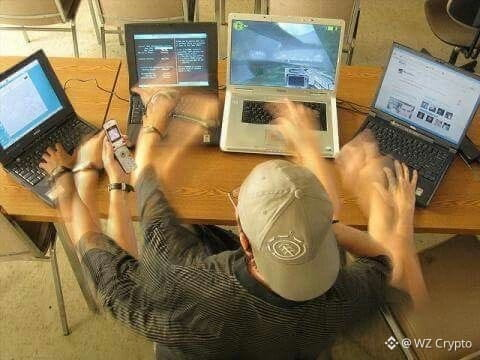
Trying to manage school, work, and crypto at the same time:
$BTC
{spot}(BTCUSDT)
Trying to manage school, work, and crypto at the same time:
$BTC
$BTC
1
1
159
·
--
when your credit card was stolen, but the thief is spending less than your wife
$BTC
{spot}(BTCUSDT)
when your credit card was stolen, but the thief is spending less than your wife
$BTC
$BTC

1
676
·
--
“How deep are you into crypto”
Me:
$BTC
{spot}(BTCUSDT)
“How deep are you into crypto”
Me:
$BTC
Me:
$BTC

1
1.5k
·
--
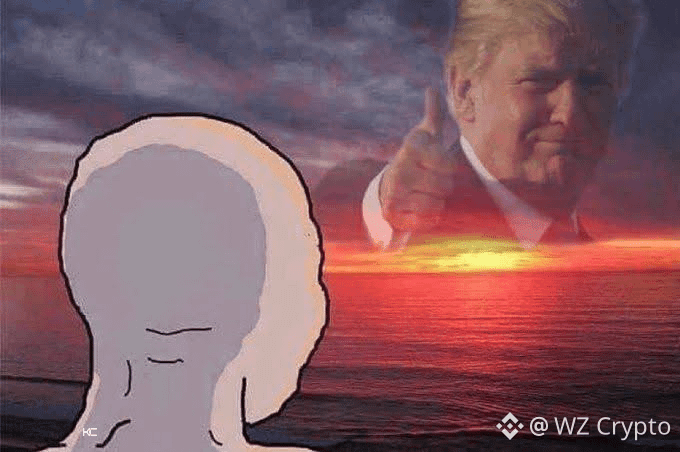
"One more bull run, please. I promise I'll pocket the profits this time."
$BTC
{spot}(BTCUSDT)
$SOL
{spot}(SOLUSDT)
$ETH
{spot}(ETHUSDT)
"One more bull run, please. I promise I'll pocket the profits this time."
$BTC
$SOL
$ETH
$BTC
$SOL
$ETH
170
·
--
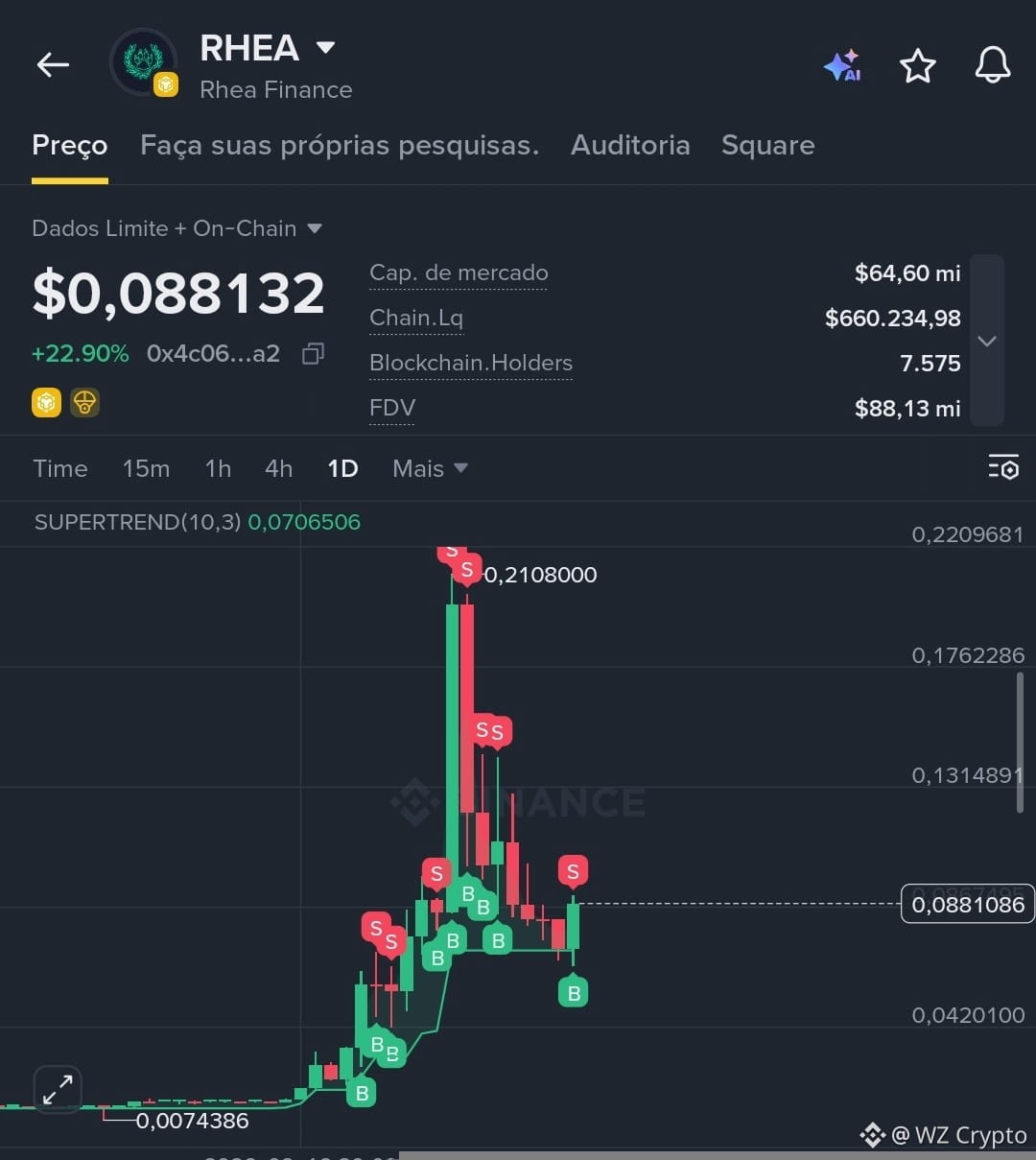
🔥 $RHEA After rising from US$0.0074 to US$0.2108, the asset went through a sharp correction. It’s now at US$0.0881 and is showing signs of renewed buying interest, right at a level that could serve as a base for another recovery attempt.
What stands out most is the Supertrend at US$0.07065. As long as this level continues to hold, the recovery structure remains valid.
📍 Entry: US$0.078–0.088
🎯 Targets: US$0.105 / US$0.131 / US$0.176
🛑 Invalidation: below US$0.070
If it can break above US$0.105 with strength, the next resistance levels become more interesting targets. For now, I’d mainly watch to see whether buyers can sustain this rebound. 👀📈
Potential upside? Yes. Confirmation? We still need to see a break above the next resistance levels.
{alpha}(560x4c067de26475e1cefee8b8d1f6e2266b33a2372e)
🔥 $RHEA After rising from US$0.0074 to US$0.2108, the asset went through a sharp correction. It’s now at US$0.0881 and is showing signs of renewed buying interest, right at a level that could serve as a base for another recovery attempt.
What stands out most is the Supertrend at US$0.07065. As long as this level continues to hold, the recovery structure remains valid.
📍 Entry: US$0.078–0.088
🎯 Targets: US$0.105 / US$0.131 / US$0.176
🛑 Invalidation: below US$0.070
If it can break above US$0.105 with strength, the next resistance levels become more interesting targets. For now, I’d mainly watch to see whether buyers can sustain this rebound. 👀📈
Potential upside? Yes. Confirmation? We still need to see a break above the next resistance levels.
2
1
601
·
--
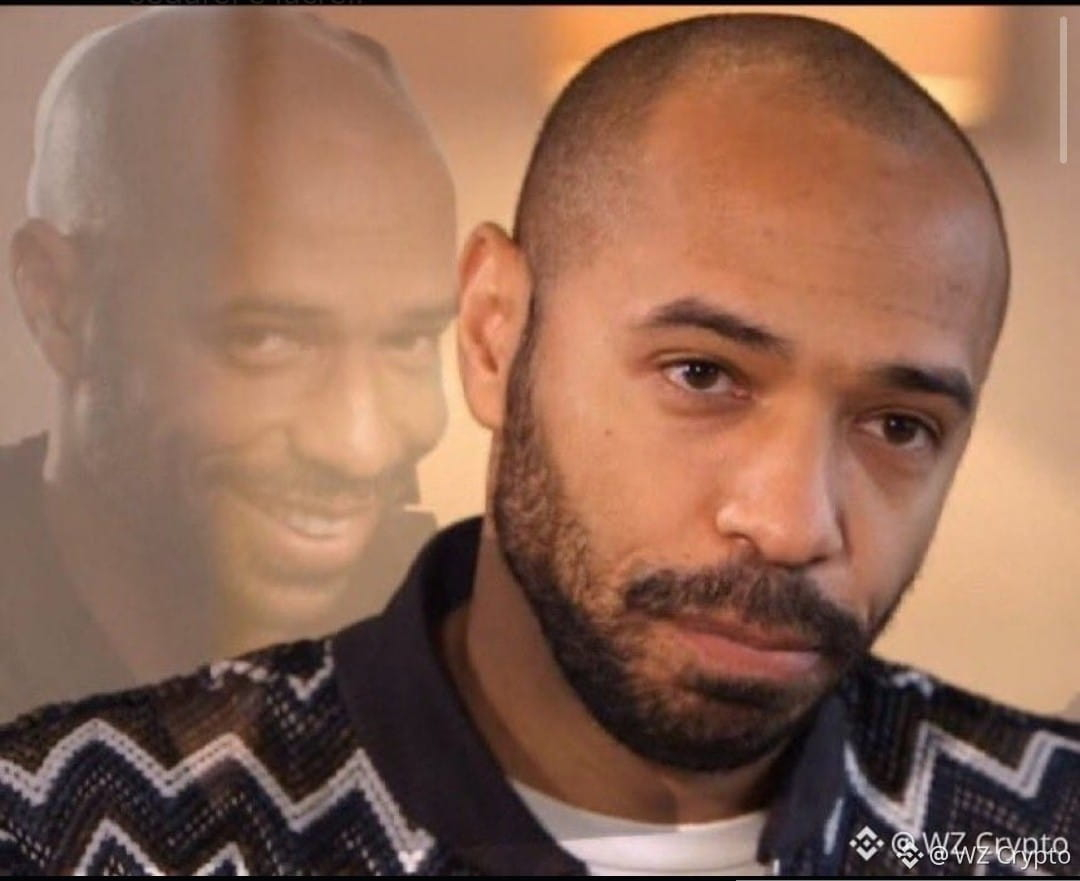
my reaction when my bro sold at a loss and I held and made a profit.
$BTC
{spot}(BTCUSDT)
$NVDAB
{spot}(NVDABUSDT)
my reaction when my bro sold at a loss and I held and made a profit.
$BTC
$NVDAB
$BTC
$NVDAB
2
2
1.2k
·
--
9
24
5.2k
·
--
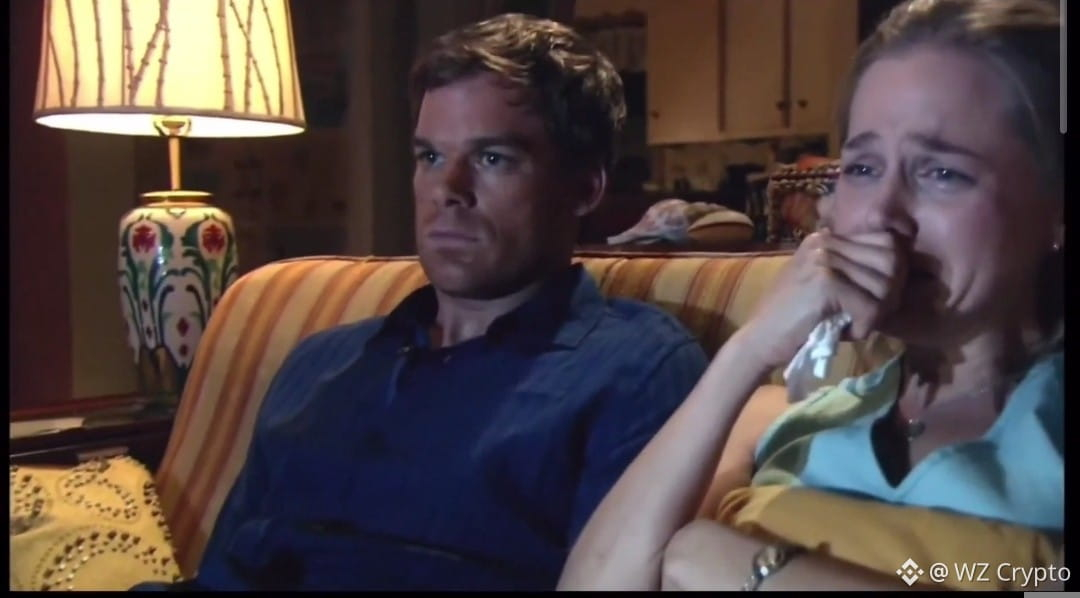
When you're watching a sad movie with your wife, but you're a crypto investor:
$BTC
{spot}(BTCUSDT)
When you're watching a sad movie with your wife, but you're a crypto investor:
$BTC
$BTC
3
1.2k
·
--
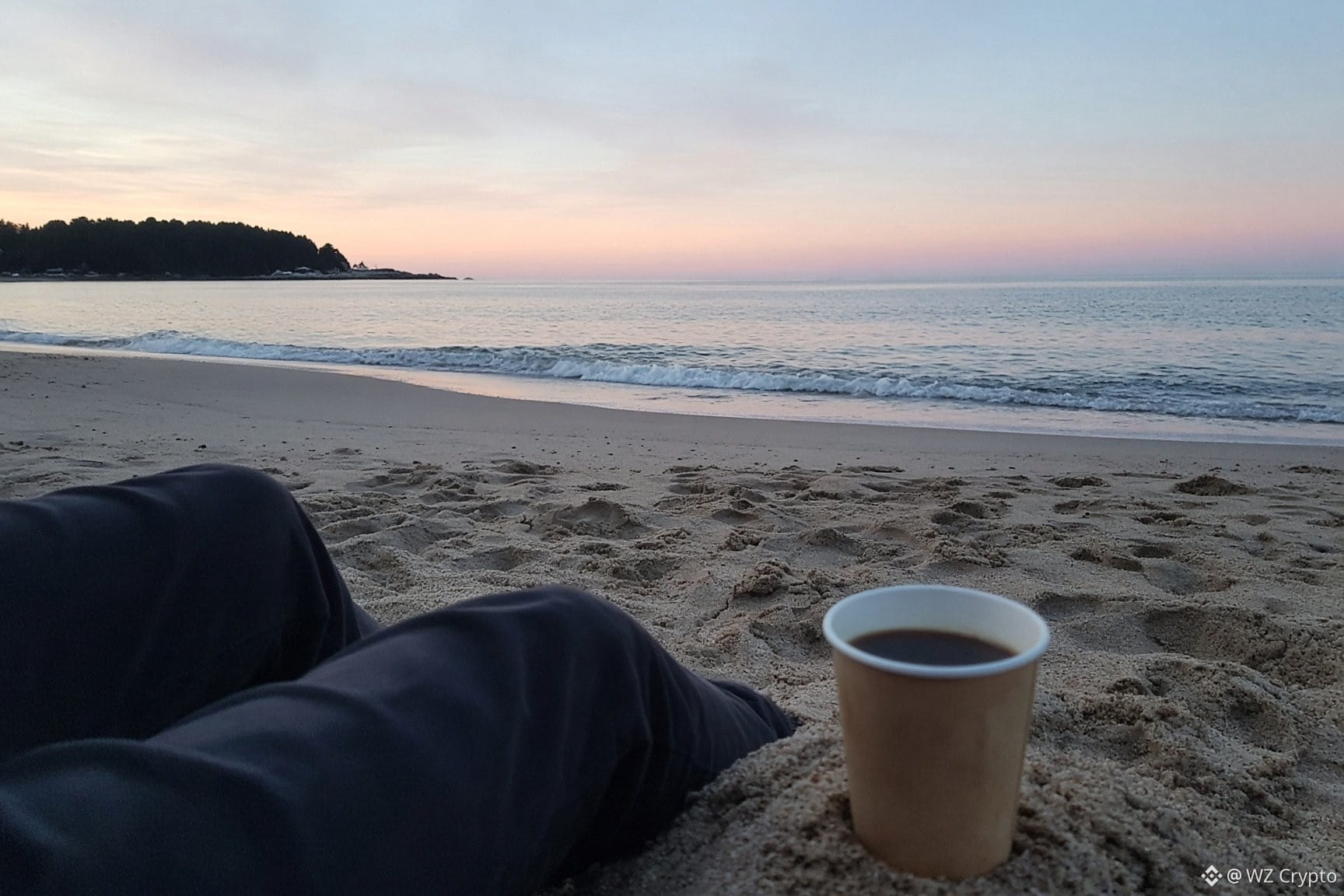
My wife said we need to cut spending, so I traveled without her. I saved $1000
$BTC
{spot}(BTCUSDT)
$SOL
{spot}(SOLUSDT)
My wife said we need to cut spending, so I traveled without her. I saved $1000
$BTC
$SOL
$BTC
$SOL
12
3.7k
·
--
5
296
·
--
POV: When you start seeing strange numbers like -80% in your trade:
$NEAR
{spot}(NEARUSDT)
$BTC
{spot}(BTCUSDT)
POV: When you start seeing strange numbers like -80% in your trade:
$NEAR
$BTC
$NEAR
$BTC

2
894
·
--
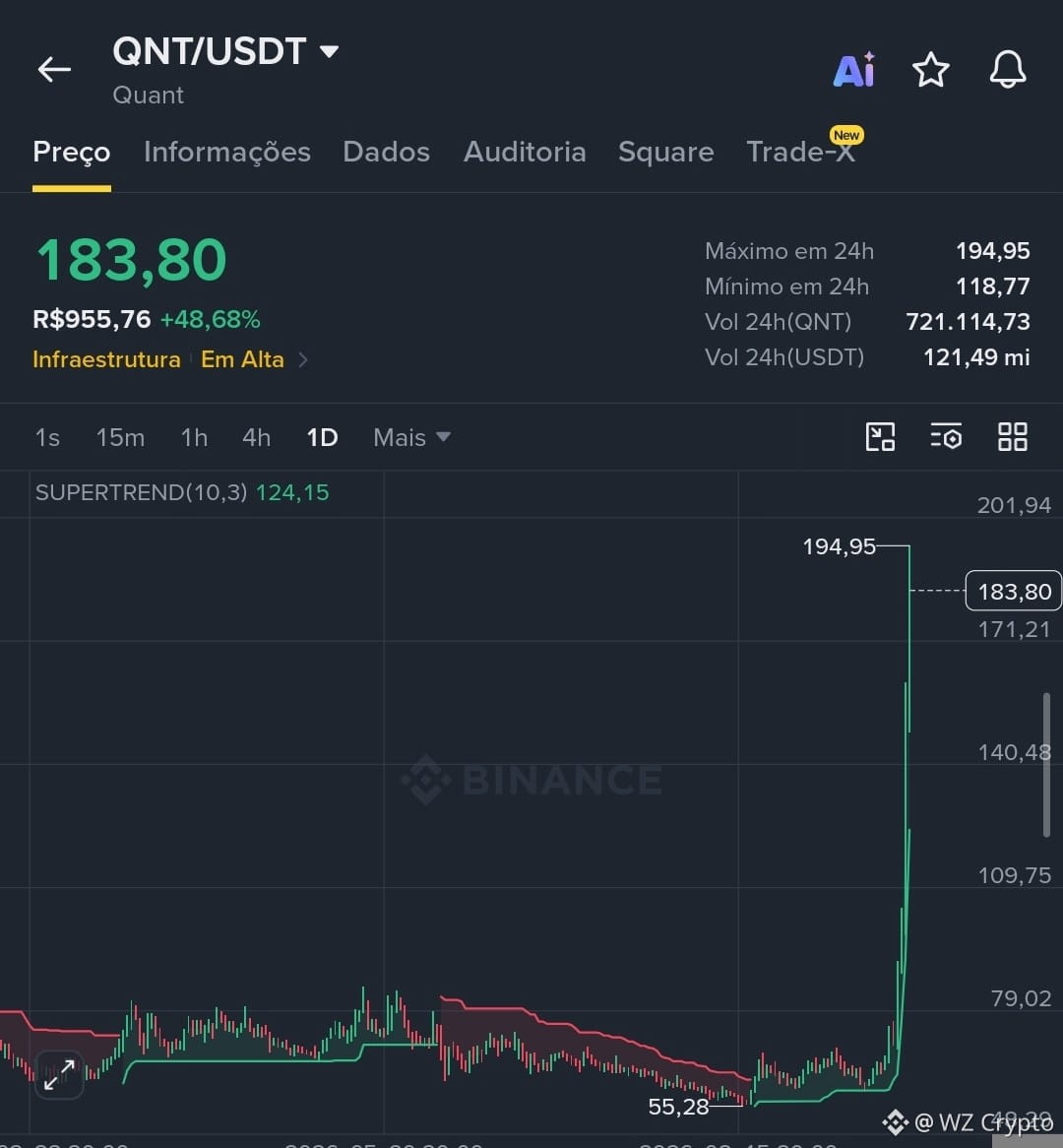
$QNT in the daily chart, the price is at US$183.80, with a high of US$194.95 and a sequence of bullish candles that completely changed the structure. The Supertrend has also turned upward and is currently at US$124.15.
With the price so close to the high, the US$170–175 area is what I would watch for a possible pullback. Holding this zone, the market may resume pressuring US$194.95. A sustained breakout above this region opens up room to look for higher levels.
📍 Entry: US$170 – 178
🎯 Targets: US$194.95 / US$210 / US$225
🛑 Invalidation: below US$160
The move up was very fast, so the next step may be defined by the pullback. If buyers defend the support region, QNT could return to retest the top. 👀📈
{spot}(QNTUSDT)
$QNT in the daily chart, the price is at US$183.80, with a high of US$194.95 and a sequence of bullish candles that completely changed the structure. The Supertrend has also turned upward and is currently at US$124.15.
With the price so close to the high, the US$170–175 area is what I would watch for a possible pullback. Holding this zone, the market may resume pressuring US$194.95. A sustained breakout above this region opens up room to look for higher levels.
📍 Entry: US$170 – 178
🎯 Targets: US$194.95 / US$210 / US$225
🛑 Invalidation: below US$160
The move up was very fast, so the next step may be defined by the pullback. If buyers defend the support region, QNT could return to retest the top. 👀📈
1
266
·
--
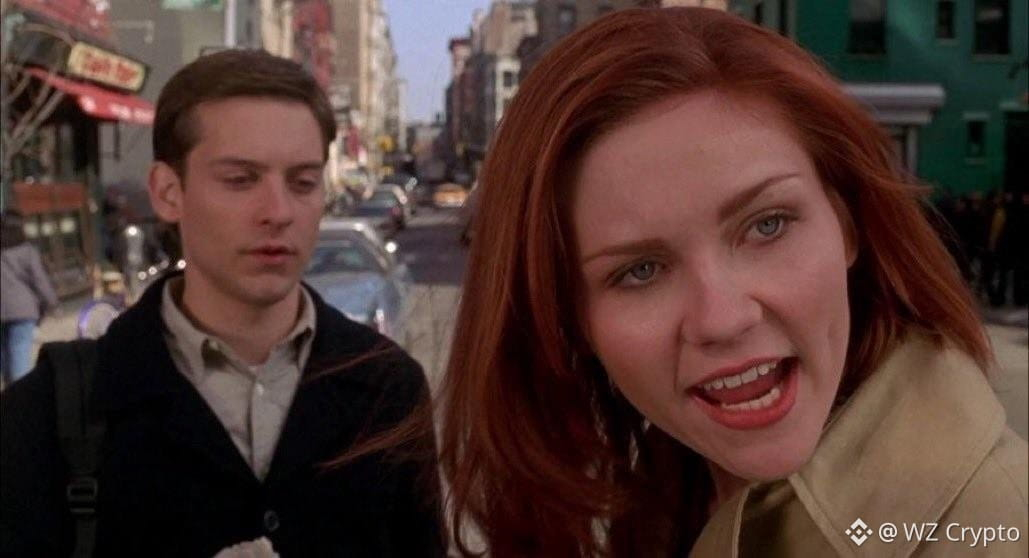
"ele não é um mau trader, o mercado é só manipulado"
$SOL
{spot}(SOLUSDT)
$BTC
{spot}(BTCUSDT)
$ETH
{spot}(ETHUSDT)
"ele não é um mau trader, o mercado é só manipulado"
$SOL
$BTC
$ETH
$SOL
$BTC
$ETH
352
·
--
my wife: "say 'buy on the dip' one more time"
$PEPE
{alpha}()
$NEAR
{spot}(NEARUSDT)
$SOL
{spot}(SOLUSDT)
my wife: "say 'buy on the dip' one more time"
$PEPE
$NEAR
$SOL
$PEPE
$NEAR
$SOL

9
30
9.5k
·
--
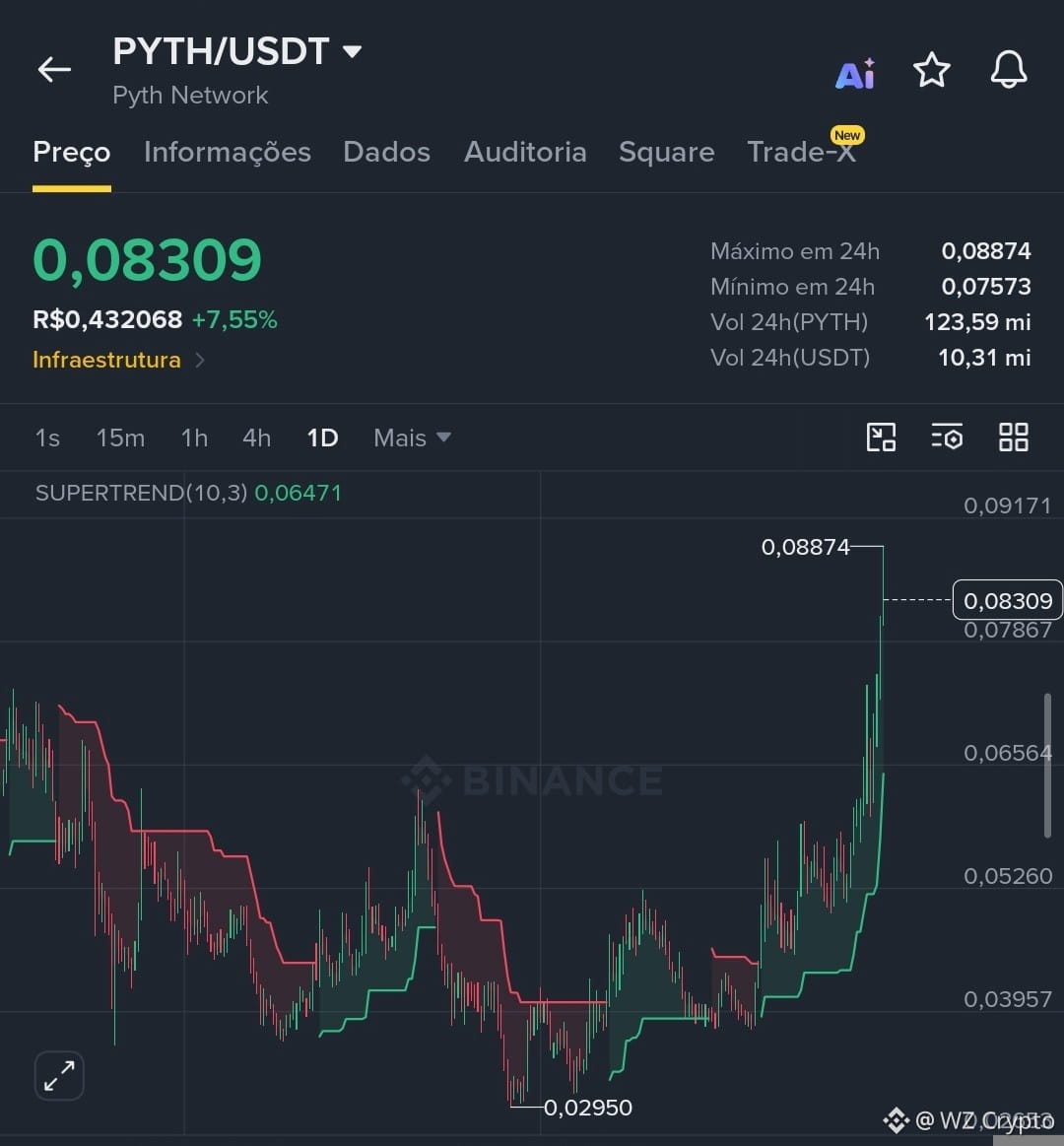
$PYTH The price is at US$0,08309, after a strong surge that pushed the asset to US$0,08874. The structure has turned bullish and the Supertrend remains positive at US$0,06471.
Now, the US$0,078–0,080 region deserves attention. If the price pulls back and manages to hold this range, it could retest US$0,08874 and, above it, seek new highs. If US$0,078 is lost, the next support is near US$0,065–0,067.
📍 Entry: US$0,078 – 0,081
🎯 Targets: US$0,0887 / US$0,0917 / US$0,100
🛑 Invalidation: below US$0,0647
After this breakout, the pullback may be the most important part of the move. If the support area holds, the recent top will come back on the radar. 👀🔥
{spot}(PYTHUSDT)
$PYTH The price is at US$0,08309, after a strong surge that pushed the asset to US$0,08874. The structure has turned bullish and the Supertrend remains positive at US$0,06471.
Now, the US$0,078–0,080 region deserves attention. If the price pulls back and manages to hold this range, it could retest US$0,08874 and, above it, seek new highs. If US$0,078 is lost, the next support is near US$0,065–0,067.
📍 Entry: US$0,078 – 0,081
🎯 Targets: US$0,0887 / US$0,0917 / US$0,100
🛑 Invalidation: below US$0,0647
After this breakout, the pullback may be the most important part of the move. If the support area holds, the recent top will come back on the radar. 👀🔥
108
Log in to explore more content
Join global crypto users on Binance Square
⚡️ Get latest and useful information about crypto.
💬 Trusted by the world’s largest crypto exchange.
👍 Discover real insights from verified creators.
Email / Phone number
Trending Topics
USMidterms-WhatAreMarketsExpecting?
96,832 views
814 Discussing
Democratic Congressional Sweep Shakes Trump Trades in AI Stocks and Crypto
Binance News
·13 Likes
·5.1k views
USOctoberNFP-AreRateCutsStillPossible
253,049 views
1,966 Discussing
AMDBeatsExpectations-AINarrativeContinues
23,704 views
319 Discussing