


Yang Jinlong delivered a keynote speech
At the 114th Annual Financial Information System Conference held on December 4, the governor of the central bank, Yang Jinlong, delivered a keynote speech titled 'Digital Innovation in Payments and the Role of the Central Bank.'
In the face of the rapid iteration of global fintech, from the popularization of electronic payments to the rise of blockchain technology, Yang Jinlong clearly defined the central bank's position at the meeting: no matter how technology evolves, 'trust' remains the cornerstone of the monetary system.
He emphasized that future payment innovations must still be based on trust provided by central bank currency, adopting a 'dual-track parallel' strategy, optimizing the existing payment system on one hand while steadily advancing the research and development of central bank digital currency (CBDC) on the other hand, particularly in the integration of wholesale CBDC and tokenized assets, demonstrating the central bank's overall economic layout for future financial infrastructure.
The anchoring of the currency system and adherence to the dual-tier structure
Yang Jinlong first approached the essence of currency, pointing out that payment innovation must be built on a sound currency system. He quoted the view of the Bank for International Settlements (BIS), emphasizing that central bank money has three indispensable pillars: 'singleness', 'elasticity', and 'integrity'.
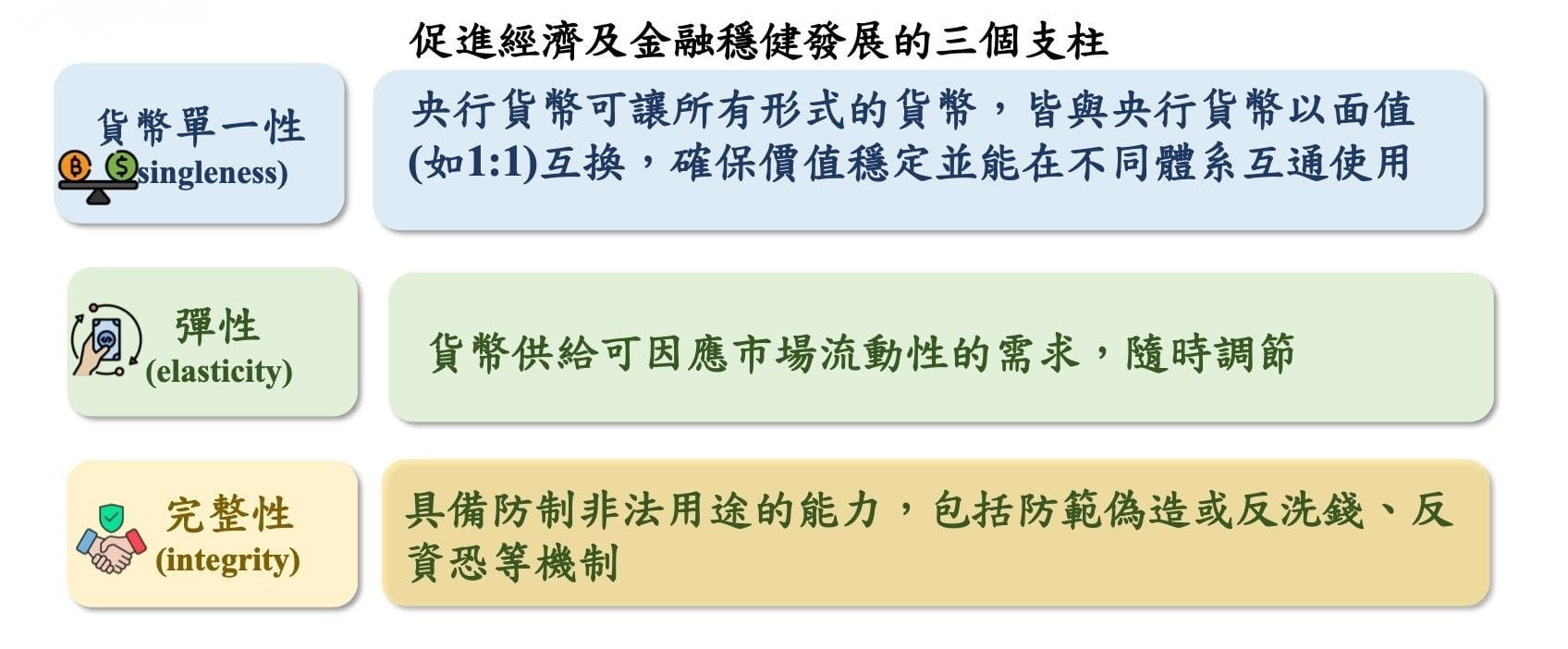 Central bank money has three indispensable pillars: 'singleness', 'elasticity', and 'integrity'. Central Bank
Singleness means that central bank money can ensure that all forms of currency (such as commercial bank deposits and electronic payment balances) can be exchanged at par 1:1, which is also the key to the stability of the currency system
Elasticity refers to the ability of the central bank to adjust the money supply at any time to respond to market liquidity demands
Integrity involves the ability to prevent money laundering and terrorist financing
On this basis, Yang Jinlong reiterated the importance of the 'Two-Tier System'. He believes that regardless of how decentralized payment technology may be, the role of the central bank as the lender of last resort and provider of settlement assets is irreplaceable.
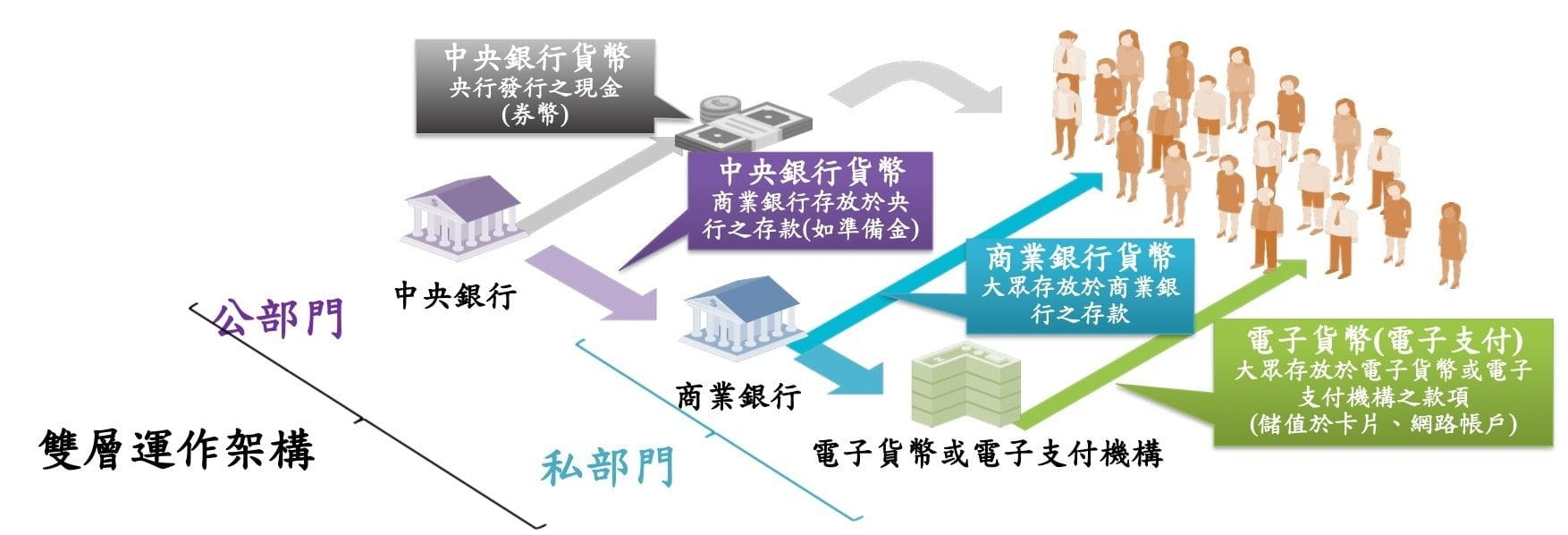 Yang Jinlong reiterated the importance of the 'Two-Tier System'. Central Bank
Through the hierarchical design of the central bank to commercial banks and from commercial banks to customers, combined with deposit insurance and prudent supervision, the best development in cooperation between the public and private sectors can be ensured.
This means that even in the current rise of digital assets, the central bank does not intend to let technology completely replace the traditional financial intermediary role, but hopes to strengthen the existing trust mechanism through digitalization.
Dual-track approach: The popularization of TWQR and the pragmatic application of retail CBDC
Regarding the development path of Taiwan's payment market, Yang Jinlong proposed a strategy of 'parallel dual systems'. First, in terms of optimizing the existing system, he specifically pointed out the effectiveness of promoting 'TWQR'. To address the pain points of various QR Code specifications not being interoperable, the Financial Information Company has built an 'Electronic Payment Cross-Agency Sharing Platform' since 2021, linking banks and electronic payment institutions.
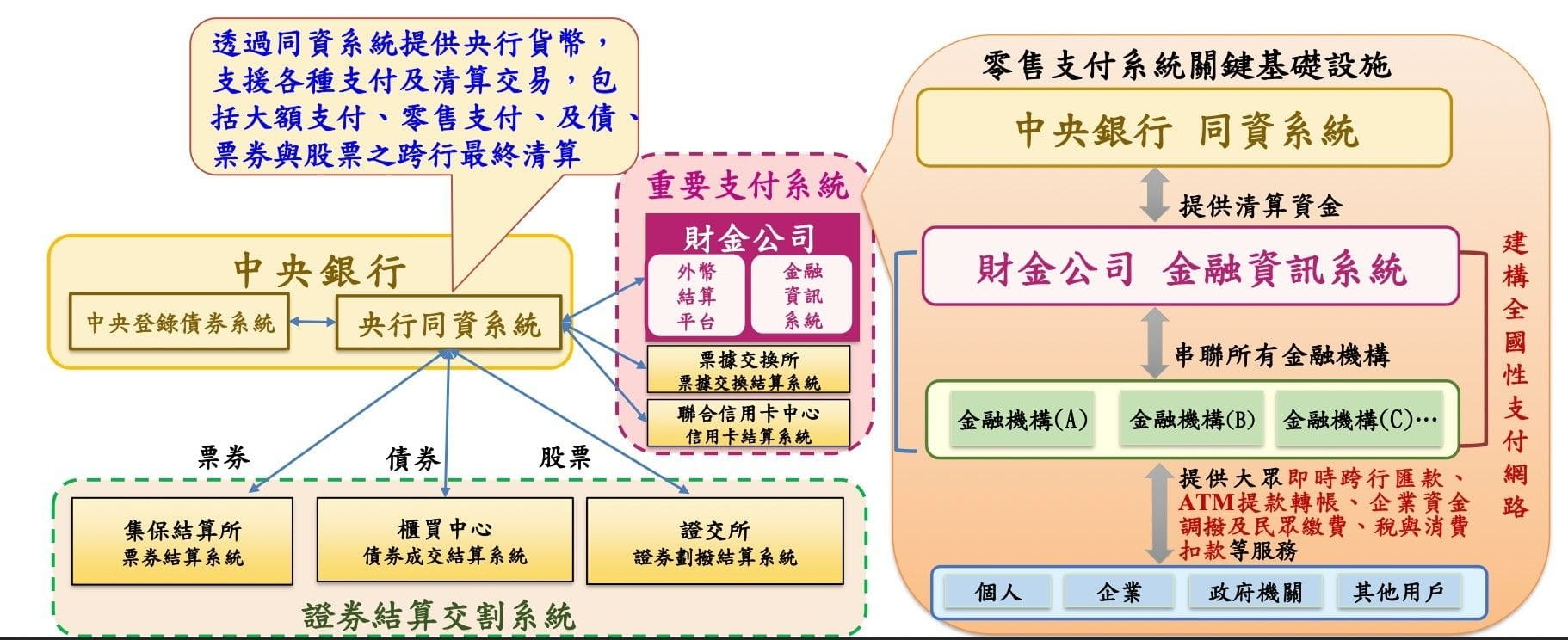 Regarding the development path of Taiwan's payment market, Yang Jinlong proposed a strategy of 'parallel dual systems'. Central Bank
According to central bank data, the transaction volume of TWQR has grown year by year, with the operational volume reaching NT$582 trillion in 2024, which is 23 times the GDP for that year, demonstrating Taiwan's tremendous success in retail payment integration. In addition, to enhance cross-border payment efficiency, the Financial Information Company is actively promoting two-way payment interoperability with countries such as Japan (PayPay), South Korea (BCCard), and Singapore (NETS), and continues to pay attention to international trends in interconnectivity of fast payment systems (FPS).
However, this does not mean that plans are stagnant. The central bank has turned to apply technology to the 'Digital Public Infrastructure Cash Flow Platform' and collaborates with the Ministry of Digital Development to use it for government digital voucher issuance and cash subsidies.
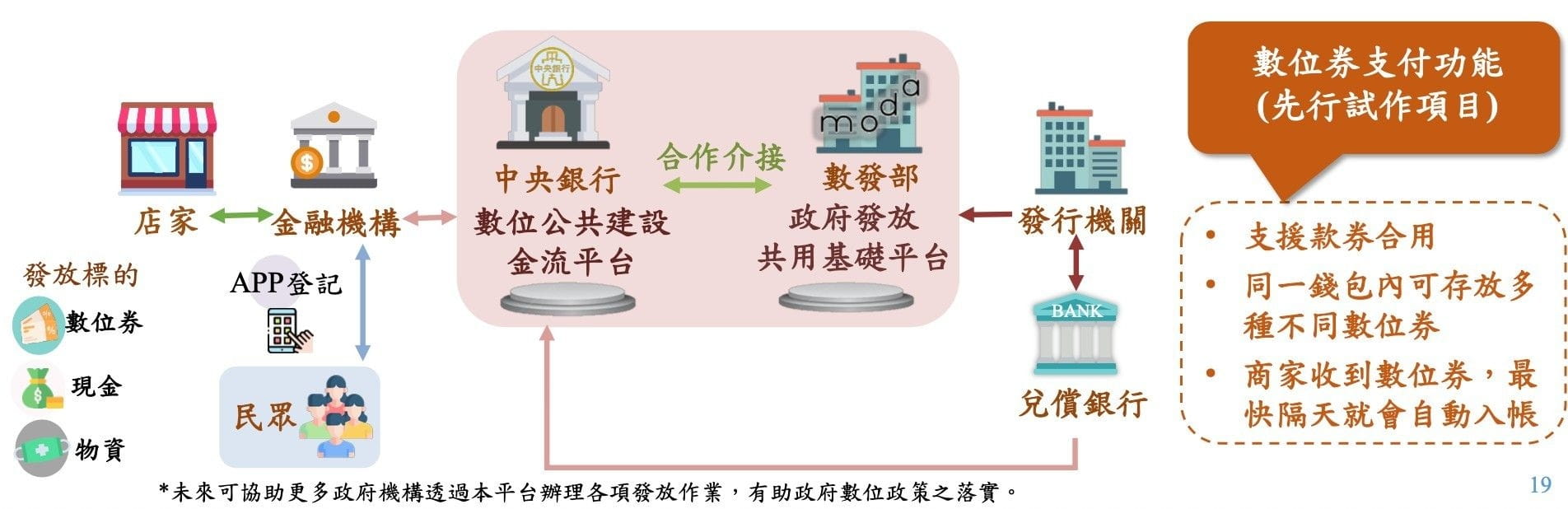 Digital public infrastructure cash flow platform. Central Bank
For example, in the project launched by the Hakka Commission in August 2025, and the trial project in November to distribute cash of NT$10,000, the platform demonstrated a high processing capacity of 2,505 transactions per second, proving the feasibility and stability of the technology. This 'pilot first, promote later' strategy focusing on improving government efficiency shows that the central bank is more inclined to solve specific scene pain points at the retail end, rather than recklessly altering public payment habits.
Wholesale CBDC: Building the infrastructure for tokenized finance
Compared to the prudence at the retail end, Yang Jinlong exhibited more forward-looking planning regarding the combination of 'wholesale CBDC' and 'asset tokenization'. With the rise of the trend of tokenizing real-world assets (RWA), major central banks around the world are investing in the research of wholesale CBDC, focusing primarily on cross-border payments and serving as a settlement tool for tokenized assets.
Yang Jinlong cited the BIS's concept of 'Unified Ledger', pointing out that the future tokenized financial system needs to integrate tokenized central bank reserves, commercial bank deposits, and government bonds on the same programmable platform to achieve synchronized delivery versus payment (DvP) or synchronized delivery of foreign currencies (PvP).
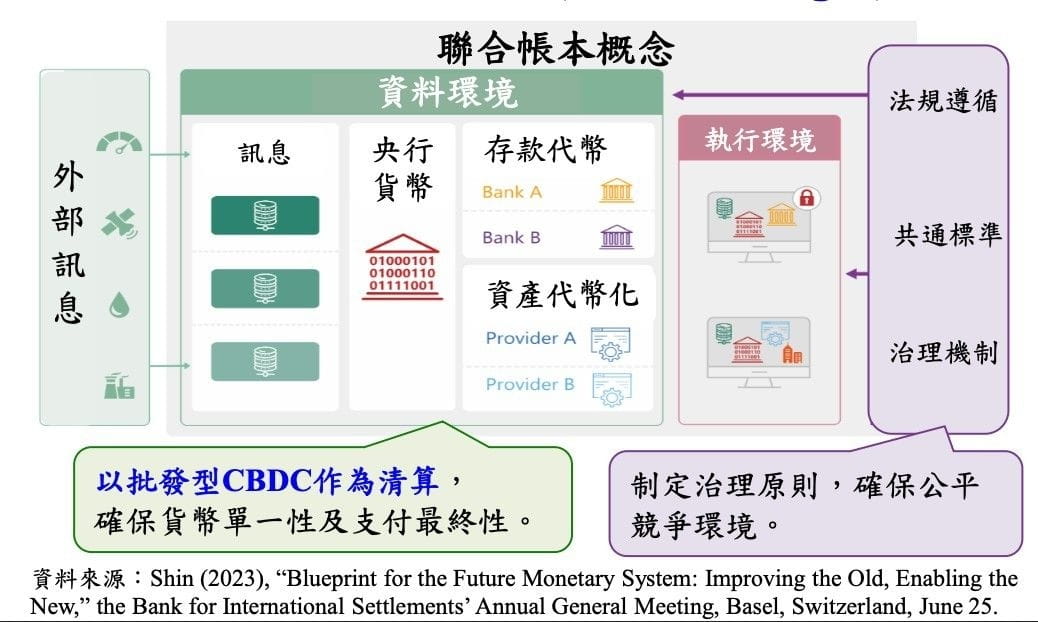 BIS's concept of 'Unified Ledger'. Central Bank
To this end, the central bank has established a 'Tokenized Cash Flow Testing Platform' in collaboration with the Financial Information Company in 2024, successfully verifying the technical feasibility of supporting deposit tokens with wholesale CBDC.
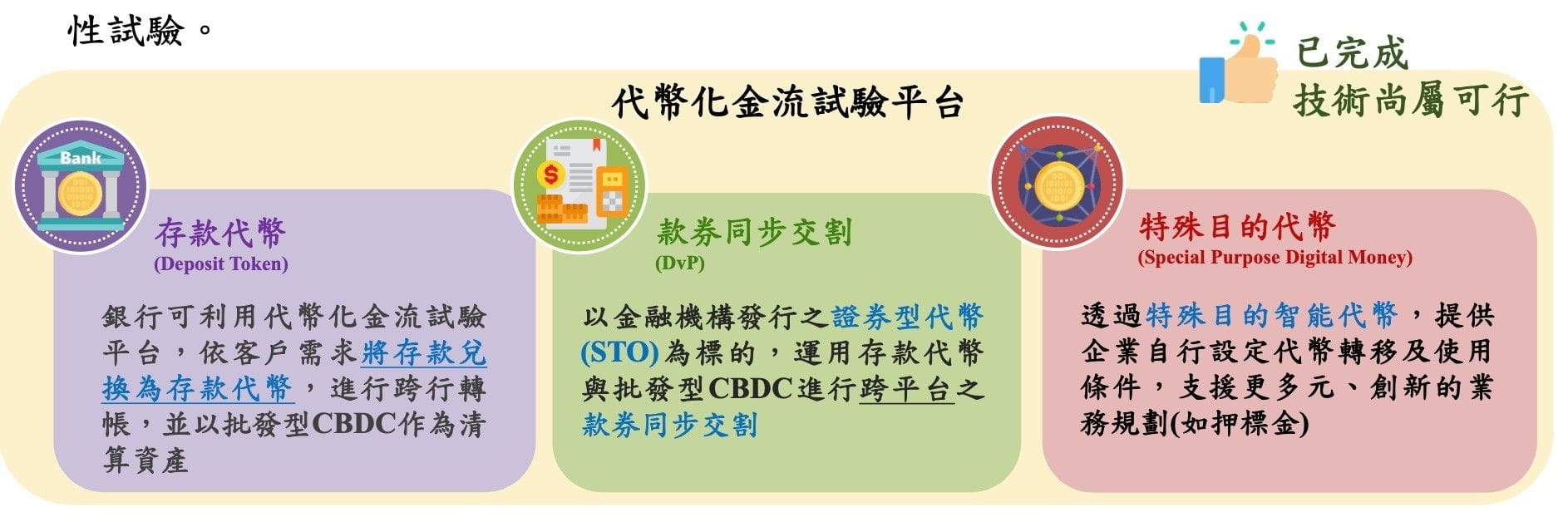 The central bank has established a 'Tokenized Cash Flow Testing Platform' in collaboration with the Financial Information Company in 2024. Central Bank
Furthermore, the central bank is currently working with the Central Depository & Clearing Corporation to conduct deeper technical integration. This test plan aims to use 'corporate bond tokens' as the target to test how to complete the delivery of funds and bonds on the same platform.
If this experiment can be successfully implemented, it will lay an important foundation for Taiwan's future tokenized financial infrastructure, significantly enhancing the liquidity and settlement efficiency of financial assets.
Challenges of stablecoins: A modern version of 'Wildcat Banking' and Taiwan's development space
In the final part of the speech, Yang Jinlong spent considerable time discussing stablecoins. He bluntly stated that although stablecoins currently play an important role in virtual asset trading, their market capitalization accounts for less than 10% of the total virtual assets, but their trading volume accounts for as much as 80%, demonstrating their importance as a hedging tool.
However, from the perspective of currency management, stablecoins pose significant risks.
Yang Jinlong sharply pointed out that stablecoins do not meet the tests of 'singleness', 'elasticity', and 'integrity' of currency. Due to the potential deviation of stablecoin prices from par in the secondary market and the fact that issuers are often registered in loosely regulated areas, he even quoted scholars' views, likening them to a replica of the chaotic 'Wildcat Banking' era in 19th century America.
** Note: The 'Wildcat Banking' phenomenon occurred in the United States from the 1830s to the 1860s, until the U.S. passed the National Bank Act, establishing the Federal Reserve System (Fed) in 1913, which monopolized the currency issuance rights, thus resolving the chaos in the currency system **
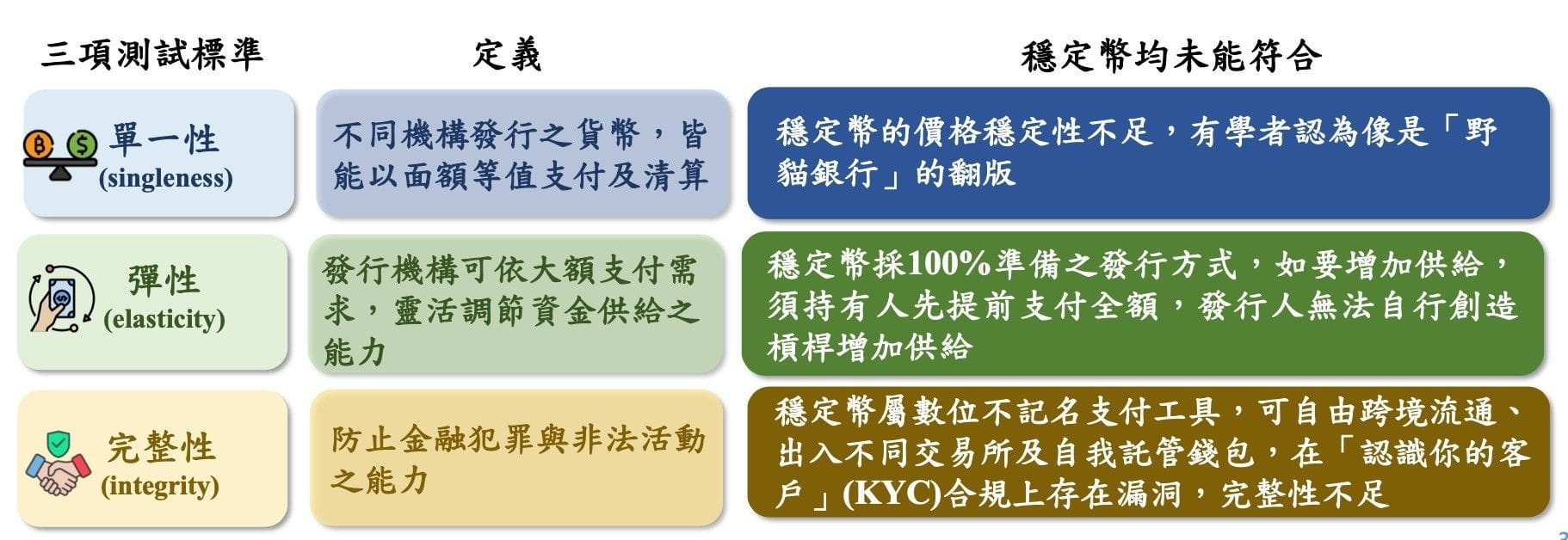 Stablecoins do not meet the tests of 'singleness', 'elasticity', and 'integrity' of currency. Central Bank
In addition, stablecoins adopt 100% reserve issuance, lacking the flexibility to adjust the supply of funds like central banks, and there are loopholes in KYC compliance, making it easy to become tools for money laundering.
Regarding regulatory trends, Yang Jinlong mentioned that both the EU (MiCA Act) and the U.S. (GENIUS Act) strictly regulate stablecoin issuers, especially prohibiting the payment of interest to avoid evolution into 'shadow banking', which could lead to a loss of bank deposits and increased lending costs.
As for whether Taiwan needs to develop its own New Taiwan Dollar stablecoin? Yang Jinlong's view is relatively reserved.
Moreover, Taiwan's payment system is already quite complete and low-cost, and the actual demand from consumers is subject to discussion.
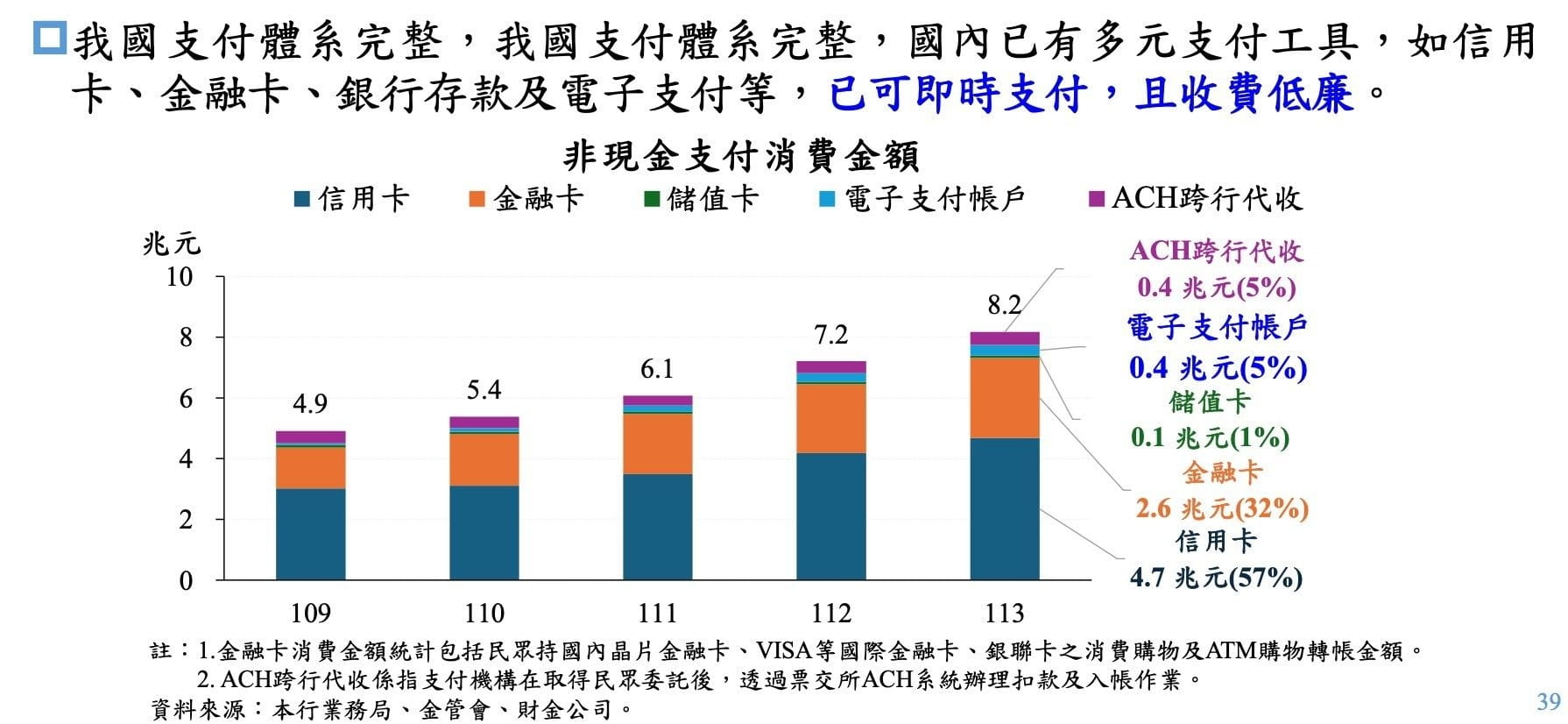 Taiwan's payment system is already quite complete and low-cost. Central Bank
The central bank will continue to cooperate with the Financial Supervisory Commission to carefully draft relevant regulations under the premise of anti-money laundering and investor protection.
This article is authorized for reprint from (Crypto City)
More reports
Taiwan's 'Stablecoin National Team' countdown! Special law expected to be implemented in 2026, led by banks for trial implementation
Ge Ruijun again suggested Bitcoin as a strategic reserve! Reviewing international cases, does Taiwan need to catch up?
The central bank opened up to the possibility of issuing a stablecoin! Yang Jinlong: It will refer to the U.S. regulatory model