Conceives the economic system of the United States as a pool or water reservoir, a very commonly used example.
The FED plays the role of the entity that controls the valve (the flow).
😷 During the health crisis (Covid) (2020-2022):
The FED activated the supply to the maximum to prevent the collapse of the economy.
They injected a colossal amount of capital into the system (the pool reached its maximum capacity).
🛑 Subsequently (2022-2025):
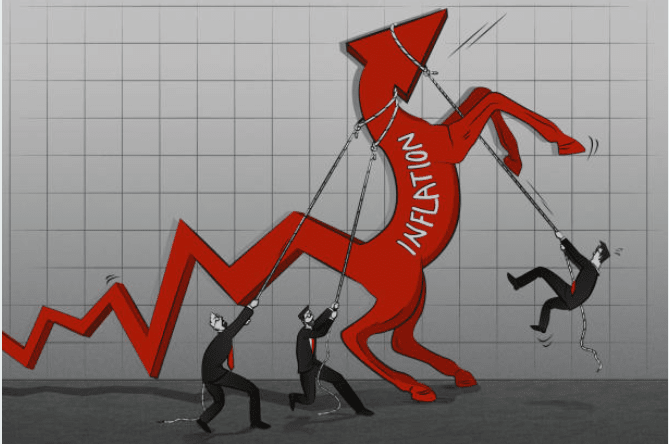
With the aim of curbing rising prices (inflation), they interrupted the influx of money and allowed the level to gradually decrease.
This maneuver is called Quantitative Tightening (QT): the FED facilitates the gradual withdrawal of capital from the system.
🚨 What is the significance of December 1, 2025?
Full injection of liquidity is not resumed (they do not open the tap completely), but neither is it allowed for the level to continue declining.
The determination is, essentially, the following:
“We believe that sufficient liquidity has been withdrawn. From this moment on, we will halt the drainage process.”
And why is this measure crucial?
Because when the FED ceases the reduction of its balance sheet (stops emptying the pool):
* There is greater liquidity available in the financial sector.
* Markets experience relief.
* The tension on economic activity eases.
This does not equate to a 'printing' of money (which would be opening the tap to the maximum), but is akin to maintaining the circulation of money at a moderate pace.
What magnitude are we talking about?
It is estimated that about 30,000 million dollars could be redirected monthly according to the FED's strategy.
If this capital is focused, for example, on government bonds, large financial entities can free up their own funds to invest in diverse assets: stocks, cryptocurrencies, real estate, corporate acquisitions, or any other sector.