A Paradigm Shift: When a Strategy Drops Out of the Top 200 in the U.S.
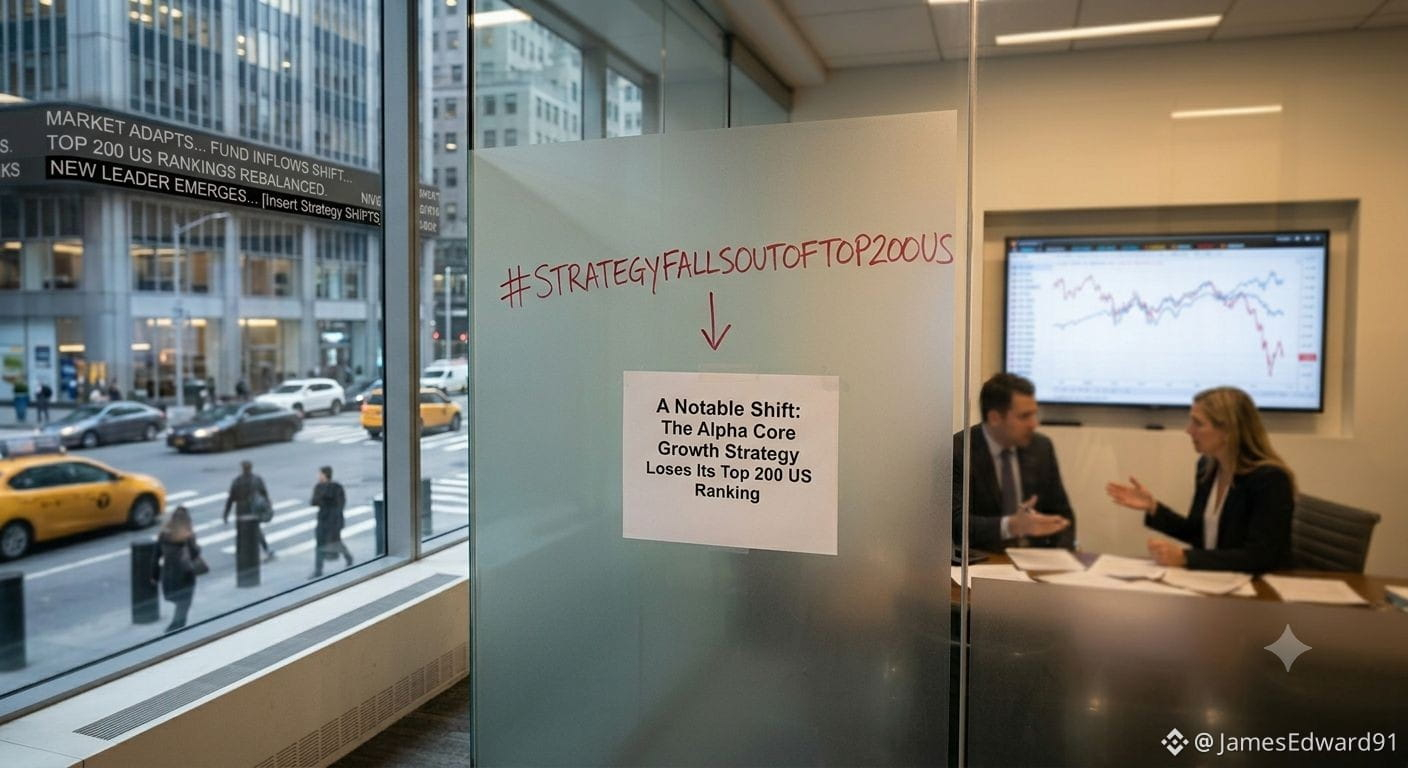
The dynamics of financial markets are relentless and constantly evolving. One of the hottest topics lighting up Wall Street and causing a stir on social media under the hashtag #StrategyFallsOutOfTop200US is the exit of a well-known investment approach from the elite group of the top 200 largest in the United States.
This ranking isn't just a performance indicator; it's a magnet for institutional capital. When a fund or asset allocation model loses its spot in this ranking, the impact reverberates throughout the industry.
Why does this phenomenon occur?
The debate surrounding #StrategyFallsOutOfTop200US highlights several critical factors that analysts are closely monitoring:
Market Rotation: The end of an era of specific interest rates or unexpected twists in inflation often leave strategies that don't adapt quickly obsolete.
Model Saturation: When too many players copy the same formula, competitive advantages vanish (what we call alpha erosion in finance).
Surge of Alternatives: The rise of new quantitative or AI-based approaches is displacing traditional methods.
The Impact on Investors
For portfolio managers, this event isn't just a statistical blip. The movement behind #StrategyFallsOutOfTop200US implies a forced reevaluation. Many pension funds and financial advisors have strict mandates prohibiting them from holding capital in strategies that drop below certain ranking thresholds, often triggering massive withdrawals.
In the long run, these kinds of shakeups demonstrate that in today's financial ecosystem, complacency is the biggest risk. Strategies that dominated the market yesterday don't have a guaranteed spot tomorrow.
The dynamics of financial markets are relentless and constantly evolving. One of the hottest topics lighting up Wall Street and causing a stir on social media under the hashtag #StrategyFallsOutOfTop200US is the exit of a well-known investment approach from the elite group of the top 200 largest in the United States.
This ranking isn't just a performance indicator; it's a magnet for institutional capital. When a fund or asset allocation model loses its spot in this ranking, the impact reverberates throughout the industry.
Why does this phenomenon occur?
The debate surrounding #StrategyFallsOutOfTop200US highlights several critical factors that analysts are closely monitoring:
Market Rotation: The end of an era of specific interest rates or unexpected twists in inflation often leave strategies that don't adapt quickly obsolete.
Model Saturation: When too many players copy the same formula, competitive advantages vanish (what we call alpha erosion in finance).
Surge of Alternatives: The rise of new quantitative or AI-based approaches is displacing traditional methods.
The Impact on Investors
For portfolio managers, this event isn't just a statistical blip. The movement behind #StrategyFallsOutOfTop200US implies a forced reevaluation. Many pension funds and financial advisors have strict mandates prohibiting them from holding capital in strategies that drop below certain ranking thresholds, often triggering massive withdrawals.
In the long run, these kinds of shakeups demonstrate that in today's financial ecosystem, complacency is the biggest risk. Strategies that dominated the market yesterday don't have a guaranteed spot tomorrow.