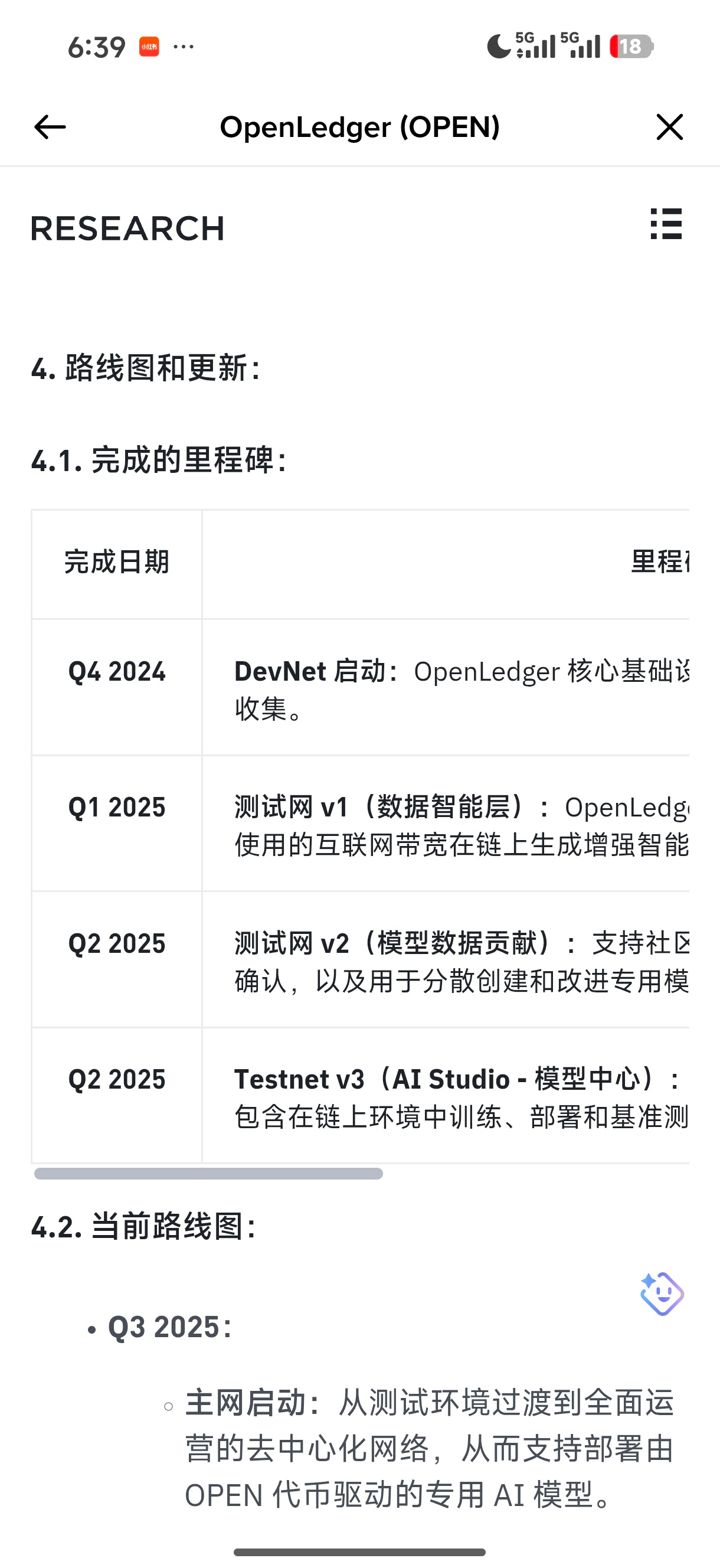

Last month, I was just chilling with nothing to do, so I decided to seriously dive into the OpenLedger data contribution task. Not just tossing up a couple of files here and there, but dedicating two hours every day to sourcing high-quality data, doing cleaning and labeling. I kept this up for a full thirty days. I wanted to see how this 'profit-sharing based on contributions' slogan actually translates into earnings for a regular Joe.
First off, here's the bottom line: I've contributed over four hundred valid data entries, and my attribution score is averaging above mid-tier. The $OPEN I've pocketed is worth around $160 based on the market rate at that time. Sounds decent, right? But when you break it down, considering my hourly wage, it's two hours a day for thirty days, totaling sixty hours. So $160 divided by sixty comes out to less than three bucks an hour. If I took a gig handing out flyers, I'd be raking in ten bucks an hour!
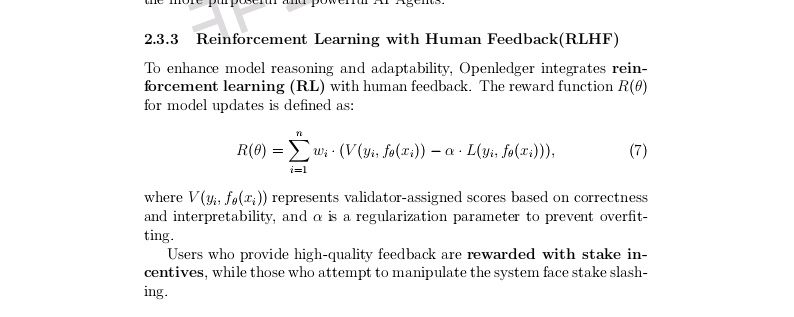
Someone might say: you only did this for a month. If the model keeps running, can you keep getting paid forever? Bro, I went and checked the attribution records and found a harsh truth. As new data keeps flowing in, the weight of my data in inference drops every week. In the first week, you can get a relatively large share of the rewards. By the fourth week, with contributions of the same quality, the tokens you receive are only a little more than half of what you got in the first week. This isn’t OpenLedger deliberately lowering the price—this is math. New data dilutes the weight of old data. Your contribution has an expiration period.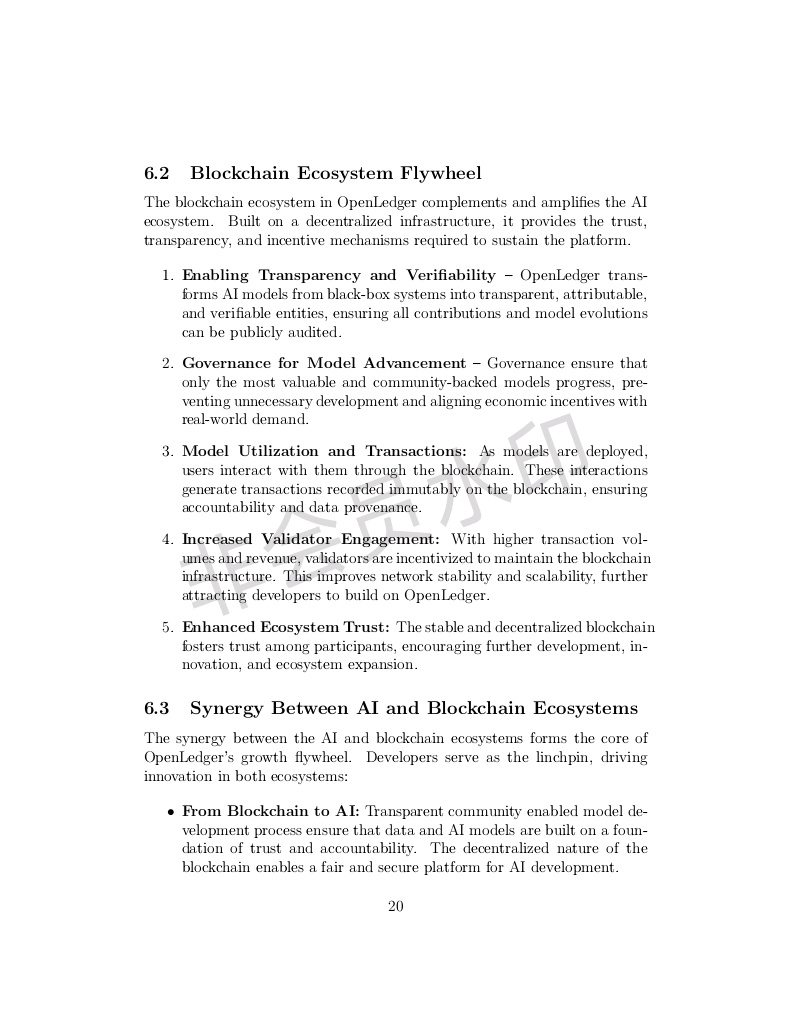
So did I lose money? Not really. Because I also used the data I uploaded to fine-tune a small model, ran a few inference jobs, and earned some extra fees. All in, it was about another $30. But when you calculate it, the hourly rate is still just a little over $3. That number keeps me grounded. If you’re counting on uploading data to get rich, you might as well deliver food. But if you treat it as a learning tool and make a bit of pocket money on the side, then it’s acceptable.
When traditional AI companies hire people for annotation, the hourly wage is around five to eight US dollars, and that doesn’t even include benefits. @OpenLedger They move the job onto the chain and pay you with tokens. On the surface, it’s “data ownership,” but in reality it’s turning your labor into a volatile asset for you. When you tell the project you hold $OPEN , the project says, “Thanks!” When Bitcoin and Ethereum go up, your tokens go up with them. But when the market drops, that $160 might turn into $60.
I won’t tell you not to play—I’m still playing myself. But I will convert my monthly contribution rewards into stablecoins on time, or directly into Bitcoin. I’ll never hold $OPEN overnight hoping for miracles. Brothers, remember: capital never does charity. The premise for it to make you money is that it makes more from you. Know your position. You’re trading labor for an early opportunity—not being the boss.