


Geopolitical tensions in the Strait of Hormuz are becoming the focal point of the global financial market as the U.S. conducts airstrikes against military targets linked to Iran. This area is critically important since over 20% of the world's oil supply passes through this route. The moment there’s a hint of energy supply disruption, the entire market reacts strongly, and Bitcoin is no exception to that volatility.
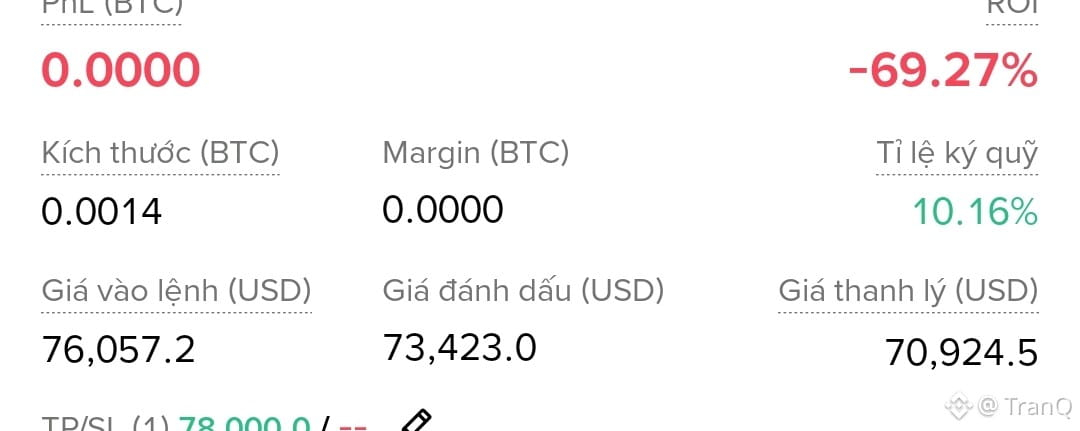
Immediately after the bombing information, oil prices surged sharply, causing fears that inflation could return. Investors began withdrawing from high-risk assets to switch to holding cash, gold, and other defensive assets. This put short-term selling pressure on BTC, as many long positions were liquidated continuously. At some points, Bitcoin fell sharply as the market worried that the conflict could escalate and affect the global economy.
However, analysts believe that the current reaction of BTC is mainly driven by market sentiment rather than intrinsic factors of crypto. In the past, Bitcoin often fluctuated strongly whenever geopolitical crises emerged. But after the initial panic phase, speculative capital typically returns very quickly. If the situation in the Strait of Hormuz continues to remain tense and oil prices stay at high levels, the crypto market could still see significant volatility in the short term. Conversely, if the parties reach an agreement to cool tensions, BTC is fully capable of recovering and regaining an uptrend in the period ahead.
#CreatorpadVN #IranAttacksUSAirbase #TrumpPledgesDigitalAssetFramework #AprilUSPCEExpectedThreeYearHigh