
熊长牛短
64 Posts

熊长牛短
Report
Block User
加密市场数据与风险笔记|分享可核验的信息、分享依据和判断失效条件|不承诺收益
11 Following
76 Followers
74 Liked
Posts
·
--
Binance Square Creator Voting Is About to BeginVoting for Binance Square’s “The Blockchain 100” community selection will open on October 19 at 17:00 Beijing time. The shortlist will also be announced on the event page. According to the official announcement, voters must complete identity verification; eligibility may also depend on their location and account status. The nomination phase has ended.
When choosing creators, what matters most to you: well-supported content, independent perspectives, or the ability to explain complex issues clearly?
Binance Square Creator Voting Is About to Begin
Voting for Binance Square’s “The Blockchain 100” community selection will open on October 19 at 17:00 Beijing time. The shortlist will also be announced on the event page. According to the official announcement, voters must complete identity verification; eligibility may also depend on their location and account status. The nomination phase has ended.
When choosing creators, what matters most to you: well-supported content, independent perspectives, or the ability to explain complex issues clearly?
When choosing creators, what matters most to you: well-supported content, independent perspectives, or the ability to explain complex issues clearly?
2
96
·
--
Discussion of South Korea’s Crypto Tax RulesThe South Korean government plans to discuss crypto taxation with five crypto trading platforms and industry organizations on October 20. The tax rules are currently scheduled to take effect in 2027. The meeting is to gather feedback and does not mean that a delay has already been decided. Industry concerns include how income from staking and airdrops will be taxed, as well as how reporting and loss carryforwards will be handled.
Which issue do you think regulators should address first?
Discussion of South Korea’s Crypto Tax Rules
The South Korean government plans to discuss crypto taxation with five crypto trading platforms and industry organizations on October 20. The tax rules are currently scheduled to take effect in 2027. The meeting is to gather feedback and does not mean that a delay has already been decided. Industry concerns include how income from staking and airdrops will be taxed, as well as how reporting and loss carryforwards will be handled.
Which issue do you think regulators should address first?
Which issue do you think regulators should address first?
495
·
--
BTC Weekend Market Watch
BTC is quoted at around $81,737, with a 24-hour gain of 0.34% shown on the page and a 24-hour range of approximately $80,729–$81,853. **This is a snapshot from a public price page, not Binance App’s gainers list;
During this kind of narrow-range weekend movement, would you prioritize watching trading volume, range boundaries, or macro news?
$BTC
{future}(BTCUSDT)
#市场观察
BTC Weekend Market Watch
BTC is quoted at around $81,737, with a 24-hour gain of 0.34% shown on the page and a 24-hour range of approximately $80,729–$81,853. **This is a snapshot from a public price page, not Binance App’s gainers list;
During this kind of narrow-range weekend movement, would you prioritize watching trading volume, range boundaries, or macro news?
$BTC
#市场观察
BTC上涨83000
53%
BTC下跌80000
47%
79 votes • Voting closed
1.4k
·
--
Nearly $1 billion in positions liquidated—what do the figures mean?“I saw a set of figures today that are easy to misinterpret: CoinDesk, citing CoinGlass data, reported that about $483 million worth of BTC and ETH futures positions were liquidated over the past 24 hours, based on figures checked in the Asian morning session. That included about $286 million in ETH and $197 million in BTC. These figures represent the value of positions liquidated, not traders’ actual losses. Leveraged positions can be forcibly closed during sharp price swings, and may also intensify short-term selling pressure. When you look at data like this, do you focus first on the total amount, or on the direction of the positions and when the liquidations occurred?”#合约市场 $BTC
Nearly $1 billion in positions liquidated—what do the figures mean?
“I saw a set of figures today that are easy to misinterpret: CoinDesk, citing CoinGlass data, reported that about $483 million worth of BTC and ETH futures positions were liquidated over the past 24 hours, based on figures checked in the Asian morning session. That included about $286 million in ETH and $197 million in BTC. These figures represent the value of positions liquidated, not traders’ actual losses. Leveraged positions can be forcibly closed during sharp price swings, and may also intensify short-term selling pressure. When you look at data like this, do you focus first on the total amount, or on the direction of the positions and when the liquidations occurred?”#合约市场 $BTC
793
·
--
BTC falls below $81,000 after U.S. CPI release
U.S. CPI rose 3.7% year over year in September, above previous expectations. After the inflation data was released, BTC fell below $81,000. Binance’s price page showed BTC at around $80,716 at 14:51 Beijing time, down around 3.17% over 24 hours.
Next, I’ll be watching whether interest rate expectations and market price reactions persist, rather than judging the direction based on a single data point. What do you think had a greater impact on this round of volatility: the macroeconomic data or the market’s earlier position adjustments? #BTC走势分析 #加密市场 $BTC
{future}(BTCUSDT)
BTC falls below $81,000 after U.S. CPI release
U.S. CPI rose 3.7% year over year in September, above previous expectations. After the inflation data was released, BTC fell below $81,000. Binance’s price page showed BTC at around $80,716 at 14:51 Beijing time, down around 3.17% over 24 hours.
Next, I’ll be watching whether interest rate expectations and market price reactions persist, rather than judging the direction based on a single data point. What do you think had a greater impact on this round of volatility: the macroeconomic data or the market’s earlier position adjustments? #BTC走势分析 #加密市场 $BTC
BTC跌破80000
0%
BTC涨到84000
0%
0 votes • Voting closed
99
·
--
U.S. September CPI comes in higher than expectedU.S. September CPI is out: headline CPI rose 3.7% year over year and 0.6% month over month; core CPI rose 2.6% year over year and 0.3% month over month. Inflation data can affect market expectations for the interest rate path, but how crypto markets react will also depend on changes in rate expectations, the dollar, capital flows, and other factors. Which do you think the market will focus on more tonight: headline CPI or core inflation?
U.S. September CPI comes in higher than expected
U.S. September CPI is out: headline CPI rose 3.7% year over year and 0.6% month over month; core CPI rose 2.6% year over year and 0.3% month over month. Inflation data can affect market expectations for the interest rate path, but how crypto markets react will also depend on changes in rate expectations, the dollar, capital flows, and other factors. Which do you think the market will focus on more tonight: headline CPI or core inflation?
115
·
--
Binance Announces the Delisting of EPIC and QUICKBinance announcement: Spot trading for EPIC and QUICK will be suspended on October 28 at 11:00 (Beijing time). Note that this does not mean all products will be delisted at the same time: the announcement also lists separate arrangements for futures, margin trading, earn products, and more. If you hold any of these assets, check which products you use and their respective schedules, then follow the official instructions. Don’t rely on a single “delisting date” and overlook changes to other products. Where do you usually check exchange delisting announcements?
Binance Announces the Delisting of EPIC and QUICK
Binance announcement: Spot trading for EPIC and QUICK will be suspended on October 28 at 11:00 (Beijing time). Note that this does not mean all products will be delisted at the same time: the announcement also lists separate arrangements for futures, margin trading, earn products, and more. If you hold any of these assets, check which products you use and their respective schedules, then follow the official instructions. Don’t rely on a single “delisting date” and overlook changes to other products. Where do you usually check exchange delisting announcements?
66
·
--
South Korean regulators further expand restrictions from app stores to websites of unregistered trading platformsAccording to CoinDesk, 27 platforms are involved. This news reminds users that when choosing a trading platform, they should check not only the currencies offered and fees, but also local regulatory requirements, how assets can be withdrawn, and whether the platform is registered. Regulatory measures apply to specific jurisdictions, so it would be unwise to assume that platforms around the world will take the same action. How would you verify whether a platform is authorized to operate locally?
South Korean regulators further expand restrictions from app stores to websites of unregistered trading platforms
According to CoinDesk, 27 platforms are involved. This news reminds users that when choosing a trading platform, they should check not only the currencies offered and fees, but also local regulatory requirements, how assets can be withdrawn, and whether the platform is registered. Regulatory measures apply to specific jurisdictions, so it would be unwise to assume that platforms around the world will take the same action. How would you verify whether a platform is authorized to operate locally?
113
·
--
Bullish
September CPI is coming: What’s next for crude oil and U.S. Treasuries?
Before the CPI report comes out, I think it’s more important to look at how inflation could be transmitted than to guess whether prices will rise or fall: Could changes in inflation affect interest rate expectations? Will Treasury yields and crude oil move in the same direction? If the data differ from market expectations, will the price reaction continue? I’ll first watch how markets react after the data is released, rather than drawing conclusions from a single indicator. Are you more focused on core CPI, crude oil, or Treasury yields?
Will the CPI release affect BTC’s price? $BTC
{future}(BTCUSDT)
#9月CPI来袭原油美债走势如何
September CPI is coming: What’s next for crude oil and U.S. Treasuries?
Before the CPI report comes out, I think it’s more important to look at how inflation could be transmitted than to guess whether prices will rise or fall: Could changes in inflation affect interest rate expectations? Will Treasury yields and crude oil move in the same direction? If the data differ from market expectations, will the price reaction continue? I’ll first watch how markets react after the data is released, rather than drawing conclusions from a single indicator. Are you more focused on core CPI, crude oil, or Treasury yields?
Will the CPI release affect BTC’s price? $BTC
#9月CPI来袭原油美债走势如何
上涨85000
41%
下跌82000
59%
32 votes • Voting closed
1.2k
·
--
Verified
7 USD-M Perpetual Contracts to Adjust Their Minimum Price Increment TomorrowInvolving APR, XPIN, ROBO, BEAT, RUM, FLNC, and CSOPSAMSUNG2L. This changes the quote precision, not the projects’ fundamentals or price direction. If you have any related open orders, remember to check the announcement details and order status. Do you usually pay attention to the minimum price increment for contracts?$APR
7 USD-M Perpetual Contracts to Adjust Their Minimum Price Increment Tomorrow
Involving APR, XPIN, ROBO, BEAT, RUM, FLNC, and CSOPSAMSUNG2L. This changes the quote precision, not the projects’ fundamentals or price direction. If you have any related open orders, remember to check the announcement details and order status. Do you usually pay attention to the minimum price increment for contracts?$APR
405
·
--
Nominations Are Now Open for Binance’s 2026 Global Top 100 Blockchain Creators AwardsAccording to the official announcement, public nominations are open from October 13 at 17:00 to October 16 at 23:59 Beijing time. Anyone can nominate a creator, and self-nominations are also welcome. This year, 100 creators will be selected across areas including community influence, live trading, and content creation. Official eligibility requirements include a focus on financial education or inspirational content, an active account, and compliance with platform rules. Please refer to the event page to check eligibility and whether the event is open in your region. What do you think matters most in a creator worth following: professional content, consistent updates, or the ability to explain complex topics clearly? #内容创作者 $BTC
Nominations Are Now Open for Binance’s 2026 Global Top 100 Blockchain Creators Awards
According to the official announcement, public nominations are open from October 13 at 17:00 to October 16 at 23:59 Beijing time. Anyone can nominate a creator, and self-nominations are also welcome. This year, 100 creators will be selected across areas including community influence, live trading, and content creation. Official eligibility requirements include a focus on financial education or inspirational content, an active account, and compliance with platform rules. Please refer to the event page to check eligibility and whether the event is open in your region. What do you think matters most in a creator worth following: professional content, consistent updates, or the ability to explain complex topics clearly? #内容创作者 $BTC
180
·
--
BTC 24-Hour Market WatchBTC remains within its price range over the past 24 hours
Binance BTC price page: BTC is at $82,813.21, down 0.94% over the past 24 hours; the range is $80,962.52–$84,249.22.
This is just a price snapshot, so it’s not enough on its own to determine what happens next. I’ll keep watching how the price moves within the range and whether trading volume confirms the move. Are you more focused on the lower end of the range, or on whether the rebound can continue?
#BTC走势分析 #行情观察 $BTC
BTC 24-Hour Market Watch
BTC remains within its price range over the past 24 hours
Binance BTC price page: BTC is at $82,813.21, down 0.94% over the past 24 hours; the range is $80,962.52–$84,249.22.
This is just a price snapshot, so it’s not enough on its own to determine what happens next. I’ll keep watching how the price moves within the range and whether trading volume confirms the move. Are you more focused on the lower end of the range, or on whether the rebound can continue?
#BTC走势分析 #行情观察 $BTC
81
·
--
How to interpret “up to 14%” on the KGST Flexible productA Binance announcement says the KGST Flexible product promotion starts on October 13, Beijing time. For subscriptions of up to 100,000 KGST, the maximum annualized yield is 14%, comprising a 10% tiered reward annualized yield plus a 4% real-time annualized yield. For amounts above that limit, the announcement lists a real-time annualized yield of 4%.
“Annualized yield” here does not mean a fixed return. The real-time annualized yield may change, and the promotion is also subject to limits on subscription amounts and regional availability. When looking at promotions like this, do you check the maximum annualized yield first, or the eligible amount and reward rules?
$KGST
#活动规则
How to interpret “up to 14%” on the KGST Flexible product
A Binance announcement says the KGST Flexible product promotion starts on October 13, Beijing time. For subscriptions of up to 100,000 KGST, the maximum annualized yield is 14%, comprising a 10% tiered reward annualized yield plus a 4% real-time annualized yield. For amounts above that limit, the announcement lists a real-time annualized yield of 4%.
“Annualized yield” here does not mean a fixed return. The real-time annualized yield may change, and the promotion is also subject to limits on subscription amounts and regional availability. When looking at promotions like this, do you check the maximum annualized yield first, or the eligible amount and reward rules?
$KGST
#活动规则
228
·
--
Binance Spot launches automatic order routing, changing how orders are placed for low-liquidity trading pairsBinance’s official announcement was published yesterday at 15:30. It says the new feature will compare quotes for locally quoted trading pairs with those for intermediary trading pairs, then automatically select the route with the better quote. Initially, it will support U-quoted trading pairs, with other quote assets to follow. Note that the feature is being rolled out gradually and is subject to regional restrictions. Improved quotes are only an opportunity and do not guarantee a better execution every time; standard spreads still apply. When placing orders for low-liquidity trading pairs, are you more concerned about insufficient depth or the bid-ask spread? #比特币期权波动率创五年新低 #比特币重回8.4万美元 . Source: [Binance官方公告](https://www.binance.com/en/support/announcement/detail/2f6fa2926253415a81def145af35014e). No usable real-time spot or futures market data could be verified for this update. $BTC
Binance Spot launches automatic order routing, changing how orders are placed for low-liquidity trading pairs
Binance’s official announcement was published yesterday at 15:30. It says the new feature will compare quotes for locally quoted trading pairs with those for intermediary trading pairs, then automatically select the route with the better quote. Initially, it will support U-quoted trading pairs, with other quote assets to follow. Note that the feature is being rolled out gradually and is subject to regional restrictions. Improved quotes are only an opportunity and do not guarantee a better execution every time; standard spreads still apply. When placing orders for low-liquidity trading pairs, are you more concerned about insufficient depth or the bid-ask spread? #比特币期权波动率创五年新低 #比特币重回8.4万美元 . Source: Binance官方公告. No usable real-time spot or futures market data could be verified for this update. $BTC
210
·
--
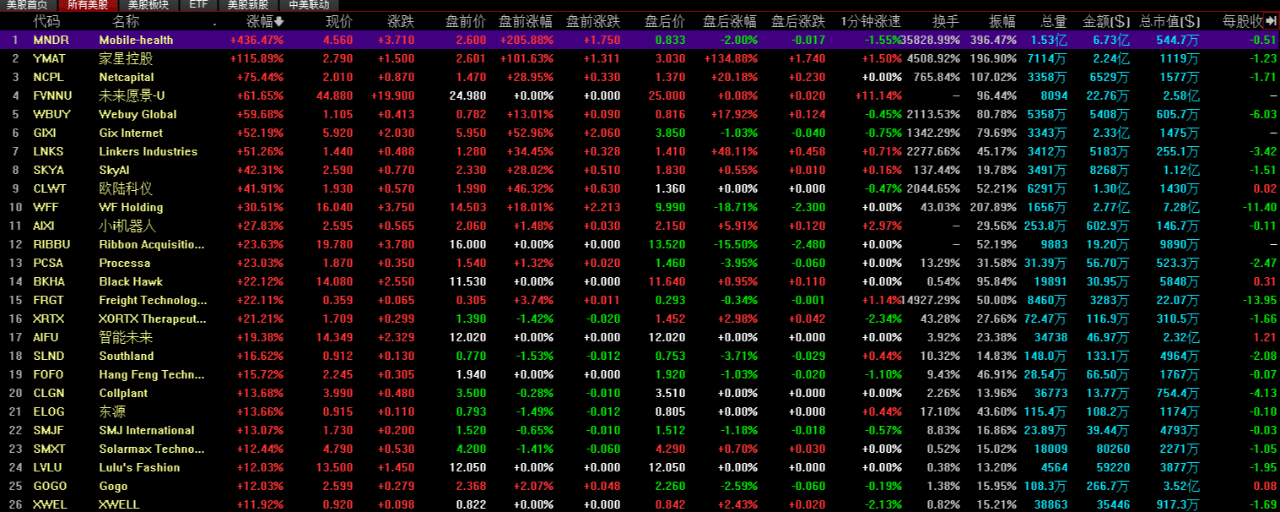
Article
Binance futures are expanding to cover more traditional financial assets. Do you think this signals that the boundaries of the crypto market are expanding?The four USDT-margined TradFi perpetual contracts—ZCSH, MSTU, SNPS, and RDW—will be rolled out in stages today from 17:00 to 17:15. Their reference assets are the Zcash ETF, a leveraged MSTR ETF, Synopsys, and Redwire, respectively.
Today’s announcement features four TradFi perpetual contracts whose reference assets span ETFs and U.S. stocks. What’s worth noting is not just the addition of new trading pairs, but also the difference between traditional asset reference prices and around-the-clock contract trading. The announcement lists maximum leverage of 20x, with funding fees settled every 8 hours. These contracts are not the same as directly holding the corresponding securities, and they carry significant risks. Do you think these products will attract more traditional market participants, or mainly add more options for short-term trading?
Binance futures are expanding to cover more traditional financial assets. Do you think this signals that the boundaries of the crypto market are expanding?
The four USDT-margined TradFi perpetual contracts—ZCSH, MSTU, SNPS, and RDW—will be rolled out in stages today from 17:00 to 17:15. Their reference assets are the Zcash ETF, a leveraged MSTR ETF, Synopsys, and Redwire, respectively.
Today’s announcement features four TradFi perpetual contracts whose reference assets span ETFs and U.S. stocks. What’s worth noting is not just the addition of new trading pairs, but also the difference between traditional asset reference prices and around-the-clock contract trading. The announcement lists maximum leverage of 20x, with funding fees settled every 8 hours. These contracts are not the same as directly holding the corresponding securities, and they carry significant risks. Do you think these products will attract more traditional market participants, or mainly add more options for short-term trading?
Today’s announcement features four TradFi perpetual contracts whose reference assets span ETFs and U.S. stocks. What’s worth noting is not just the addition of new trading pairs, but also the difference between traditional asset reference prices and around-the-clock contract trading. The announcement lists maximum leverage of 20x, with funding fees settled every 8 hours. These contracts are not the same as directly holding the corresponding securities, and they carry significant risks. Do you think these products will attract more traditional market participants, or mainly add more options for short-term trading?
650
·
--
The top gainers leaderboard stands out, but first check what it measuresOn Binance’s price page, as of 16:28 Beijing time, the listed gains for W, RSR, and S were +72.51%, +47.18%, and +26.85%, respectively. These are figures shown on the price page and are not the same as the spot or USDⓈ-M futures leaderboards in the app.
Coins with sharp gains can also pull back quickly. When checking the leaderboard, I’ll double-check the trading pair, trading volume, and time period, rather than focusing only on the percentage gain.
What’s the first thing you check when viewing the top gainers leaderboard?
#加密 #风险管理 $W $RSR
The top gainers leaderboard stands out, but first check what it measures
On Binance’s price page, as of 16:28 Beijing time, the listed gains for W, RSR, and S were +72.51%, +47.18%, and +26.85%, respectively. These are figures shown on the price page and are not the same as the spot or USDⓈ-M futures leaderboards in the app.
Coins with sharp gains can also pull back quickly. When checking the leaderboard, I’ll double-check the trading pair, trading volume, and time period, rather than focusing only on the percentage gain.
What’s the first thing you check when viewing the top gainers leaderboard?
#加密 #风险管理 $W $RSR
Coins with sharp gains can also pull back quickly. When checking the leaderboard, I’ll double-check the trading pair, trading volume, and time period, rather than focusing only on the percentage gain.
What’s the first thing you check when viewing the top gainers leaderboard?
#加密 #风险管理 $W $RSR
373
·
--
BTC edges higher over the past 24 hours, with its range still worth watchingAs of 16:28 Beijing time, Binance’s price page showed BTC at $83,510.36, up 0.71% over the past 24 hours. The 24-hour range was $82,879–$84,249.22.
These figures show the price movement over the past 24 hours; they don’t indicate what direction it will move next. Next, I’ll be watching to see whether BTC can hold above the top of the range and whether trading volume moves in tandem.
Are you more focused on a price breakout or volume confirmation?
#BTC走势分析 $BTC
#阿根廷央行不推加密入银行支付 #加密市场观察
BTC edges higher over the past 24 hours, with its range still worth watching
As of 16:28 Beijing time, Binance’s price page showed BTC at $83,510.36, up 0.71% over the past 24 hours. The 24-hour range was $82,879–$84,249.22.
These figures show the price movement over the past 24 hours; they don’t indicate what direction it will move next. Next, I’ll be watching to see whether BTC can hold above the top of the range and whether trading volume moves in tandem.
Are you more focused on a price breakout or volume confirmation?
#BTC走势分析 $BTC
#阿根廷央行不推加密入银行支付 #加密市场观察
121
·
--
If a contract tops the gainers list, does that mean the trend has already been confirmed?I just checked the Binance USDT perpetual futures gainers list (at the time of the screenshot, SUSDT was leading the gains, and CKB and ENA were also near the top.
The gainers list can tell us how much prices changed over a period of time, but by itself it cannot confirm the reason for the rise, nor can it show whether the spot market moved in sync. When looking further, we still need to check spot performance, trading volume, and verifiable project news.
If the reason has not been verified yet, I would first treat it as a watchlist rather than a directional conclusion. When you look at the gainers list, which data point do you check first?
#加密周期 #市场观察 $FTM $ENA
If a contract tops the gainers list, does that mean the trend has already been confirmed?
I just checked the Binance USDT perpetual futures gainers list (at the time of the screenshot, SUSDT was leading the gains, and CKB and ENA were also near the top.
The gainers list can tell us how much prices changed over a period of time, but by itself it cannot confirm the reason for the rise, nor can it show whether the spot market moved in sync. When looking further, we still need to check spot performance, trading volume, and verifiable project news.
If the reason has not been verified yet, I would first treat it as a watchlist rather than a directional conclusion. When you look at the gainers list, which data point do you check first?
#加密周期 #市场观察 $FTM $ENA
606
·
--
Does higher trading volume mean there are more buyers?Not necessarily. Every trade has both a buyer and a seller, so trading volume first of all indicates that trading has become more active during this period.
When looking at the trading volume of $BTC , I would look at it together with the price:
Prices rise and trading volume also increases: this means participation rises during the uptrend, but it does not guarantee that the rally will continue.
Prices fall and trading volume also increases: this means trading is active during the decline, but you cannot conclude from this alone that prices will keep falling.
Prices do not fluctuate much, but trading volume suddenly surges: it is worth continuing to observe this in combination with the specific time period and sources of information.
Does higher trading volume mean there are more buyers?
Not necessarily. Every trade has both a buyer and a seller, so trading volume first of all indicates that trading has become more active during this period.
When looking at the trading volume of $BTC , I would look at it together with the price:
Prices rise and trading volume also increases: this means participation rises during the uptrend, but it does not guarantee that the rally will continue.
Prices fall and trading volume also increases: this means trading is active during the decline, but you cannot conclude from this alone that prices will keep falling.
Prices do not fluctuate much, but trading volume suddenly surges: it is worth continuing to observe this in combination with the specific time period and sources of information.
1
420
·
--
After a Range Breakout, How Can You Tell If It’s a “False Breakout”?Yesterday, we talked about how to observe a breakout from a range. Today, let’s look at the other side: when the price briefly moves beyond the range boundary but quickly returns inside, this is often called a false breakout.
I’ll watch for three signals:
Check whether the candlestick closes outside the key zone, or whether only its wick briefly crosses it. Compare trading volume during the breakout with volume within the range. On a retest, see whether the former resistance zone acts as support; for a downside breakout, look for the opposite.
These are just clues to watch for, not definitive buy or sell signals. Data from different timeframes or platforms may also present different pictures.
After a Range Breakout, How Can You Tell If It’s a “False Breakout”?
Yesterday, we talked about how to observe a breakout from a range. Today, let’s look at the other side: when the price briefly moves beyond the range boundary but quickly returns inside, this is often called a false breakout.
I’ll watch for three signals:
Check whether the candlestick closes outside the key zone, or whether only its wick briefly crosses it. Compare trading volume during the breakout with volume within the range. On a retest, see whether the former resistance zone acts as support; for a downside breakout, look for the opposite.
These are just clues to watch for, not definitive buy or sell signals. Data from different timeframes or platforms may also present different pictures.
148
Log in to explore more content
Join global crypto users on Binance Square
⚡️ Get latest and useful information about crypto.
💬 Trusted by the world’s largest crypto exchange.
👍 Discover real insights from verified creators.
Email / Phone number
Trending Topics
A Packed Week of Earnings and Data Tests Markets
16,798 views
160 Discussing
🚨🇺🇸 BIG WEEK AHEAD FOR THE MARKETS!
Markets are pricing in a Fed rate hike in December and $BTC could see some big moves next week.
Here's what's coming:
• Monday: Fed Chair Warsh speaks
• Tuesday: US Retail Sales + $NVDA earnings
• Wednesday: FOMC Minutes
• Thursday: Jobless Claims + Philly Fed Index
• Friday: Consumer Sentiment + Fed speeches
All eyes on $BTC as another important week begins.
#bitcoin
Mookie
·6 Likes
·3.7k views
AnthropicIPOTestsInvestorAppetiteForAI
12,409 views
321 Discussing
HuangReportedlyConsidersReturnToNvidia
33,503 views
505 Discussing