


Key points:
Anatoly Yakovenko created Solana for high-speed and efficient blockchain transactions without losing decentralization.
The Proof of History (PoH) mechanism provides scalability and synchronization of the network at high speed.
Solana has grown due to the development of DeFi, NFT platforms, and the popularity of meme coins.
The platform faces challenges, including network overload and balancing speed and security.
Yakovenko actively supports charity and Ukraine while simultaneously developing a global Web3 ecosystem.
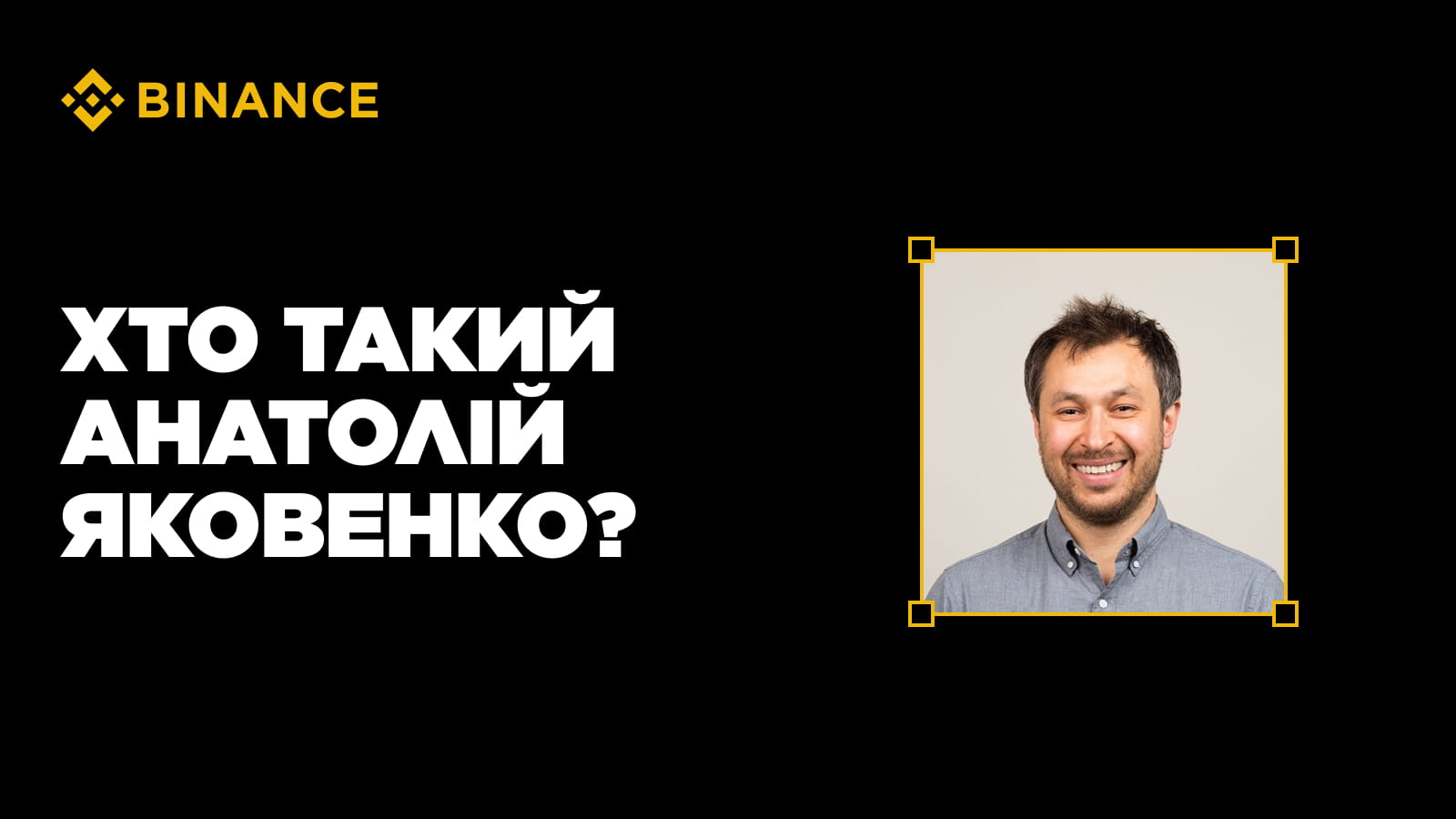
Anatoly Yakovenko is a Ukrainian-American engineer, programmer, and founder of Solana, one of the fastest and most scalable blockchain platforms in the world. His idea was to create a decentralized system capable of securely processing thousands of transactions per second.
A Brief About Anatoly Yakovenko
Anatoly Yakovenko was born in Ukraine and later moved to the USA, where he obtained an education in computer science. Before founding Solana, he worked at Qualcomm, where he was involved in optimizing networks and real-time data processing systems. This experience helped him understand how to enhance blockchain efficiency without compromising decentralization. Anatoly's career development is marked by several key milestones:
Working as a software engineer at Qualcomm.
Co-authoring several patents in the field of distributed systems.
Founding Solana Labs in 2017.
The biography of Anatoly Yakovenko is an example of combining technical talent and a vision for the development of decentralized technologies. Thanks to his experience and innovative approach, Solana has become one of the leading platforms for scaling blockchain, processing fast transactions, and developing new DeFi and NFT projects.
How the Idea of Solana Came About
The idea of creating Solana was born in 2017 when Anatoly realized that most existing blockchain platforms could not simultaneously provide scalability, decentralization, and security. During his time at Qualcomm, he gained experience in optimizing high-speed networks, which inspired him to create a new blockchain architecture capable of processing thousands of transactions per second.
To solve this problem, Yakovenko proposed a revolutionary mechanism Proof of History (PoH) — a technology that adds timestamps to each transaction, forming a clear sequence of events in the network. This allowed for the synchronization of nodes without the need to spend resources on constant checks, as in traditional blockchains.
Unlike PoW (Proof of Work), which requires computational work, and PoS (Proof of Stake) — collateral of coins to achieve consensus — PoH is a cryptographic proof of the sequence of events used to maximize network performance.
As a result, an efficient blockchain platform emerged that combines speed, decentralization, and low transaction fees. This became the foundation of Solana's success, opening the way for the development of DeFi, NFT projects, startups, and new blockchain scaling technologies.
The Growth of Solana
Since its launch, Solana has transformed from an ambitious startup into one of the most well-known blockchain platforms in the world. The development of Solana was accelerated by several key factors:
Explosive growth of the DeFi ecosystem, where hundreds of projects have emerged for trading, lending, and staking.
The explosion of popularity of NFT platforms that use Solana due to low fees and fast transaction confirmations.
An influx of new users in 2023–2024 due to the meme coin phenomenon — such as Bonk (BONK) and Dogwifhat (WIF), which went viral in the community.
In addition, Solana Labs actively supports startup developers by creating grant programs and incubators to encourage innovation. Its high scalability, low latency, and decentralized infrastructure have allowed the platform to compete with Ethereum in the DeFi, NFT, and Web3 application segments.
Thanks to these advantages, Solana has established itself as one of the most promising ecosystems in the cryptocurrency world, combining technological innovation and massive community growth.
Challenges of Solana
Despite significant success and rapid growth, Solana has repeatedly faced a number of technical challenges that have tested its infrastructure. The main issues were related to network overload during peak user activity, especially during the launch of popular NFT collections or DeFi projects.
Among the main difficulties, the following can be highlighted:
Network overload during mass transactions, which led to delays in block confirmations.
Short-term failures in the operation of nodes, causing the network to temporarily stop or require a restart.
Constant balancing between speed and decentralization, as increasing throughput can create risks of centralization.
Anatoly's team is actively working to improve network stability and cryptographic security by implementing regular protocol updates, optimizing nodes, and testing new blockchain scaling algorithms. Despite these difficulties, Solana maintains its status as one of the most innovative blockchain platforms, continuing to enhance its efficiency, security, and resilience to loads.
Charitable Activities of Anatoly Yakovenko and Support for Ukraine
The founder of Solana has repeatedly demonstrated his support for Ukraine during the war. He and his team have participated in charitable initiatives, particularly aimed at helping Ukrainian projects and volunteers that use blockchain technologies for transparent donations. The Solana Foundation also participated in fundraising through cryptocurrency, allowing for quick and secure transfers of aid directly.
In 2024, representatives of the Solana ecosystem, including Den from the Solana Foundation, attended the Incrypted 2024 conference in Kyiv. This was an important signal of support for the Ukrainian crypto community and evidence of the company's interest in the development of Web3 technologies in Ukraine.
Thanks to its openness, charity, and innovativeness, Yakovenko and his team not only promote Solana as a leading blockchain platform but also help strengthen trust in cryptocurrencies as a tool for good and development.
Plans for the Future
Anatoly Yakovenko sees the future of Solana as a global ecosystem for Web3 that combines speed, decentralization, and efficiency. His goal is to make the platform the foundation for the next stage of the blockchain industry, where thousands of users and developers can interact without intermediaries.
The main directions for further development of Solana are as follows:
Expansion of the DeFi ecosystem — creating new financial protocols and services based on blockchain technology.
Development of NFT markets and digital assets that stimulate creative industries.
Optimization of blockchain scaling through improvements to the Proof of History (PoH) protocol.
Integration of innovative security technologies to protect transactions and users.
Support for developers and startups creating products in the Solana ecosystem through grants and technical programs.
In the long term, Yakovenko aims to make Solana not just a fast blockchain platform but a key hub for Web3 technologies, where innovation, economic freedom, and global development converge.
Conclusions
Anatoly Yakovenko is an example of combining engineering genius, strategic thinking, and a desire for innovation. His Solana is not just another blockchain platform, but a symbol of speed, efficiency, and decentralization. Through continuous improvement of technologies and community building, Solana has every chance of remaining a leader in the world of cryptocurrencies and digital innovations for many years to come.
Follow us on social media Binance Ukraine:
Telegram channel | Telegram group | TikTok | X ( | Facebook | Instagram | YouTube | Twitch | Threads